Circle Net Faceoff Game | Passing, Activation, and Quick Strike Scoring
Constraining scoring access to reveal how connection and activation shape offensive opportunity
By Coach Barry Jones | IIHF Level 3 High Performance | USA Hockey Level 3 Performance
- Designing Small Area Games Series: Above The Net - Solving F3 Support and develops habits
- Designing Small Area Games Series: 3 Player Outlet Game - Solving Breakout Support and develops puck movement habits
- Designing Small Area Games Series: Endzone Outlet Regroup Game - Solving Breakout Support and Regroup Habits habits
- Designing Small Area Games Series: Circle Net Face off Game - Solving Front of Net Behaviours
- Designing Small Area Games Series: Corner Battle Screen Game - Solving Board Battles and Net Front Screen
- Designing Small Area Games Series: Neutral Zone Circle Game - Solving D-to-D Connection and Cross Ice Activation
- Designing Small Area Games Series: Boards to one timer - Solving Board Clearances to outlets
- Designing Small Area Games Series: Asteroids Battle Game - Solving front of the net Clearances to outlets
- Designing Small Area Games Series: Royal Road Goalie Game - Solving S.A.D for Goalies in the Royal Road
- Designing Small Area Games Series: HIT Zone Assist Game - Solving the support problem
Game Overview
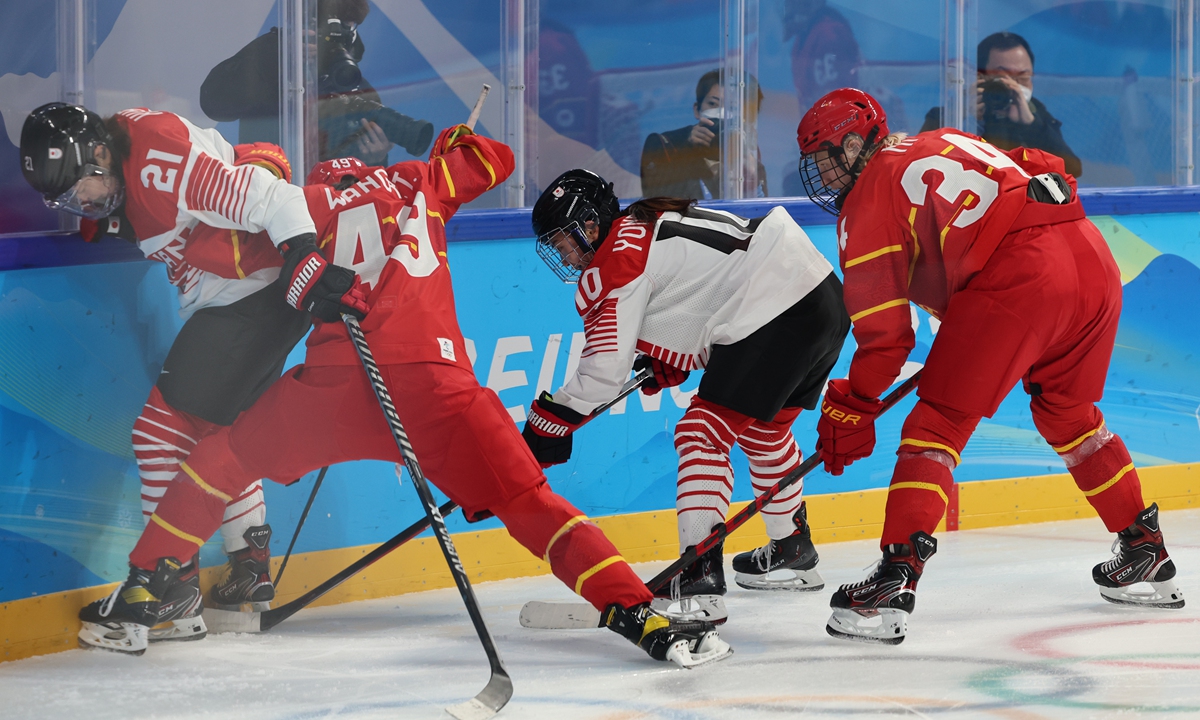
The Circle Net Faceoff Game takes place in one end zone with a net and goalie positioned inside each circle. Teams line up in a traditional faceoff structure, with three players per side positioned on their half of the zone. Play begins with a faceoff, immediately introducing competition for possession and territorial advantage.
The team that gains possession cannot score immediately. Before a shot becomes available, the puck must first be passed into the circle. This creates a moment where possession exists, but offensive opportunity has not yet fully emerged.
Once the puck enters the circle through connection, the environment shifts. The team in possession can now attack and attempt to score. After a goal, both teams reset and the process begins again. Each round runs continuously for 45 seconds, creating repeated cycles of recovery, activation, and offensive construction.
The game reshapes how players perceive scoring opportunity. Scoring is no longer an individual act. It becomes the result of connection.
Game Design Intent
This task removes the immediacy of scoring following possession and replaces it with a relational requirement. Players cannot act alone. They must first create connection through passing into the circle.
The circle becomes more than a scoring location. It becomes a gateway. Players must perceive when the environment allows access and when it does not.
This constraint exposes how players behave when opportunity is delayed. It reveals scanning behaviour, spatial awareness, and timing. Players begin to understand that possession does not equal opportunity. Opportunity emerges through interaction.
The faceoff start introduces instability. Each repetition begins with uncertainty. Players must continuously interpret pressure, space, and support.
The environment invites players to construct offense, not inherit it.
4 Role Ecology in Action
Offence With the Puck
The puck carrier exists in a space where immediate scoring is unavailable. Their perception shifts away from the net and toward connection.
Possession becomes a moment of interpretation. The puck carrier must recognize where support exists and how access to opportunity can be created.
The environment encourages relational awareness rather than individual execution.
Offence Supporting
Supporting players influence when offensive opportunity becomes available. Their movement and positioning shape access to the circle.
Support becomes active rather than passive. Players learn that their presence creates opportunity, not just their possession.
Offense emerges through shared interaction.
Defence On the Puck
The defender directly shapes offensive perception. Their pressure influences whether connection can occur and when the circle becomes accessible.
Defensive presence introduces friction. This friction reshapes timing, movement, and decision-making.
Defence becomes an environmental force that shapes offensive behaviour.
Defence Away From the Puck
Players away from the puck exist within a field of anticipation. They must interpret potential connection points and prepare to influence play as it develops.
Their positioning shapes what becomes available and what remains denied.
Their role emerges through perception of unfolding relationships.
Goalie Ecology
The goalie exists within a dynamic scoring environment. Shots do not occur randomly. They emerge following activation through connection.
This shapes how the goalie manages readiness, depth, and attention. The goalie learns to interpret cues that signal when offensive opportunity becomes available.
The goalie begins to perceive the difference between possession and threat.
Their behaviour becomes anticipatory, guided by environmental information rather than isolated events.
Why This Task Works
This task reshapes how players understand offense. It removes the illusion that scoring exists independently of connection and replaces it with the requirement to create access through interaction.
The environment thinks back. It rewards players who perceive relationships and exposes those who rely on isolated action.
Players learn that opportunity is not constant. It must be recognized and created.
This learning transfers because the task reflects the true nature of hockey. Offensive opportunity emerges through timing, support, and shared awareness.
Players do not learn a play. They learn how to perceive when opportunity exists.
This is the foundation of hockey sense.
Author Bio:
Barry Jones is an IIHF Level 3 High Performance Coach and USA Hockey Level 3 Performance Coach. His work blends ecological dynamics, nonlinear design, and athlete-centred leadership to build adaptive teams that thrive in uncertainty.