Boards to One-Timer
Solving Board Recoveries and Outlet Finishing Under Time and Space Pressure
By Coach Barry Jones | IIHF Level 3 High Performance | USA Hockey Level 3 Performance
- Designing Small Area Games Series: Above The Net - Solving F3 Support and develops habits
- Designing Small Area Games Series: 3 Player Outlet Game - Solving Breakout Support and develops puck movement habits
- Designing Small Area Games Series: Endzone Outlet Regroup Game - Solving Breakout Support and Regroup Habits habits
- Designing Small Area Games Series: Circle Net Face off Game - Solving Front of Net Behaviours
- Designing Small Area Games Series: Corner Battle Screen Game - Solving Board Battles and Net Front Screen
- Designing Small Area Games Series: Neutral Zone Circle Game - Solving D-to-D Connection and Cross Ice Activation
- Designing Small Area Games Series: Boards to one timer - Solving Board Clearances to outlets
- Designing Small Area Games Series: Asteroids Battle Game - Solving front of the net Clearances to outlets
- Designing Small Area Games Series: Royal Road Goalie Game - Solving S.A.D for Goalies in the Royal Road
- Designing Small Area Games Series: HIT Zone Assist Game - Solving the support problem
Game Overview
Boards to One-Timer is a small-area game designed to link puck recovery, wall play, and finishing while remaining fully representative of game demands.
Two nets are positioned facing the corner, each with a goalie. In front of each net are three skaters, one defender and two offensive players, one acting as the puck engager and one as a support option. Play begins with the coach spotting the puck into the middle, forcing an immediate race and battle for possession.
Players are constrained to their side of the centre line and may only move the puck along the board bumper. A goal can only be scored if the puck is recovered off the boards and delivered to a shooter for a one-timer. Once the initial shot occurs, rebounds become live for all three skaters in the zone.
Each rep runs for a short duration, creating urgency and increasing perceptual and emotional pressure without reducing representativeness.
Game Design Intent
This task is designed to expose how players solve board recoveries and create scoring opportunities when time, space, and passing options are limited.
By restricting puck movement to the boards, the environment shifts attention toward puck protection, scanning, and timing rather than speed or pre-planned routes. The one-timer scoring constraint delays shooting until a successful recovery and connection occur, forcing players to recognise when an opportunity is genuinely created.
The short rep duration amplifies urgency, encouraging players to organise quickly and commit to decisions. Rather than prescribing solutions, the constraints shape how players perceive pressure, space, and opportunity near the net.
4 Role Ecology in Action
Offence With the Puck
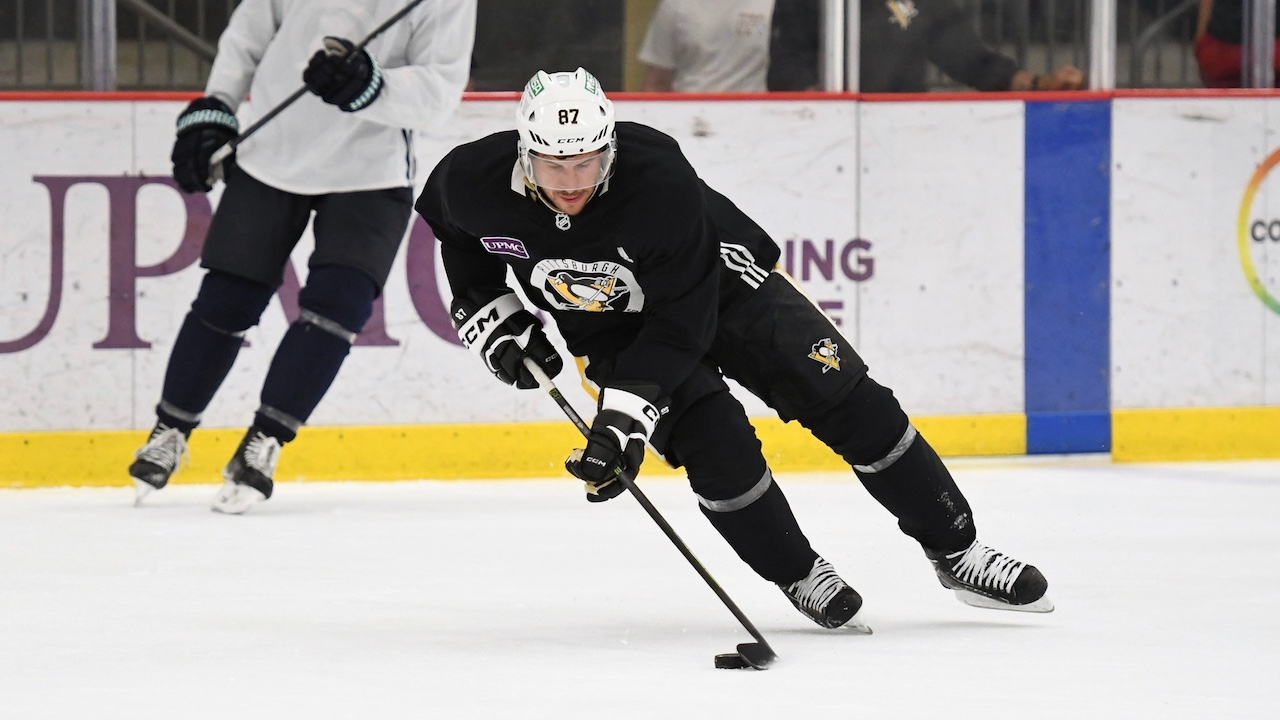
The puck engager must manage the recovery under pressure and stabilise possession along the wall. Protecting the puck, disguising intentions, and scanning before releasing the puck become functional behaviours shaped by the environment.
Because scoring depends on a clean board recovery and pass, deception and timing are often more effective than force or speed.
Offence Supporting
The supporting player’s role is defined by timing rather than position. They must read the outcome of the recovery, adjust depth, and remain available as a one-timer option.
As rebounds become live, support quickly shifts from shot readiness to second-effort involvement, reinforcing that offensive contribution is continuous rather than moment-specific.
Defence On the Puck
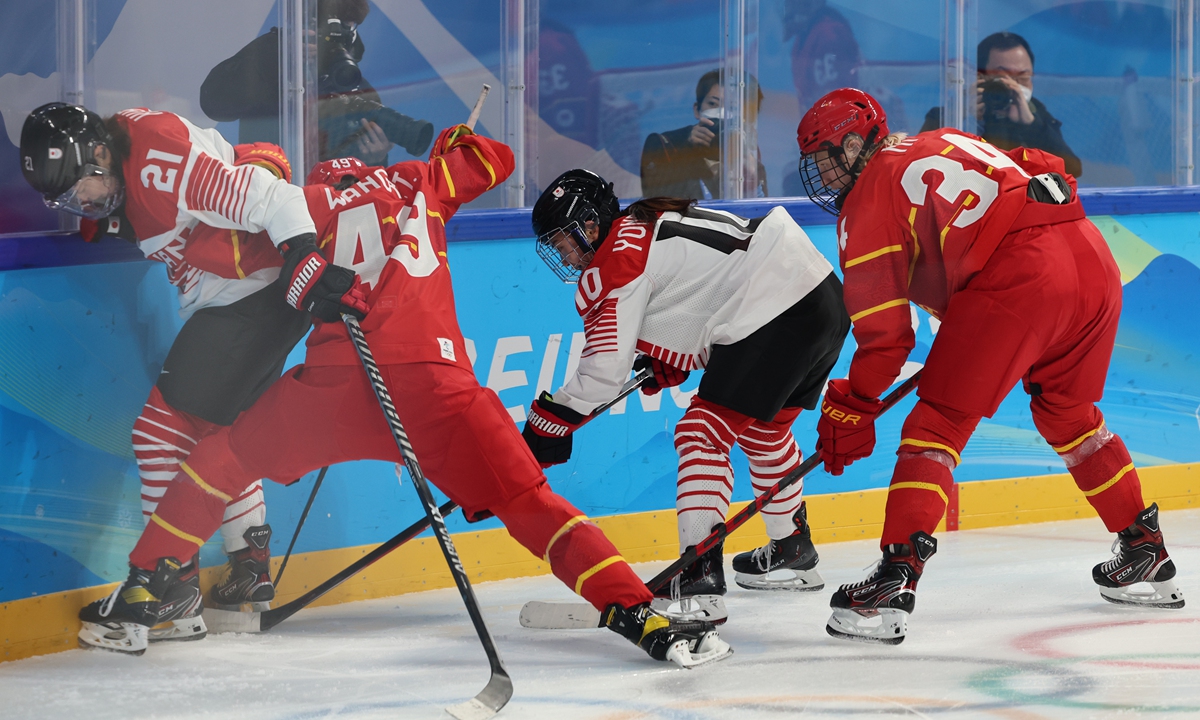
Defenders are challenged to disrupt the puck recovery without overcommitting. Stick detail, body positioning, and angle control shape whether possession is stabilised or broken.
Because shots cannot occur without a board recovery, defenders learn to recognise when pressure should deny the wall play rather than chase the puck carrier directly.
Defence Away From the Puck
Once the puck moves off the wall, defensive focus shifts toward lane denial, box-outs, and middle protection. Rebound situations require rapid adjustment, as defenders transition between denying the initial shot and protecting space around the net.
Roles are not assigned by instruction. They emerge as players respond to the constraints and the changing demands of the play.
Goalie Ecology
Goalies operate in a high-information environment where puck recovery cues matter as much as the shot itself.
Reading the puck off the wall, anticipating one-timer releases, and managing depth as the puck moves east–west are constant demands. Traffic, sticks, and bodies require goalies to stay square while maintaining sightlines and balance.
Rebound control becomes a critical outcome, as second-chance plays emerge immediately. Communication with defenders helps stabilise chaos and supports shared understanding around coverage and body positioning.
This environment reinforces that goaltending is about perception, timing, and decision-making, not just reaction.
Why This Task Works
Boards to One-Timer creates a game that thinks back. Players are rewarded for reading pressure, managing space, and connecting actions rather than executing isolated skills.
The constraints ensure that learning is shaped by the environment itself. Board play, outlet timing, and finishing emerge as interconnected problems, mirroring how scoring chances are created in real games.
Because behaviours are discovered through interaction rather than instruction, the habits developed are robust, adaptable, and transferable to full-ice competition.
Author Bio:
Barry Jones is an IIHF Level 3 High Performance Coach and USA Hockey Level 3 Performance Coach. His work blends ecological dynamics, nonlinear design, and athlete-centred leadership to build adaptive teams that thrive in uncertainty.