00:00:00
This drill can be used at the end of any practice for any age group from mites to majors. It allows you to fill the gap between drilling and not running a scrimmage, especially if your players are in conditioning or just starting out.
SET UP
Teams line up at center ice, facing the goal they are attacking.
5 pucks are set throughout the zone. They can be varied or in a certain pattern or place. This is done on each side.
RUN IT
On the whistle, the first player enters the zone, taking the a puck and a shot. The play ends when the shooter scores. Then the shooter rushes back to center ice, and the next skater enters.
Evolution ends when the first team gets to all 5 pucks.
Repeat as necessary, switching directions so each team faces a different goalie.
 00:00:00
It’s a crazy time of year for coaches and players because recruiting is in full swing. Whether players are attending showcases or committing to their offseason training, coaches and programs are pouring over video to add the next great hype machine to their squad.
Some of these showcases include a lot of players. So how do you get noticed? It’s not always about scoring all the goals (though that certainly doesn’t hurt) - the best scouts and coaches look for specific characteristics that might not seem obvious on the surface.
Here’s the first things I look for when I’m scouting a new player.
Proper edge control is fundamental for defensemen and it’s easy to spot. Edges and agility help players maintain balance and control while skating both forwards and backwards. Strong edge work allows defenders to make quick lateral movements, maintain proper gap control, and execute tight turns while defending. With better edges players can close gaps on attacking players more quickly and put their team on offence quicker.
Good gap control includes:
Learn more about gap control and get ideas with these clips from the NHL 4 Nations Faceoff Tournament.
Passing is one of the most important yet under-represented skills in the game. When a defenceman retrieves the puck, what are they doing with it? Are they throwing it up the boards because the speed of play is too fast? Are they shovelling their problem to someone else?
Or are they passing it to a teammate to get the attack started? Efficient passes require proper technique, and this technique is a surefire key that scouts look for every single shift. Players who can execute passes under pressure build trust with their coaches, which leads to more ice time and opportunities at higher levels. Those are the players coaches and managers want on their side.
So what can players do to ensure that their passing is up to the test? Regular shoulder checking before retrieving pucks is crucial. This habit:
Here are some of the game's best and brightest committing to shoulder checks on every retrieval.
Recruiting players with a sound understanding of all habits, not just shoulder checking, is the goal of every scout or manager. players who shoulder check and scan before retrieving the puck have a lot of potential to grow with a new team and develop quickly.
Back to the start, we have to get the puck back first. Defencemen are responsible for the attack just as much as the defence. Active stick positioning is essential for defending effectively. This includes:
Now that we’ve kept our gaps tight, checked attackers, retrieved pucks and moved them north, how can a defenceman get noticed in the offensive zone? While defending is primary, defensemen must also contribute to offense.
Let’s get some pucks on net and score some goals. Every puck that hits a defenceman’s tape on the blue line has the chance to develop into a dangerous scoring chance. Point shots require:
These fundamentals form the foundation of successful defensive play at any level. All eyes are on you and if you’re skating well, moving the puck, demonstrating good habits, checking, and shooting, then you’re going to get noticed.
 00:00:00
Pass reception is a fundamental skill that can significantly impact a player's performance and a team's ability to create offense. It enables players to maintain possession, create scoring opportunities, and control the game's pace. A well-received pass allows for seamless transitions and quick decision-making, which are crucial in high-pressure situations. Developing this skill not only helps in retaining the puck but also in executing plays effectively. By building your team's ability to receive passes, you're creating a team that will be hard to defend by enabling your players with the tools they need to create more offense.
One frequent mistake is failing to adjust to passes that aren't perfectly placed. When passes come in too high, too low, or at awkward angles, many players struggle to control the puck, leading to turnovers. Another issue is poor body positioning, which can limit a player's ability to receive and protect the puck, especially under pressure. Additionally, some players tend to watch the puck too closely and lose awareness of their surroundings, making them more vulnerable to defensive pressure. Practicing receiving passes from various angles and in different situations can help mitigate these problems, improving your team's overall game performance.
Having video clips for your team to watch these skills at the professional level can offer valuable lessons for improving pass receptions. The biggest thing that separates the PROs from amateur players, is the ability to receive a bad pass without losing a stride. Professional players often show excellent hand-eye coordination and the ability to anticipate the puck's movement, allowing them to adjust quickly. By paying attention to these details, you can adapt similar techniques into your own practice plans. Gradually, you'll be able to receive passes more efficiently and contribute more effectively during games.
Improving your team's pass reception skills requires dedication and consistent practice. Incorporate drills into your practice routine that simulate different passing scenarios. For instance, in this drill created with Hockey Coach Vision, you see how it simulates the game-like scenario that is shown above in the clip created with Hudl Instat when using a rim reception.
Implementing receiving passes drills that require indirect passes, passes aimed at your skates, or passes that are slightly out of your reach. Use a variety of drills to improve your hand-eye coordination and puck control. Regularly practicing receiving different types of passes will build your confidence and ability to adapt to various situations during a game. Remember, practice is where you can make mistakes, learn from them, and hone your skills without the pressure of a live game.
 00:00:00
“You don’t need permission to be great. You just need the courage to be real.”
—Walter Aguilar
April 12, 2025. A date that will be forever etched in Tommy Budnick’s heart. That was the day he got the call most young hockey players only dream about. The general manager of the Pittsburgh Penguins offered him a contract to play for their AHL farm team, the Wilkes-Barre/Scranton Penguins. Here’s the part that hits deep: it happened on the anniversary of his grandfather’s passing, who was a big supporter of his hockey dream. That wasn’t just a coincidence. That was life reminding him that every hard moment, every small effort, and every conscious choice along the way mattered.
But let’s rewind for a minute. Tommy’s story didn’t begin with headlines or hype. It started in cold rinks, early mornings, long drives, and a whole lot of heart. He began in U-12 AA hockey. No fanfare. Just raw effort. He didn’t just play the game. He competed with something extra, something you can’t teach. That edge moved him quickly into AAA and set the tone for everything that followed.
His family saw that spark early on. They poured into him. From standing rink side through freezing mornings to being the voice in his ear reminding him of who he was when things got hard, they showed up. Always. Not because it was easy, but because the dream was real, and they believed in it as much as he did.
At 15, Tommy was drafted to the OHL by the Kingston Frontenacs. Big moment, right? But then the world shifted. COVID turned everything upside down. As a rookie on a team stacked with veterans, Tommy barely got on the ice, just three to seven minutes a game. However, he didn’t pout. He didn’t point fingers. He put his head down and worked hard. By the end of the season, he had earned an average of 18 to 20 minutes a night. That kind of growth doesn’t come from talent. It comes from grit.
The pandemic interrupted his next season, which was his draft year. No combine. No eyes on him. He went undrafted. The year after that, a couple of serious injuries held him back again. He still couldn’t show the hockey world his best. Only having played 16 games that season, he was passed over. No draft. No contract. He was then traded to Guelph Storm the next season.
This is the point where most players start to fade out, but not Tommy.
His mom, with the kind of love and awareness only a mother has, brought in someone who could help: mental performance coach Walter Aguilar. Walter specialized in helping athletes understand the deeper connection between mind, energy, and performance. Tommy wasn’t so sure at first. He was skeptical but open to it. However, over time, the work started to stick. He began to realize the real battle wasn’t with coaches or injuries. It was with himself. He learned about the 7 levels of energy that affect performance. His self and outer awareness increased. He learned how to manage his thoughts, energy, and ultimately his performance.
Those realizations and shifts changed everything.
Tommy stopped trying to be what he thought others wanted. He decided to be unapologetically himself. That one profound mind shift—leaning fully into who he truly is without holding back—was the turning point.
Shortly after, he was traded to the Brantford Bulldogs. New team. New opportunity. The coach and GM sat him down and told him why they traded for him and to just be himself. To let that competitive fire loose. Don’t hold anything back. They truly had his back, and Tommy was inspired.
Tommy took off. The Bulldogs surged from fifth place all the way to becoming a playoff contender. His game leveled up because he was finally showing up as the real him, no mask, no fear, no playing small. He was demonstrating complete belief and effort. He inspired his teammates and became a fan favourite.
What makes Tommy’s story even more powerful is what he did off the ice. While playing high-level Junior A hockey, he juggled five university-level classes. He maintained a 3.85 GPA and received the OHL Roger Neilsen recipient award as the scholastic player of the year. That speaks volumes. It shows this young man doesn’t cut corners. He gives 100 percent to whatever he commits to: school, hockey, growth, and life. In addition, his faith in God created in him an unwavering sense of purpose that kept him humble and focused through it all.
When that offer came from Pittsburgh, on the same date his grandfather passed, it wasn’t just a contract. It was a message. A reminder that nothing goes unseen. That the small things matter. Staying true to yourself and trusting the process can lead to unexpected and beautiful outcomes.
To every young player reading this, hear me clearly.
It’s not about being the most talented kid in the room. It’s about being the most authentic version of yourself on and off the ice.
It’s not about having the perfect path. It’s about having a meaningful one.
It’s not about trying to please everyone. It’s about finding the courage to be exactly who you are, no filter, no apologies.
Your story, just like Tommy’s, is still unfolding. The moment everything will begin to change is when you stop chasing approval and start owning who you are.
If you are struggling with this, reach out to me, Walter Aguilar. I can support you in developing a success formula and blueprint to navigate your own unique hockey journey.
 00:00:00
Subscribe: Apple Podcasts | Spotify | Linktree
In episode 304 of the Glass and Out Podcast we revisit our conversation from 2022 with Dan Muse, freshly named new Head Coach of the Pittsburgh Penguins.
At the time of this interview, Muse was Head Coach of the US National Development Program. Prior to that he spent three seasons as an Assistant Coach with the Nashville Predators. He spent two seasons as an Assistant with the New York Rangers before landing the head job working for Penguins General Manager Kyle Dubas.
Muse has rounded all the bases in his career and is a self-described OG member of The Coaches Site. He also presented for us back in 2022 on The Importance of the Second Player in Puck Support.
Listen as he shares his philosphy of TNT, why his playing career has never deterred him from his coaching aspirations, and the important of creating chaos in practice.
And go Penguins!
 00:00:00
Cold plunges have become a popular recovery method among hockey players, involving immersing the body in cold water after intense games or workouts. The cold temperature reduces muscle soreness and speeds up recovery, helping players bounce back faster for their next performance. As we look at cold plunges in hockey, it's important to understand how they fit into various training phases. Specifically, their role in the off-season training.
During the season, players can face a demanding schedule with numerous games and extensive travel. These intense physical activities can cause muscle fatigue and inflammation, which can negatively impact performance on the ice. Cold plunges serve as an effective recovery tool by helping reduce muscle swelling and soothe soreness. The cold temperature aids in decreasing inflammation, allowing players to recover more quickly and maintain their energy levels. By incorporating cold plunges into their recovery routine, athletes can better manage the physical stress of the season, keeping themselves ready for peak performance. This method helps sustain their stamina and overall well-being, allowing them to stay competitive throughout the season.
During the summer, players shift their focus to developing their strength in the gym. This period allows the body to undergo necessary growth and adaptation without the immediate pressures of being prepared for games. Unlike in-season, where quick recovery is paramount, off-season training benefits from natural muscle stress and strain. Cold plunges, while great for reducing soreness and inflammation, might actually counteract these off-season goals. By minimizing inflammation too soon, the body misses out on critical signals needed for muscle growth and adaptation. For summer training, it’s more beneficial to let the body naturally cope with the increased demands, fostering long-term strength and skill development. This approach helps athletes build a solid foundation, setting them up for success in the upcoming season.
Recovery methods play a crucial role in helping athletes achieve their best performance. During the season, cold plunges are invaluable for managing muscle fatigue and keeping players energized. Yet, the off-season requires a different approach to foster growth. Allowing the body to experience natural muscle stress during summer training is essential for building the strength needed to improve the athlete's performance during the winter months. Cold plunges might undermine this process by reducing the necessary inflammation signals that drive adaptation. By understanding and applying the right recovery methods for each season, players can maximize their training effectiveness and stay competitive.
 00:00:00
On the final day of TCS Live 2025, coaches filled Yost Ice Arena for four more amazing on-ice presentations, which will all be available this fall on The Coaches Site.
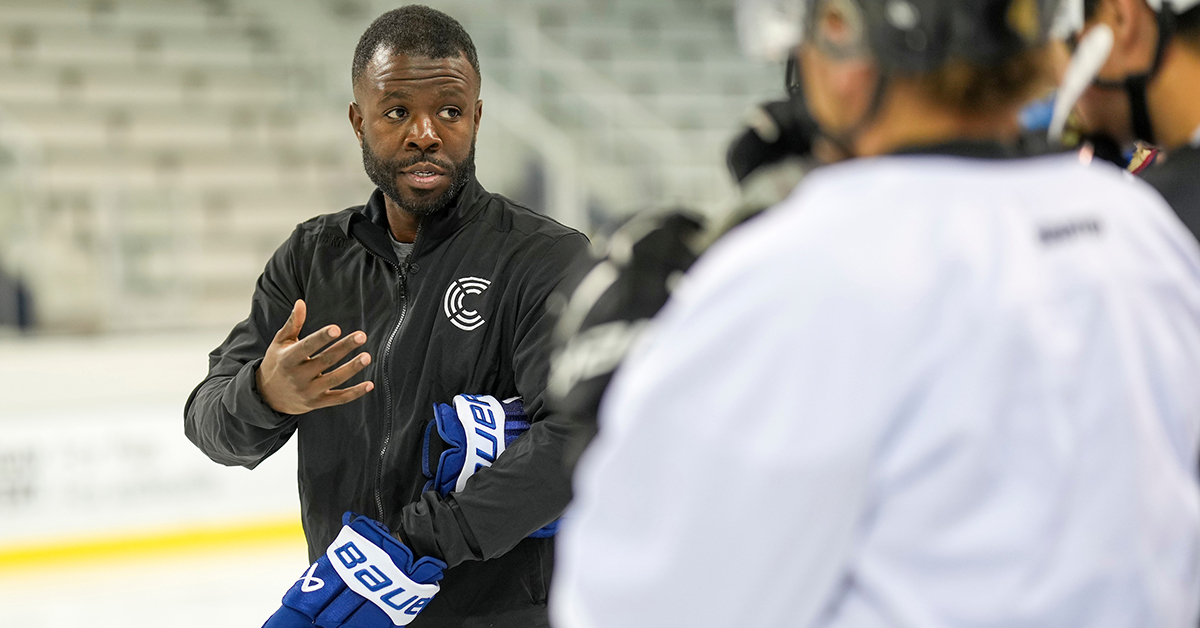
The day kicked off with Duante Abercrombie’s strategy for creating offence from the wall. Abercrombie knows that all coaches want to lead teams that play fast. He began with a simple drill, having players grab a loose puck along the wall at low speed and as soon as they touched it, turn quickly and accelerate through. He noted that players are always going to be under pressure and defenders are working to react to their direction and speed, so he added a player diving into the drill and forced the player to protect the puck. Abercrombie translated this technique to 2-on-2 situations and emphasized the importance of being aware of their surroundings and always moving to the middle of the ice from the wall.
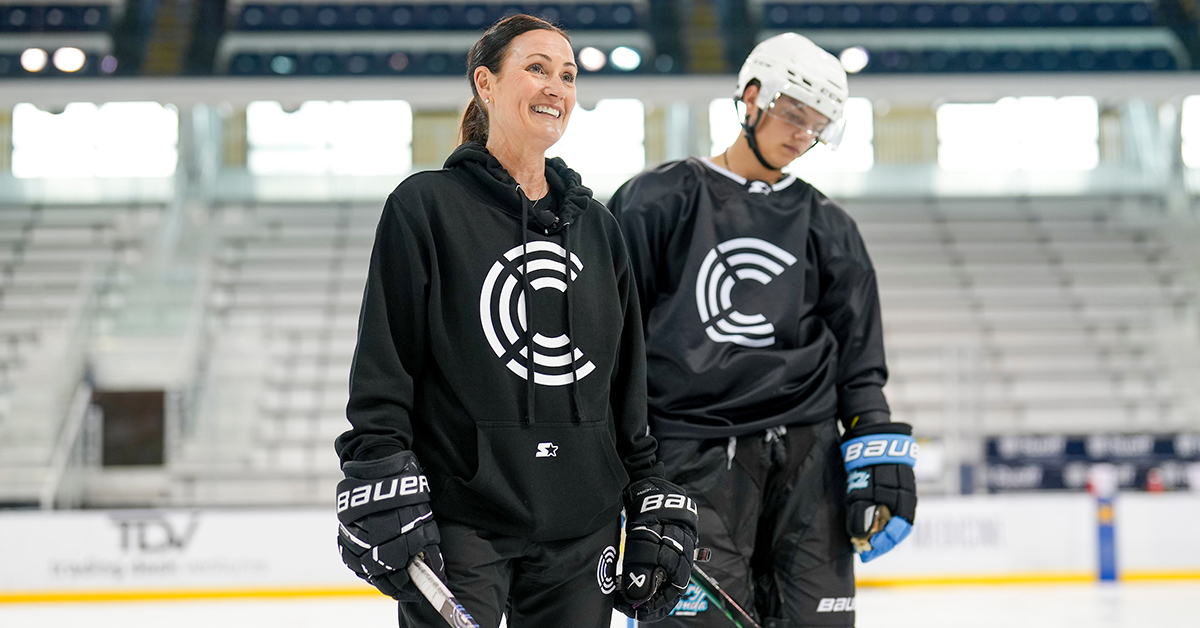
Jill Plandowksi hit the ice next to break down the mechanics and strategy behind a fluent backward skate. She started with working on the foundations, which begins with posture. With hips and shoulders aligned and full blade on the ice, it allows for easier control into the glide. With the players on ice, Plandowkski went through a series of drills progressing from two foot glide, to a one foot, to then being able to add the push. During this step specifically, she encouraged the crowd when teaching younger players this move to make a question mark with their skate for power rather than a traditional C. Plandowski emphasized that being able to shift weight between legs is the key to an effortless backward skate. When putting everything together at full speed, Plandowski’s backward skate is built on posture, glide, and weight shift.
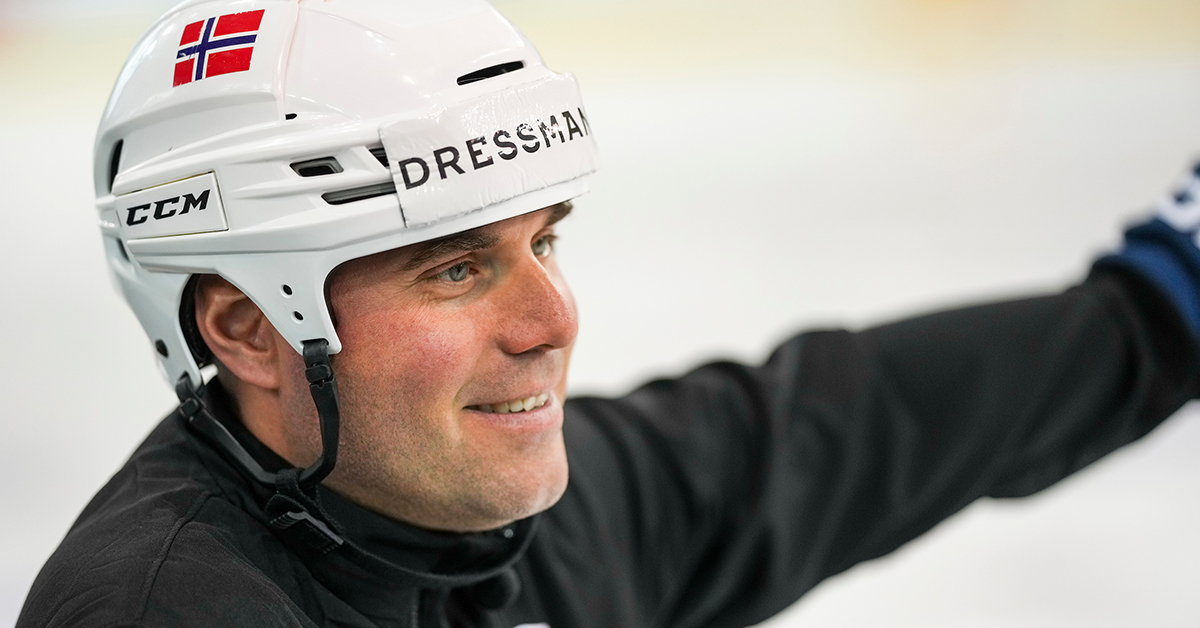
For years, coaches have stuck to the traditional skating, passing, and shooting drills, but Tobias Johansson is working to move away from that. His practice goal is to maximize development, activity level, and repetition. Through drills that allow players to skate freely, create more movement, and feel confident about their decisions, Johansson was able to prove his method of keeping players active through practice. His strategy works to increase playing speed, use strong positioning to maintain possession, and encourages players to “dare to handle the puck.” Something Johansson wants coaches to consider through his methods is, “Players with the puck are the present. Players away from the puck are the future.”
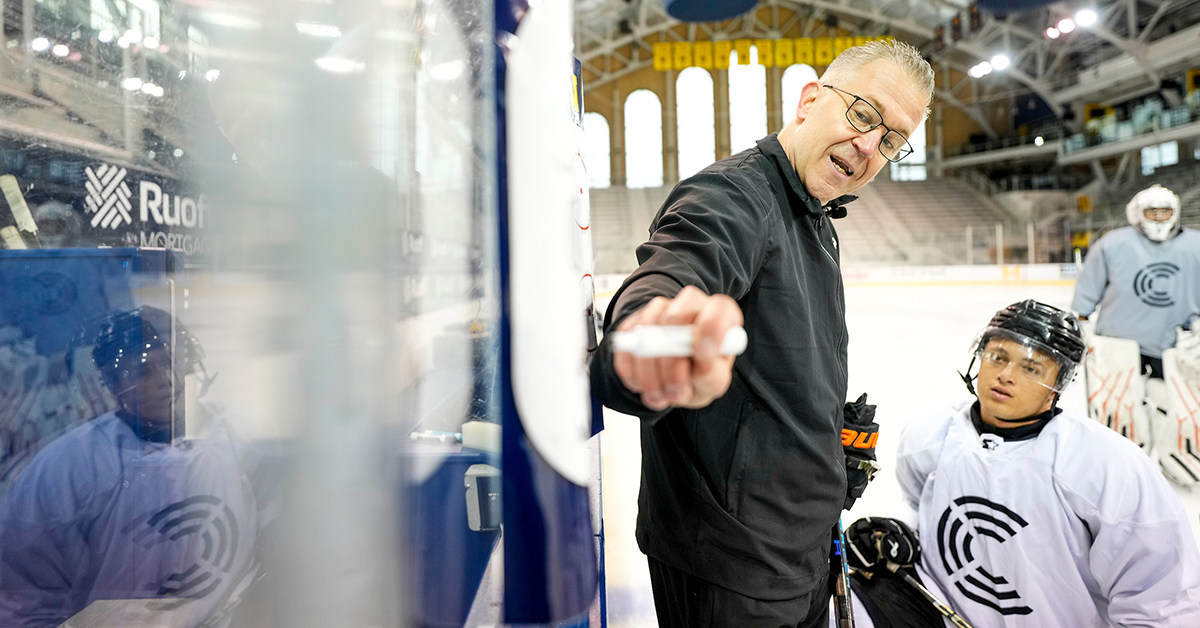
Finishing off this year’s conference time at Yost Ice Arena, Dan Ceman shared a session focusing on transitioning from defensive zone coverage to breakouts. His strategy starts with the base of utilizing short passes. When in the corners during a puck battle, players need to be predictable in their spots to be ready for the short pass and breakaway moment. Ceman used drills to show this in motion, alongside focusing on net-front defence to have an exit lane available for the breakout. Players away from the puck have to be ready for the support and remain calm to be prepared to get puck possession. Ceman finished his session by reminding that it all comes back to being able to make clean and efficient short passes for the rest of the system to build off of.
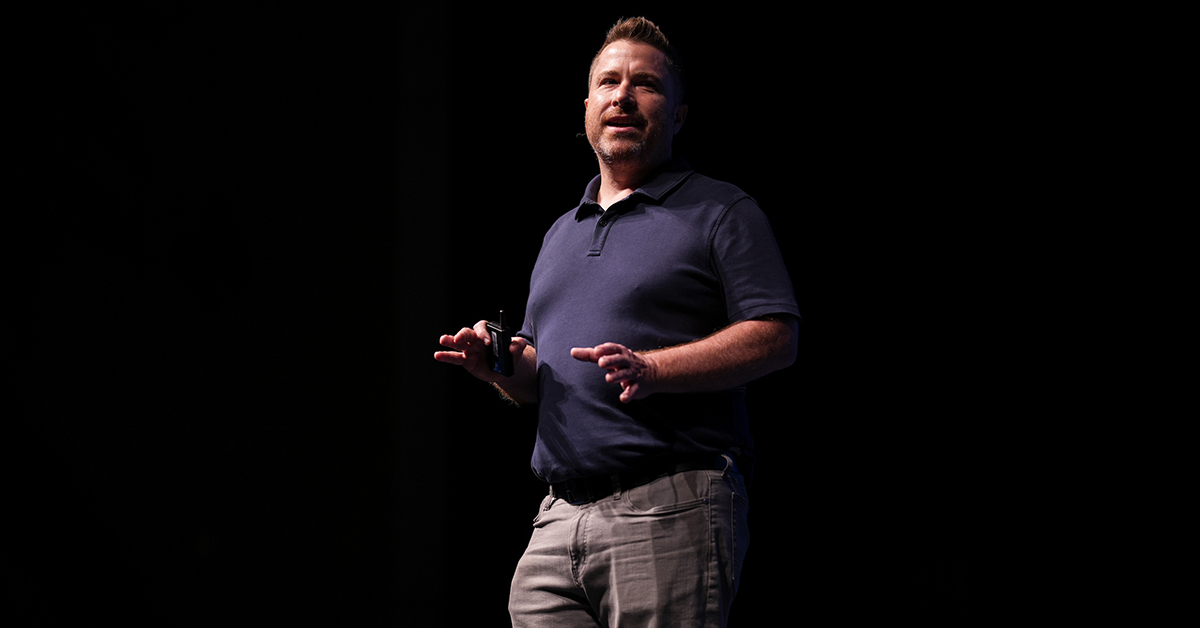
Back at the Power Center, Craig Custance inspired all with stories and insights from his work writing The Franchise: The Business of Building Winning Teams and Behind the Bench: Inside the Minds of Hockey's Greatest Coaches. He focused on three developmental lessons that he had learned from NHL executives Julien BriseBois, Jim Rutherford, and George McPhee. Custance highlighted that from each person he had the opportunity to speak to, he has learned lessons that have affected him personally and the decisions he makes. From his conversations, Custance has found out how many difficult decisions executives have to make and shared the importance of having core beliefs at the forefront of these.
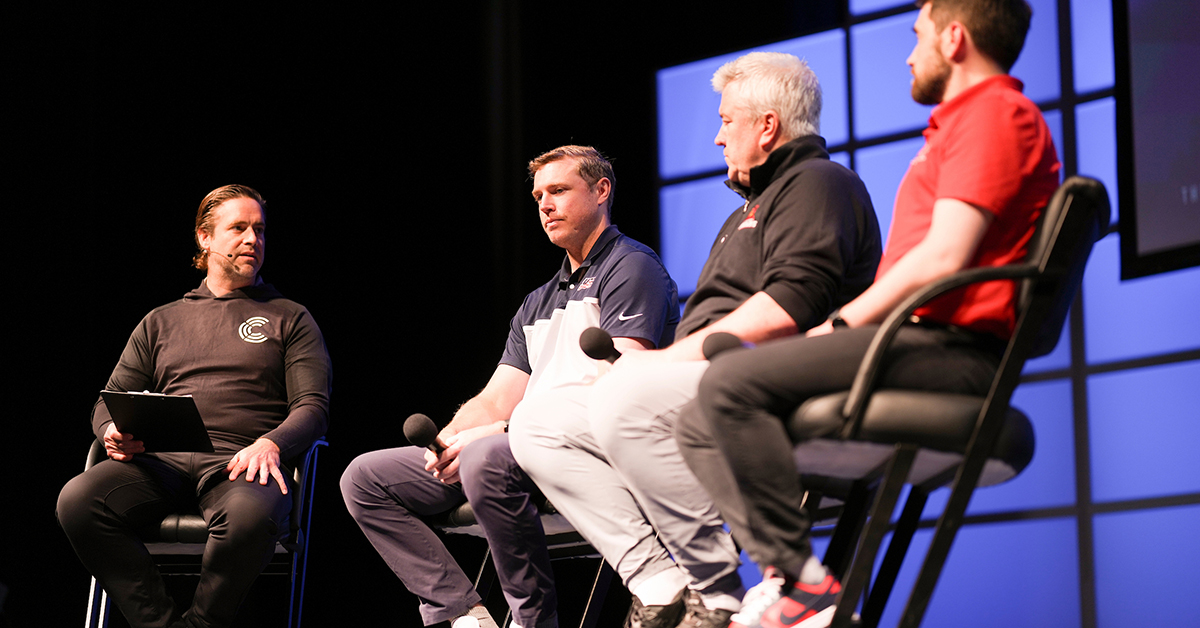
In a different format than the rest of the presentations, Hudl hosted a panel discussion on the use of technology in promoting the development and growth of players. The panel was made up of Conor Allen from the United States National Team Development Program, Kevin Clancy from Cambridge Minor Hockey, Drew Winkler from the Washington Little Capitals Hockey Club, and hosted by Ben Cooper, who is the Head Coach at HC Olimpija. The diversity in fields and plates between the panel opened up an interesting conversation about how technology has improved each of their programs. One of the common themes from the trio was the availability of technology allowing players to take ownership of their development. By having consistent access to video and data, players become participants in their hockey journey rather than passengers.
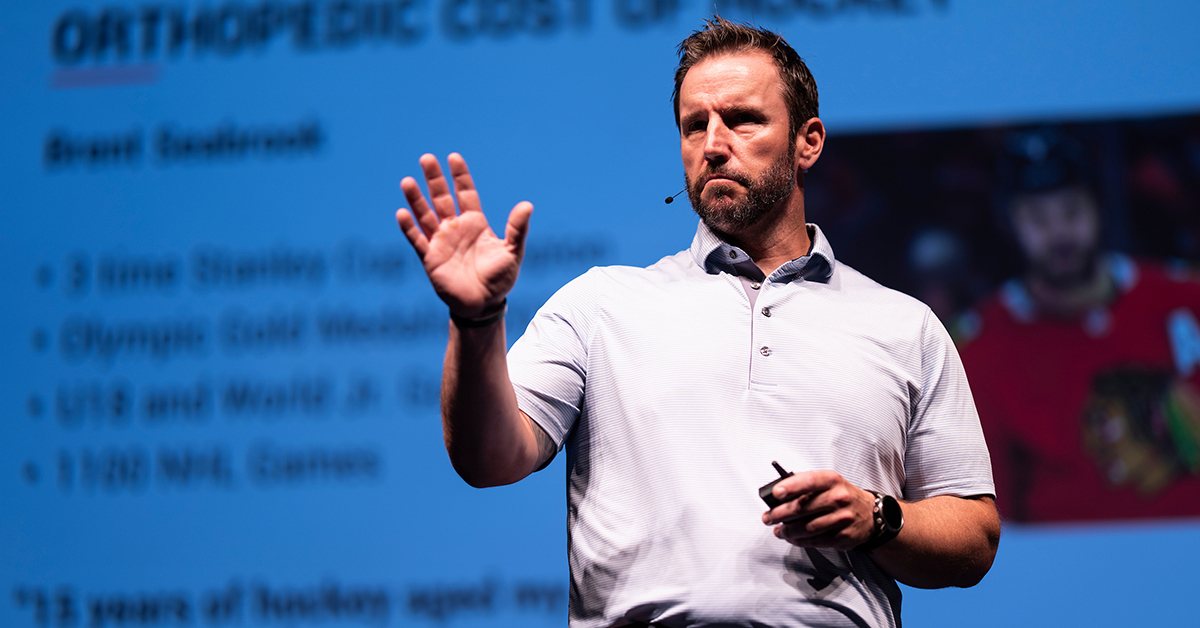
As a performance training coach, Mark Fitzgerald brought his expertise to challenge what we define as success in youth hockey. Fitzgerald referenced the analogy of baking a cake and needing different ingredients and combinations, but in the end, the execution of steps is more important than just the recipe. He used this example to draw into comparison to the current landscape of youth hockey, of focusing solely on sport specialization and overloading on training. Fitzgerald brought his message back to the use of play for young athletes when they are in the pre-puberty age to avoid both injuries and burnout. By holding off on the extra training until the post-puberty stage, youth hockey players have the chance to engage in different movement patterns, which will benefit them long-term.
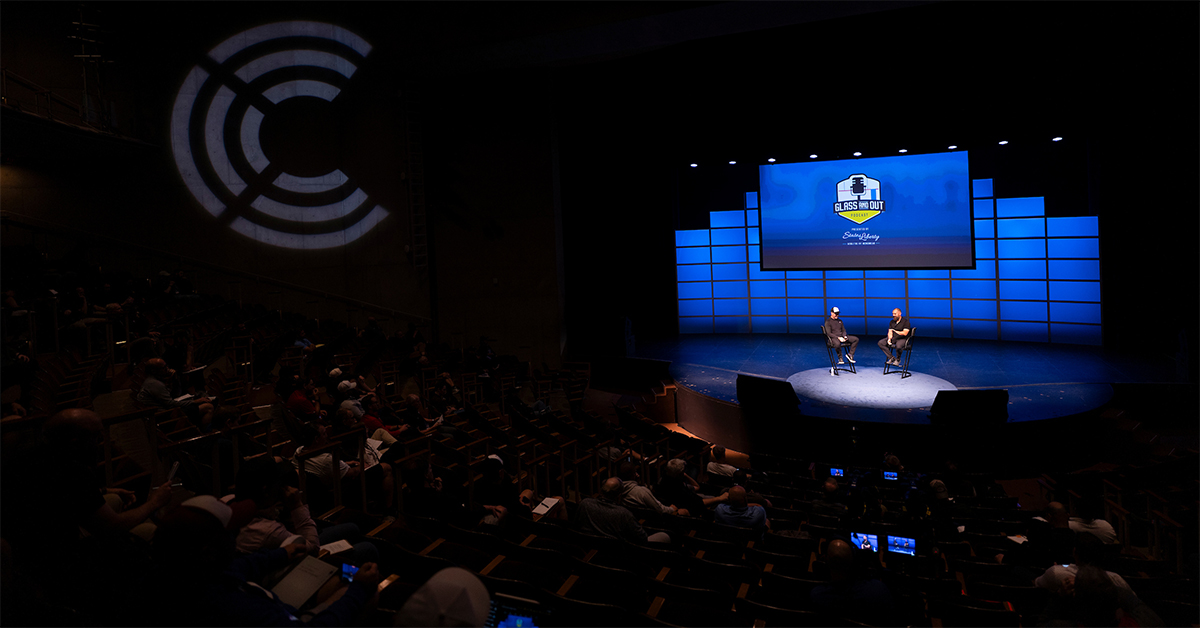
TCS Live 2025 concluded with a powerful conversation between Aaron Wilbur and Calgary Flames Assistant Coach Brad Larsen, who shared his journey of resilience, humility, and faith. Larsen spoke about the influence of his life experiences, including battles with cancer and his early junior hockey leadership roles, in shaping a coaching style focused on intensity, accountability, and appreciation for the game. Emphasizing standards over culture, he drew from mentors like John Tortorella and stressed the value of selflessness, pressure, and identity built through action rather than words. Grounded in his beliefs, Larsen views coaching as a way to serve others, highlighting that true success comes from connection, care, and listening.
 00:00:00
Want to inspire your team and reach new heights? Mark Messier’s iconic career showcases the benefits of the Four C's: Communication sharpens collaboration, Commitment boosts morale, Courage ensures resilience, and Chemistry strengthens unity. Teams adopting these principles can position themselves for long-term success and impactful results.
Effective communication fosters teamwork, ensuring every player knows their role and can work together toward a common goal. In his career, Messier exemplified how communication could unify a team, whether on the ice or in the locker room. He was known for his ability to motivate his teammates, making sure everyone was on the same page. In his book, No One Wins Alone, he explains by approaching Rangers coach Mike Keenan and helping him understand the difference of coaching during the regular season, and how to coach during the Stanley Cup Finals. This open line of dialogue was critical in with the New York Rangers winning the Stanley Cup in 1994.
Commitment is about having the unwavering dedication needed to achieve victory. For Messier, this meant a relentless pursuit of success, marked by hard work and a never-give-up attitude. His leadership played a key role in guiding the Edmonton Oilers to five Stanley Cup championships, including one where he captained the team following the trade of Wayne Gretzky to the Los Angeles Kings. His determination helped the team maintain its winning momentum, demonstrating the power of commitment in overcoming obstacles and achieving long-term goals.
Courage is crucial in facing critical moments head-on, where fear must be overcome to seize opportunities. Messier's bravery was a defining feature of his career, none more so than during the New York Rangers' 1994 Stanley Cup run. In game six of the semifinals against New Jersey, he boldly guaranteed a victory and then delivered a hat trick to help lead the Rangers to win. This moment of courage was vital in securing their first Stanley Cup in 54 years, illustrating how bravery in high-pressure situations can alter the course of history.
Strong relationships and trust among players ensure that each member is supported, both on and off the ice, leading to enhanced performance. Messier excelled in nurturing these bonds, understanding that a united team is far more formidable than any collection of individual talents. His ability to bring out the best in his teammates was pivotal to his team's success. This camaraderie allowed players to collaborate effectively, elevating their game and contributing to their numerous championships.
The principles of Communication, Commitment, Courage, and Chemistry extend beyond the rink and can be powerful tools in everyday life. In business, clear communication can streamline operations and foster a productive environment. Commitment to goals can drive projects to completion, while courage allows leaders to take necessary risks. The chemistry within teams leads to better collaboration and innovation. Whether in personal growth or professional settings, these Four C's can help individuals navigate challenges and achieve success. By embodying these values, one can cultivate stronger relationships, inspire others, and attain remarkable results in various fields.
 00:00:00
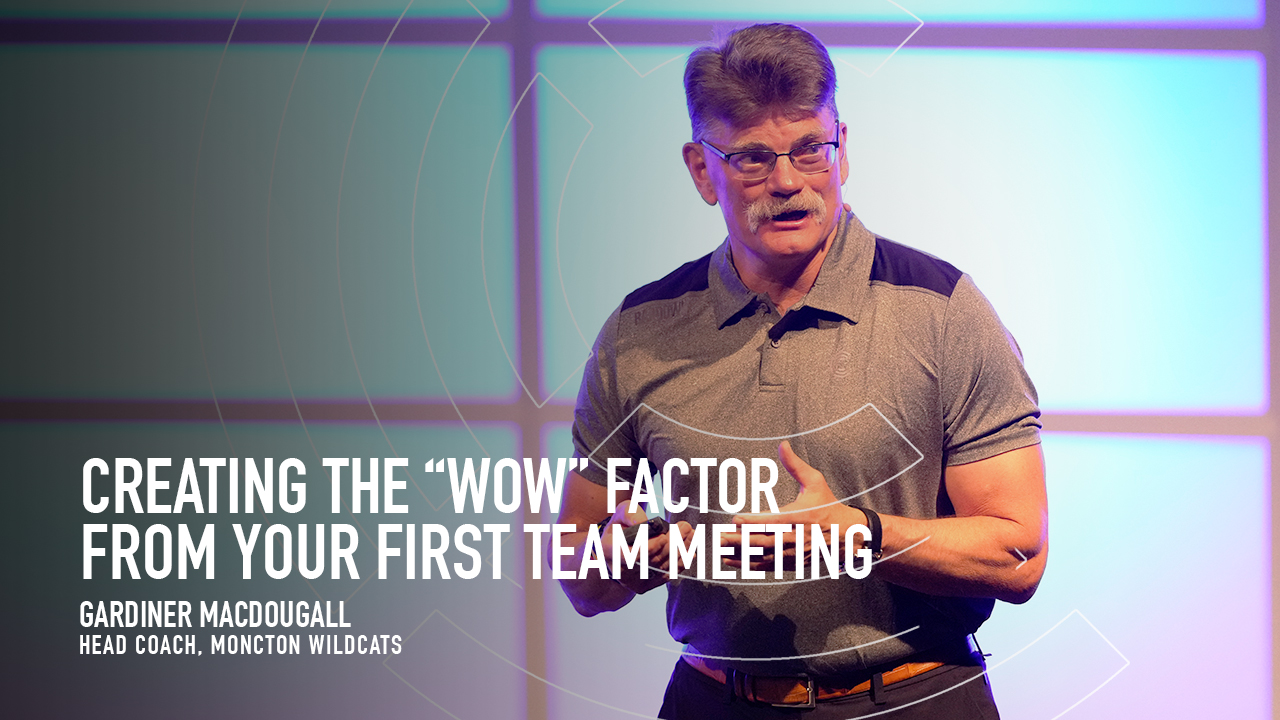
A former assistant coach of Gardiner’s described him as the Ted Lasso of hockey. I asked more about him and the coach told me he used every opportunity in a day to build team chemistry and bonds between the players themselves as well as between the players and coaches. What are you doing with your teams daily to promote this kind of relationship?

End of content
No more pages to load
copyright (c) 2026 The Coaches Site