
Explore the complete series to learn how each system works:
Or start with the complete guide to defensive zone coverage, which compares all three systems and explains when coaches choose each one.
What is defensive zone coverage in hockey?
Man-to-Man Defensive Zone Coverage
The most important detail in man-to-man defensive coverage is knowing your assignment. Who are you responsible for covering? As long as each player understands their defensive assignment, the only way to get beat by the offensive players is through sheer skill, which happens often! The essence of this coverage is that each player identifies their target in coverage and stays with them anywhere in the defensive zone until the puck is retrieved.
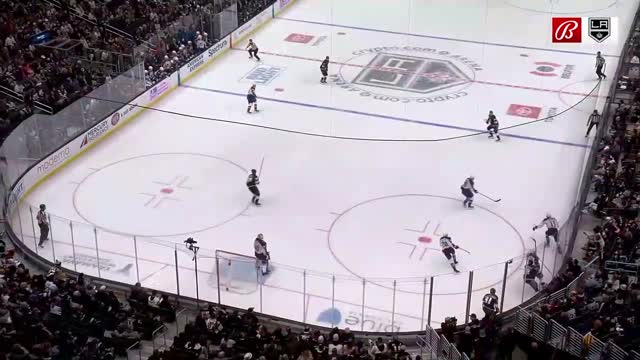
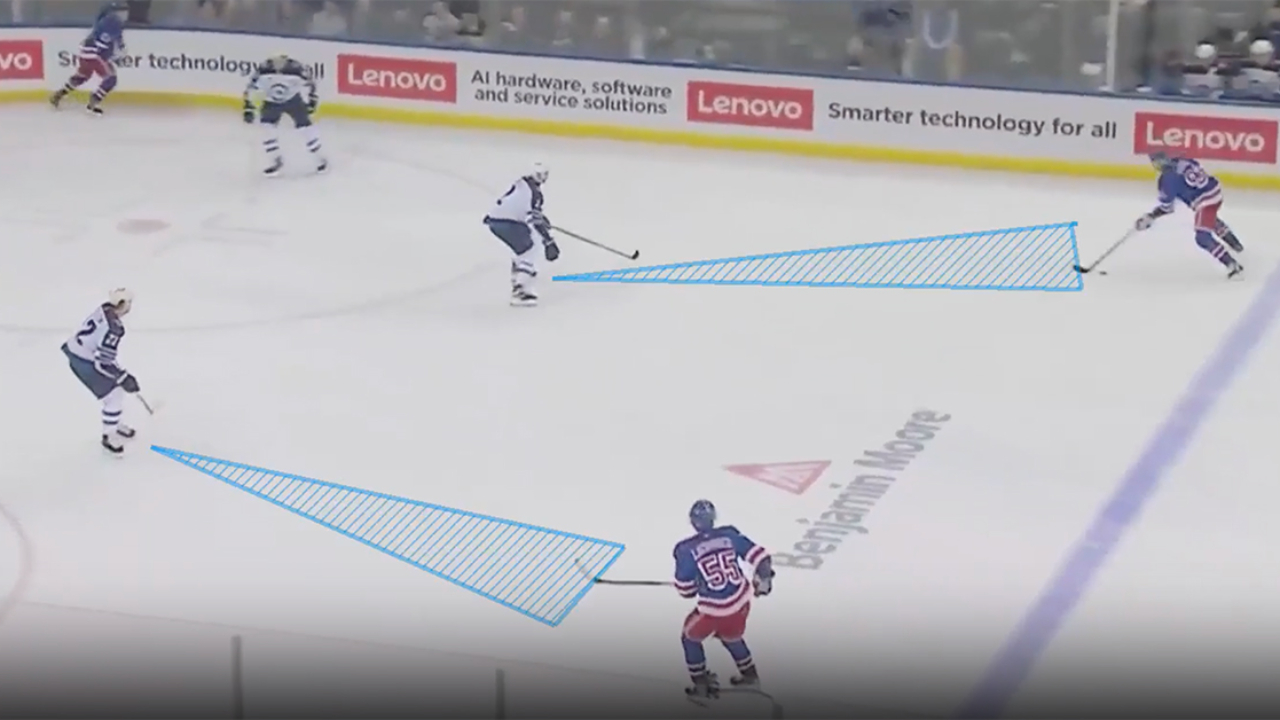
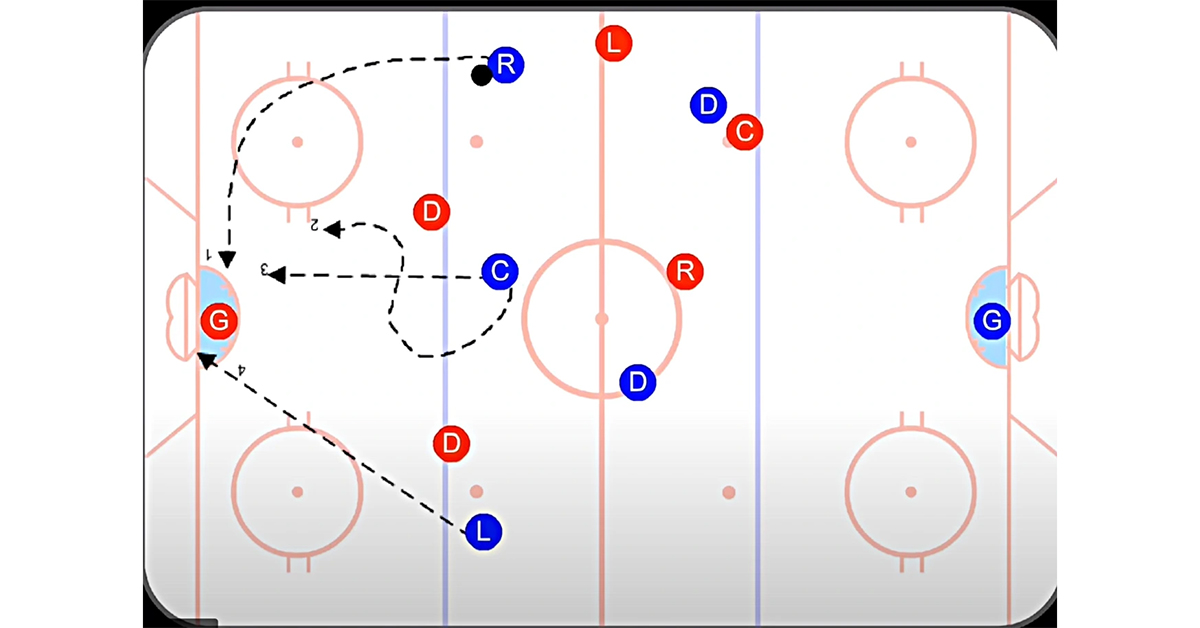
The best way to see what it looks like is through two snapshots. The first is a picture of where the puck might start: down low in the corner.
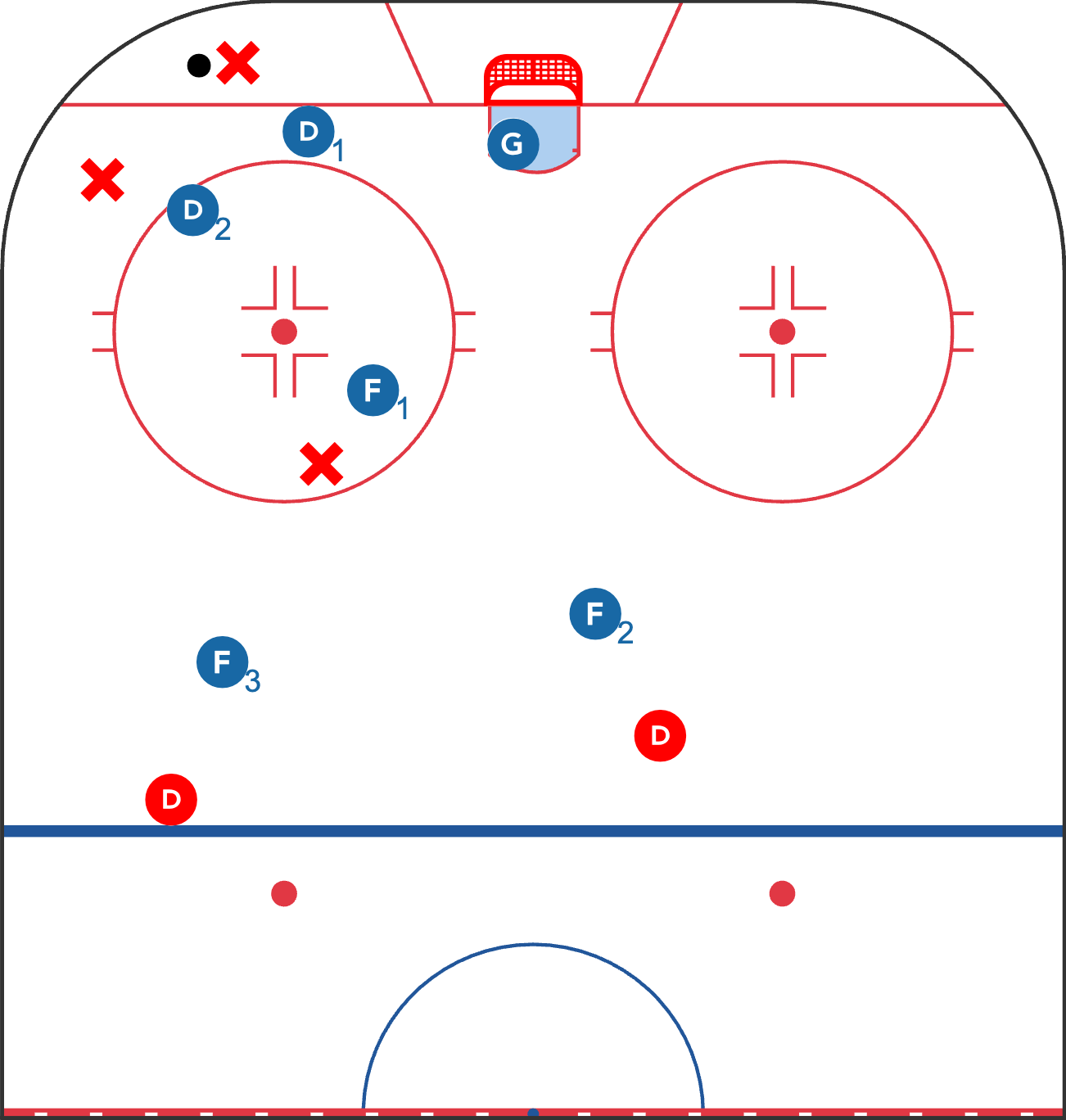
Now, when the puck starts moving, from the defensive coverage perspective, whoever you're covering, that's your player! Stay with them! Position doesn't matter; follow them around until you get the puck back or one of your teammates gets the puck back.
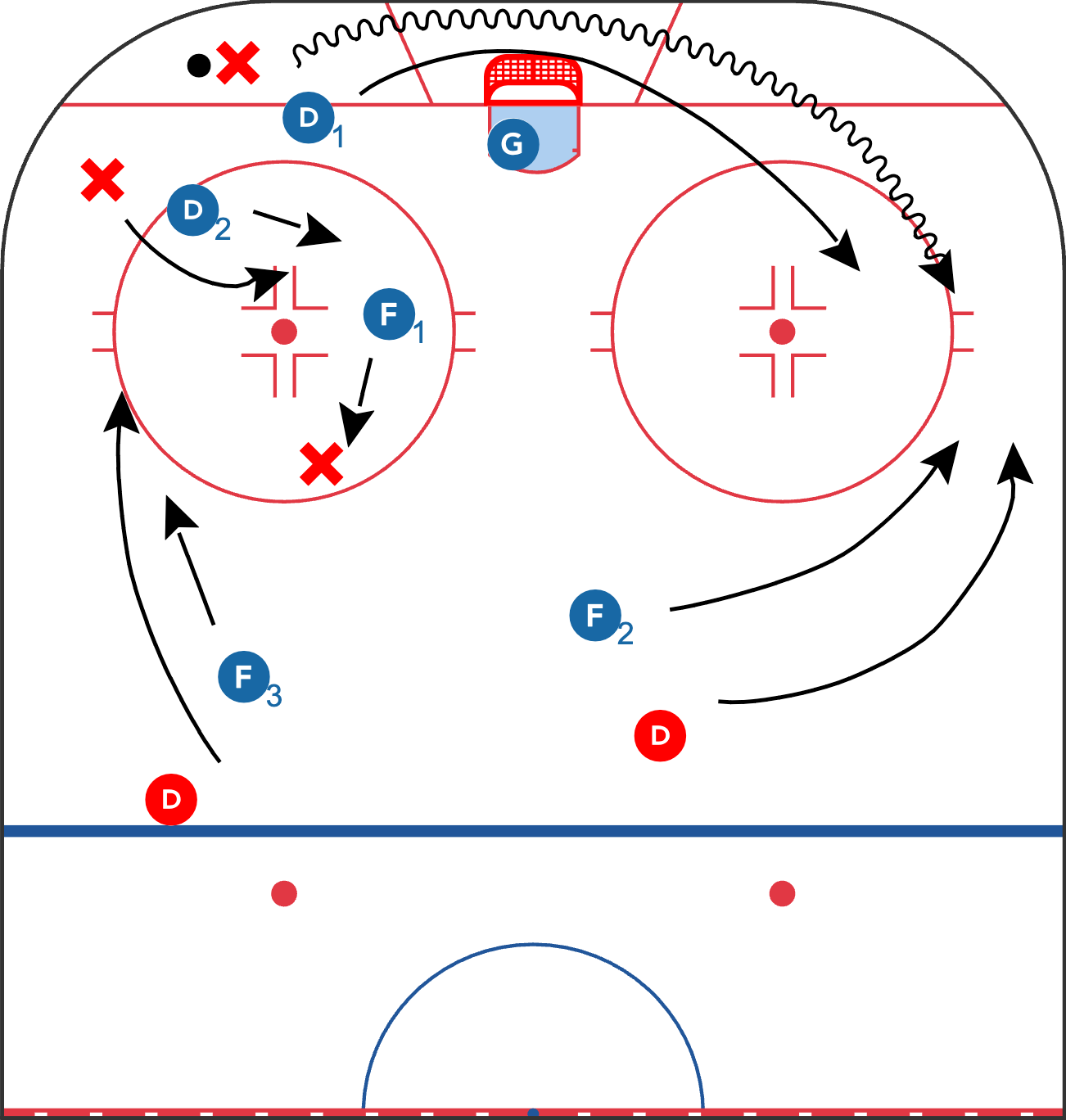
What are the benefits of using man-to-man defensive zone coverage?
It looks busy, and it is. But the effort is more physical than mental. There are fewer position-related restraints, so players don’t have to think as much. They’re just reacting to what their check is doing. Just follow them around! Players with above-average skating and conditioning excel in man-to-man coverage.
What are the disadvantages of using man-to-man defensive zone coverage?
What happens when you try to defend a creative team of offensive-minded players? When a team runs an offensive zone scheme that sees them making constant switches, it can put a large tax on the defenders. Chasing around fleet-footed skill players is hard work! It can lead to physical breakdowns that skilled players can exploit, whereas zone coverage, on the other hand, will keep those skilled players to the perimeter and ideally eliminate dangerous chances in the low slot. That’s the tradeoff.
What are the forward responsibilities for man-to-man defensive zone coverage?
The forwards have the same central concept as the defencemen: stay with your check! The difference lies in how old or experienced the players are. Twenty-five-year-old forwards might have a more challenging time learning new habits than a young minor hockey player. Generally, wingers want to cover the opponent’s defencemen. If that defenceman joins the play deeper in the zone, they stay with them.
What are the defencemen and centre responsibilities for man-to-man defensive zone coverage?
The opposite is true for the defencemen and centres as well. They will just likely be more comfortable in coverage down low in the corners and in front of the net.
Regardless of the position, another challenge with man-to-man coverage is the different defensive skills required in different areas of the ice. For instance, to defend in front of the net, you need to use your stick well to tie up opposing forwards. This is a skill most defencemen should learn in minor hockey, but not a lot of forwards might possess this experience.
And just like the wingers, if a player is covering a puck carrier in the corner and they skate all the way up to the blue line, what do you do? That’s right, follow them and get the puck back!
Which coaches use man-to-man defensive zone coverage effectively?
Coaches who deploy man-to-man coverage have a good understanding of their team’s ability to skate and check, while also being aware of the skill set of the opponent. Maybe you play in a league where players don’t make a lot of plays under pressure. In that case, the pressure of this scheme is worth the effort.
What skills or strengths does a team or player need to run man-to-man defensive zone coverage?
Skating and gap control are the most important skill sets for man-to-man coverage. The faster a defender skates, the more likely they are to check their opponent.
You can watch a thorough breakdown with NHL examples from long-time NHL coach Glen Gulutzan here.
Which teams are the best examples?
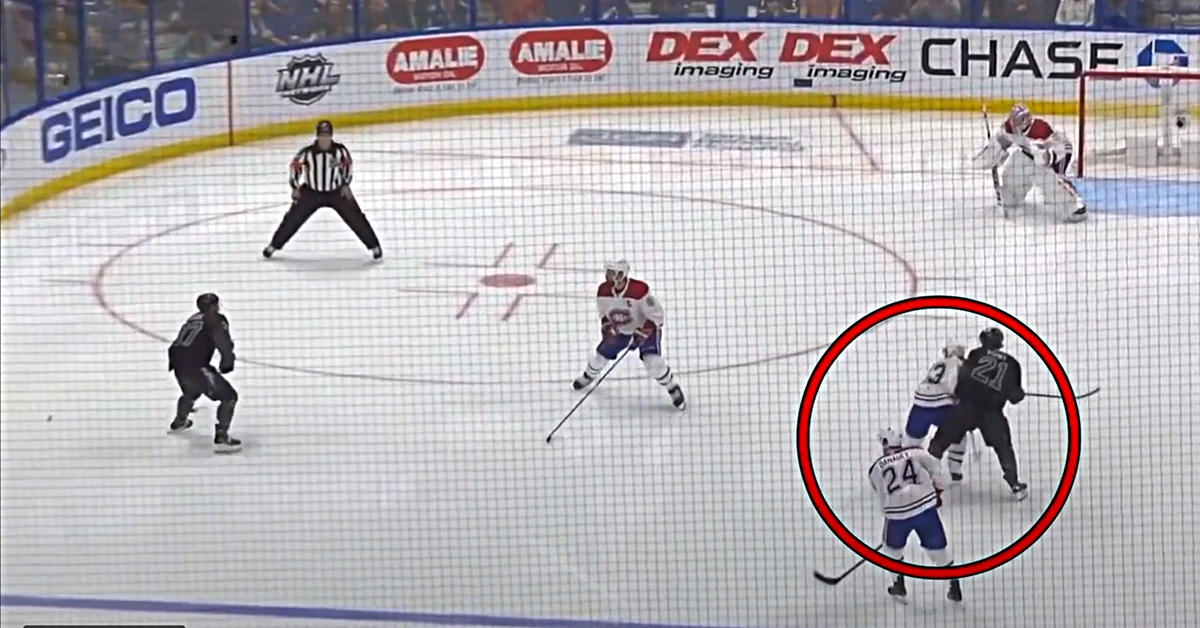
The most famous recent example of man-to-man coverage comes from the 2026 Stanley Cup Champion Carolina Hurricanes. Carolina played a relentless man-on-man coverage style in the playoffs, and it paid off on the biggest stage in the game. Watch how the Hurricanes (in black) identify who they’re responsible for and then follow them everywhere in the zone until they get the puck back.
What types of defensive zone coverage are there in hockey?
Man-to-man coverage is one approach to defending your own end, but it's not the only option available to coaches. The best coaches choose a system that fits their roster, their philosophy, and the situations they'll face throughout a season. Understanding the strengths and tradeoffs of each approach will help you decide which one is the best fit for your group.
Explore the complete series to learn how each system works:
Or start with the complete guide to defensive zone coverage, which compares all three systems and explains when coaches choose each one.