When I was in second grade, I started taking piano lessons. I stayed with it until about fourth grade when I had to make a choice. Piano lessons were at the same time as hockey practice.
Given that I'm not a concert pianist, it's easy to see hockey won.
I didn't realize it at the time, but what I learned in piano lessons would eventually make me a better hockey player and coach.
Years later I saw the movie August Rush. There's a scene where the little boy hears rhythm in everything around him. Traffic, voices, wind. He hears how all the sounds start to connect and blend together.
That scene stayed with me.
Hockey players do something very similar.
The really good players don't just see the game. They feel the timing of it. And honestly, I think timing is one of the hardest things for coaches to teach.
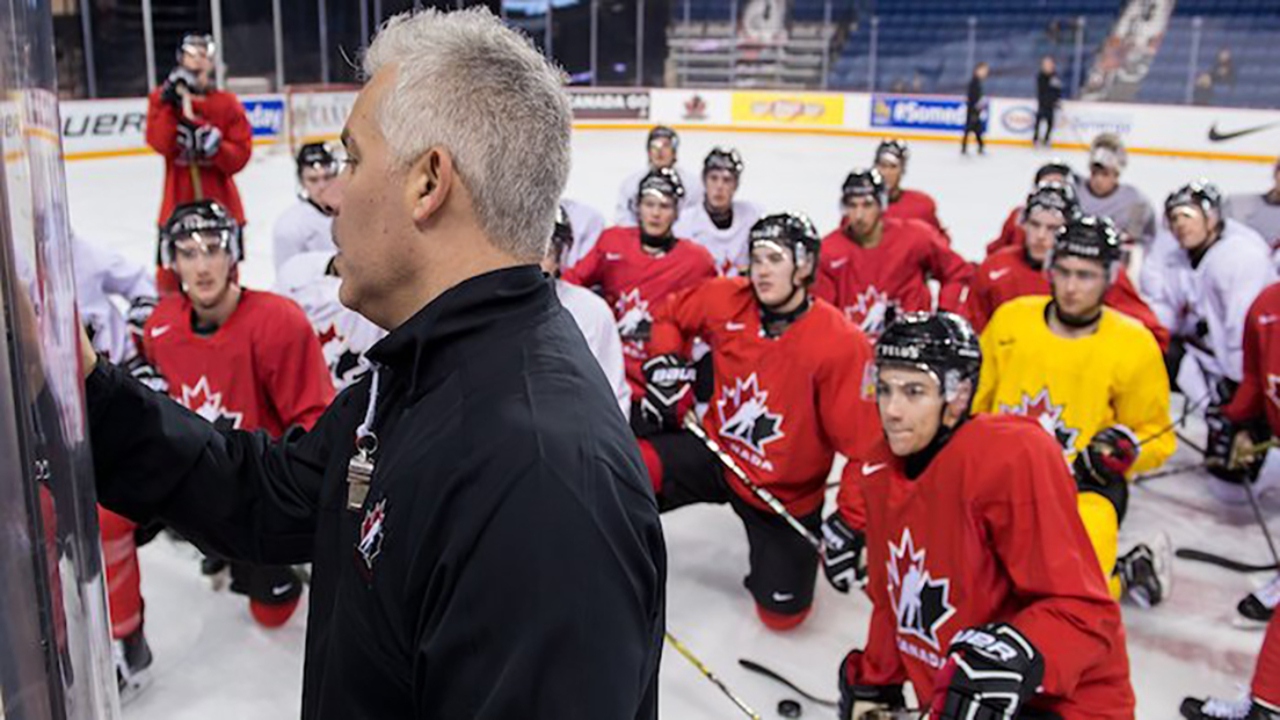
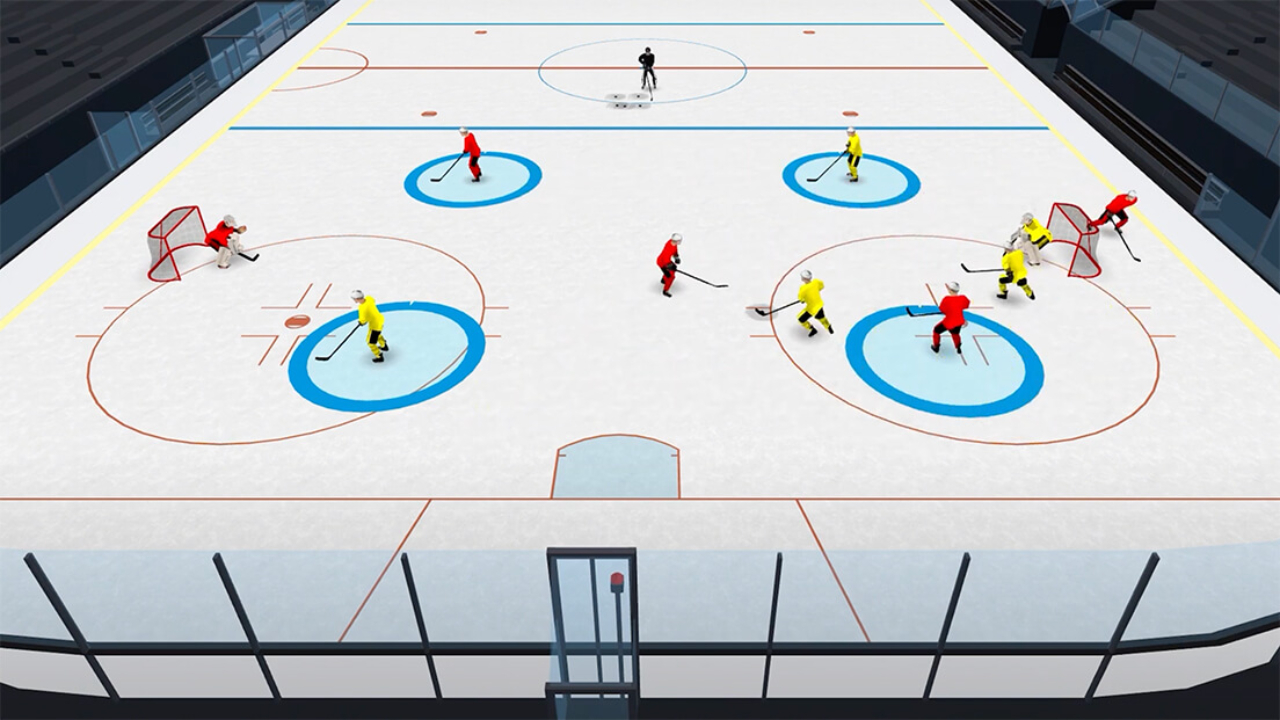
Most coaches can teach systems. We can draw zone exits on a board. We can teach positioning, routes, and responsibilities. But hockey is not really played on a whiteboard.
The game is played in rhythm.
One thing musicians understand is that fundamentals never go away.
A concert pianist still practices scales. A guitar player still works on finger placement and rhythm. They don't do it because they've forgotten how. They do it because fundamentals are what allow everything else to happen.
Hockey is no different.
If you walk into a rink early enough, you'll often find the best players working on the same things young players are working on. Edgework. Puck touches. Passing. Shooting. The basics.
The funny thing is, the better the player, the more likely they are to respect the fundamentals.
Maybe that's because fundamentals create confidence. Maybe they create consistency.
Or maybe they create timing.
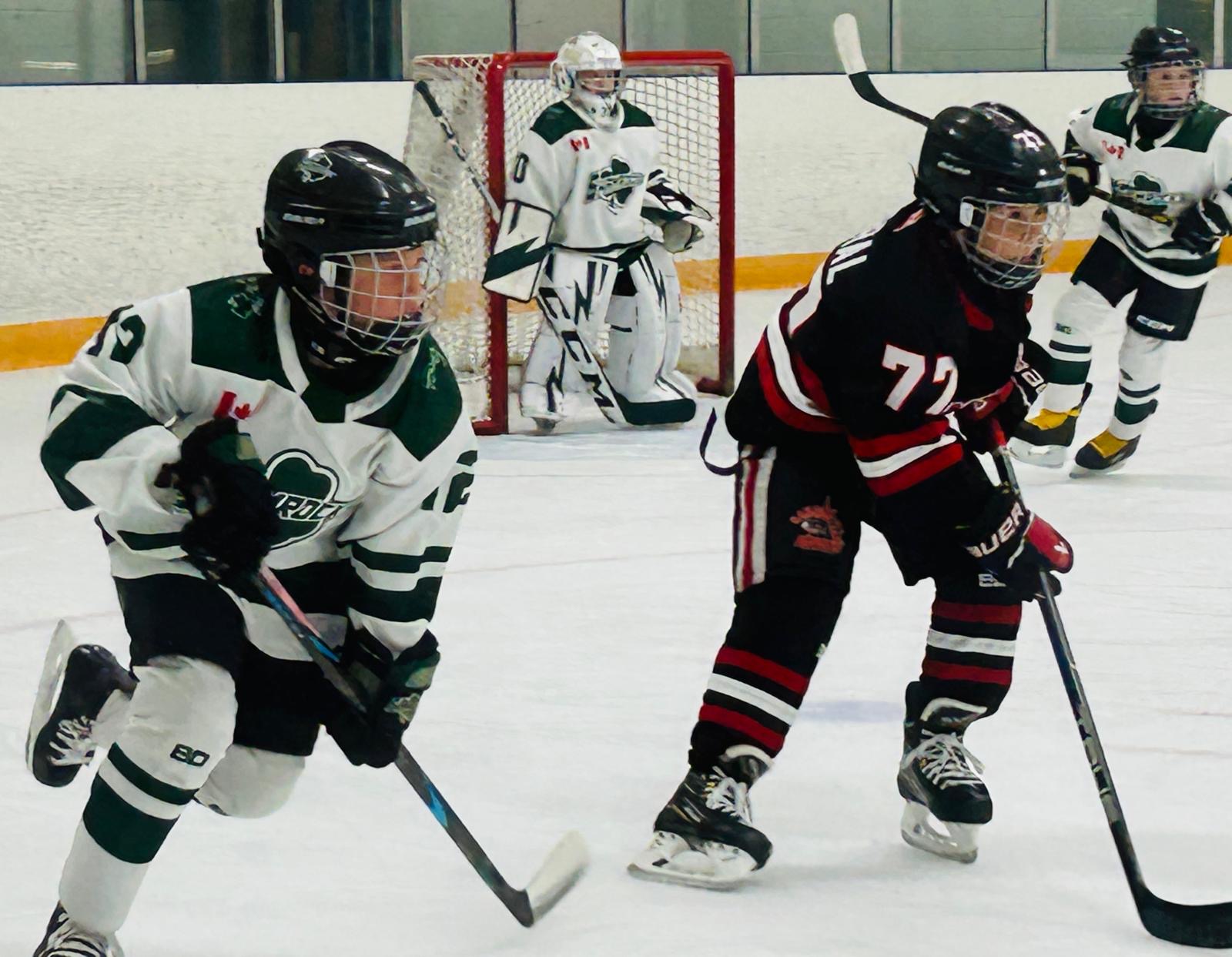
On the best teams, the players are like notes coming together to make a cohesive piece of music. One player pressures, another supports, another fills space. Good offensive teams attack in waves because players arrive at the right time. Defensively, the best teams don't look rushed. Pressure and support seem to come together naturally.
Everyone is connected.
Then you watch struggling teams and everything feels off. One player attacks too early. One supports too late. A defenseman backs in too slowly. A winger leaves the zone too quickly.
The whole rhythm breaks down and suddenly everyone is playing individually instead of together.
We've all seen it. Sometimes you can feel it happening before the play even develops.
I remember watching Hoosiers years ago and there's a scene where Coach Dale talks about what he wants his basketball team to become: not just talented players, but five players functioning together.
That always stuck with me because every great team I've coached felt that way. Not necessarily the most talented team. Just five players functioning together.
Not perfect.
Connected.
Honestly, I'm not sure coaches always know how to teach that part. Rhythm is hard to diagram. Timing is more of a feeling than a system.
Musicians understand this naturally.
A piano player can hit every correct note and still sound terrible if the timing is off.
Hockey works the same way.
A team can have talented players, good systems, and speed, but if the timing is missing, their play feels disconnected.
Another thing musicians understand is that mistakes are part of performing.
During concerts, musicians make mistakes all the time, but they don't stop performing. They recover, play the next correct note, and keep going.
Many in the audience never notice.
Hockey players, at times, do the opposite.
One turnover and suddenly their body language changes. Heads drop. Sticks slam. Players turn off for the next play.
The initial mistake usually hurts less than the reaction to it.
Watch great players after mistakes sometime. They recover fast and get right back into rhythm.
One more thing music teachers probably understand better than hockey coaches is that if learning becomes all drudgery, eventually people stop loving it.
That one hits youth hockey pretty hard right now.
The best coaches I've been around push players without making them hate coming to the rink. That's not easy to do.
But when players enjoy learning, they stay engaged longer, and they stay creative longer too.
As coaches we can get so focused on systems and structure that we forget hockey is supposed to flow.
The best hockey I've ever watched looks like music. Five players seeing the play, feeling the rhythm, and reacting together.
Now, every coach has their own philosophy. Every team is different. What works for one coach may not work for another.
I don't pretend to have all the answers on how timing should be taught.
What I do know is that after spending most of my life around hockey, I've become convinced that timing matters more than we often talk about.
The best teams I've coached weren't always the fastest teams or the most talented teams.
They were the most connected teams.
They seemed to move together. Think together. Support each other naturally.
Almost as if they were all hearing the same music.
Mike Schwartz is a USA Hockey Coach Developer, former NCAA Division III head hockey coach, past AHCA Board member, and founder of Eastwood Financial. After more than 25 years behind the bench, he continues to study leadership, player development, and the role timing plays in hockey performance.