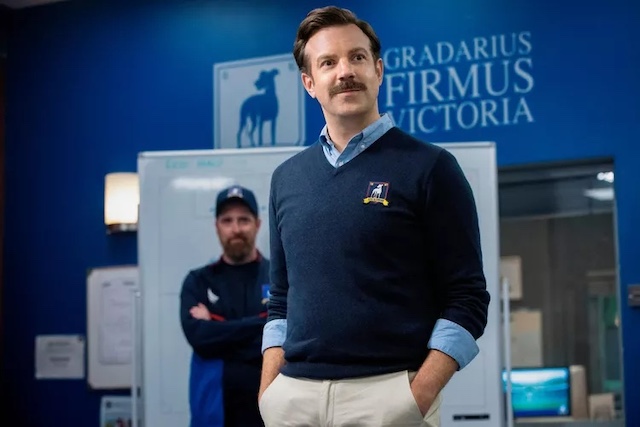
“You can’t let the dog wag the tail.”
“Don’t let the inmates run the asylum.”
Hockey has long been filled with phrases like these—clichés that reinforce a traditional, top-down leadership model.
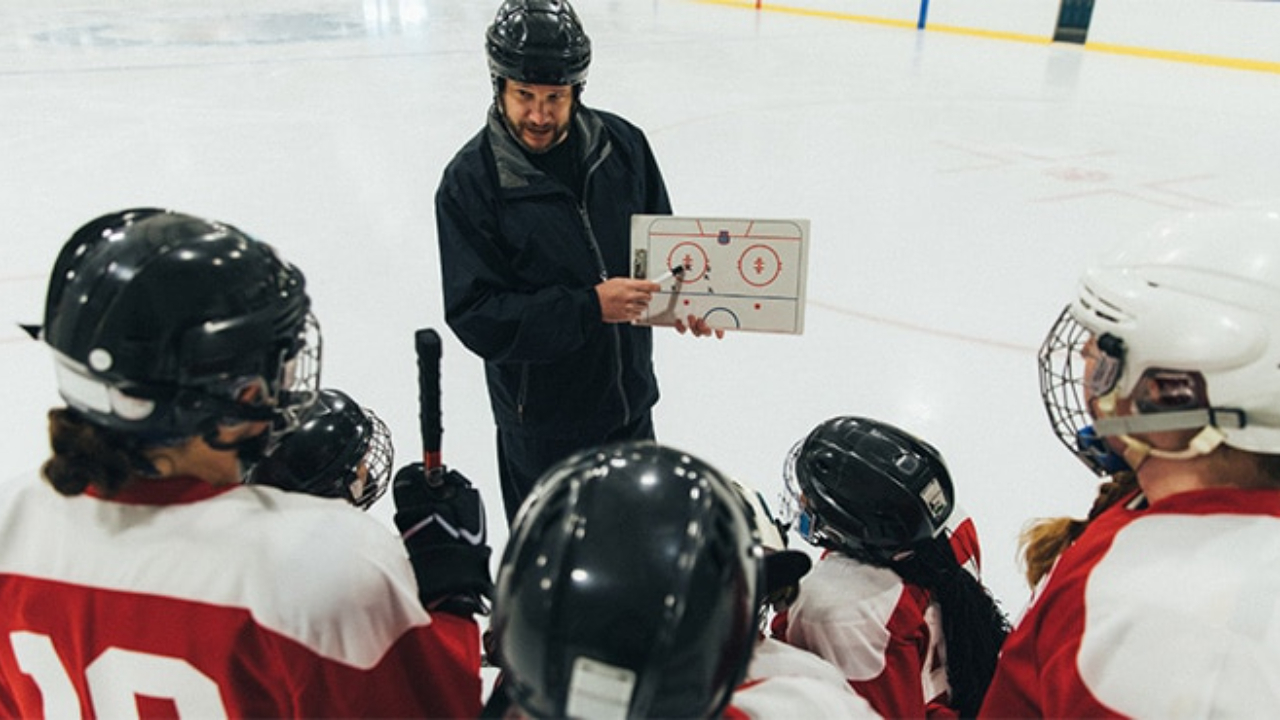
For decades, the autocratic and didactic approach to coaching dominated the game. The hard-nosed, grizzled vetran coach positioned as an unquestioned authority. The players expected to follow, not contribute.
The game has evolved... in so many ways, and yet this mindset remains.
Personally, I tend to lean in a different direction.
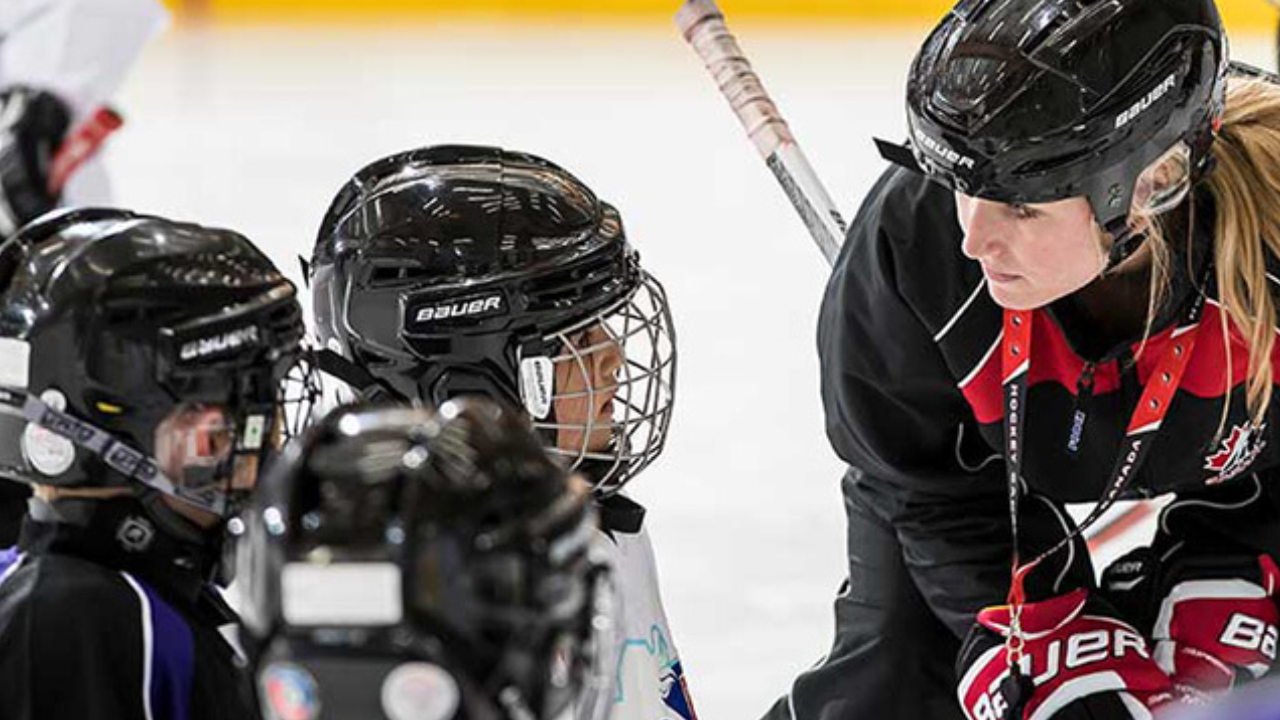
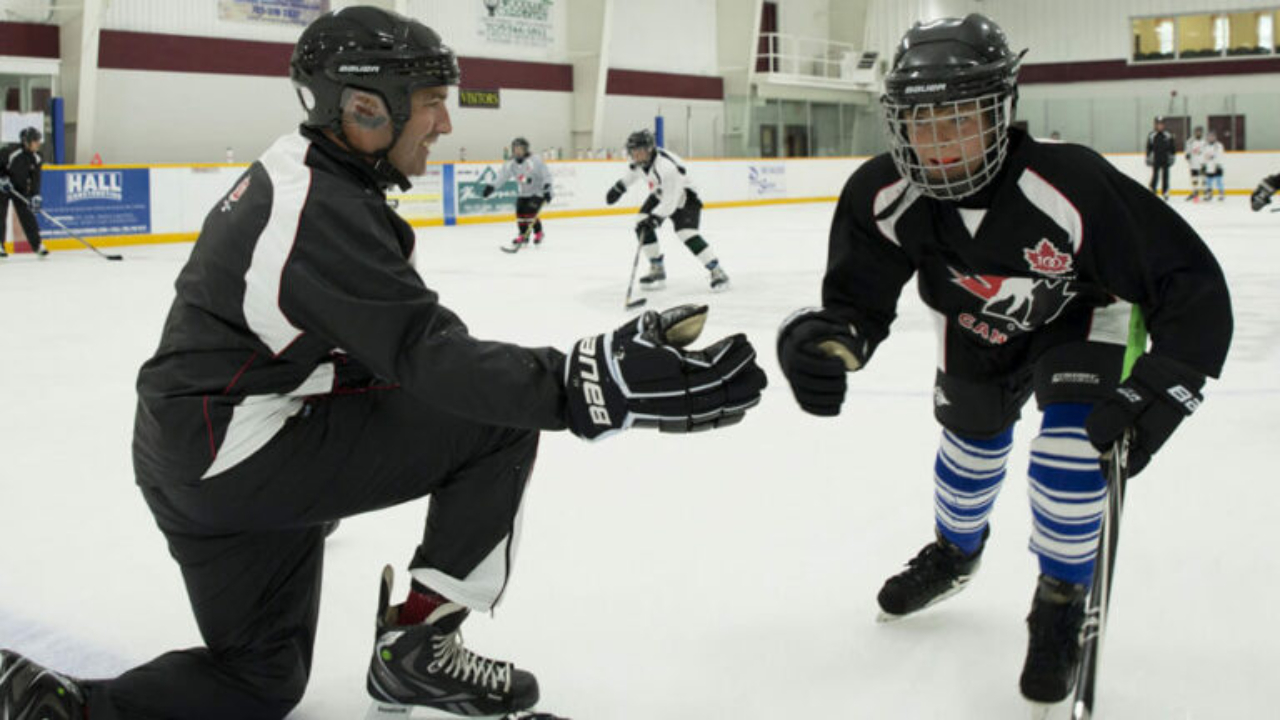
My bias is toward a player-centered model, where the coach serves less as a commander-and-chief and more as a facilitator of growth and performance—a guide, a mentor, even a servant-leader.
This approach, is modern. It begins and ends with the athlete: their needs, their readiness, their development pathway. The goal is to create an environment where players can thrive by delivering the right things, at the right time, for the right individual.
But let’s be honest—no single leadership model is enough in today’s game.
Modern hockey demands flexibility. It demands awareness. It demands adaptability.
The reality is that effective leadership is context-dependent. There are moments when clarity, direction, and authority are essential in the game —when a coach must be decisive and directive. And there are other moments when collaboration, shared ownership, and open dialogue unlock the best in a team.
The most effective coaches I’ve observed—and tried to emulate—shift along this spectrum with intention. They recognize when to step in and when to step back. When to lead from the front, and when to empower from within.
This is the essence of a contingency-based leadership model: understanding that leadership isn’t fixed—it’s fluid. It responds to the situation, the environment, and most importantly, the people involved.
So maybe the real question isn’t whether the dog is wagging the tail…
Maybe it’s whether we’re paying close enough attention to know when that might actually be the right thing.
I’m curious—how do you approach leadership in your environment?
Do you lean more toward structure and control, or collaboration and flexibility?
And how do you decide when to shift between the two?
Let’s hear your perspective.