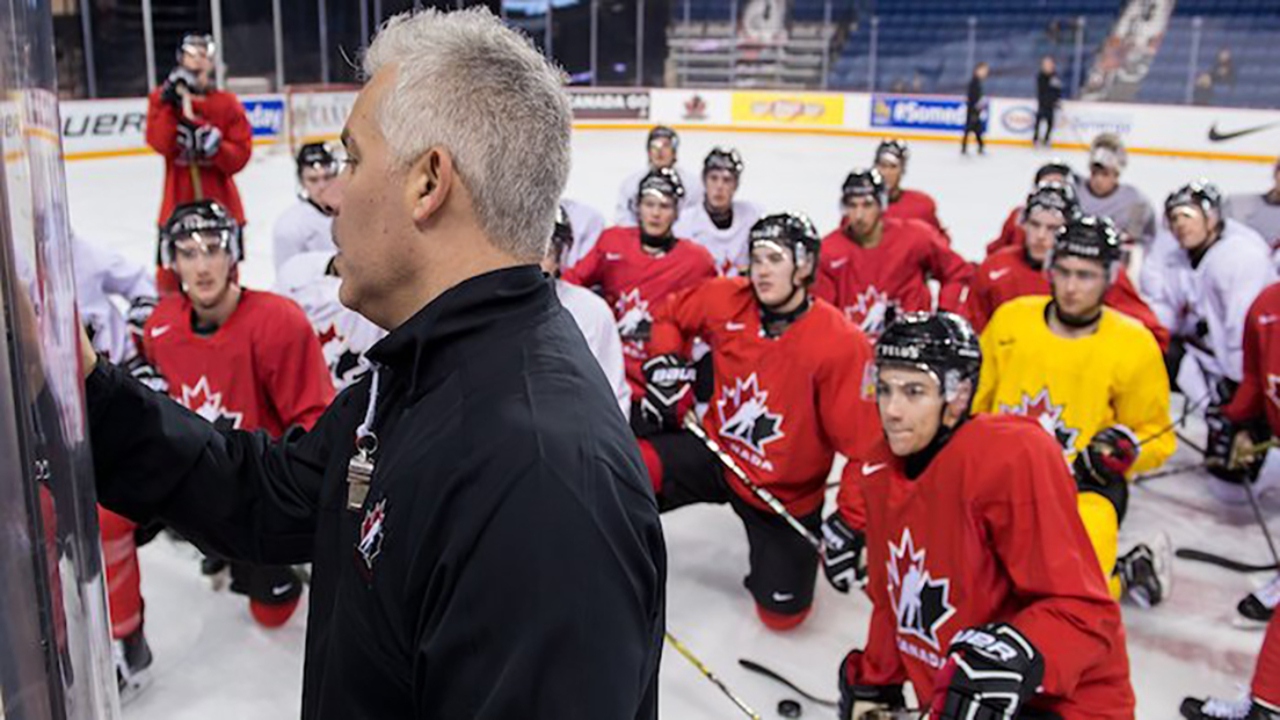
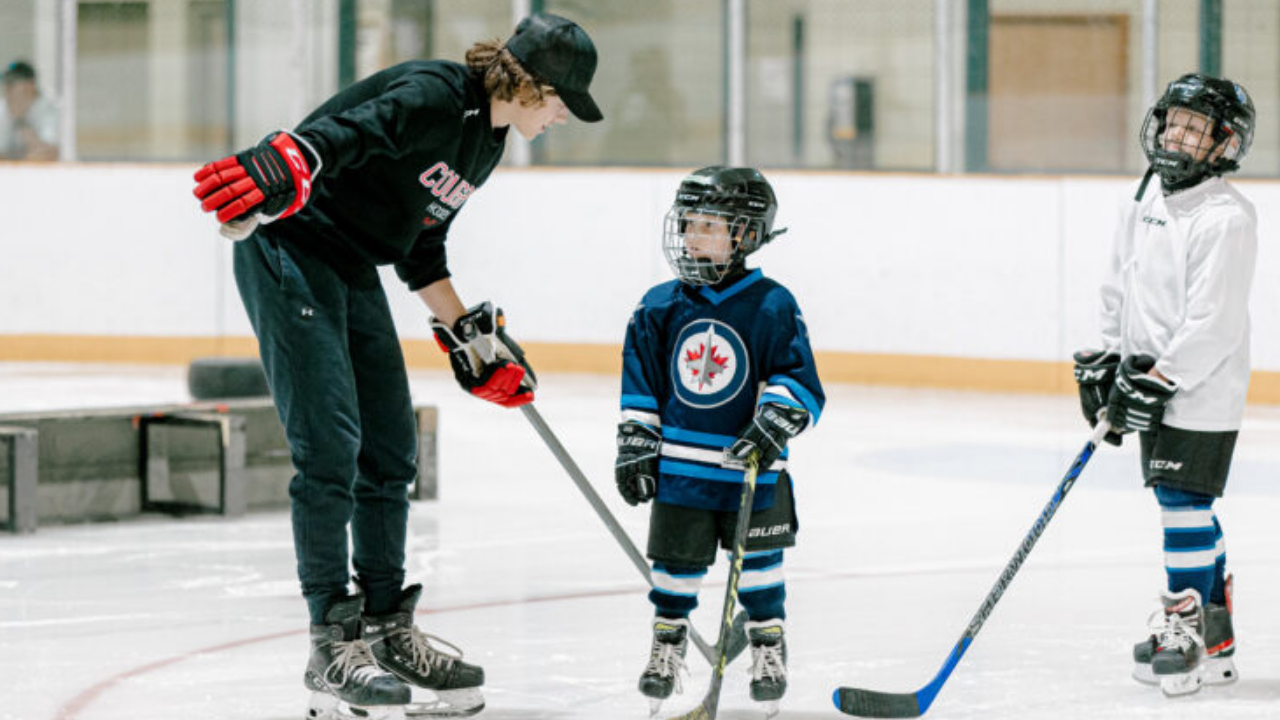
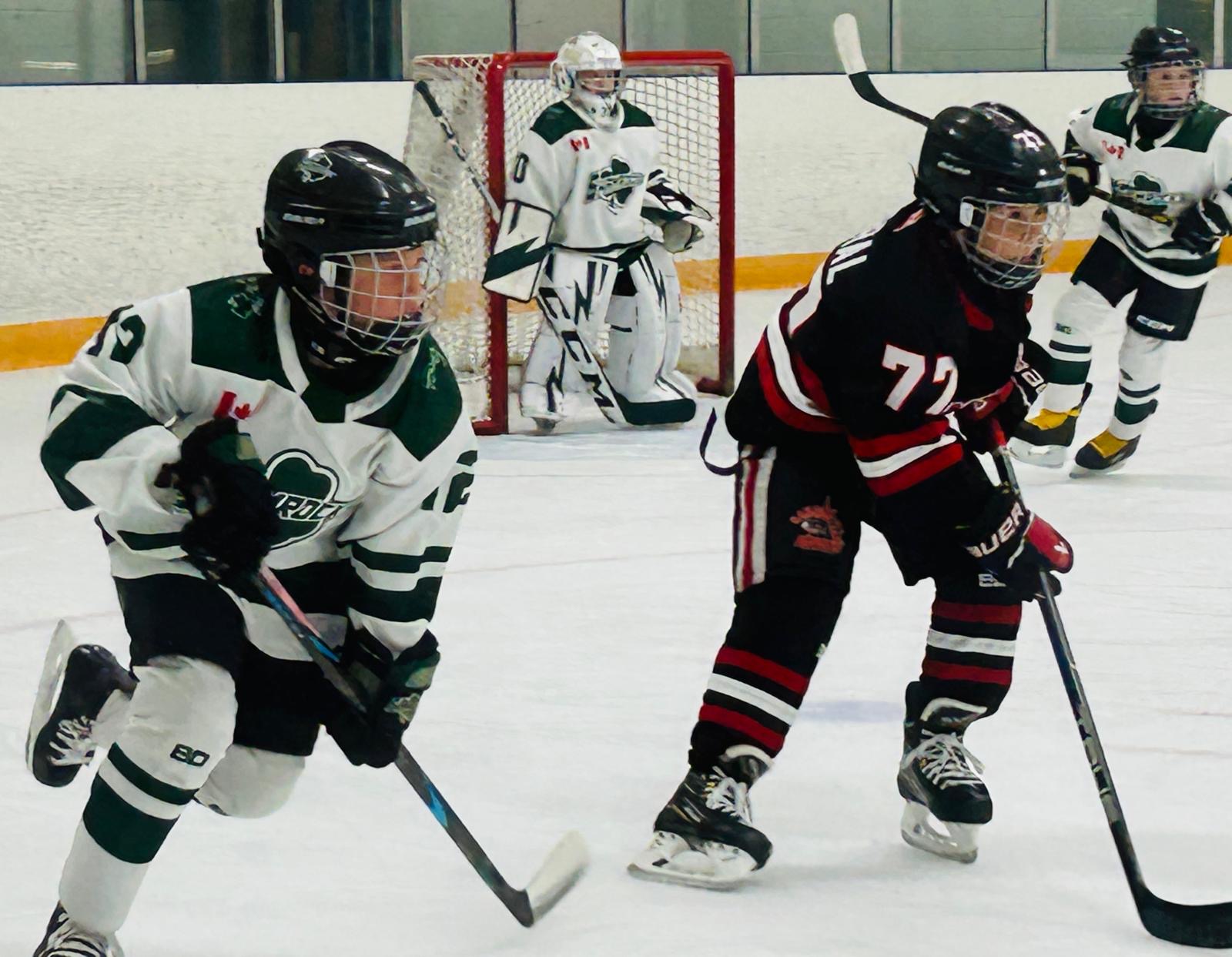
This past weekend, I had the opportunity to be a guest coach at the U15 OHF/OHL Program of Excellence in Brampton. It was an experience I was extremely grateful to be part of, and one that I will take a lot from as I continue to grow as a coach.
Going into the weekend, I would be lying if I said I was not a little anxious. I wondered if I would be able to provide value, add to the players’ experience, and still take away knowledge for myself. When you step into an environment filled with some of the best 2027 OHL Draft eligible players, top-level coaches, and a high standard, you want to make sure you belong and that you are contributing in the right way.
What I quickly realized is that being a little uncomfortable is probably a good thing.
For me, this was a chance to be surrounded by elite players and see how they work, how they compete, how they behave, and how they respond in that kind of environment. As I move into supporting a U16 program this coming season, and as my long-term goal is to continue growing toward the junior and professional levels, this weekend gave me a chance to see and be part of a level higher than anything I had previously experienced.
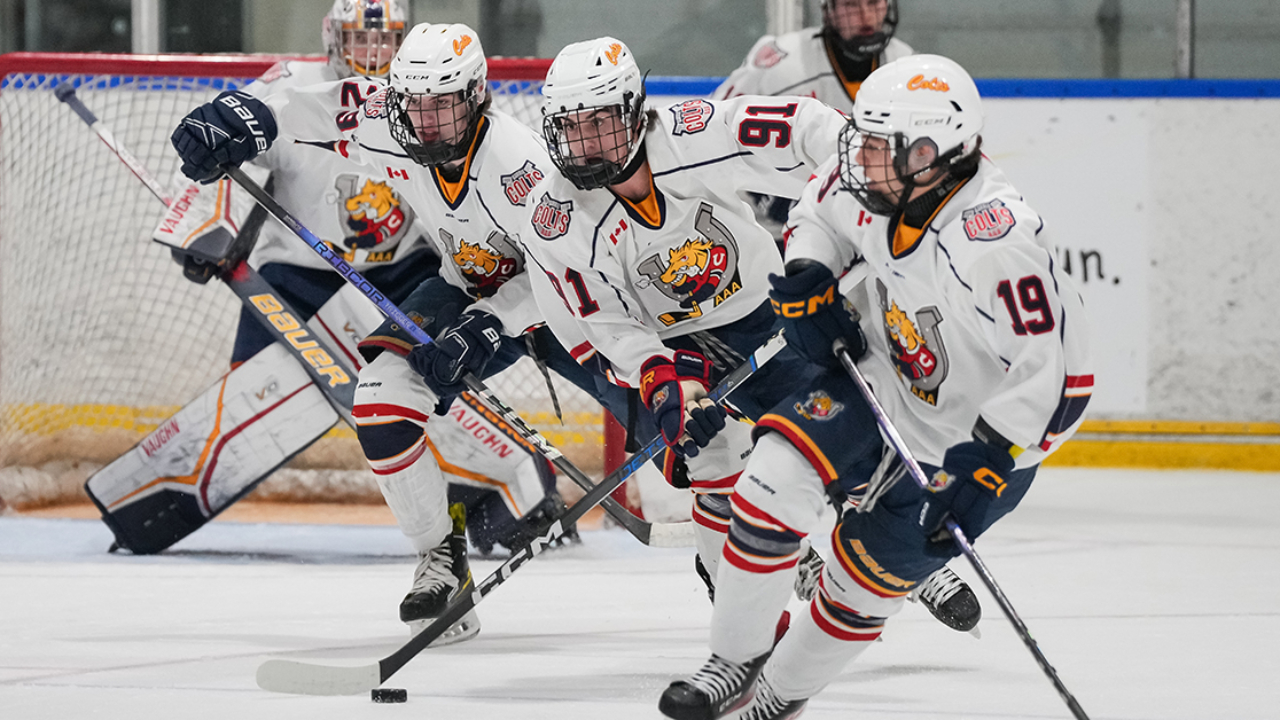
The environment was intense, hockey-focused, and genuine. The players were dialed in. The pace was high. The standard was clear. There was not a lot that separated players when it came to pure skill. Almost every player could skate, shoot, pass, and handle the puck at a high level.
That was probably my biggest takeaway.
At that level, everyone is talented.
The difference becomes the smaller details.
Every player at the event had high-end ability. The skating, stickhandling, and shooting all stood out. The size and speed were noticeable right away. Players could move, shoot the puck hard, make plays, and handle pressure.
But once every player has that baseline of skill, the game becomes about something different.
It becomes about decision-making. It becomes about time and space. It becomes about how quickly a player can process the game. It becomes about what a player does when the puck is not on their stick.
In game action, time and space were extremely limited. The players who were able to process the game quickest were usually the ones who had the most success. It was not always the player who could make the fanciest move or the hardest shot. A lot of the time, it was the player who could recognize pressure, make the right play, support the puck, or find the next option before everyone else.
The compete away from the puck also separated players.
At this level, it is not enough to be skilled when the puck is on your stick. The best players were still involved when they did not have it. They backchecked. They found proper position. They fought through checks and screens. They worked to get above pucks. They supported teammates. They did the little things that do not always show up on a scoresheet but absolutely show up to coaches.
That is something every young player should understand.
The puck matters, but coaches are watching everything else too.
The pace of the weekend was extremely fast. The skating was elite, but what stood out to me was that pace was not just about foot speed.
Pace showed up in how quickly players moved the puck. It showed up in how fast decisions were made. It showed up in how players recovered after mistakes. It showed up in how quickly they recognized turnovers and transitioned the other way.
The passes were accurate and hard. Players did not need much time to make plays. The best players were able to make mature decisions quickly. They could take in information, adjust to pressure, and keep the play moving.
That is a huge separator.
A lot of players think playing fast only means skating fast. At higher levels, playing fast also means thinking fast. It means making the next play before the pressure fully arrives. It means knowing what you are going to do with the puck before it gets to you. It means recovering quickly when something goes wrong.
The game does not slow down for you. You have to learn how to process it faster.
Another thing that stood out was how players received instruction.
Overall, the players responded well. We were able to implement small game-plan items before games, and the players did a good job trying to apply them. Some things were followed better than others, which is normal, but the willingness to listen and adjust was there.
Some players asked questions. Some nodded, listened, and then showed through the next rep or next shift that they understood. During practice, there were moments where the standard dipped a bit, but when coaches addressed it, the response from the players was strong.
That matters.
In that kind of environment, players are surrounded by high-level instructors, OHL influence, and clear expectations. Feedback comes quickly. Details matter. Players have to be able to take information, process it, and apply it almost right away.
Coachability is not just standing quietly while a coach talks.
Coachability is listening, understanding, adjusting, and then showing through your actions that you can be trusted with feedback.
There was also good body language throughout the weekend. A couple of players seemed to lose confidence at times, which is understandable in an environment where everyone is a top player. When you are used to being one of the best players on your team, and then suddenly everyone around you is also one of the best, it can challenge your identity a little bit.
That is part of the process.
The players who handled that best were the ones who stayed confident, stayed engaged, and kept working.
The best players carried themselves with confidence. They walked with confidence, skated with confidence, and played with a strong sense of self-belief.
That stood out.
But there is a difference between confidence and entitlement.
I did not see entitlement. I saw players who understood they were in a strong environment and still needed to work. At times, some players wanted to make the fancy pass instead of shooting, or hold the puck a little too long to make an extra move. That is natural with skilled players. But overall, the group was respectful, competitive, and willing to be coached.
Confidence is important. Players at high levels need belief. They need to trust their ability. But the best confidence is still connected to the team, the details, and the work.
A confident player believes they can make a difference. An entitled player thinks they should not have to do the details.
There is a big difference.
The players who stood out most were not just confident with the puck. They were confident enough to do the simple things, compete away from the puck, and accept coaching.
For me personally, this was an incredible learning experience.
I was paired with a junior coach, which gave me first-hand insight into the language, expectations, and strategy that exist day-to-day at higher levels. I listened a lot. I watched how things were communicated. I paid attention to the pace of practice, the standards being set, and the way the staff worked together.
The staff was clear, concise, and direct. Players understood the concepts and skills being taught. The standard was set, and having the letters OHL attached to the event clearly meant something to the players. You could tell it was a motivating factor. For many of them, that is the dream. That is the goal. That is the next major step they are chasing.
Being around that environment helped me hear and see different language around skills, drills, and strategy. It gave me a better baseline for what it takes to be one of the best players in that age group.
It also reinforced the importance of accountability.
At the highest levels, accountability is not optional. Players are expected to listen, execute, compete, and respond. Coaches are expected to be prepared, clear, and honest. The environment demands that everyone brings something to the table.
That is something I will take back with me.
The biggest lesson from the weekend is that talent is only the starting point.
At younger ages, talent can separate players quickly. But as the level gets higher, the gap in skill gets smaller. Everyone can skate. Everyone can shoot. Everyone can make plays.
So what separates players?
The details.
For players, that means learning to value the parts of the game that do not always get attention. Backchecking hard. Supporting the puck. Making quick decisions. Competing away from the puck. Responding well to coaching. Recovering quickly after mistakes. Playing with confidence without trying to do too much. Being a good teammate in a high-pressure environment.
For coaches, the lesson is that we can always learn. It does not matter what level you coach, from U10 to U16 to junior, there is always something you can take back to your team. You can always improve your language. You can always improve your practice habits. You can always improve how you teach details.
For parents, the lesson is that the flash is only part of the story. The players who continue moving forward are not just the ones who can score or make a highlight play. They are the ones who compete, listen, adjust, and handle adversity.
This weekend reminded me a lot of the high-performance environments I experienced around OUA/CIS football training camp. The pace, the intensity, the focus, and the standard all felt familiar in that way. It was a true performance environment.
For me, it was impossible not to grow.
I tried to open my ears and eyes as much as possible and take in everything I could. That is one of the most important things any coach can do. You do not have to know everything. You do not have to pretend you have all the answers. But you do need to be willing to learn.
This weekend pushed me outside my comfort zone, and I think that is where a lot of the value was.
Sometimes as coaches, we can wonder if we belong in certain rooms or environments. We can question whether we have enough to offer. What I learned is that if you show up prepared, humble, willing to learn, and willing to help, you can bring value.
Even if that value is small, it still matters.
Sometimes it is a conversation with a player. Sometimes it is helping with a drill. Sometimes it is offering a different perspective. Sometimes it is simply supporting the environment and doing your job the right way.
I am very grateful that I was included in the U15 OHF/OHL Program of Excellence. It was an incredible learning experience for me as a coach, and I was also grateful for the respect and welcome I received from the players and staff.
I left the weekend with a better understanding of what elite players look like up close, what separates them, and what kind of environment helps push them forward.
The biggest takeaway is simple.
At the highest levels, talent gets you noticed, but details keep you moving forward.
And as coaches, no matter what level we are currently at, we should always be looking for ways to learn, grow, and bring something valuable back to the players we work with.
About the Author
Written by Jesse Candela
Jesse is the Head Coach of the Hespeler Shamrocks U11A team, supports the Cambridge Jr. Redhawks U16 AAA program, and is a Regional Scout with the Georgetown Raiders in the OJHL.