What Should Matter, Doesn’t Matter
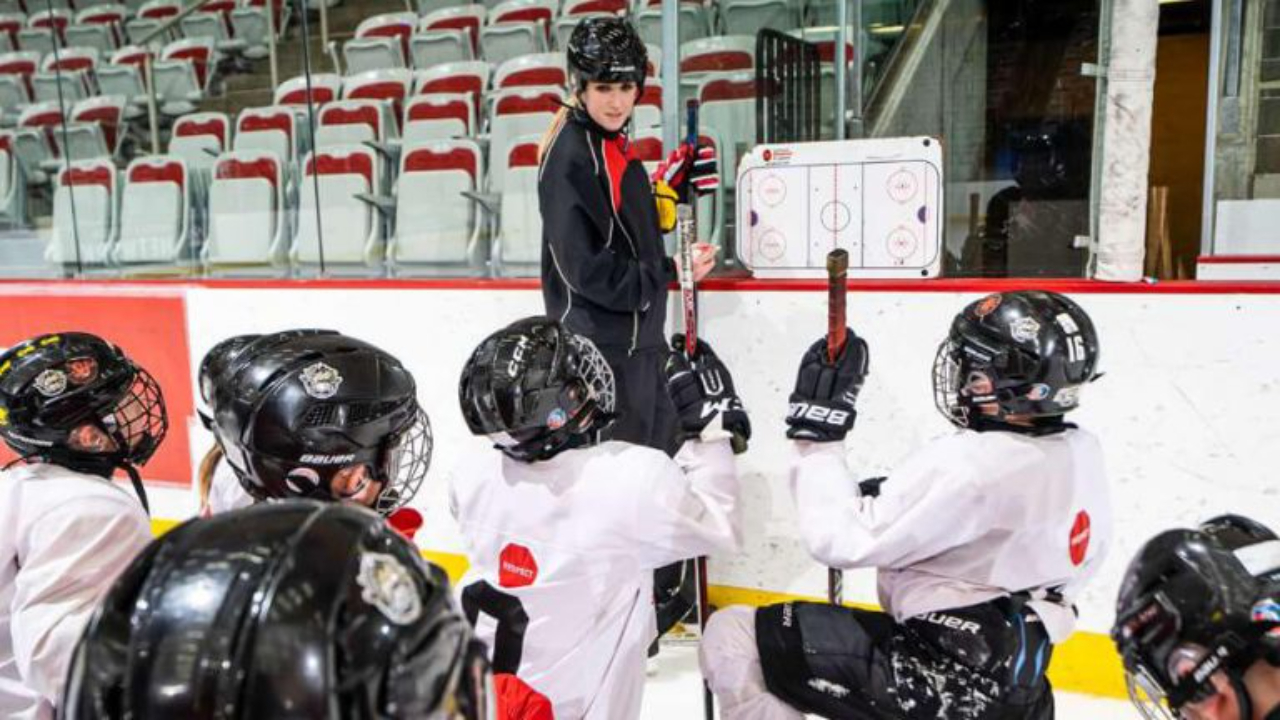
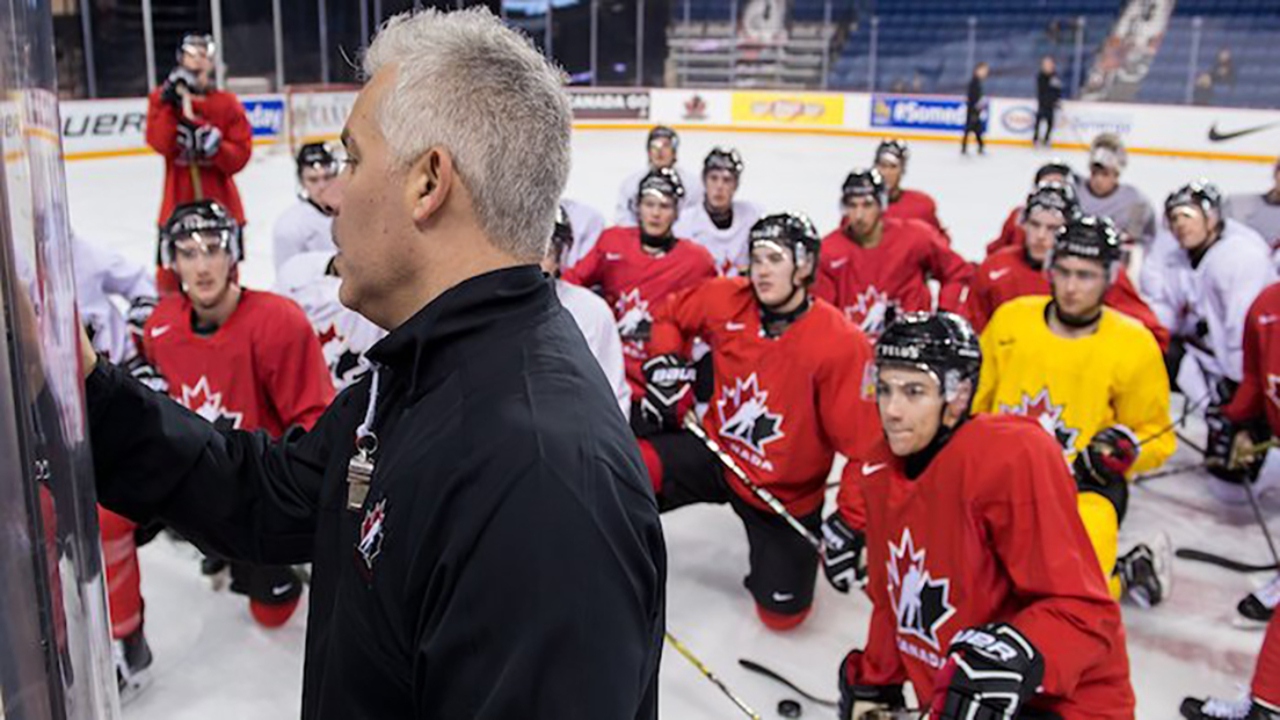
Every coach is entitled to their own philosophy on the game and coaching process. Nevertheless, what about communicating that philosophy to parents and players alike?
Is there a disconnect? Do their players really know what the coach is looking for in a selection process or throughout the season? What are today’s coaches focusing on when it comes to the direction of their teams and do the players actually know what is expected of them?
Over the years I’ve received a lot of questions and many of these questions are from players and parents alike. Ironically, those questions have a lot in common, and it doesn’t really matter what level the players are going into the questions are all the same and have a lot of relevance. Given hockey’s sometimes archaic cultural structure and framework, players and hockey parents are incredibly hesitant to approach or downright scared to ask questions.
The following question is one that I believe a lot of hockey parents have and are looking for the answer. In this day and age where everything happens at warp speed and the uncertainty surrounding what coaches, selection committees and programs are looking for in a player.
What do today’s coaches prioritize when looking at a player and what do they expect? and How do they communicate that? I received this question last year and it’s definitely on point with what I’ve experienced before. It falls into the developmental and unfortunately the political aspect of the game.
What message would you have for a young minor hockey player, who may not be the fastest, most skilled, but works their ass off every ice time and is learning how to play without the puck rather than play with?
This was my reply.
“Well, I think play to your identity and develop a complete two-way presence that will serve them well moving forward. I think the three principles or three big questions apply here.”
I then sent these foundational questions their way.
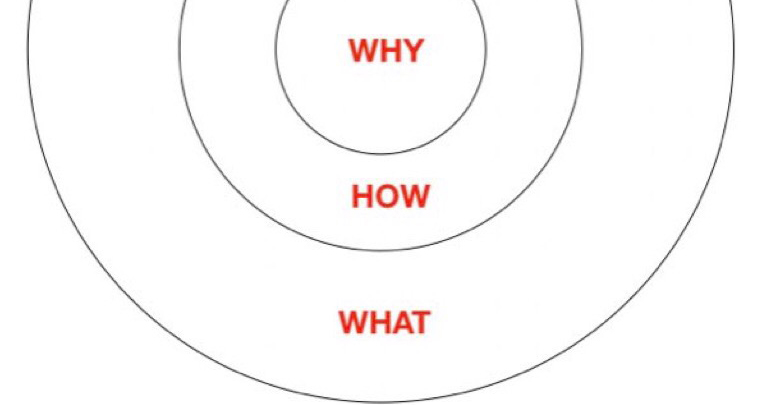
1) What are you doing every day to get better?
2) Where do you want the game to take you?
3) What does the game really mean to you?
Now those are just words, or perhaps ideal thinking, but in saying that it’s incredibly difficult to navigate for parents and players especially when so many people have their own unique perspectives on “what’s best” for the game and the players. It’s incredibly difficult for parents and young players to understand what to expect or what’s expected from them entering a new level or a new coach. Some coaches are great communicators while others are far from.
Every coach appreciates, promotes or emphasizes certain aspects of the game. Those aspects are strictly based on their own experiences in the game both negative and positive or what they prioritize as being “essential” for the game. Does that mean “essential” for the team or every player or individual? Does that mean “essential” for their kid who just so happens to be on the team? Does that mean “essential” for winning banners or developing players for the next level?
You see I’m afraid that I never came close to even scratching the surface of the question that was sent to me because it’s becoming even more apparent that what really is important or what was considered important is now somewhat skewed because of the “new” thought processing around the game.
Gone are the days where some aspects of the game like sound defensive play, hard work, unselfish play, sound passing ability are emphasized, promoted or even closely acknowledged.
Perhaps my answer is strictly wishful thinking. The political aspects or sorry the political bullshit surrounding the game prevents any true meaningful upward mobility because in many cases it’s all about resume not ability.
What really should matter doesn’t matter anymore in the minds of many.
So, what in the hell is a kid that might not be the fastest, most skilled, but works their ass off every ice time and is learning how to play without the puck rather than play with it to do in the game when very few people, coaches and the decision makers don’t even take notice or appreciate players like that in “today’s game”?
Gone are the days where the “late bloomer” even gets a chance. I wish I could say, “if you’re talented enough someone is bound to find them”, because that shit isn’t the case either. You might think that’s a pretty bleak perspective of the current situation, but unfortunately that’s the reality of it in some areas where the game is being played.
Some coaches, people and associations get it, while some completely miss the mark.
I provided my answer and perspective to a truly great question, but if they were to ask that same question to five or five hundred others, they probably would get that many different answers. If you ask the coaches what’s wrong with things they blame the players and parents.If you ask the players and parents, it’s the coaches fault. If you ask scouts what they’re looking for, the consensus reply would be skill, speed, processing, grit, character and the player has to possess the “intangibles” it takes to win. I’ve told several people to trust the process over the years and to embrace the grind that the game and their experiences within it provides and use that to try to grow, learn and continue to develop.
My former high school hockey coach told me when I started coaching at Moncton High School, that these five things are critical. Defensive Zone Coverage(DZC), Zone Entries, Breakouts, PP/PK, and Regroups.
How many coaches are currently working on or implementing those aspects of the game? How many coaches are currently working on battle drills to develop a will to compete? How many coaches are flow drilling their teams to absolute boredom?
“Oh, they’re really moving out there.” That’s complete and utter bullshit. Flow drills are great in spirts especially with purpose and feedback, but most flow drills develop poor habits and continue to reinforce them over time. Drills that incorporate players thinking the game and creating in game experiences and competition helps players develop.
Skill, skill and more skill, that’s what matters in today’s game right, but players have no idea how to play, compete or what it takes to be a good teammate and what it takes to win.
What should matter doesn’t, it truly seems that’s where we are right now.
As for the kid/player from the question. They’re no doubt going to be a great two-way gritty competitor, that takes a lot of pride in playing the game the right way. Now tell me what the hell is wrong with that? I’m afraid in many cases wherever the game is being played what should matter, doesn’t matter anymore.