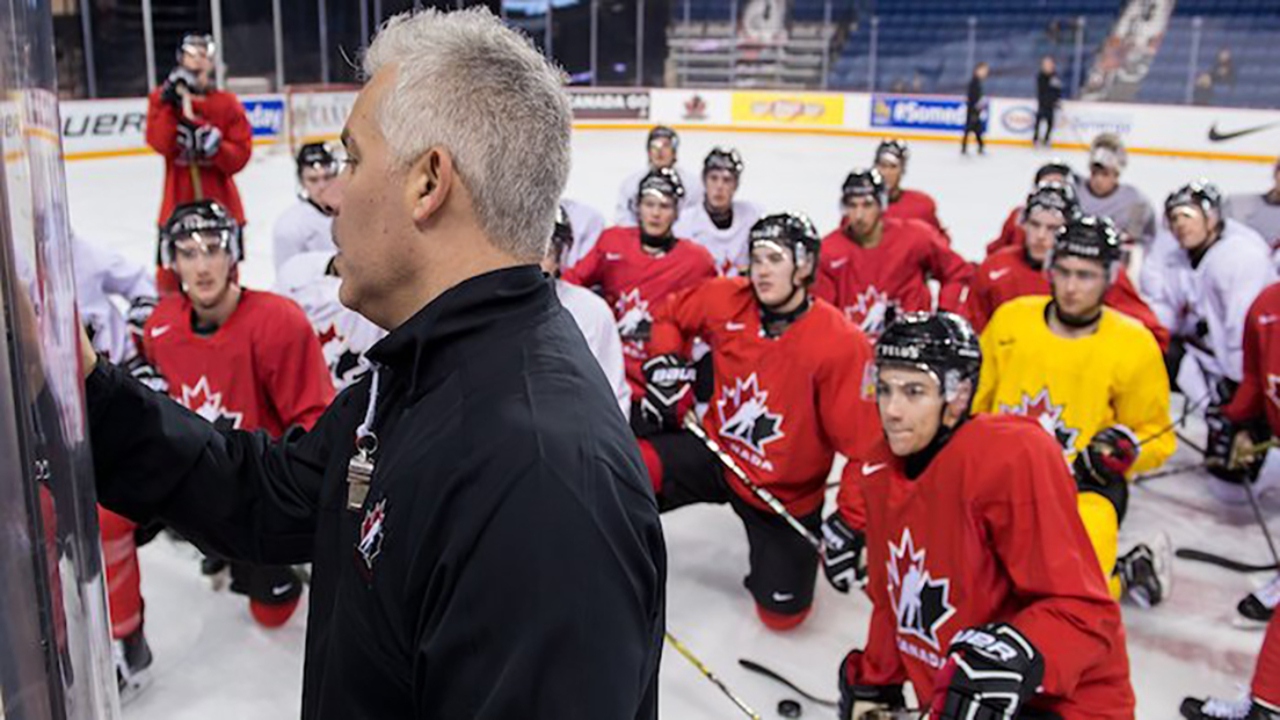
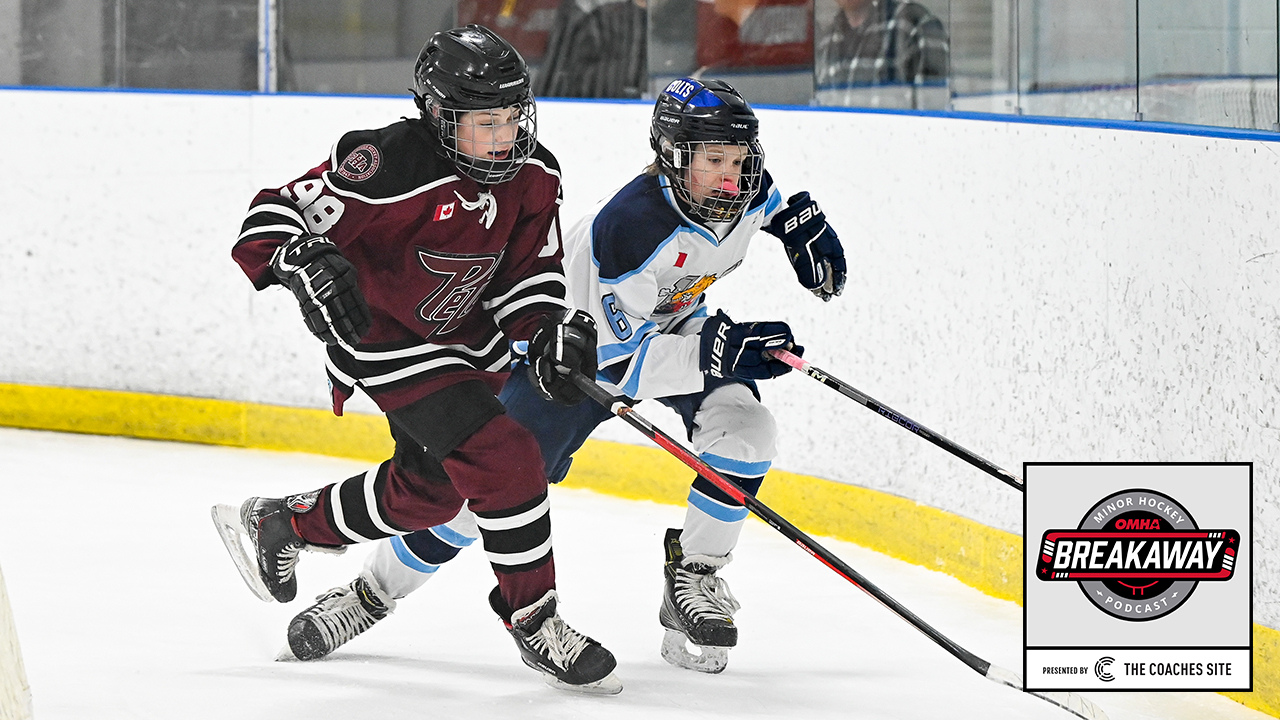
This is the first post here, so a quick word on what you'll find in this space. I'm a dad, a basketball coach of over 28 years and a lifelong facilitator attempting reinvention at 56 — an age when most people downsize their ambitions instead of upsizing them. It's never too late to dream bigger. But dreaming bigger, I've learned, isn't the same as being handed a label before you've done the work. That's what this newsletter is about. So, let’s get started.
Real vs Reality
Not long ago I sat down with a young athlete and asked him about his goals. He told me, with total confidence, that he believed he could be great at this game. I didn't doubt his talent for a second. But I found myself wondering: does he really understand what that word costs? Does anyone tell these kids what's underneath it before they start reaching for it?
A few weeks later I was scrolling Instagram and came across a highlight video of a kid who'd just dropped 45 points. The caption called him great. Elite. The kind of words you'd expect after a Finals performance, not after a Tuesday night blowout. Because that's what it was — his team put up over 100 points against a weak opponent, on a night when the other team could barely get a stop. I'm not questioning that the kid can play. I'm asking whether we've completely lost the ability to tell the difference between a great performance and a great player, especially when the player in question is still in the tenth grade.
And then there's the one that hit closest to home. This past season, I watched a former player I coached lose his love for the game. Not because he stopped being able to play it. Because somewhere along the way, the weight of what everyone expected of him got heavier than the joy of just playing. He stopped focusing on the process — the small things, the daily work — and started carrying the pressure of a label he never asked for. Watching that happen to a kid you've coached changes how you think about a word like "great." It stops being an abstract conversation about culture and starts being something you feel in your chest. So here's the question I keep coming back to: when did we start handing this word out before anyone's earned it, and what is it doing to the kids we're handing it to?
What Greatness Actually Requires
Greatness was never supposed to be something you could see coming. It's something you only recognize looking backward, once years of evidence have piled up into a shape nobody can argue with. Kobe Bryant, who talked about greatness more than almost anyone in his sport, rarely described it as something he already had. He described it as a demand he placed on his future self — an obsession, a willingness to sacrifice, something he was chasing rather than something he'd already been handed. Even as a kid, by his own account, the goal was to become one of the greatest to ever play. Not a title he gave himself. A pursuit. He spent two decades backing that pursuit up with proof.That's the part I want the young athlete I sat down with to understand that greatness was never the starting point. It was always the finish line; built from thousands of ordinary days nobody was filming.
This Isn't Just a Basketball Problem
Once you start noticing it, we do this everywhere, not just in the gym. A column was written about a Spurs rookie declaring how great his ability already was and
predicting a path to NBA greatness — before he'd played a single professional game. Sportswriters had to publicly talk football fans off calling a college quarterback "generational," pointing out that no prospect is truly generational the day he's drafted — not even quarterbacks who became legends were seen that way on day one. A 19-year-old entrepreneur was compared on national television to Steve Jobs, framed as the next great mind in her industry, before her company had delivered anything real. It later turned out to be built on fraud. Is this any different than business? A boardroom that praises innate genius over consistent execution ends up with people more interested in protecting the label than fixing the problem. I don't think it is. The pattern is the same whether it's a locker room or a boardroom: hand someone the finished label before the work is finished, and you shouldn't be surprised when the person starts defending the label instead of doing the work.
There's actual research behind why this happens. Stanford psychologist Carol Dweck spent years studying what happens when children are praised for their talent versus praised for their effort. Kids told they were gifted after a success became more likely to avoid harder challenges afterward, and more likely to fall apart the moment they struggled — because now the setback threatened who they believed they were, not just how one game went. Kids praised instead for their effort and their strategy stayed hungry for the next challenge, because struggling never threatened their sense of self in the first place. In one detail from that research that stuck with me, a large share of the kids praised for their intelligence later misrepresented their own scores to their peers. Protecting the label had become more important than being honest about where they actually stood. Isn't that exactly the trap we're setting for a tenth grader every time we call him elite for outscoring a team that had no business being on the same floor?
Instagram Doesn't Show the Whole Kid
Here's what makes this harder than it's ever been. That highlight video I saw wasn't lying, exactly — the kid really did score 45. But it also wasn't telling the whole story. It didn't show the practices where his shot wasn't falling. It didn't show the film session where a coach told him what he still needs to work on. It didn't show the version of him that exists on a night the ball doesn't go in. Every kid scrolling that same feed is measuring his own full, complicated,sometimes-frustrating process against everyone else's most polished highlight. That's not a fair fight and calling the highlight "great" only makes the gap between the reel and the reality feel more like failure than it should. I think that's part of what happened with the player I coached. He wasn't just carrying the expectations of his coaches or his teammates. He was carrying an invisible scoreboard built out of everyone else's best clips, and comparing his hardest, most honest days against it.
What I'd Rather Praise
None of this means we stop believing in these kids. It means being a lot more careful about what we're really praising when we open our mouths. Instead of telling a kid he's great, what if we told him what we saw him do? "I saw how hard you worked on that footwork, and it showed tonight." "You figured out a new way to handle that defender — that's smart, that's growth." Those are things a kid can hear as true on a good night and a bad one, because they're describing what he did, not handing him a verdict on who he is. The things truly worth building in a young athlete — the things that predict who he becomes far better than any highlight reel does — are simple, and they're the same three things I try to come back to with my own kids and my own players:
- Consistency — showing up with the same effort on the bad days as the good ones.
- Work ethic — the repetitive work nobody's filming and nobody's clapping for.
- Competitiveness — refusing to give up an inch, regardless of the scoreboard.
Those aren't outcomes. They're processes. And a process is something a kid can actually own today, whether the shot falls or not, whether the follower count goes up or not.
Finding the Love Again
That player is finding his way back to loving the game. It's happening slowly, and it's happening because we stopped talking about what everyone expects of him and started talking about what he can control today — the work, the habits, the small wins nobody else sees. I'd rather he chase that than chase a word someone slapped onto a highlight reel. I still believe these kids can be great. I believe it about the young athlete I sat down with, too. But I want him — and every kid like him — to understand that greatness isn't something you claim in the tenth grade off one big night. It's something you build, quietly, for years, long after everyone stops watching the highlight reel. That's the version of great worth chasing. And it's the only version that will still be standing once the scoreboard resets and the phone stops buzzing.
Thanks for reading the first post. If this resonated, I'd love for you to subscribe — I'll be writing more about the space between hype and habit, in sports and elsewhere. Find more of my writing at Dream Even Bigger on Substack, and if you're exploring coaching, culture, or leadership consulting, let's connect on LinkedIn.