
Every year I see it.
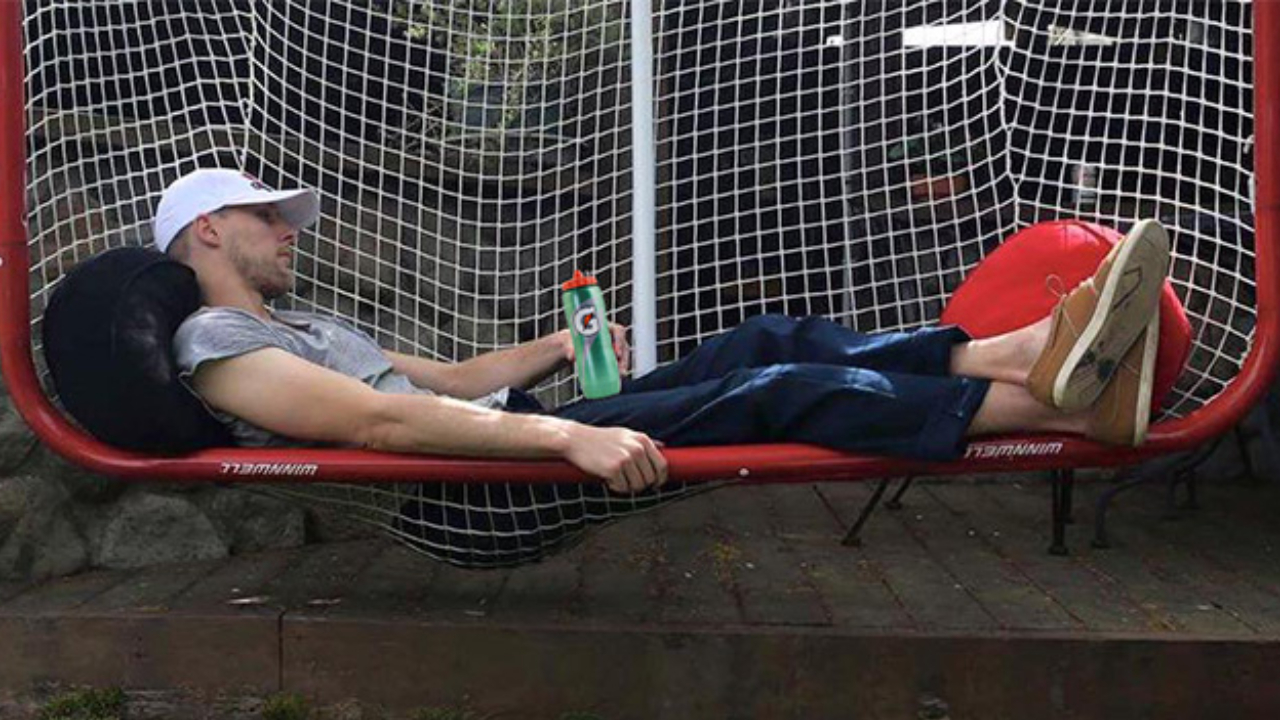
Families need a break from the weather and take a trip to Mexico, or somewhere in the Caribbean. A week on the beach, some sunshine, a break from winter. Honestly, I get it. Living in the middle of a Canadian winter, those trips make a lot of sense.
Last year I had a player take close to three weeks off in December. Two weeks for a family vacation down south and another week around Christmas. And rightfully so. At the end of the day, it’s just hockey. Family trips shouldn’t be put on hold because of a youth hockey schedule.
But every time this happens, I seem to notice the same pattern.
That player comes back… and they can never quite catch up to everyone else.
Last season I assumed it was just timing. December happened to be a really important month for our team development. Systems were coming together, habits were forming, and the pace of our practices was increasing. I figured the player simply missed a critical stretch.
But this season it happened again.
One player left for a trip at Christmas. Another left for Mexico in February. Two different players, two different times of the season, but the same outcome. Both came back looking a step behind and have been struggling to get back to where they were before they left.
It made me start thinking: maybe this isn’t just coincidence.
Maybe there’s something about stepping away from the game for a few weeks during the season that disrupts development more than we realize.
Development in youth hockey is incredibly rhythm-based. When that rhythm gets interrupted, it can take time to rebuild it.
Here are five reasons why holiday breaks can impact youth player development during the season.
1. Skill Timing Fades Faster Than We Think
Hockey is a timing sport.
Edges, puck control, passing weight, shooting mechanics, all of these rely on repetition and feel. When a player steps away from the ice for two or three weeks, that feel fades faster than many people realize.
The player may still be athletic, but the connection between their hands, feet, and decision-making slows down. When they return, it often takes several practices just to regain that rhythm.
2. The Team Keeps Developing Without Them
One of the biggest factors isn’t that the player regresses, it’s that everyone else keeps moving forward.
In three weeks, a team might have:
-
8–10 practices
-
several games
-
multiple teaching moments
While one player is away, the rest of the group continues to improve within the team system. When the player returns, it can feel like they’ve fallen behind, even if their own ability hasn’t dramatically changed.
3. Conditioning Drops Quickly
Even young athletes lose some conditioning after a few weeks away from the sport.
In hockey that can show up as:
-
slower first strides
-
less jump in puck battles
-
fatigue earlier in shifts
When players get tired sooner, they move their feet less and arrive late to plays. From the outside it can look like effort has dropped, when in reality they are simply playing catch-up physically.
4. Confidence Can Take a Hit
This is especially true with younger players.
When they return from a break and suddenly feel a step behind the play, they may hesitate or play more cautiously. A few lost puck battles or missed plays can quickly affect confidence.
That hesitation slows development even further.
It becomes a cycle:
behind the pace → confidence drops → engagement drops → development slows.
5. Development Habits Get Interrupted
During the season, players build habits through repetition.
Practice, feedback, adjustment, and game experience create a steady learning loop. When a player misses multiple weeks, that loop gets disrupted.
For some players the restart happens quickly. For others, it takes several weeks to rebuild the habits and pace they had before the break.
The Reality for Coaches and Parents
Holiday trips and family time are part of youth sports, and they should be. Players shouldn’t feel guilty about spending time with their families.
But coaches and parents should also understand that development during the season is fragile. Small interruptions can temporarily slow progress.
The key is patience.
Most players who were improving before the break will regain their rhythm with a few weeks of consistent practices and game reps.
Sometimes development just needs a little time to restart.