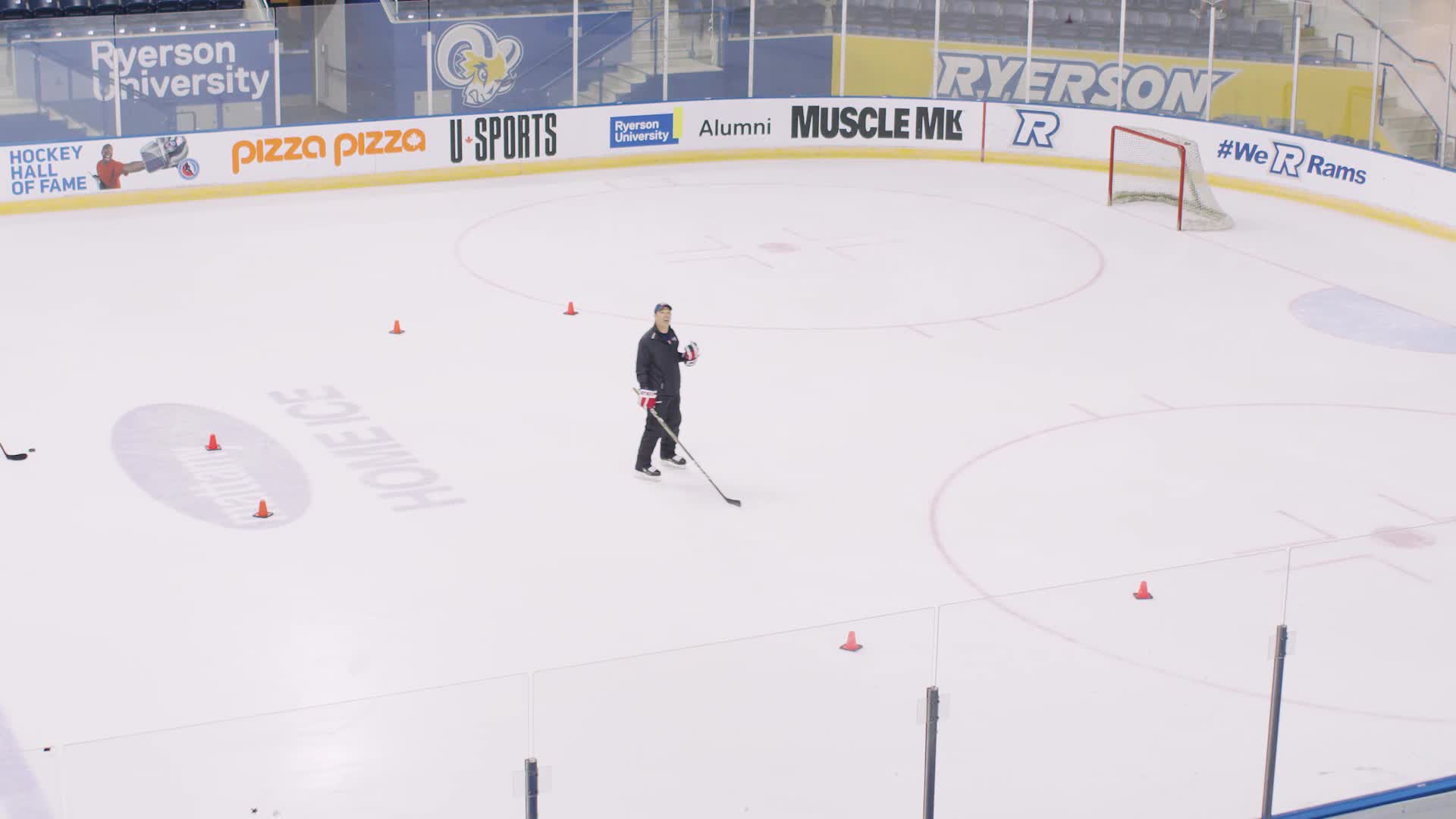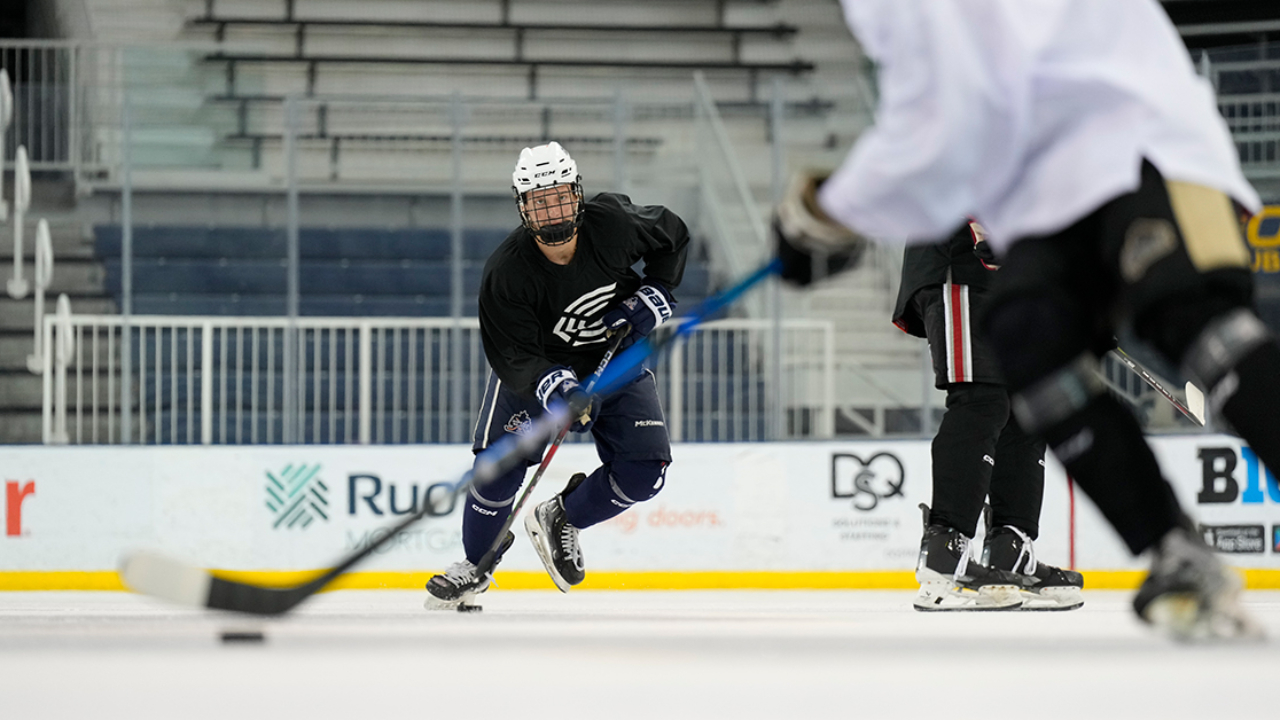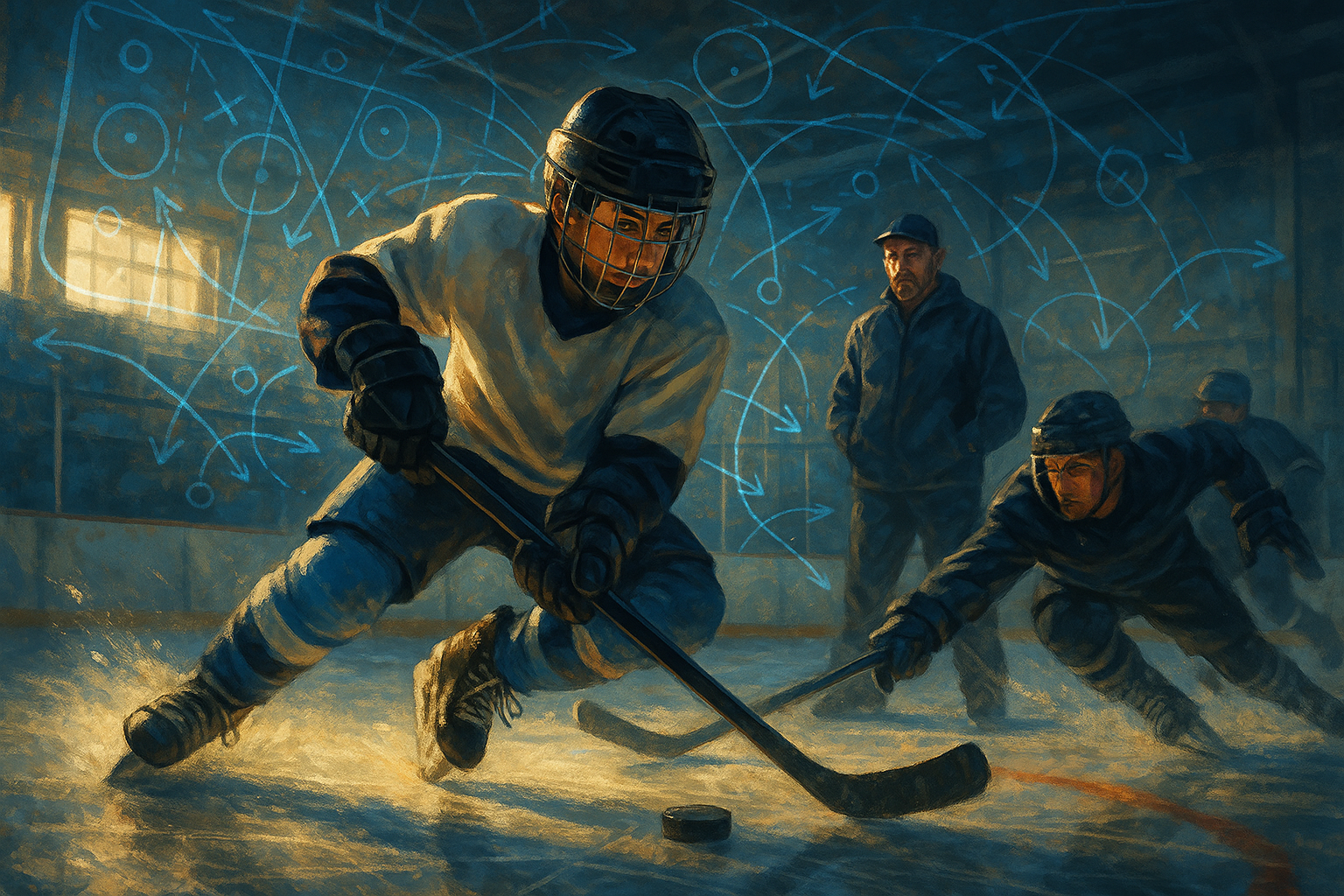

I once coached a player with elite-level skill. His hands were excellent. His skating was smooth. He could execute every move you asked for in a drill.
And yet, there were moments where I honestly wanted to put an anchor on him.
Not because he was lazy, but because he never stopped moving. He looped endlessly. He circled away from pressure instead of into opportunity. You could tell he had spent countless hours working on skills, but very little time learning how to play the game.
He struggled with start-and-stop habits. He arrived late to space that mattered. He rarely recognized when a play was over and when the next one was beginning. The puck became something he carried, not something that connected him to what was happening around him. He always looked busy — just never effective.
This wasn’t a player problem. It was a development problem.
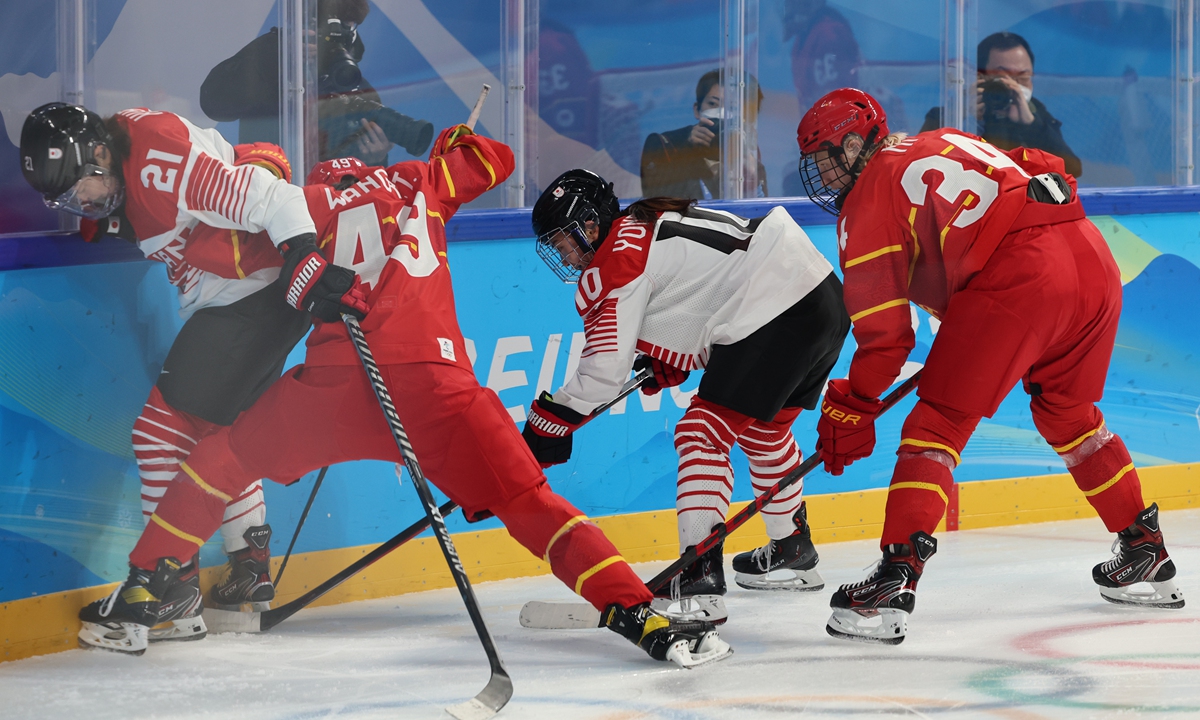
Small-area games have become the gold standard in modern coaching. They’re competitive, engaging, and often praised as the fastest way to improve hockey sense. And in the right environment, they can be powerful.
But here’s my honest opinion: small-area games don’t teach hockey sense on their own. They only work when players already understand the game they’re being asked to play inside of.
Decision-making requires information. Creativity requires boundaries. When players haven’t been taught spacing, pressure, timing, and purpose, small-area games don’t build awareness, they reinforce habits. Looping becomes a safety blanket. Constant motion replaces reading the play. Instead of stopping, scanning, and arriving on time, players default to what feels comfortable.
This is where I think we’ve flipped the order of development.
Before we ask players to play creatively, we have to teach them hockey. That means teaching why players start and stop, how pressure changes decisions, and where offense is actually created. Hockey sense isn’t instinctive — it’s learned through context, repetition, and clear teaching.
Once that foundation exists, small-area games become incredibly effective — but only when they’re built with intent.
Rules and restraints matter. If you want quicker decisions, remove time. If you want better spacing, restrict movement. If you want players to stop looping, design scoring conditions that reward arriving, not circling. Creativity should happen within structure, not instead of it.
True creativity in hockey isn’t doing whatever you want. It’s solving problems inside the game. The best players aren’t the ones with the most freedom — they’re the ones who understand the boundaries well enough to bend them.
I’m not anti–small-area games. I use them constantly. But they’re a tool, not a philosophy.
If we want players with real hockey sense, we have to stop hoping it magically appears through chaos. Teach the game first. Then create environments that allow players to explore, adapt, and create, with purpose.
Because structure doesn’t kill creativity.
It gives it meaning.