
“Keep it simple.” “Play it safe."
Both phrases echo through benches and dressing rooms, and they often get used as if they mean the same thing. They don’t. One builds confident, decisive athletes. The other quietly teaches them to fear the game.
What Playing Simple Looks Like
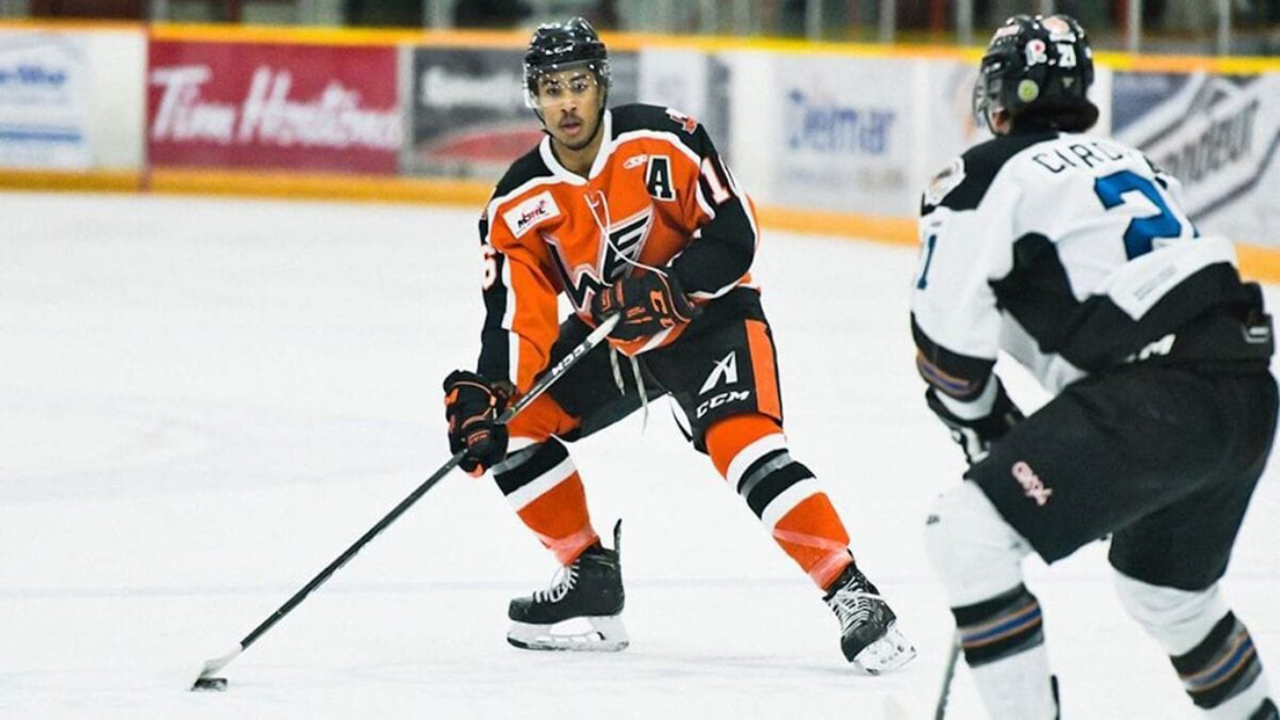
Playing simple is a choice made from clarity. The athlete reads the play, recognizes the highest-percentage option and executes it with commitment: a tape-to-tape pass to the open teammate, pucks deep when the lane is closed, a shot on net instead of a toe-drag into traffic. Simple play is proactive. The athlete is engaged, scanning and responding to what the game is offering.
What Playing Safe Looks Like
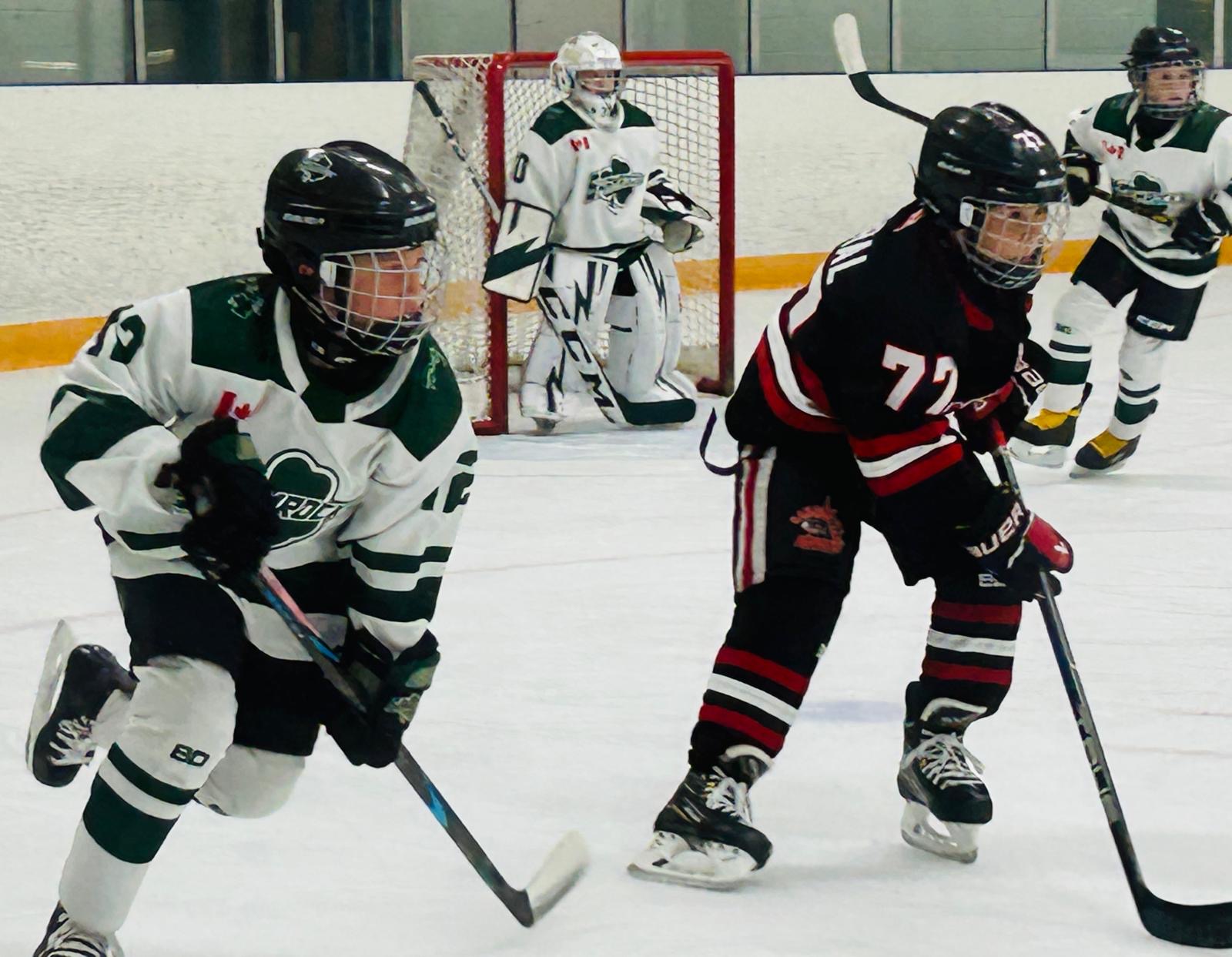
Playing safe is a choice made from fear. The goal shifts from making the right play to avoiding the wrong one. The athlete rims the puck around the boards when a teammate is open, passes up a shot because missing feels worse than not trying, or stays out of the battle so they can’t be blamed for losing it. On the surface it looks responsible. Underneath, the athlete has stopped competing and started protecting.
Sometimes the safe play and the simple play look identical. The difference is the intention behind it: am I choosing this because it’s right, or because I’m afraid?
The Physiological Cost of Playing Safe
When an athlete plays to avoid mistakes, the body reacts as if it’s under threat. Stress hormones rise, and while some arousal sharpens performance, sustained fear works against it:
Muscle tension increases, disrupting fine motor skills like puck touch, passing and shot release.
Breathing becomes shallow, reducing efficiency and speeding up fatigue.
Attention narrows, so the athlete sees less of the ice and misses available options.
Reactions slow, because the brain is busy scanning for risk instead of reading the play.
The irony is that the fear of mistakes creates the exact physical conditions that cause them.
The Mental Cost of Playing Safe
Over time, safe play erodes confidence. Every avoided opportunity reinforces the belief, “I can’t handle that moment.” Success gets redefined as not being noticed for the wrong reasons. Creativity fades, decisions become hesitant, and athletes describe feeling tight or stuck in their heads. Left unchecked, this pattern drains enjoyment from the sport and can feed anxiety, burnout and dropout.
The Benefits, and One Concern, of Playing Simple
Simple play keeps the nervous system in a productive range. Clear intention lowers mental load, freeing attention to read the game. The body stays looser, decisions come faster, and confidence grows through repeated execution.
The concern: simple can become a hiding place. When “keep it simple” is demanded without explanation, athletes may hear “don’t take chances” and drift into safe play without realizing it. Simple should never mean small. A simple game still includes shooting when there’s a lane, joining the rush when it’s open and competing hard for loose pucks.
What Coaches and Parents Can Do
Define the terms. Tell athletes that simple means making the right read with commitment, not avoiding risk.
Evaluate decisions, not outcomes. A correct read that fails deserves credit. A fearful play that happens to work deserves a conversation.
Watch the language. “Don’t turn it over” focuses attention on the mistake. “Find the open player” focuses on the solution.
Ask, don’t assume. After a cautious play, ask, “What did you see?” The answer reveals whether it was simple or safe.
The Bottom Line
Simple play comes from confidence. Safe play comes from fear. Athletes who learn the difference compete with freedom, recover faster from mistakes and grow into players who want the puck when it matters most. And when they do make a mistake, they need to know it doesn’t define their worth, on the ice or off it.
Build the Mindset Behind the Game
At Mindset Body Bank, we help athletes, coaches and parents replace fear-driven habits with confident, committed decision-making. Learn more at www.mindsetbodybank.com or reach out to rob@mindsetbodybank.com.