Welcome to Ice Hockey 911 - a series of hockey based, medical response presentations designed to help educate the coach, the parent-coach, and parents of the players in an understanding of emergencies and incidents that may occur, and how best to mitigate them.
These are not designed to make everyone a medical professional, or to be the standard of medical care for all things. Rather, this is an informative presentation that will give a general understanding of potential medical emergencies. Then we will give fact based, medically proven methods, in a generalized approach, that can be used to give assistance until medical professionals arrive.
What is a Concussion?
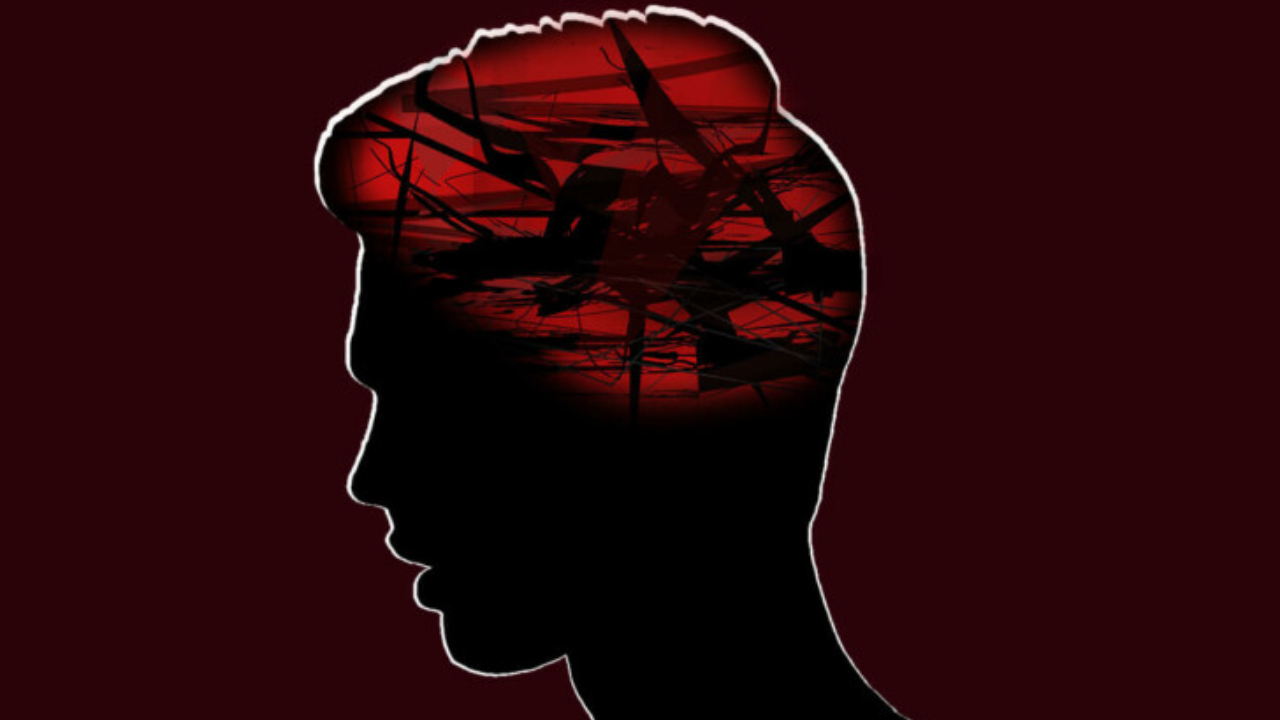
A concussion is a type of traumatic brain injury (TBI) that is caused by a bump, blow, or jolt to the head, neck, or by a hit to the body that causes the head and brain to move rapidly back and forth. This sudden movement can cause the brain to bounce around or twist in the skull, creating chemical changes in the brain and sometimes stretching and damaging brain cells.
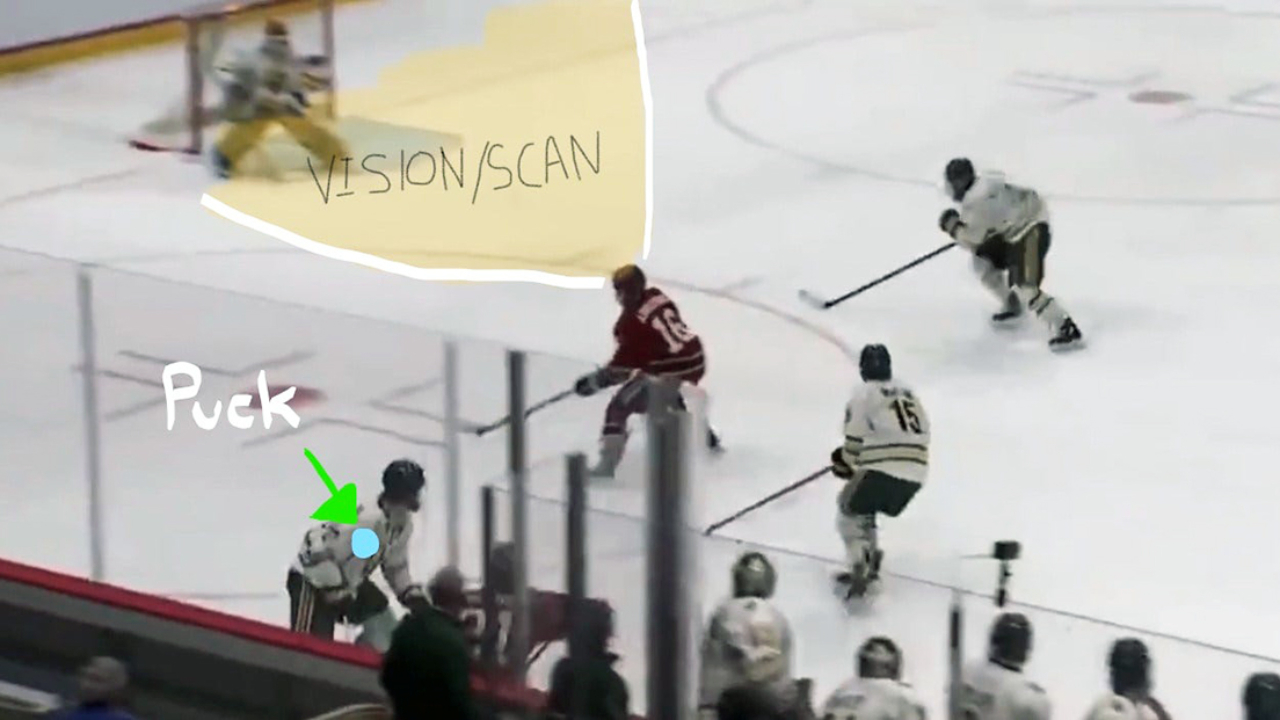
Players often suffer concussions when they do NOT have the puck, examples include open-ice hits, unanticipated hits, collision with goalies.
A concussion can be caused by a blow to the body that causes rapid acceleration then deceleration of the head. This “indirect blow to the head” may occur and the player may not fall or appear to be in distress for moments after the impact.
The complete diagnosis of a concussion is a clinical judgement, which can only be verified by a medical professional after a proper evaluation.
Concussion Myths
Due to various amounts of misinformation, there are many myths surrounding concussions that are a part of everyday culture.
- There is no such thing as a Minor Brain Injury – a concussion is traumatic and needs to be treated as such.
- Concussions do not have to originate from a blow to the head (see previous slide)
- A player does not have to be “knocked-out” to have a concussion – less than 10% of players actually lose consciousness.
All concussions are the same – and just need rest. Treatment is individualized and it is impossible to make any predictions or pre-determined actions without medical review.
Visible Signs of a Concussion
Immediately after any impact, blow, fall, collision, or at the referee (on ice coach) discretion, a player should be evaluated for a possible concussion. If any of the visual clues are observed, a concussion should be suspected, and the player removed from the ice (if able) to be evaluated.
Any one or more of the following visual cues can indicate a possible concussion:
- Loss of consciousness or responsiveness
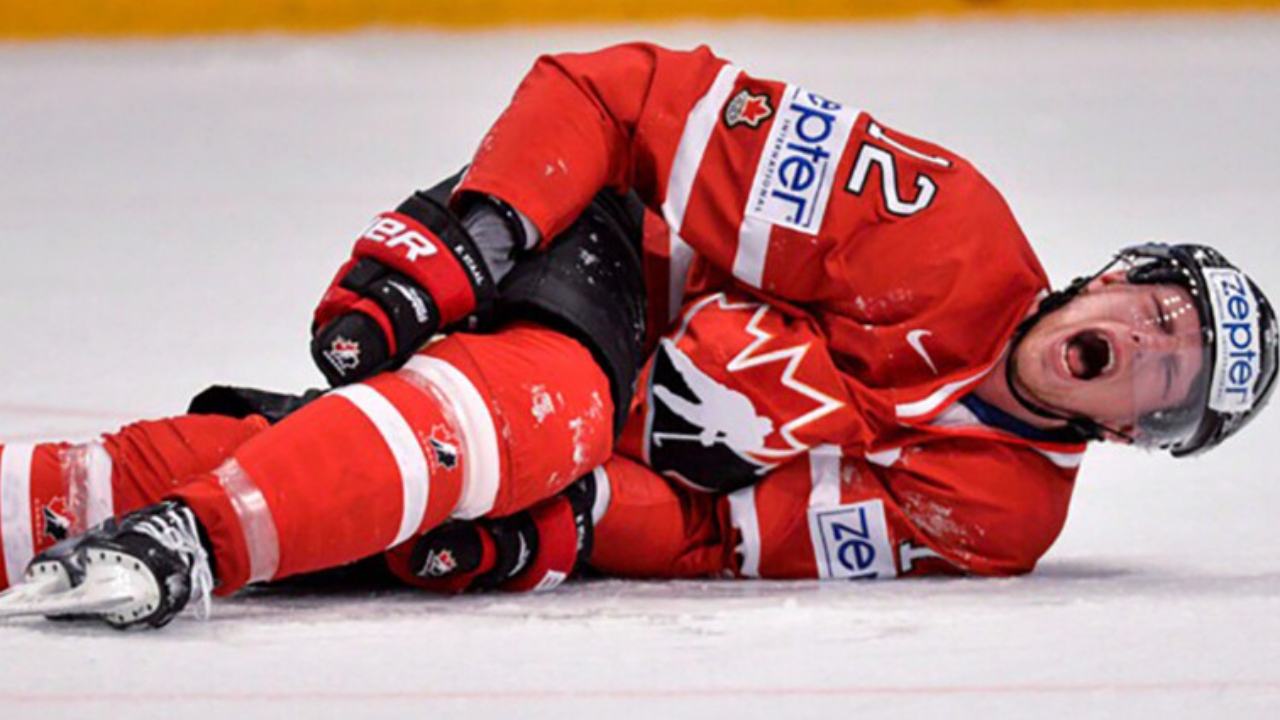
- Lying motionless on ice
- Slow to get up
- Unsteady on feet
- Balance problems or falling over
- Incoordination Grabbing
- Clutching of head
- Dazed, blank or vacant look
- Confused / Not aware of plays or events
- Altered level of speech
- Altered mental status
Observable SIGNS of a potential concussion:
- Appears dazed or Stunned – Physical
- Confused about their playing assignment/position – Mental
- Moves Clumsily - Physical
- Answers Slowly – Mental
- Behavior or Personality Changes – Mental
- Unsure of Score or Opponent - Mental
- Not aware of plays or events Before the incident - Mental
- Not aware of plays or events After the incident – Mental
Symptoms of a Concussion
- Headache Nausea
- Poor Balance Dizziness
- Double Vision Blurred Vision
- Poor Concentration Impaired memory
- Light Sensitivity Noise Sensitivity
- Sluggish Foggy
- Groggy Confusion
SHAAKE (Spontaneous Head Shake After a Kinematic Event)
Shaking the head after a concussion can be a sign of a concussion, according to a study by Mass General Brigham and the Concussion Legacy Foundation.
It's a common, often unconscious, movement that some individuals perform after a blow to the head, potentially to "jumpstart" their brains. This head shake can be a reliable indicator that a concussion may have occurred.
Please see the following video regarding an on ice incident and the SHAAKE action and care:
Leafs' Goalie Anthony Stolarz head injury sparks concussion awareness conversation
https://toronto.citynews.ca/video/2025/05/06/leafs-goalie-anthony-stolarz-head-injury-sparks-concussion-awareness-conversation/
Concussion Management
1. If a player is unresponsive – Call for Help and Dial 911
2. If the athlete is not breathing: start CPR
DO NOT move the athlete
DO NOT remove the helmet
DO NOT rush the evaluation
3. Assume a neck injury until proven otherwise.
DO NOT have the player sit up or skate off until you have determined:
No Neck Pain
no pain, numbness, or tingling
no midline neck tenderness
normal muscle strength
normal sensation to light touch
4. If the athlete is conscious and responsive without signs or symptoms of a neck injury
- Help the player off the ice and to the bench
- perform an evaluation
- do not leave the player alone.
5. Evaluate the player
- Ask the player how they feel (symptoms of a concussion)
- Examine the player for signs of a concussion
- Verify Orientation (what is the name of our team? what rink are we in? what period is it?)
- Check Immediate Memory (repeat 5 words: Puck, Stick, Goal, Team, Hockey)
- Test Balance and Concentration (stand on both feet, close eyes, count to 10)
- Check Delayed recall (repeat the previous 5 words)
A player with any symptoms or signs, disorientation, impaired memory, concentration, balance, or recall has a potential concussion.
There is no way to be 100% certain that they do or do not have a concussion, and further evaluation is warranted.
The following steps should be taken:
- Remove immediately from playing (training, practice, game)
- Refer the athlete to a qualified health care professional (urgent care or hospital)
- Continue Monitoring the player until they have left your care.
- Obtain a medical clearance prior to returning to the ice
EMERGENT Circumstances
If any of the signs or symptoms listed below develop or worsen, go to the hospital emergency department or call 911
- Neck pain
- Severe or increasing headache
- Seizure or convulsion
- Dizziness or Loss of Coordination
- Memory loss or Confusion
- Ringing in the ears
- Blurred or double vision
- Burning in arms or legs
- Difficulty being responsive (verbal or physical)
- Unequal pupil size
- No pupil reaction to light
- Repeated Vomiting
- Slurred Speech
- Sleepiness or grogginess
- Clear fluid running from the nose/ears
- Numbness, weakness, tingling, or paralysis (partial or complete)
Advice for Skaters
In 1995, Dr. Alan Ashare started the Heads Up, Don’t Duck Program, a program to decrease the risk for paralyzing neck injuries in ice hockey. Research has shown that most on-ice cervical spinal injuries have occurred due to head being slightly bent downward at the time of impact with their head.
The basic principles of Heads Up Don’t Duck Hockey:
- Head up - Don’t Duck
- Hit the boards or goal posts with an arm, a leg, or anything but your headfirst.
- Skate into the boards on an angle to dig out the puck.
- Taking a check: Keep your head out of it. Skate parallel to the boards, knees bent, low center of gravity. Skate through the check and get away quickly.
- No Checking from behind. It’s illegal, dangerous, and bad hockey.
- Wear a snug fitting, HECC-Certified helmet in good shape, plus full facial protection.
- Use a mouth guard every time you are on the ice.
For more information, see the program website: https://lookupline.org/heads-up-dont-duck/
Conclusion
Any sport or activity undertaken has its own level of inherent risk. By being prepared and having a working knowledge of what some of those risks are, we can be better equipped and prepared to mitigate a situation should it arise.
For more information, please visit www.USAHockey.com, and look under players’ safety and health.