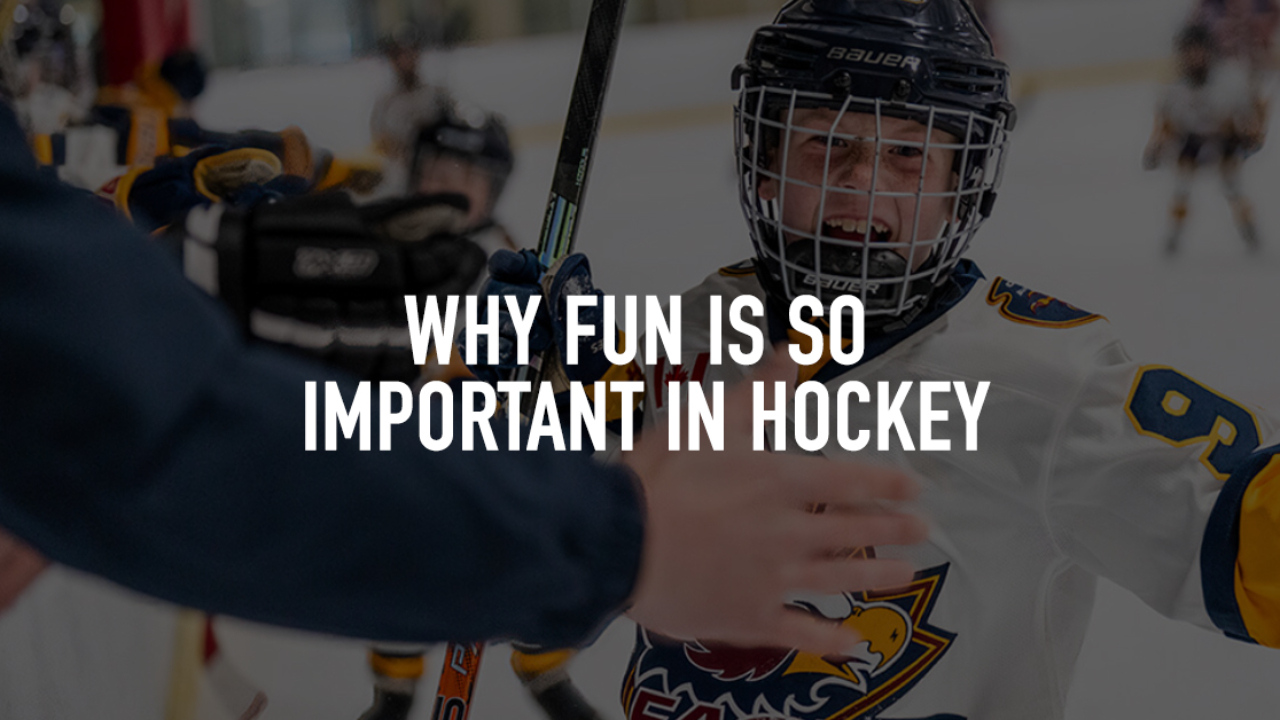
In youth hockey, too often the focus is on winning games, trophies, and early specialization. Yet decades of research in youth sport development and motivation show that the most important foundation for a young athlete’s success — and well‑being — isn’t wins or stats… it’s love for the game itself.
The most critical period to foster this love is during the early developmental years, roughly ages 6–12, when children are in the Discover, Learn & Play and Learn to Train stages, according to USA Hockey’s American Development Model (ADM). During this stage, kids are most receptive to fun, engaging experiences that build intrinsic motivation, fundamental skills, and confidence, laying the foundation for long-term involvement and success both on and off the ice. (The American Development Model)
1. What Is “Love for the Game” Really?
In the psychology of sport, “love for the game” reflects intrinsic motivation — a deep enjoyment and personal satisfaction in playing that comes from within, not from external rewards like medals or praise. When kids play because they genuinely want to, they:
✔ Practice more willingly
✔ Learn more deeply
✔ Persist through challenges
✔ Stay involved longer
Research shows that environments which support intrinsic motivation — where kids feel accomplished, autonomous, and connected — lead to greater enjoyment and ongoing participation in sport than environments focused only on external rewards. Lifelong Sport+1
2. Enjoyment Prevents Dropout
Young athletes with stronger intrinsic enjoyment are less likely to quit. In youth soccer research, lower intrinsic motivation was one of the biggest predictors of players dropping out. When athletes don’t enjoy the activity itself, they’re less willing to face the hard work that development requires. MDPI
This is especially relevant in hockey: a sport with high repetition and long seasons. If kids love the game itself — not just winning — they are more likely to stick with it, develop deeper skills, and make progress over years instead of burning out after a season or two.
3. Love for the Game Drives Better Performance and Resilience
Motivation research finds that young athletes with a harmonious passion — where their engagement stems from personal enjoyment, not pressure — show:
🏒 Higher resilience
🏒 Fewer psychological problems (like anxiety and burnout)
🏒 Better responses to challenge
🏒 Sustainable engagement across seasons
That’s because intrinsic motivation supports mastery of skills and persistence — both essential for advancement in hockey and life. MDPI
4. It Boosts Enjoyment, Which Becomes Motivation
A task‑involving environment — one where the focus is on learning, personal effort, and improvement rather than competition or pressure — helps develop enjoyment and intrinsic motivation. When kids feel competent and supported, their personal desire to play increases. PubMed
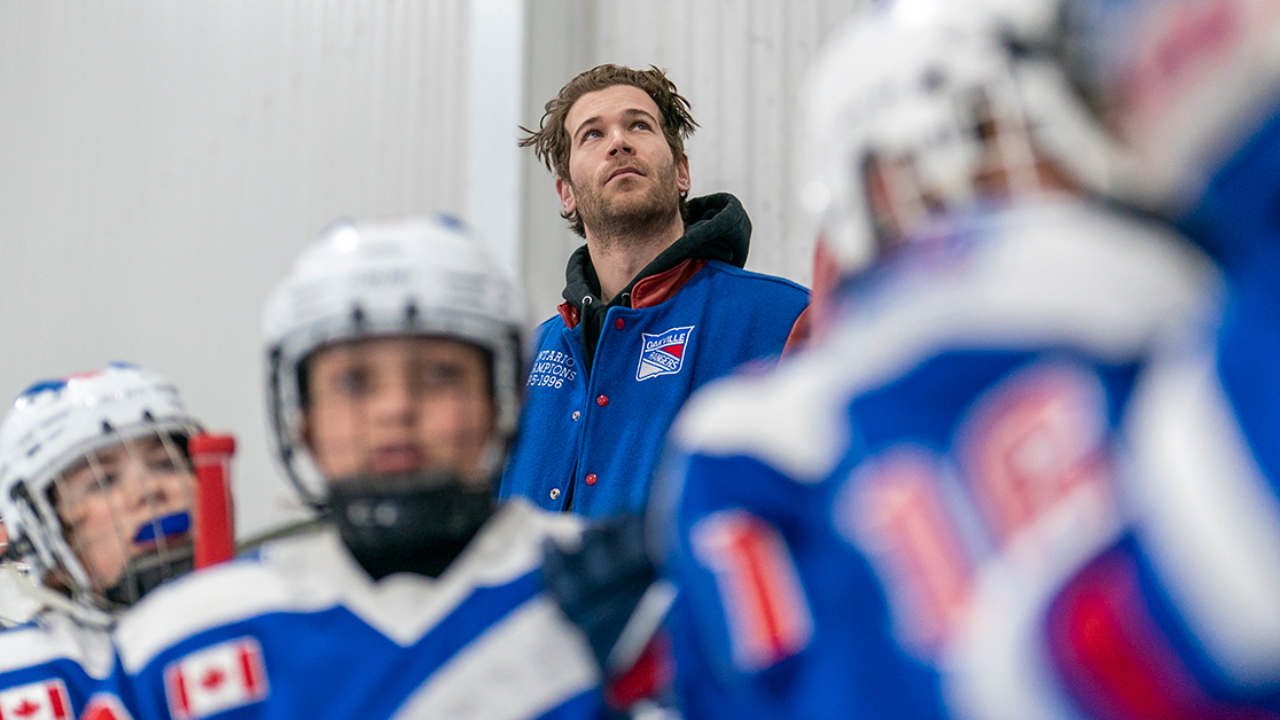
What this means for coaches:
➡ Celebrate effort, creativity, and improvement
➡ Create drills and scrimmages that are fun and engaging
➡ Avoid over‑emphasis on winning at early ages
These practices help players love hockey for what it is, not just for what it brings them.
5. The Benefits Go Beyond Hockey
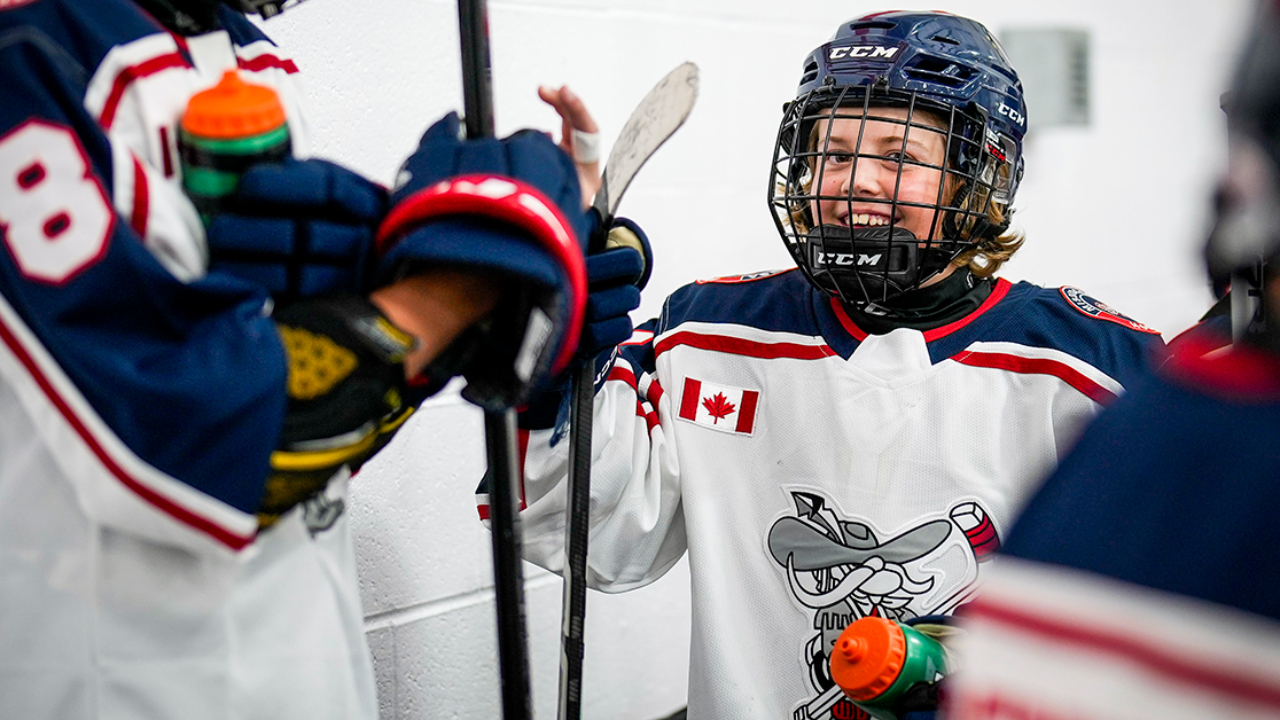
Developing love for the game early doesn’t just make better hockey players — it builds healthier, happier, more resilient kids.
Studies show that children who participate in regular physical activity through sports have lower rates of anxiety and depression, stronger mental health, and better social connection compared to non‑participants. Team sports in particular help kids feel connected, supported, and confident. Verywell Mind
The joy of playing fosters:
✔ Greater self‑esteem
✔ Social skills and teamwork
✔ Better stress management
✔ Lifelong patterns of healthy activity
These are life skills that transfer into school, relationships, and work.
6. What Coaches and Parents Can Do
To nurture a love for the game:
Focus on Fun & Mastery
Kids who experience success for themselves — not just from winning — are more likely to want to keep playing.
Promote Autonomy
Let them make small choices in practice; this builds ownership and internal motivation.
Celebrate Progress, Not Just Results
Highlight improvements in effort, skills, creativity, and decision‑making.
Keep Competition Healthy
Healthy competition can be fun — but it should never replace joy in the process of learning and playing.
Conclusion
Love for the game is not a “nice to have” — it’s a core driver of development. When children play because they truly enjoy hockey, they practice more willingly, learn more deeply, stick with it longer, and gain lifelong benefits — physically, mentally, and socially.
Develop this love early, and you aren’t just making better athletes — you’re helping raise healthier, more motivated, and resilient young people who carry their passion well beyond the rink.