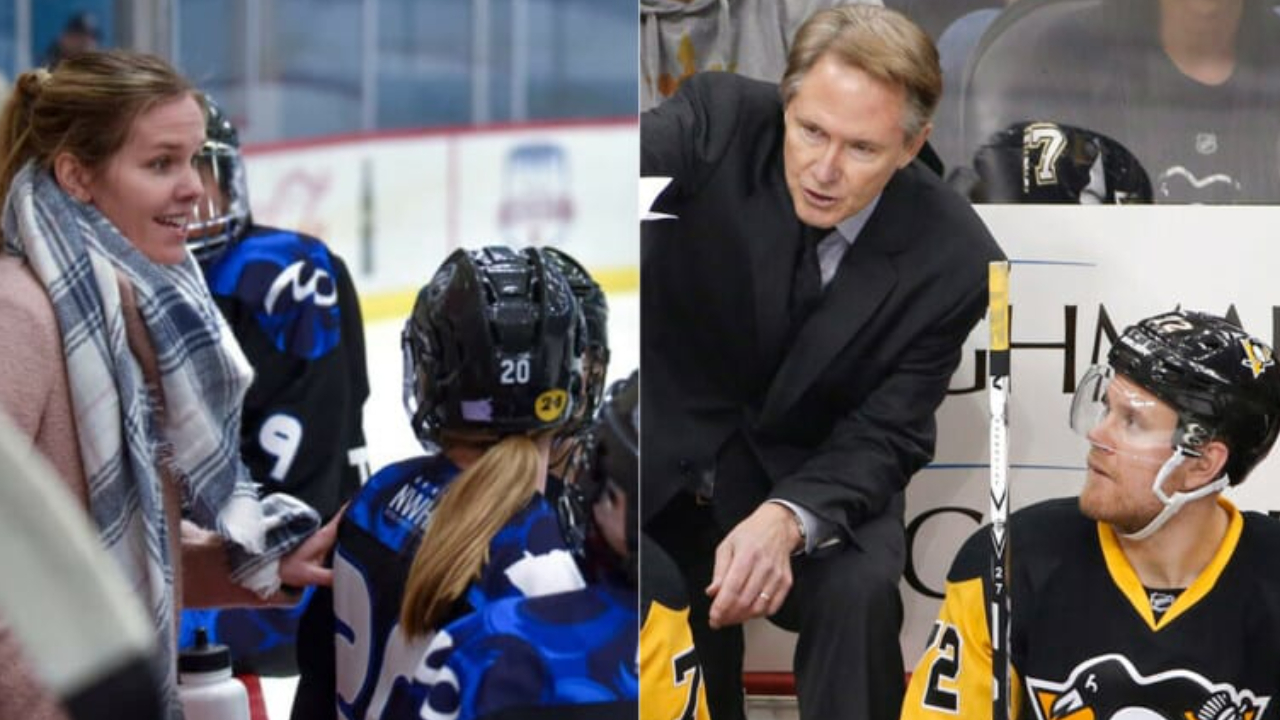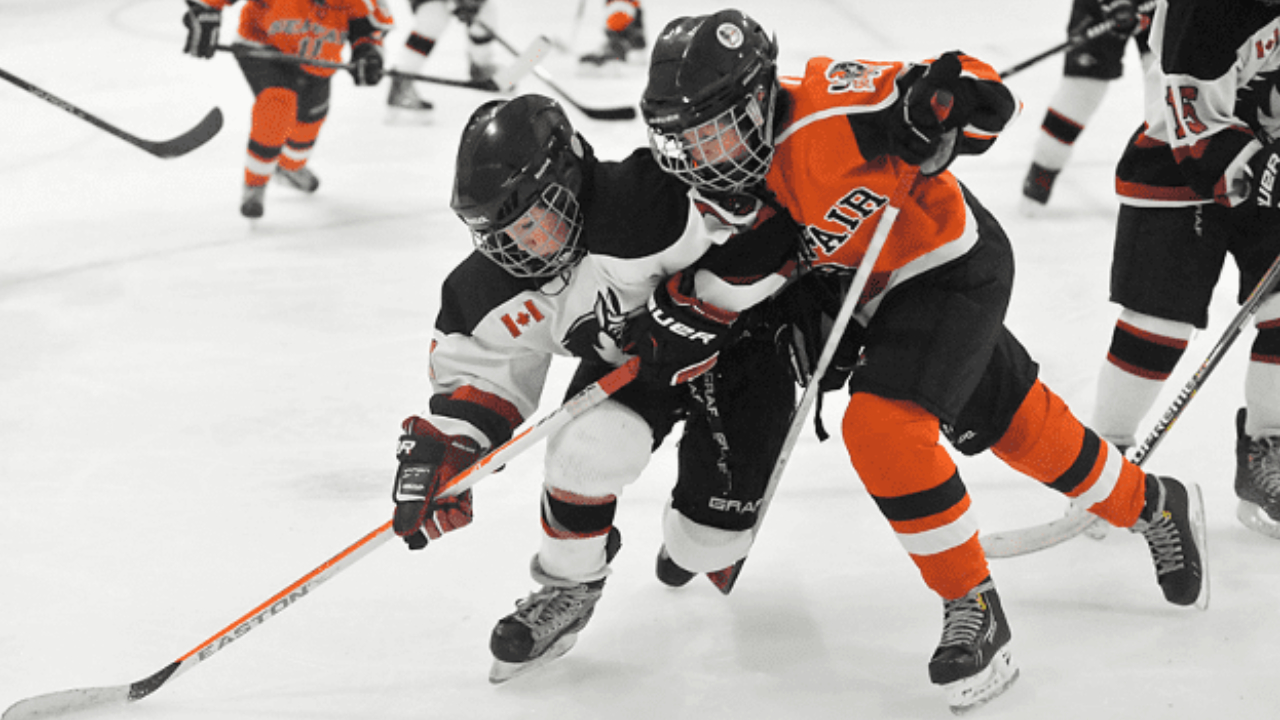

You don’t need to say a word.
Your body’s already doing the talking.
Every time you come to the bench, miss a pass, get benched, or score a goal — your body language is sending a message. And guess what? Coaches, scouts, and teammates are watching it all.
I’ve coached at many different levels, and I can tell you this: your attitude shows up before you ever open your mouth.
The Wrong Kind of Body Language:
-
Head down after a mistake
-
Slamming your stick
-
Shaking your head at a teammate
-
Looking disinterested or checked out
-
Rolling your eyes when the coach talks
That stuff might seem small in the moment, but over time it tells a story:
This player can’t handle adversity.
This player only plays hard when things go their way.
This player might be tough to coach.
And that matters.
What Coaches Are Looking For:
We’re not expecting you to be a robot. You’re human. Mistakes and emotions are part of the game.
But great players show composure. They show resilience. And they bring energy, even when things aren’t going their way.
-
You make a bad play? Head up, skate hard, and get it back next shift.
-
You’re tired? Shorten your shift and stay responsible.
-
You didn’t get picked for PP or PK? Be the best teammate on the bench.
That’s the stuff coaches talk about after the game.
"Body language is a window into your mindset."
And if your mindset’s in the right place, we’ll see it.
For Parents:
This matters for you too.
The way you respond in the stands — hands in your face, arms in the air, pacing the rink — your kid sees it. Other parents see it. Coaches see it.
You don’t need to be silent or fake, but if you model composure, your kid will learn to do the same. And that will help them way beyond the rink.
Final Thought:
Hockey’s an emotional game. You’re going to feel frustrated sometimes.
But how you carry yourself — especially when things aren’t going well — says a lot about the type of player, teammate, and person you are.
Body language is always talking.
Make sure it’s saying something good.