This is the second part to my previous post on developing players while playing in blow out hockey games. This will attempt to answer the question, "How do we develop our goalies in a clearly lop-sided hockey game?"
We found ourselves in a number of games this year where we were clearly the better team. I don't beleive in running up the score on teams, but I also understand that my job as a coach is to develop my players, and simply putting on the brakes or not trying as hard is not the answer.
Here is a link to my post on using these games to effectively develop the players on your roster.
So what about the goalies? It is far more difficult to develop the goalie on your team when they are simply not getting many shots. As a former goalie I can tell you, these are NOT fun games. It is more enjoyable to get lit up for 7 or 8 goals then to get a shut out facing 1 shot per period.
There is a temptation here to simply let the other team get some shots. I was once assitant coach on a team where the message to our team after the second intermission was to play defence with our bodies, and keep the other team to the outside, but to have a less active stick when the other team was carrying the puck so that they could gain our zone and get some shots.
There is value to be had in this approach. In the game in question, our opponent had only 1 shot in the first 2 periods. We were playing the game with our usual goalie playing as a skater, and someone who had never strapped the pads on before in net. Our third period adjustment did create a more fun atmosphere for both teams. Our first-time goalie received shots, so our team could tap him on the pads and cheer for him, and the other team actually put one by him. Their bench was electric when they scored! The game was more enjoyable, at the cost of our team playing softer. The other team certainly appreciated this change, and our tendy also had more fun in the third. So there is a spot for this approach in hockey, but it is not exactly ideal for the development of your team.
Get the goalie playing the puck
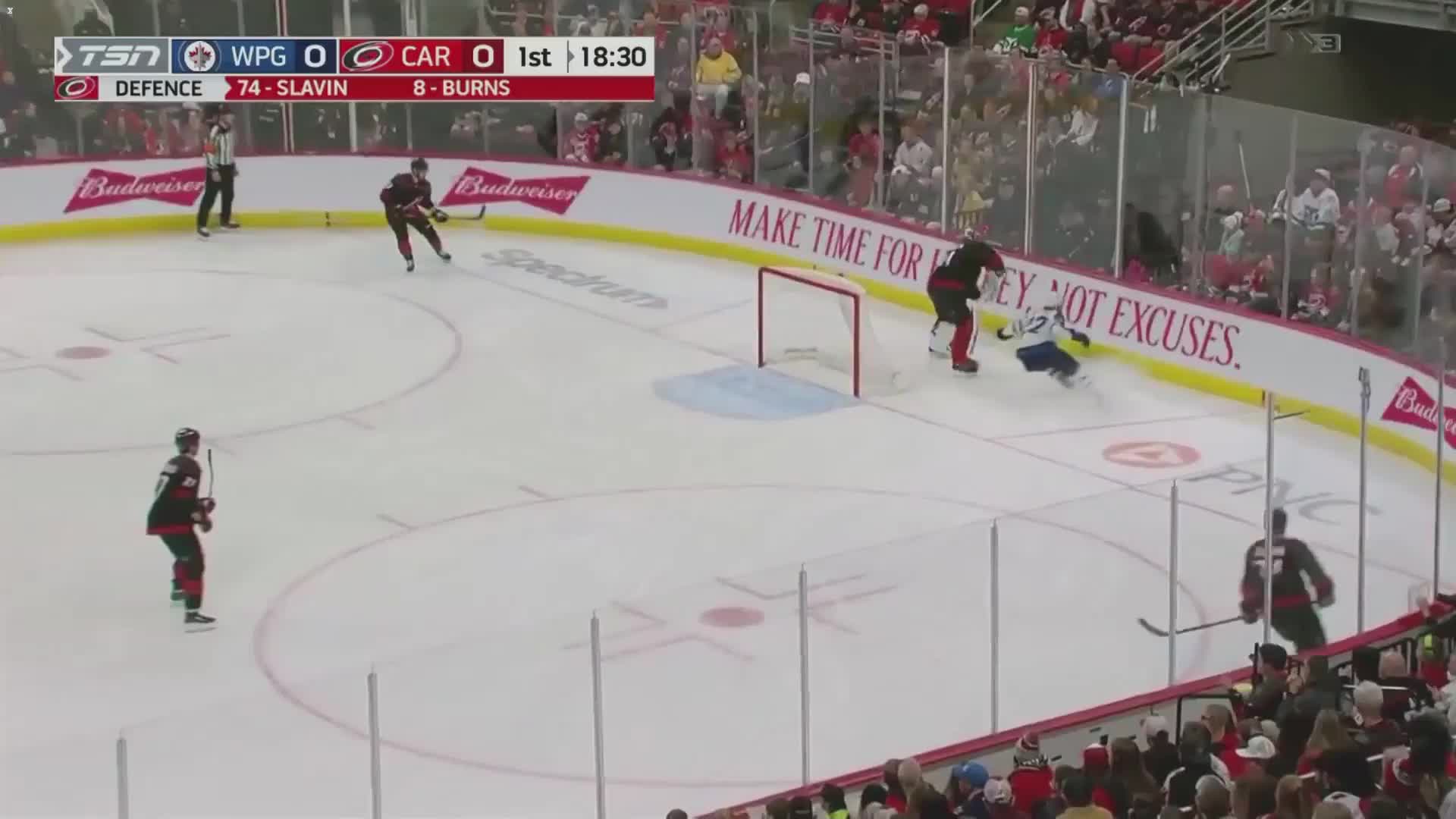
Developing our goalie's puck playing ability was a goal for our team right from the beginning of the season. I have often found it to be the case that teams that are weaker tend to ice the puck more often, as they simply try to survive in their own zone. We instruct our goalie to ensure the other team cannot ice the puck. The goalie must come out of the net and play the puck before it crosses the goal line.
There are multiple benefts here:
#1 Your goalie will stay engaged. They will enjoy the challenge of hustling to the puck to negate the icing, as well as they will be locked in watching the play. They will be ready to zip to the puck the moment it is shot from the other end.
#2 Passing and puckhandling reps. Getting these touches with time and space builds confidence. Our goalie was scared to leave the net at the beginning of the year, but was making plays on the puck under pressure by the end of the season. Usually, he would stop the puck, and bring it behind the net for our defence, but we then encouraged him to make a pass to the retreiving defenceman, and he developed this skill as well.
#3 It forces your players to develop as well. Without the stoppage in play, the players now need to skate back, perform a breakout, and re-enter the zone.
This message, of "don't let the other team ice the puck", can come during the game when you realize the score is getting out of hand or realize you are outplaying your opponent, OR it can be the message right from the get-go if you know your opponent ahead of time.
Build the mental game
The fact is, there will be prolonged periods of hockey games where goalies don't receive shots. Even close games where a goalie is tested regularaly, can have periods of 5 minutes or longer without a shot. Be intentional, and discuss strategies with your goalie to help reset and remain focused in these situations.
Some strategies may include simply going for a skate to the corner in between stoppages, or completing a specific movement routine. Our goalie may complete a couple of post to post shuffles, complete some up-downs, and then visualize a couple of 2 on 1's that involve him sliding over to make the save. These prolonged periods of inactivity serve as opportunities to practice resetting.
Conversations with the goalie during intermission and practices allow for discussions on how to reset, and which strategies to use.
**Get the goalie playing the puck....again**
As mentioned earlier, a mission of our from the beginning of the year was to improve on our goaltender's ability to play the puck. We found ourselves in a tournament where the discrepency between us and the weakest team was very large. Our opponent did not believe in icing the puck, so our goalie wasn't given opportunities to leave the net and make a play, and they had only 1 weak shot on goal in the first half of the game. No one was having fun. We employed a number of strategies to ensure our team wasn't running up the score while still developing, but it was just a clear mis-match.
Our defensive coach let the defencemen know that they were to look for opporunities to get our goalie involved by playing the puck back to him, and then opening up so that he had to make a pass.
I highlight this option because I didn't like it. I did like the thought keeping him involved in the game, and passing back to him did allow him to get more touches and work on his passing. This fit into our team model of developing our players. I just struggled with the idea of making such a "non-hockey play" in order to create this development. Although not the coach's intention at all, I think it lead to the interpretation of being disrespectful to the other team. Our D passed it back to the goalie on 5 or 6 occassions, before the message came from the bench that we were not going to do that any more.
The intention was good, but it didn't feel right to me.
Develop the skating
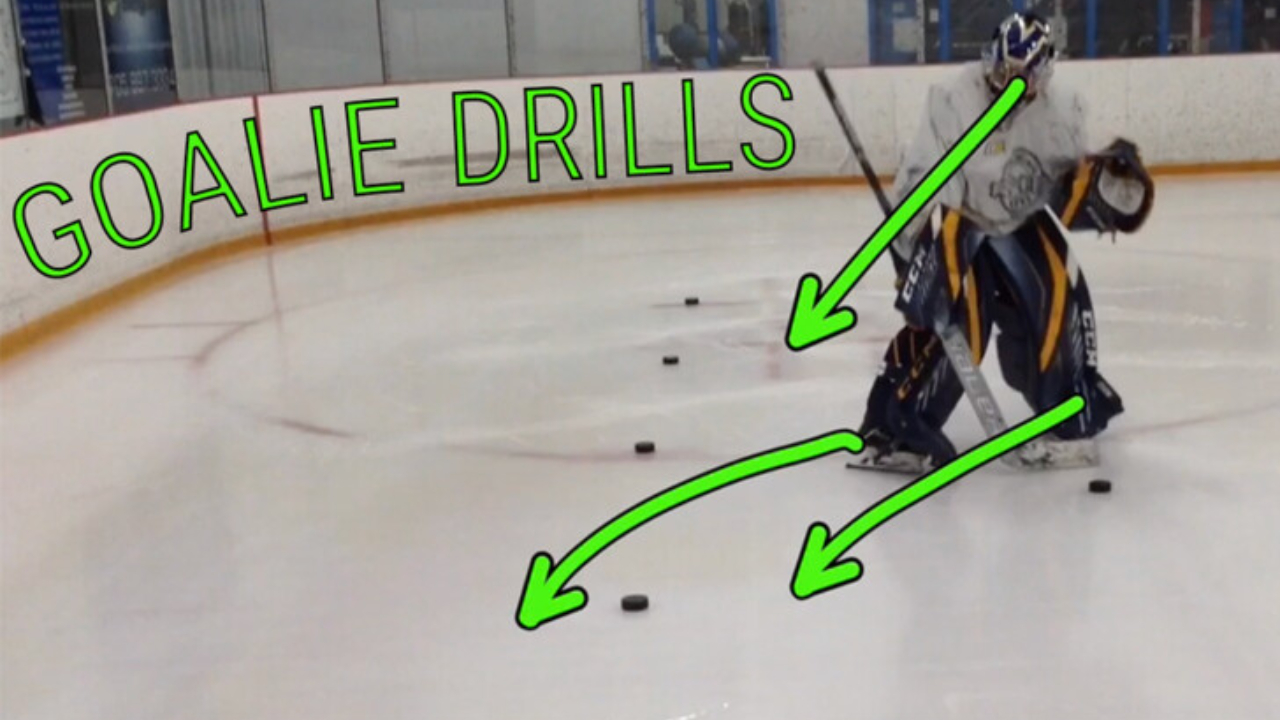
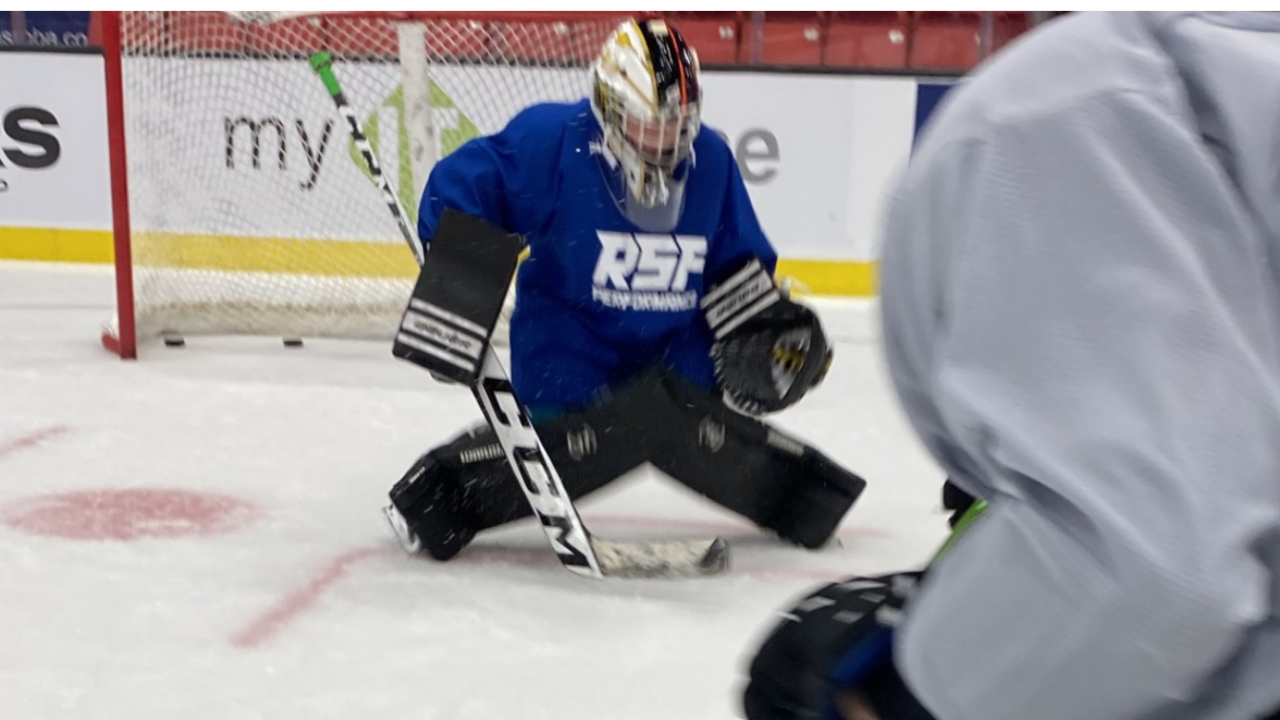
Our goalies spend the first 10-15 minutes of every practice developiong their skating. T-pushes, c-cuts, butterfly shuffles, pivots, post-work and more are areas that we work on before they face any rubber.
Build a repetoire of movements with your goalies, and they can use stoppages in play to continue to practice these movements.
They don't need to exhaust themselves skating all around the zone, but encouraging them to use their time on the ice to develop helps them reach their potential. They should be performing these movements in-game when they have a break in the action. Especailly in a game where they are not receiving many shots.
It is tough to help the goalies develop in games where they are not receiving shots. What other strategies do you use to ensure your goaltenders continue to improve, even when facing a weaker opponent? Share in the comments!