My U13 team started their season in the wrong division. We knew right from the get-go that we were not going to have many close games. Thankfully, our league restructures after the Christmas break to ensure that teams will be playing against similar competition for the second half of the season.
We finished with a 10-0 record on the first half of the season with only two of the games being close in score, (even though the gameplay was still pretty one-sided).
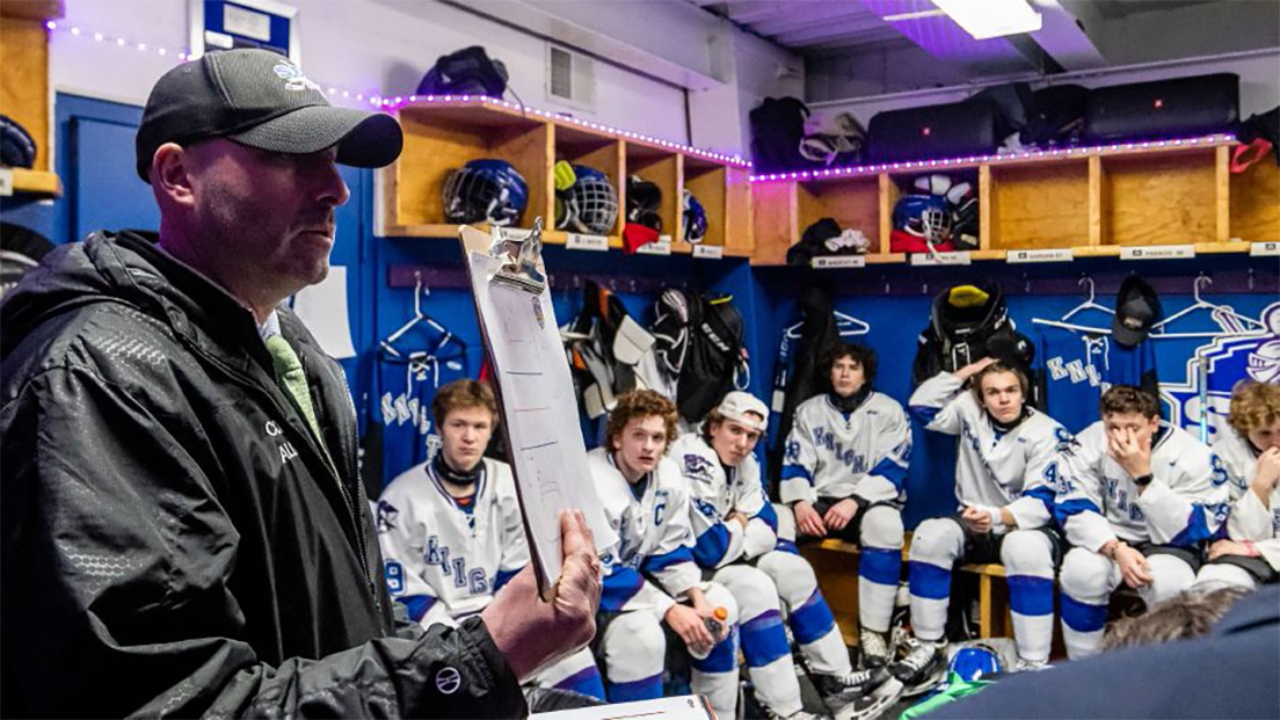
Our staff knew before the first game even started that we were going to be playing against some weaker competition. We decided as a team, players and staff included, that we were going to use game-time to truly develop, not simply win games.
So this post is for the coach that finds themself in the same situation. How do you develop your players when you are consistently playing against weaker opponents?
I certainly don't have all of the answers, but here are some of the things we did this year, and lessons I learned from the season.
#1 Be honest with the players, and build by-in to truly developing.
The players on my team needed reminders throughout the season, but I feel that they truly bought in to using game time to develop.
Our team had more top end speed and skating ability than the other teams in the league. Our "burners" could gather the puck in the defensive end, and skate in and get a quality shot off nearly every single shift if they chose to. We had many discussions as a team that while it was possible to do this, shooting off the rush wasn't making us a better team. It may result in goals in the here and now, but come the promotion to another division after Christmas, we wouldn't be able to simply skate in and take a quality shot.
This idea of using our game time to truly develop and help each other get better was key in helping us build our team culture. I truly feel that our players bought in to this idea, and we reaped the benefits in the second half of the year because of it.
#2 Commit to a style of play
This was a big one for our group.
Many coaches have found themselves in lop-sided games, and many have adjusted their play-style to keep the score from getting out of hand. A common adjustment I often here coaches make is encouraging things like, "3 passes before you shoot".
This message usually comes part way through the second period, or during the second intermission, after their team has secured a healthy lead.
I let our coaching staff know that we were not going to be THAT team this year. We knew from the get-go that we were going to win games in the first half of the season. We did not need to first secure a healthy lead, AND THEN begin looking for extra passes. We were going to implement the changes listed below right from opening puck-drop.
#3 Use game time to practice
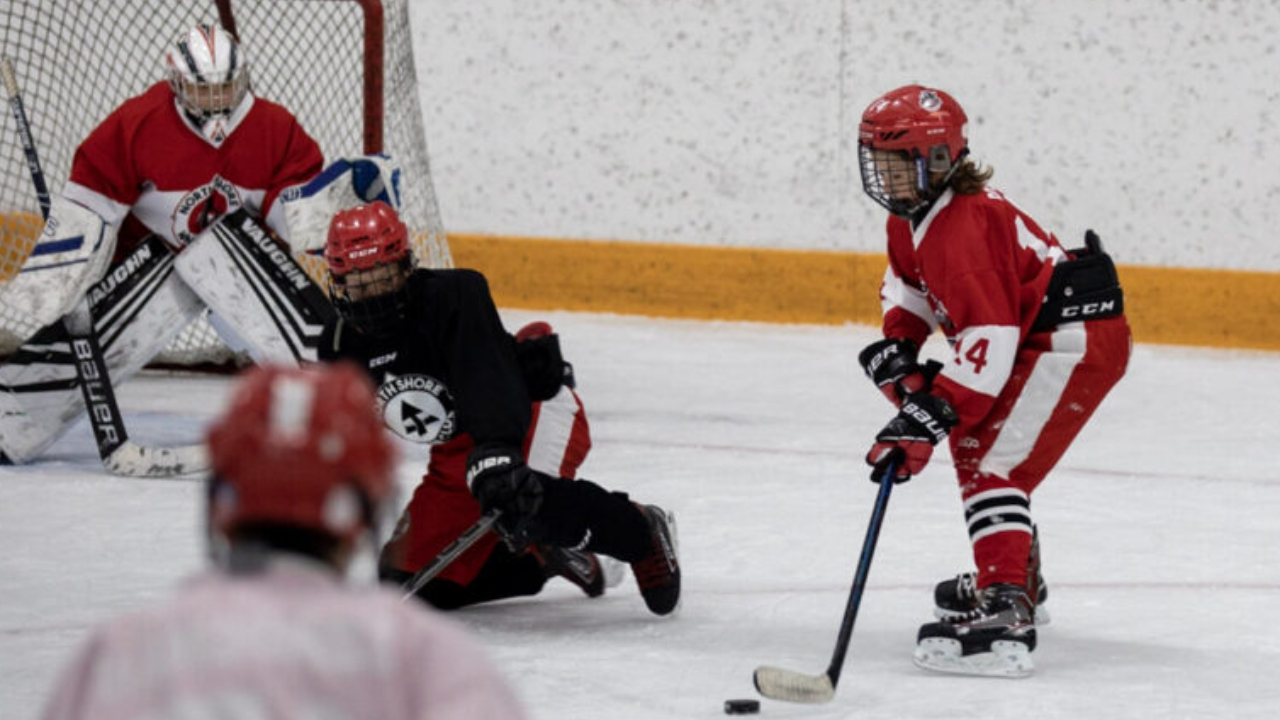
I think this is arguably the best piece of advice I can give to using lop-sided games to truly develop and make your team better. When playing a weaker opponent, your players will often find themselves with more time and space. Use this extra time and space to intentionally work on concepts being covered in practice.
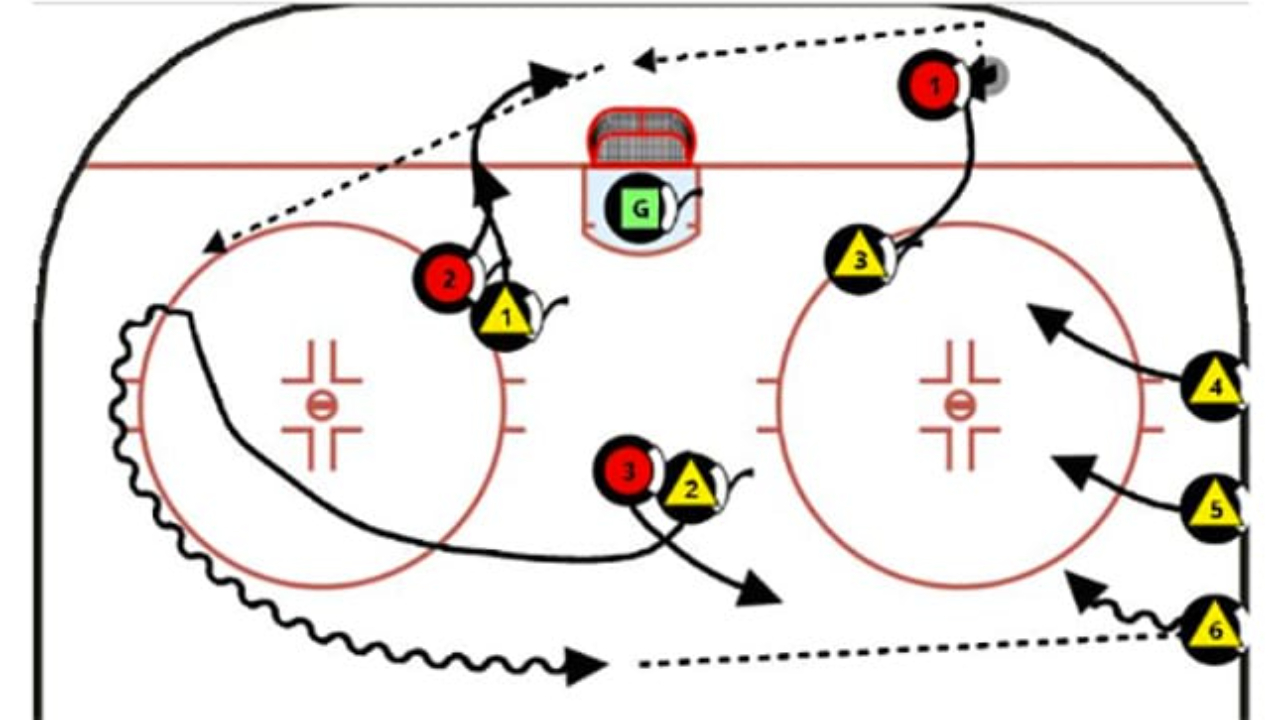
For example, many of my U13's had no idea what it meant to cycle the puck at the beginning of the year. After my first practice teaching the concept, I realized that we would need A LOT more practice time working on the concept until they would truly figure it out. It wasn't going to click after 15 minutes and a handful of reps on a Tuesday evening.
So during an early season game where the players had a desire to rush the puck and fill the net, we had a talk in the dressing room. We explained that we want to use our game to improve and build on our understanding of cycling the puck. We were going to use the time and space the team was giving us to practice cycling, so that we could use our practice slot during the week to develop our skills in other ways and to complete "more fun" drills. So we had an overal message of, "look for opportunuties to cycle the puck", but would also give certain lines challenges. At different points in the game I would say to our forwards, "For this shift, I want you to cycle the puck from high to low 3 times before you look for a shot".
This way, they were intentionally using the game time to practice a particular concept.
We worked on various other challenges throughout the year as we covered new concepts.
One thing our team developed this year was our hockey vocabulary, and how to create offensive opportunities. We talked about low - high scoring opportunities, east-west opportunities, tips and deflections, and much more.
We would set challenges for each line to try to produce using a specific strategy. So at the door before a shift, I might challenge our forwards to create an East-West scoring opportuninty before they can shoot. Then, challenge the next line to cycle the puck twice before shooting. Then challenge the next line to score on a high-low opporunity.
These challenges allowed us to work on concepts taught in practice, highlight our deficiencies in them, which then allowed us to address those once again in practice. They provided game speed reps and forced our team to have new looks on the ice.
Something to consider here is that there is a balance to this approach. We don't want to be discouraging creativity, and want our players to develop their hockey IQ. If we are simply telling them what to do every time on the ice, that will have a negative impact on them. So these "challenges" we give the kids need to be intentional, and effective.
We were candid with our players in saying that we did not want to kill creativity or limit their options, but in a season where we could just skate and rush the puck over and over, we didn't want the players simply settling for an easy shot. We wanted them to create other scoring opportunities, and learn to see the ice from new angles. I think that this message, and this intentional practice time during games truly helped our team continue to develop, which in turn lead to second half success when we were in a tougher division.
#4 Develop Hockey Players - Not just positional players
I think that this is probably a pretty common one that coaches do, but I still thought it is worth highlighting.
When we had our parent meeting at the beginning of the year, I made it clear that my job as a coach is to develop hockey players. I was not just developing defenseman, or forwards, but players of the game who could fill different roles and who understand the game of hockey, not just what they see in their positional bubble.
We looked for opportunities to rotate players into different positions all season long. We would sometimes make changes in between periods, but these changes were not based off the score. We didn't wait for our star player to fill the net four times, and then cut him off and sent him back to defense, but rather we made decisions on how we want to develop a player, placed them into a position, and helped them grow throughout the course of the game.
This helped keep the score more respectful as we moved players out of their comfort zone in different positions, but also truly accomplished what we set out to do. Players are forced to utilize different skills in different positions. Players who would typically play forward were forced to anticipate and make plays on the puck while trying to hold the line. They had to shoulder check on and complete puck retrievals. They improved on their ability to tie up and battle in front of the net, and box out and clear rebounds.
My typical defenceman also worked on new skills. Faceoffs, getting out to the D-man to block shots in the defensive zone, catching rimmed pucks and breaking out, getting opportunities to cycle the puck in the offensive zone, and crashing and banging at the net.
I think that most players are introduced to all positions when they first transition to full ice hockey, but I think it is a really good idea to revisit different positions later on and at different points in their hockey career, as different age and skill levels will highlight different strengths and weaknesses within their game.
Another positive that came out of this In our situation this season, was that the kids truly had fun. When players are placed outside of their usual comfort zone, they have to problem solve, access skills that they don't regularly use, and truly work hard. This is engaging.
Position shuffling certainly helped our team at the end of the season as well. We found ourselves in the playoffs at the end of the year when we were in a higher division and it seemed our defenceman were having some disciplinary issues and were on a parade to the penalty box one after another. We were in a close game, playing in five on three and five on four situations and we didn't have many of our usual defence available.
Well, every single one of our forwards had a minimum of eight periods of hockey on defence by that point in the season. We were able to pull forwards back and to play defensive positions, and they were able to get the job done and get us through the penalty kill.
#5 Other Restrictions
Perhaps you are not in the same situation that I was. Maybe your team isn't consistently way stronger than your opponents, but maybe you happen to find yourself in a game that turns into a blowout. There is either a week team in the league, or you entered into a tournament and there happened to be a mismatch.
Here are a few other restrictions that we put in place this year at different times that are in the same realm of, " 3 passes before you shoot".
"If you carry the puck over the blue line, a pass needs to occur before a shot can take place".
Once again, we don't want to kill creativity or develop bad habits, but at times when the score was getting out of hand, we would enact this restriction. It helped distribute the goals around on our team a little more evenly, and it helped develop our players. Our burners were shoulder checking while carrying the puck up the ice to see where their teammates were following them. They were making drop passes, or moves to get the defender to commit to them and then distributing the puck. It was also putting the puck on more player's sticks, which allowed for more development.
"On 2 on 1's, two passes before a shot".
Again, this rule would be instituted only after seeing a number of successful two on one opportunities. The purpose is simply to create new looks, and find new ways to put the puck into the net.
"Slappers Only"
This is not one that I instituted, but I will share a story about a U11 coach I once worked with who did not allow his team to take slap shots during games. He would tell the players that not one of them had developed their slap shot to the point that it was a better choice than another shot in their arsenal. they were to use their best shot possible to score.
The coach found himself in a lopsided game where his team was clearly the better team. He told his team at the second intermission that they were to use slap shots every opportunity they had. For the rest of that game, they fanned on shots, missed the net, put the puck straight into the goalie, and I can't remember for certain, but probably scored a goal or two as well.
While this particular example is not one that I used, I do you like the idea of using game time to intentionally develop a weaker skill.
Unless you are a hired coach, your primary job is not to "win games", it is to develop players. I think players develop best when they are having fun, and playing in a competitive games. Unforuntaley, not all games are competitive. Hopefully, you now have a few more ideas on how to truly develop your players even when playing in non-competitive games.
P.S. - Share in the comments other strategies or ideas you have seen implemented to develop your players in these situations.