
Are We Coaching Players to Overthink the Game?
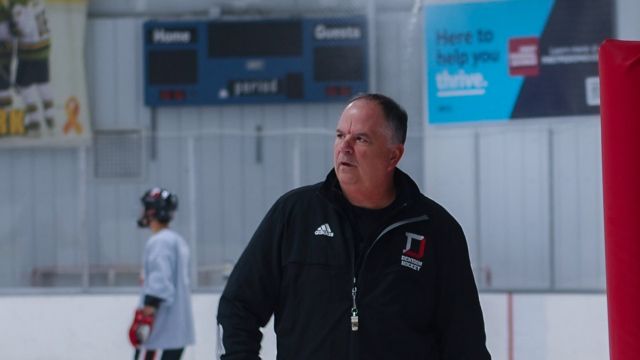
By Jeff German, Head Coach, Albright College (NCAA D3)
Modern hockey coaching has never been more sophisticated. We have access to endless video, advanced metrics, detailed skill progressions, precise systems, and carefully scripted practice plans. All of it comes from a good place. We want to help players get better. We want to give them every possible advantage. Yet an uncomfortable question deserves to be asked and defended honestly. Are we, as hockey coaches, creating players who are overthinking the game?
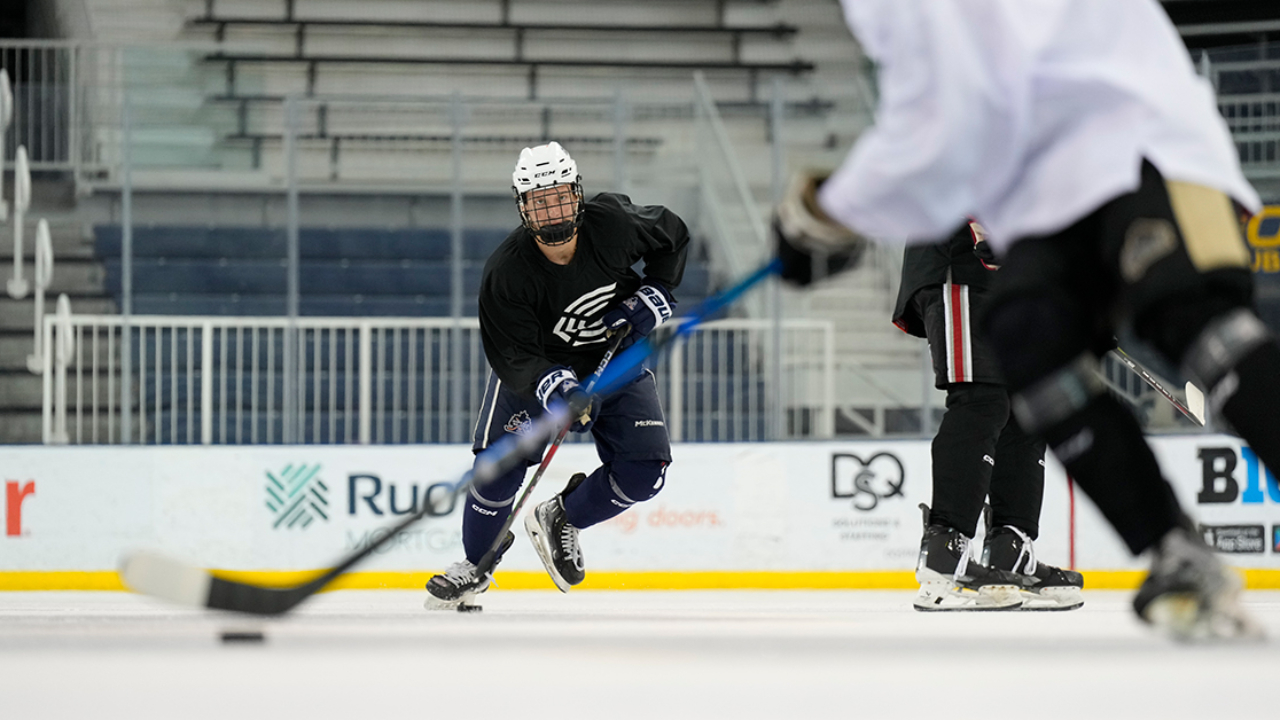
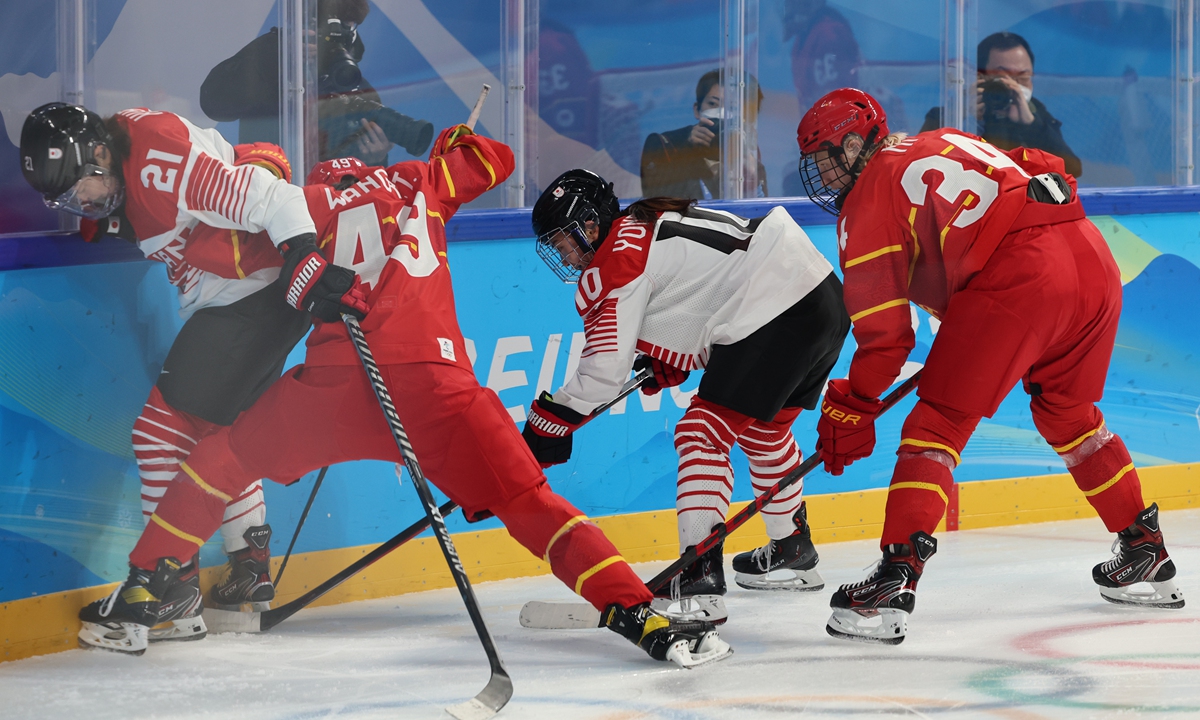
Hockey is, at its core, a fast, fluid, reactive sport. The game unfolds in fractions of a second. Decisions are made not in meeting rooms or video sessions, but in chaos. Bodies collide, sticks battle, and time disappears. Increasingly, however, we ask players to process layers of instruction. Reads, routes, systems, positioning, angles, edges, gaps, body posture, and puck support rules fill their heads. Somewhere along the way, the simplicity of the game risks getting buried under information.
Video is a powerful tool, but it can also become a trap. Freeze frames and rewinds invite perfectionism in a game that will never be perfect. Skills training, when isolated from context, can turn movement into choreography rather than instinct. Systems, when emphasized too rigidly, can turn players into obedient pieces rather than creative problem solvers. The player on the ice is no longer just reacting to what is in front of them. Instead, they are replaying the coach’s voice in their head, afraid to deviate.
As I take on my new role as an NCAA Division III hockey coach at Albright College, I have entered a new level of recruiting and player analysis. I am watching more games, more benches, and more interactions than ever before. I see systems layered on top of systems. I watch Junior coaches on the bench, and I overhear their conversations with players at showcases that make me pause. The instruction is constant. The reminders are relentless. It makes me wonder how often players are told to simply go out and have fun, play free, and be great. How often are they encouraged to trust themselves rather than follow a script?
I also have to acknowledge that I am guilty of this myself. I have been the coach who fills the whiteboard, who pauses video one too many times, who wants to make sure every detail is covered. My intentions have always been good, but intention does not erase impact. Recognizing that tendency forces me to ask whether my coaching has always created clarity, or whether at times it has added noise.
This is where small area games deserve revisiting, not as we often use them today, but as they were originally intended decades ago. Small area games were not designed as another drill with a checklist of teaching points. They were created to strip the game down to its essence. Compete. Read. React. Create. They forced players to make decisions quickly, to try things, to fail, to adjust, and to discover solutions on their own. They were a place where players played, not performed.
Today, even small area games can become over-coached. We stop play to correct spacing, remind players of habits, and reinforce concepts. In doing so, we may unintentionally drain them of the very freedom these games were meant to provide. Instead of experimentation, players seek approval. Instead of creativity, they default to the safe play they know will not draw correction.
In our push to develop hockey IQ, we should ask whether we are teaching players how to think, or simply what to think. There is an important difference. True hockey sense is built through experience and pattern recognition, not obedience. When players are conditioned to wait for instructions, they stop trusting themselves. They play cautiously. They stop trying things just to see if they work.
Perhaps most concerning is the risk to the very reason players play the game in the first place. Love. No one falls in love with hockey because of systems diagrams or perfect angling. Players fall in love with the game because of freedom, competition, creativity, and joy. They love chasing the puck, battling with friends, scoring goals, and trying something new simply because it feels right. We never want to tamp that down. Once joy is replaced by fear of mistakes or fear of correction, something essential is lost, and it is very difficult to get back.
This is not an argument against teaching. Coaching matters. Structure matters. Details matter. But intention matters just as much. Are we coaching to serve the player, or coaching to justify our presence? Are we filling every moment with instruction because it is needed, or because silence feels uncomfortable?
Sometimes, the most powerful coaching choice is restraint. Sometimes the game itself is the best teacher. Sometimes telling a player to go out, work hard, get the puck, and score is coaching enough. That is not lazy coaching. It is trust. Trust in the player’s instincts. Trust in the game. Trust that development does not always come from instruction, but from experience.
There is no final answer to this question, only an ongoing responsibility. As coaches, let us be careful not to coach for the sake of coaching. Let us protect the freedom, creativity, and love that make hockey what it is. Because once players stop playing naturally, no system in the world can bring that back.