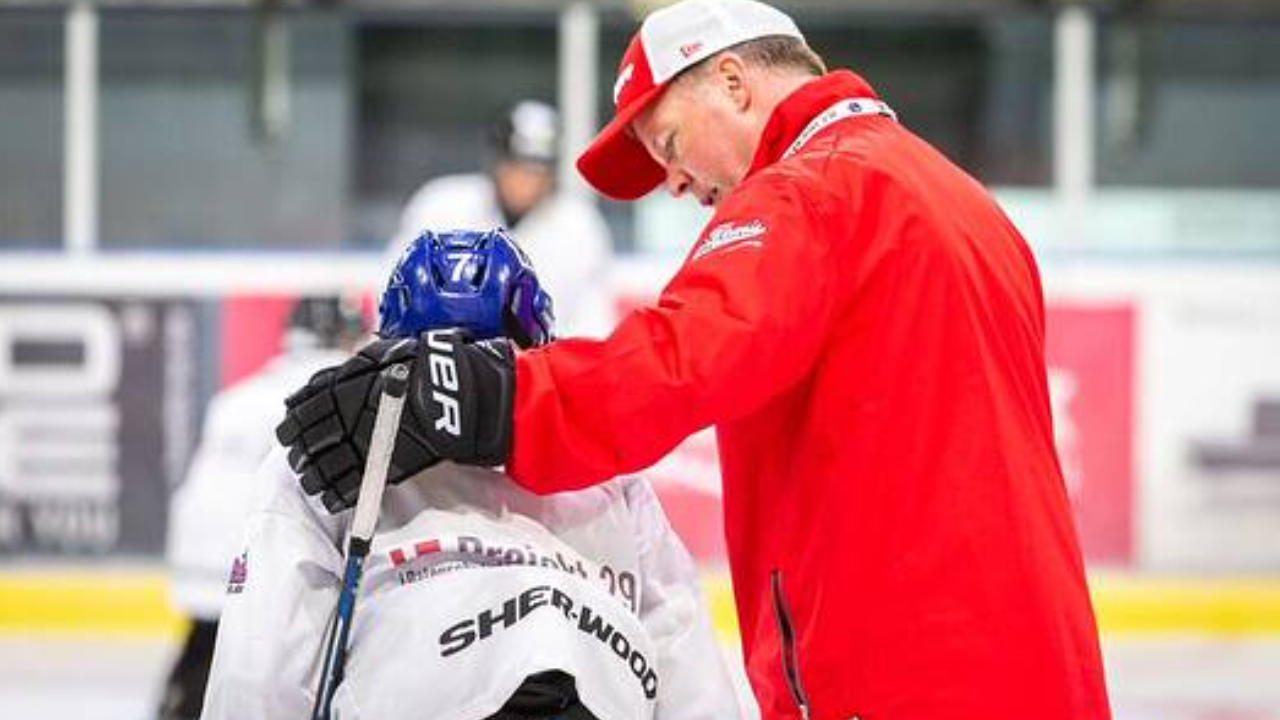
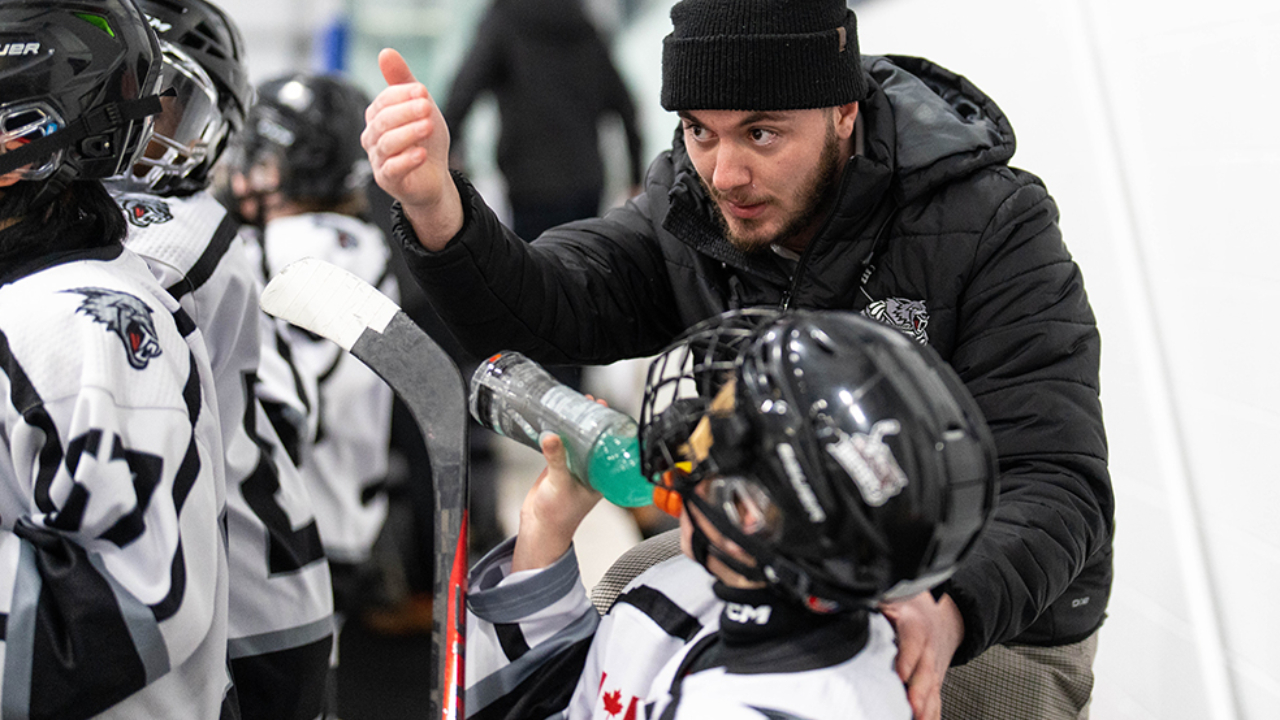
This weekend was a good reminder that coaching isn't always about teaching hockey.
My 12U team tied 2-2 Saturday and lost 5-4 Sunday.
The results weren't really the issue. Their approach was.
Saturday, their lack of focus started before they even got on the ice. Their off-ice warmup was poor, then their on-ice warmup was poor, and then their effort and attention to coaching during the game was not where they needed to be.
I cut their off-ice warmup short because of the lack of focus.
I stopped them halfway through their on-ice warmup to address what I was seeing.
After each period, I told them exactly what would happen at Tuesday's practice if the effort didn't improve.
Sunday was better from an effort and focus standpoint, but being coachable was still an issue. During Sunday's game, 8-9 players sat for a shift. Not multiple shifts. Just the next one.
Before the game, I told them: "If you want to play your next shift, you have to play your last shift." Then gave them examples of what that would look like.
When a player or line was sat, they were told why and what they needed to do differently and all reasons centered around effort and being coached.
That's accountability.
It's not about punishing a player for making a mistake. Mistakes are part of development. It's about holding players accountable for the things they can control: effort, focus, attitude, listening and being coachable.
Because the effort and focus improved Sunday, I adjusted Tuesday's consequence. Instead of skating the entire practice, they would skate for half of it.
Why? Two games over the weekend. They showed up for half of what I expect from them, so we will skate for half.
Then before practice started Tuesday, we held a team meeting and spent 10 minutes talking about expectations, why effort and being coachable matter, and why being held accountable is important.
Then they skated for 30 minutes.
No pucks.
No drills.
Just them and their teammates - together!
Sometimes the lessons we teach through hockey have very little to do with hockey.
These players are 11 and 12 years old. I want them to understand that their choices have consequences, that their teammates depend on them, and that accountability is something they need to learn to accept—not something they should avoid.
We are developing hockey players.
But we are also developing young people. And sometimes, that's the most important part of coaching.