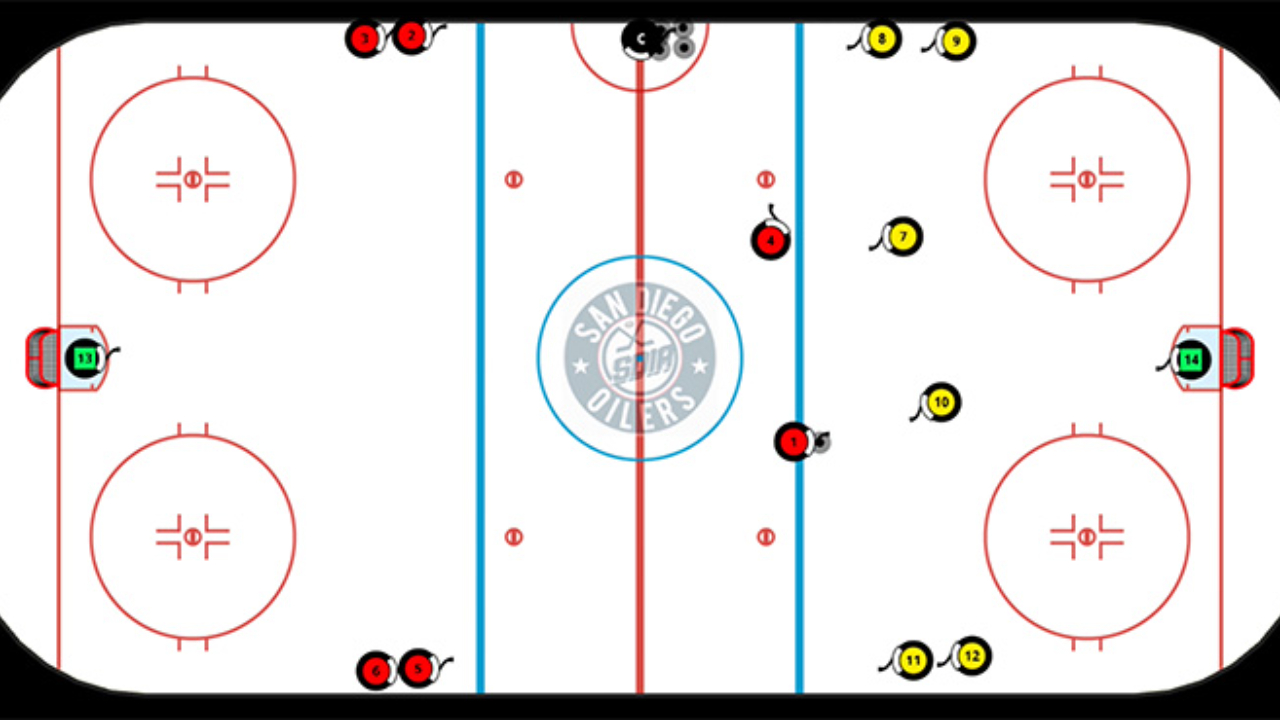
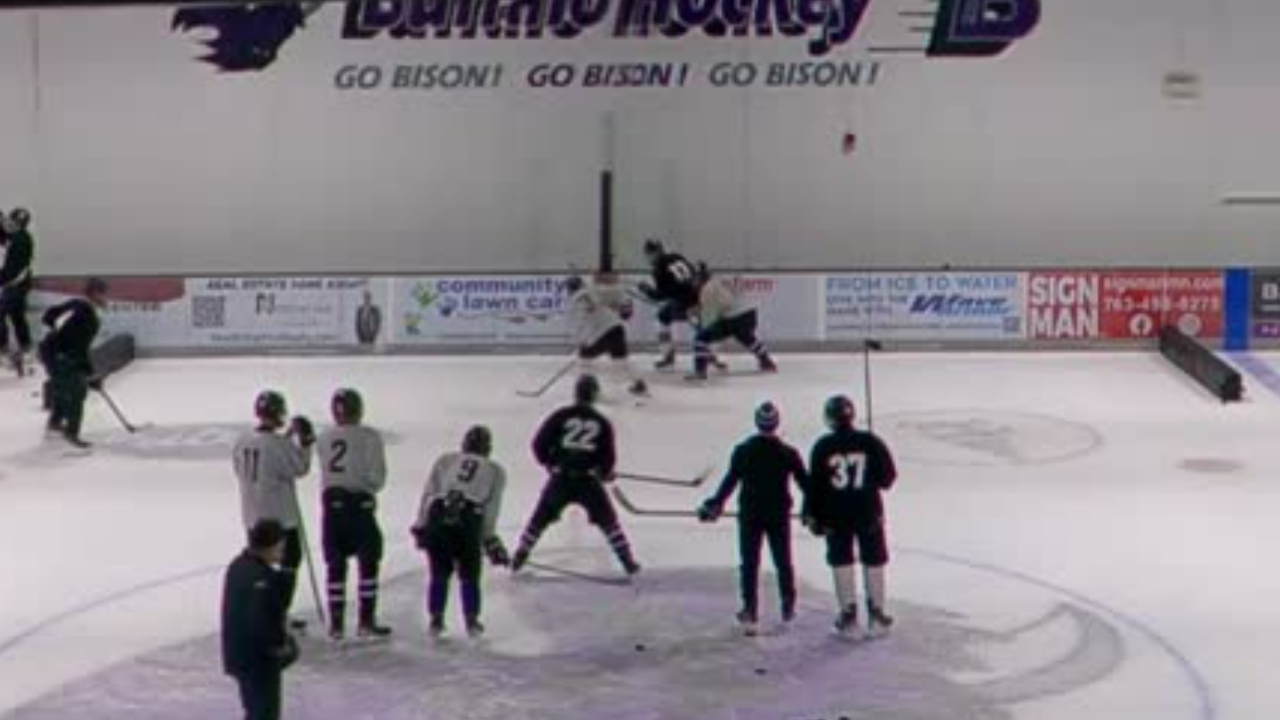
We’ve improved this year.
Our breakouts are better.
We understand our positions more consistently.
We forecheck harder.
We’re not running around nearly as much as we were in September.
But we’re not scoring.
And for a while, I caught myself thinking it was a skill issue.
It’s not.
It’s on me.
The Numbers Don’t Lie
Against stronger teams, we’re averaging around 15 shots or less. Against weaker teams, we get more volume, but we don’t finish consistently. Most of our goals come from breakaways, rebounds, or one player making an individual play.
That’s not sustainable offense.
That’s chaos offense.
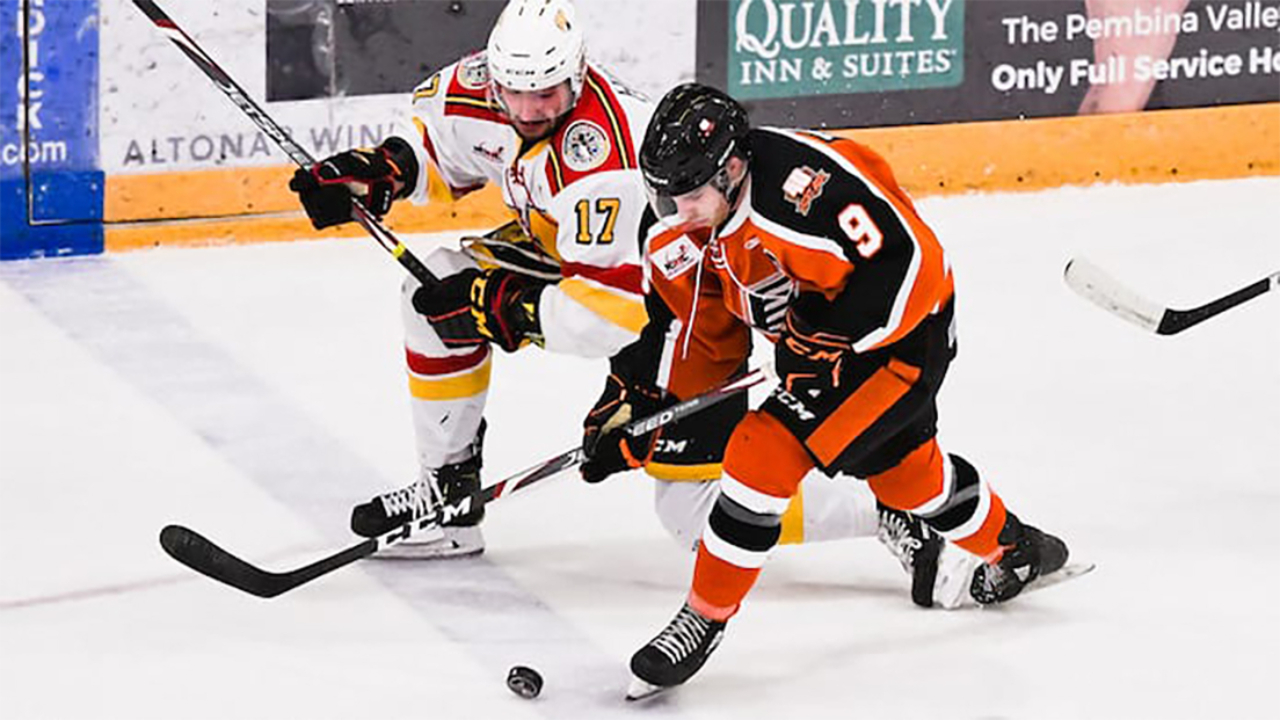
We’ll drive the puck wide, but no one goes to the net.
We’ll get cycle time, but we chase the puck instead of creating layers.
We’ll go low to high, but then blindly throw pucks into shin pads.
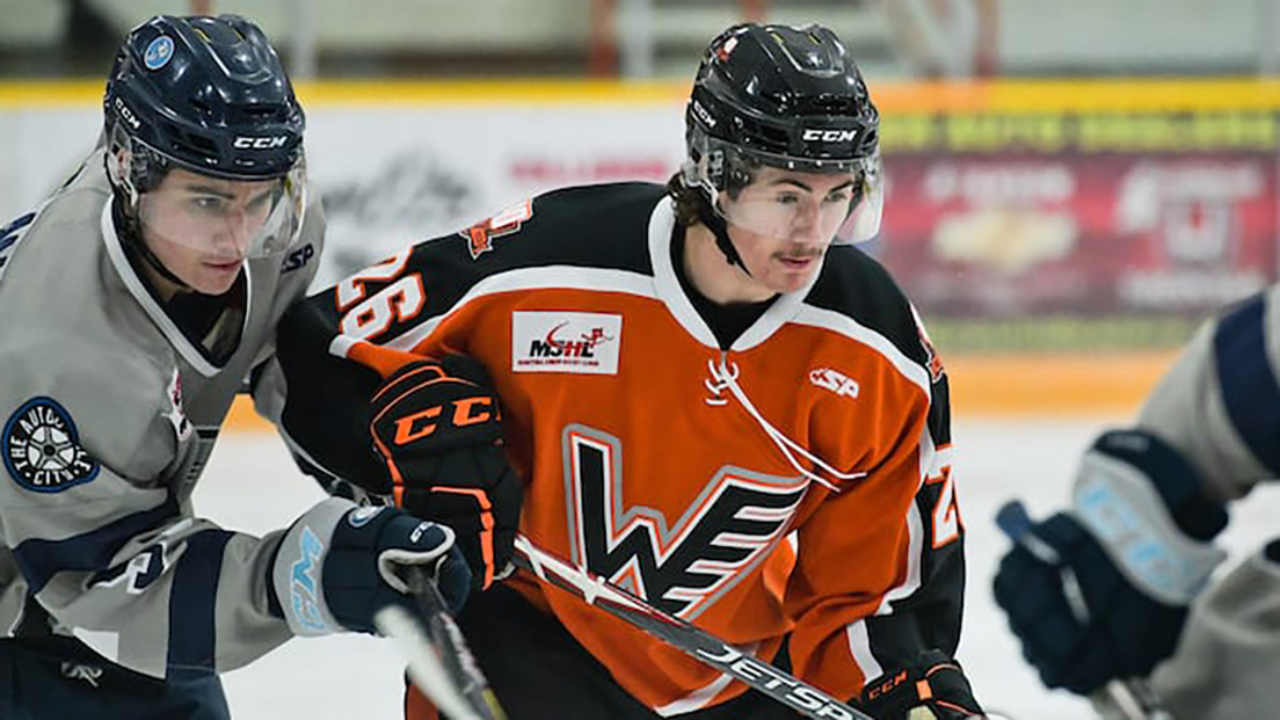
Usually we have one player inside the dots. Sometimes none.
Our net-front player doesn’t move to find soft ice. They let themselves get covered. F3 drifts too high above the circles. We throw pucks up the wall to a covered defenseman. We rush passes instead of holding onto it for one more stride.
And when the puck hits a stick in the offensive zone, you can almost see the anxiety.
Don’t mess up.
Don’t be the reason for a goal against.
Move it quick.
So they do.
They move it quick — right into pressure.
What I Realized
I built our season around structure.
Breakouts.
Positioning.
Forecheck pressure.
2v1s. 3v2s. Rush offense.
I assumed the scoring would come once we were organized.
I assumed that if we were “in the right spots,” offense would just happen.
It doesn’t.
Being in position isn’t the same as knowing how to attack.
At U10, kids don’t automatically understand:
- How to create space off the puck
- How to find soft ice in the slot
- When to stay net-front and when to slide backside
- How to relocate after a pass
- How to layer an attack instead of taking one shot and leaving
I expected them to read those things.
I didn’t explicitly teach them.
That’s on me.
The Harder Question
If I asked our players, “Where do goals come from?” I’m not sure they could clearly answer.
We work on forecheck.
We work on exits.
We work on structure.
But do we work on scoring identity?
Not enough.
We don’t hold pucks long enough to let a play develop.
When we do, we don’t always have support in dangerous areas.
Spacing isn’t natural yet.
Timing isn’t natural yet.
And I don’t fully understand how to teach all of it yet either.
That’s uncomfortable to admit.
But it’s real.
It’s Not a Skill Problem
I’ve asked myself:
Do we not have enough skill?
Do we not pass well enough?
I don’t think that’s it.
When we play less structured teams, we score more. When things are free-flowing, we’re dangerous. But when teams defend inside, we stall.
That tells me it’s spacing. It’s layers. It’s patience. It’s understanding how to attack inside structure.
That’s a coaching gap, not a talent gap.
What Changes Now
I’m not scrapping what we’ve built.
Structure matters.
But we’re shifting some focus:
More offensive-zone reps that teach movement after the pass.
More work around net-front positioning and second chances.
More teaching of where the next layer comes from.
More clarity on what F3 actually does in-zone.
More conversations about holding onto pucks for one extra stride instead of panicking.
We don’t need to overhaul everything.
We need to intentionally teach offense the same way we intentionally taught structure.
The Real Lesson
It’s easy to teach kids where to stand.
It’s harder to teach them how to create.
It’s easy to coach systems.
It’s harder to coach instinct within a system.
I built a defensive foundation first, and I don’t regret that.
But if we want to score consistently, I must grow as a coach.
Because if we’re not generating inside offense, that’s not on nine-year-olds.
That’s on me.
And that’s the part of coaching no one sees on the bench.
About the Author
I’m Jesse Candela, a U10 Rep A coach and regional scout in the OJHL. I share the real parts of coaching — the mistakes, the adjustments, and the growth — because I believe development starts with coaches being honest about what we’re still learning.