Unlock Cutting Edge Coaching Content
Activate a 30 day free trial of TCS+ to access this full post, along with the latest drills, tactics, and leadership lessons from hockey's top coaches.
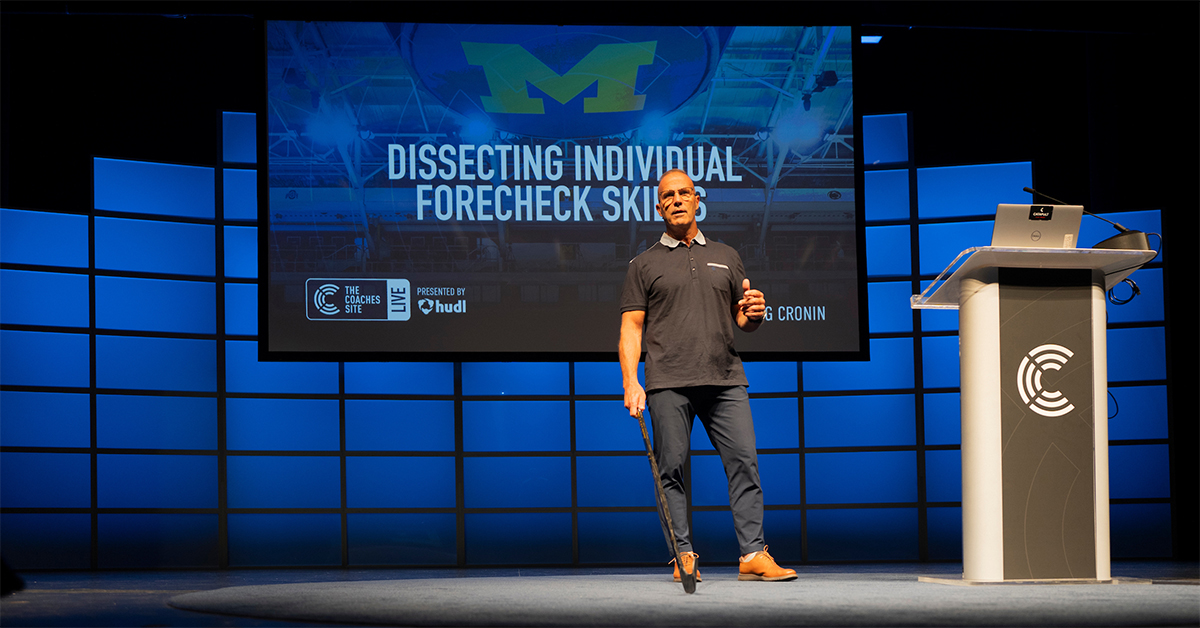
At TCS Live 2025 in Ann Arbor, Pierre Allard shared how a data-driven approach can transform the way we design practices. After a decade of professional hockey, Allard earned his Master’s degree in sports science and brought that knowledge into coaching. Now an Assistant Coach with Genève-Servette HC, he uses a blend of science and experience to help players train smarter, stay healthier, and perform at their peak.
While working with the Montreal Canadiens, Allard collected a full season’s worth of data on player workload. He tracked physical effort and on-ice load, hoping to understand exactly what demands players face over time. The findings reshaped how his teams train. By building practices around full-intensity drills, players adapted to the physical pace of games and experienced fewer injuries as a result.
“If we want players to perform at game intensity, we have to train at game intensity.”
Alongside designing more efficient practices, the data allowed Allard to establish individual baselines for each player. When injuries occurred, those baselines served as recovery targets. Players knew what they were working back toward, and coaches had a clear sense of when each athlete was truly ready to return.
Using Data to Guide Practice Design
Allard’s research gives coaches practical tools to evaluate and improve their training plans. His goal was to understand exactly what outputs players produce in different settings—practices, games, and off-ice workouts.
The data was divided by position and measured several key metrics: on-ice load, load per minute, and counts of specific actions such as stops, starts, strides, and maximum speed. This helped his staff see how the physical profile of a defenceman might differ from a forward, and how to design practices that replicate the unique demands of each role.
“When we match our training to the true intensity of competition, we prepare the body for success.”
Quality Over Quantity
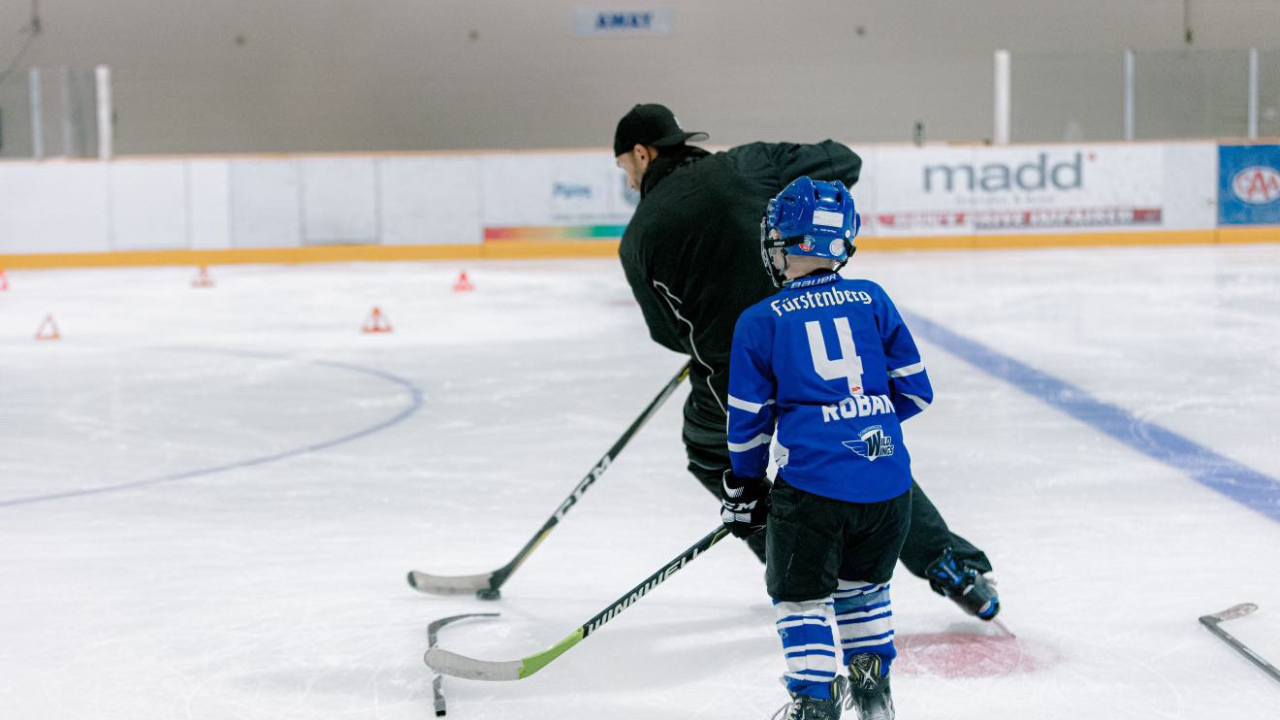
For Allard, effective practice is not about how long players are on the ice, but how purposeful that time is. He encourages coaches to inform their players before high-intensity drills that they are being measured. That awareness often brings out sharper execution and effort.
“You want quality in one or two drills, tweak it for your system, and tell your players to go all out.”
He recommends focusing on one or two drills per session that are designed for maximum quality. Coaches can then tweak these drills to fit their systems, challenge players to go all out, and monitor whether the workload matches the target intensity.
Allard has developed an eye for this. He can watch a drill and estimate the number of actions a player takes, then compare it to that player’s baseline to gauge effort output. Over time, this approach helps build consistency in both practice design and player performance.
Coaches’ Challenge
Allard’s message was clear: quality and intention create healthier, more prepared players. When practices are structured to match game speed and intensity, the results show up in performance and longevity.
This week, choose one of your staple drills and track its true pace. How many actions are your players performing? Are they hitting the level of intensity your system demands? Small tweaks in how we measure and communicate can make a lasting difference in how our teams train and compete.
Noteworthy timestamps:
- 0:00 Start of research
- 1:40 Data collected
- 4:45 Back to Montreal
- 7:25 Red Bull System (FC)
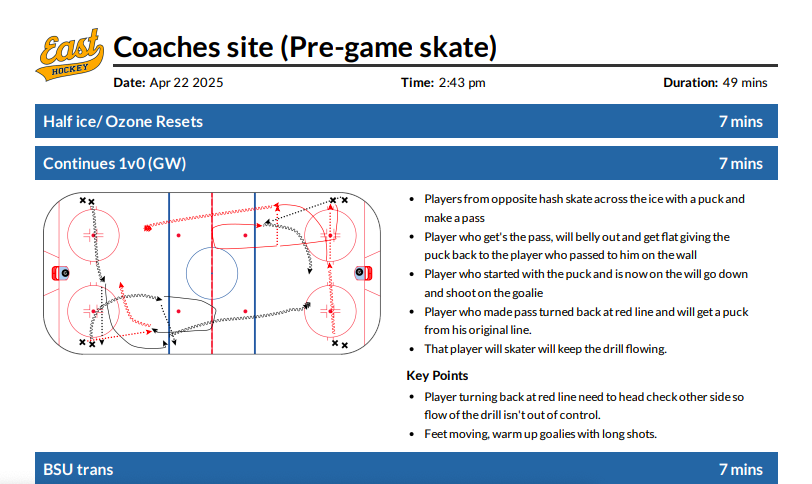
- 8:50 2v2, 3v2 + BC to 5v5 drill
- 11:40 2v1 + BC, 3v2 + BC to 5v5
- 13:00 Summary
- 13:50 Best athletes bring work ethic
- 14:50 Don’t poke the bear
Top picks |