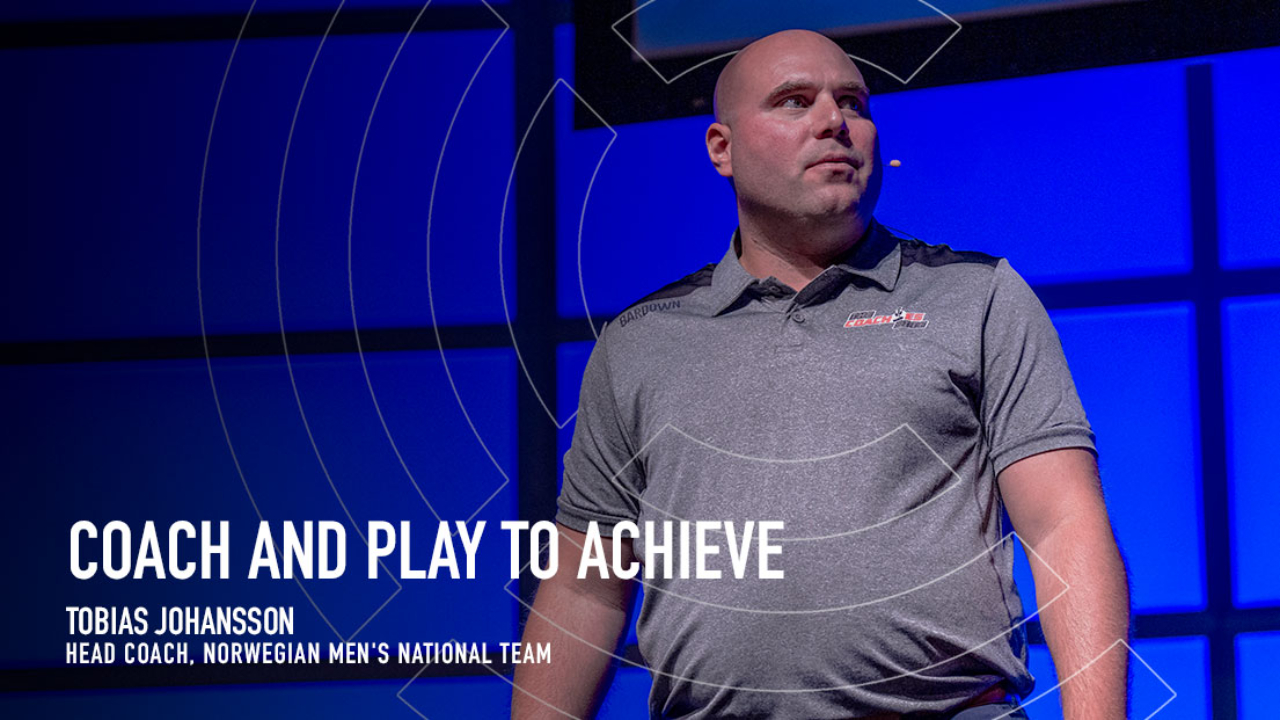
Tobias Johansson, former Head Coach of Norway’s National Team and current GM of IF Troja-Ljungby, brought his innovative approach to the ice at TCS Live in 2025, challenging coaches to rethink how they build relationships between players and the puck.
Johansson doesn’t believe in the phrase “play simple.” Instead, his drills and philosophy encourage players to be ambitious with the puck: to dare to handle it, to dare to make plays.
Building Comfort Through Creativity
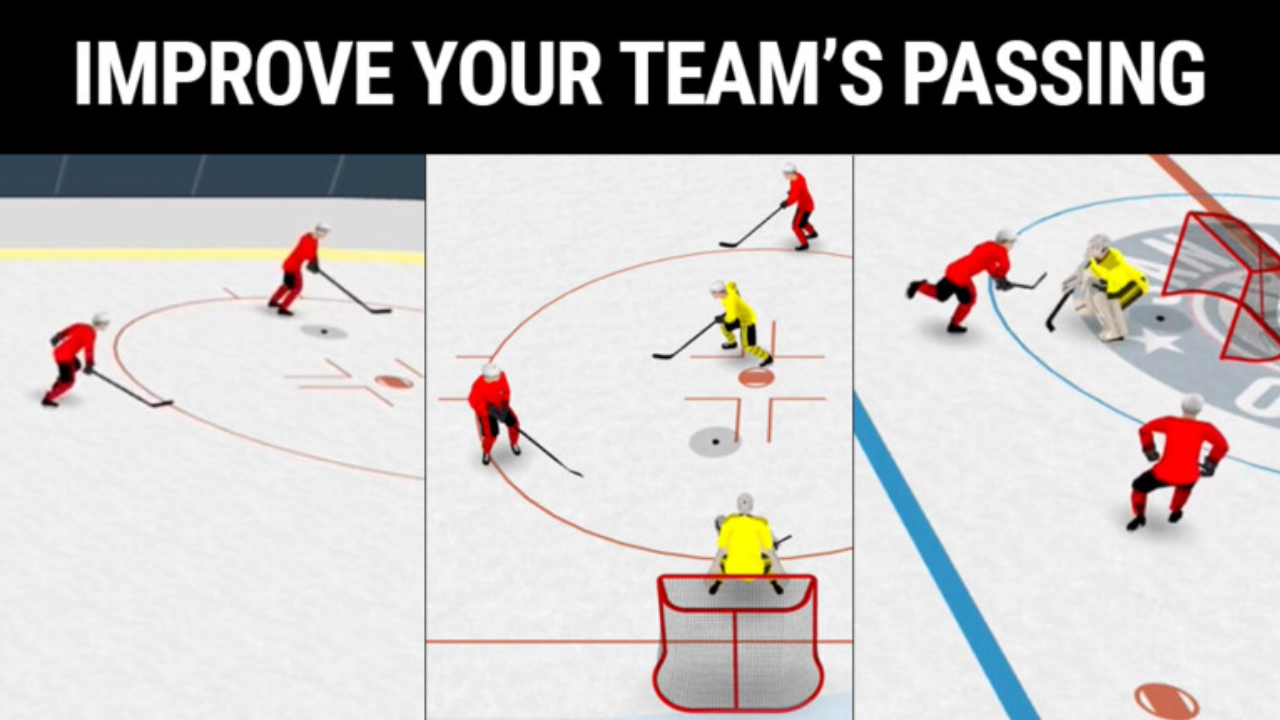
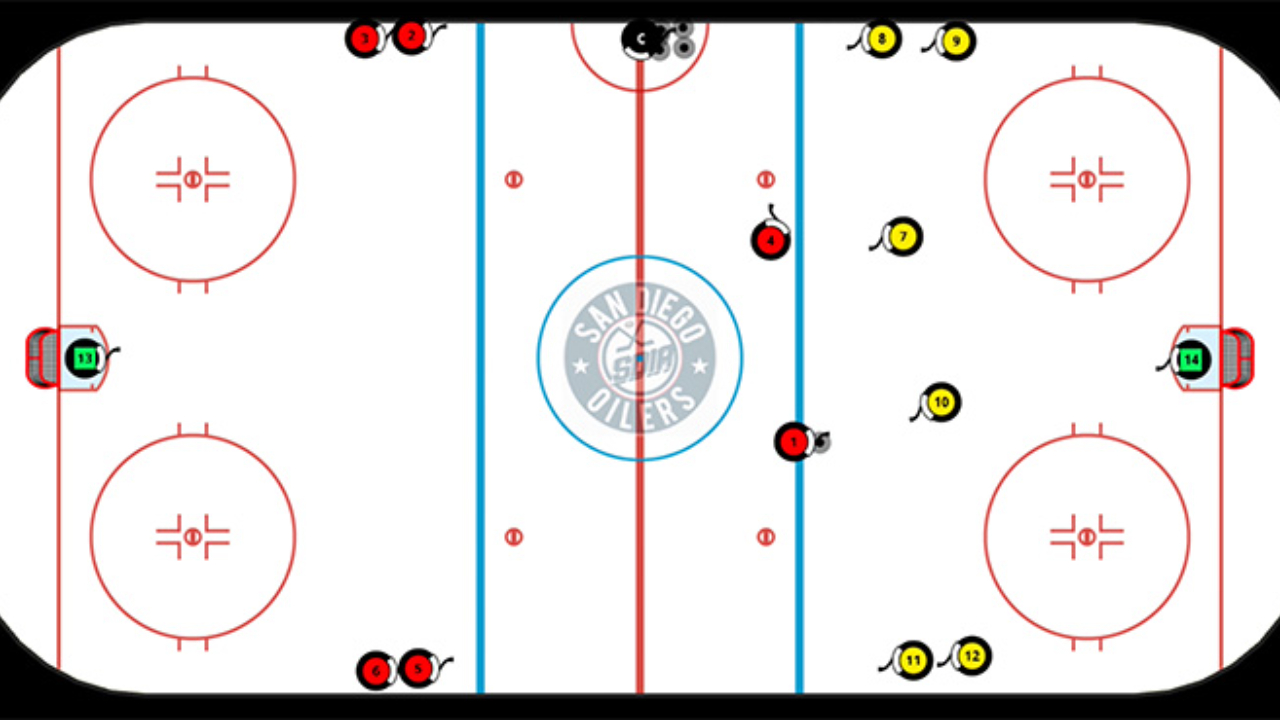
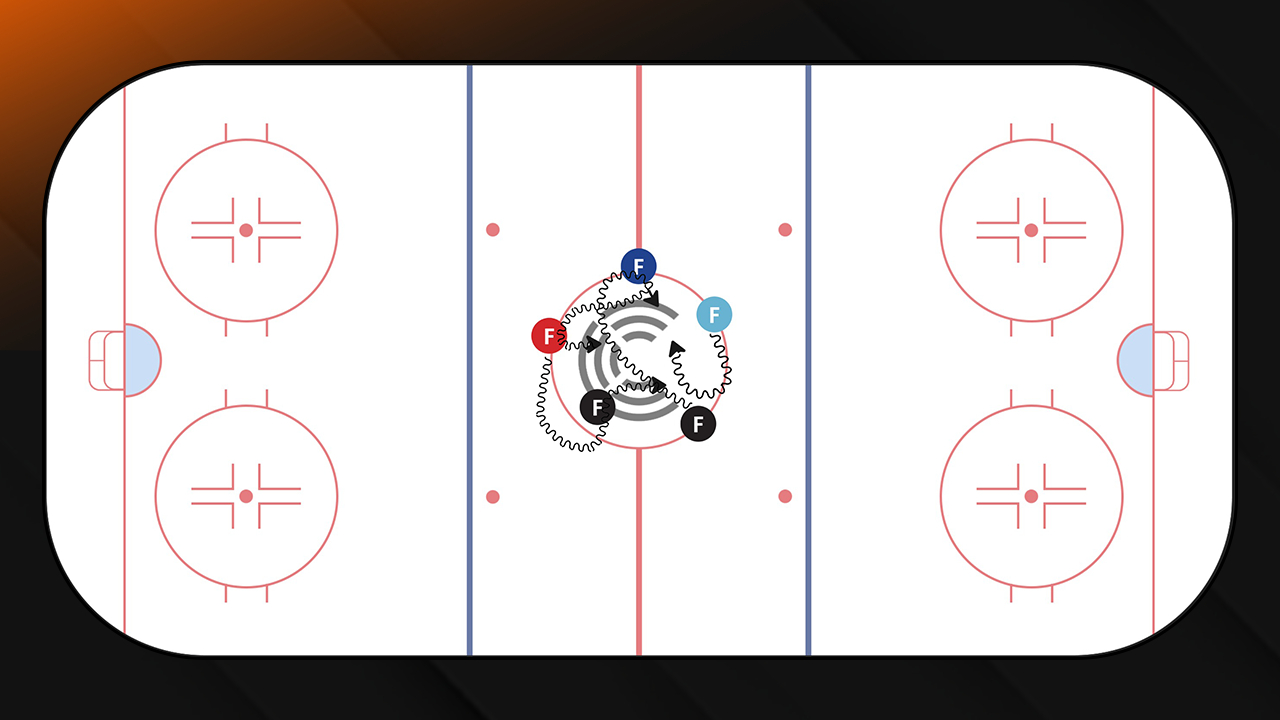
He began with a warm-up drill: five skaters, two pucks, no goalies. Players passed in motion, moving freely around the ice without predetermined patterns. The purpose was clear: develop touch, comfort, and confidence with the puck in a setting that feels less like a traditional flow drill and more like the chaos of a real game.
“In a game, nothing is static. There are no predetermined routes, everything is dynamic.”
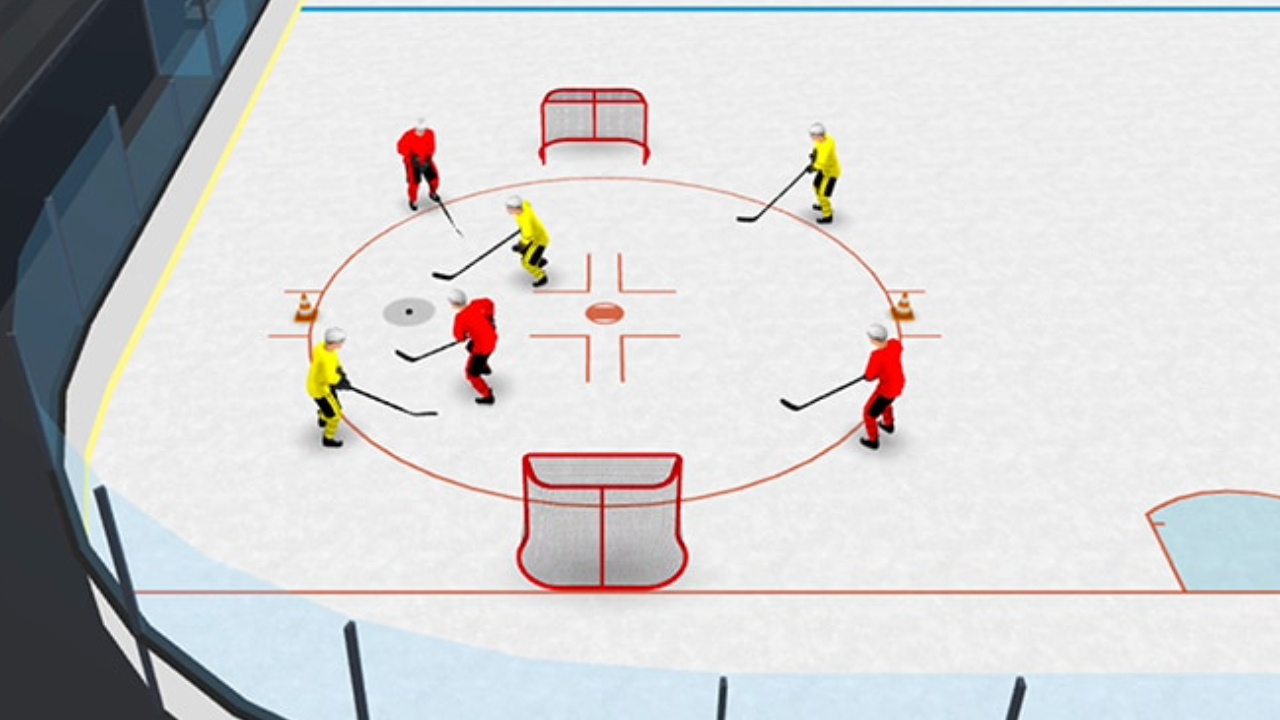
From there, Johansson moved into small-area games inside the circle: first a 2-on-1, then a 2-on-2. These environments forced players to make decisions under pressure, while also teaching defensive details like stick positioning and footwork.
Johansson broke down his coaching priorities:
- Players with the puck are the present.
- Players away from the puck are the future.
- Coach habits, not tactics.
Creating Competitive, Game-Like Reps
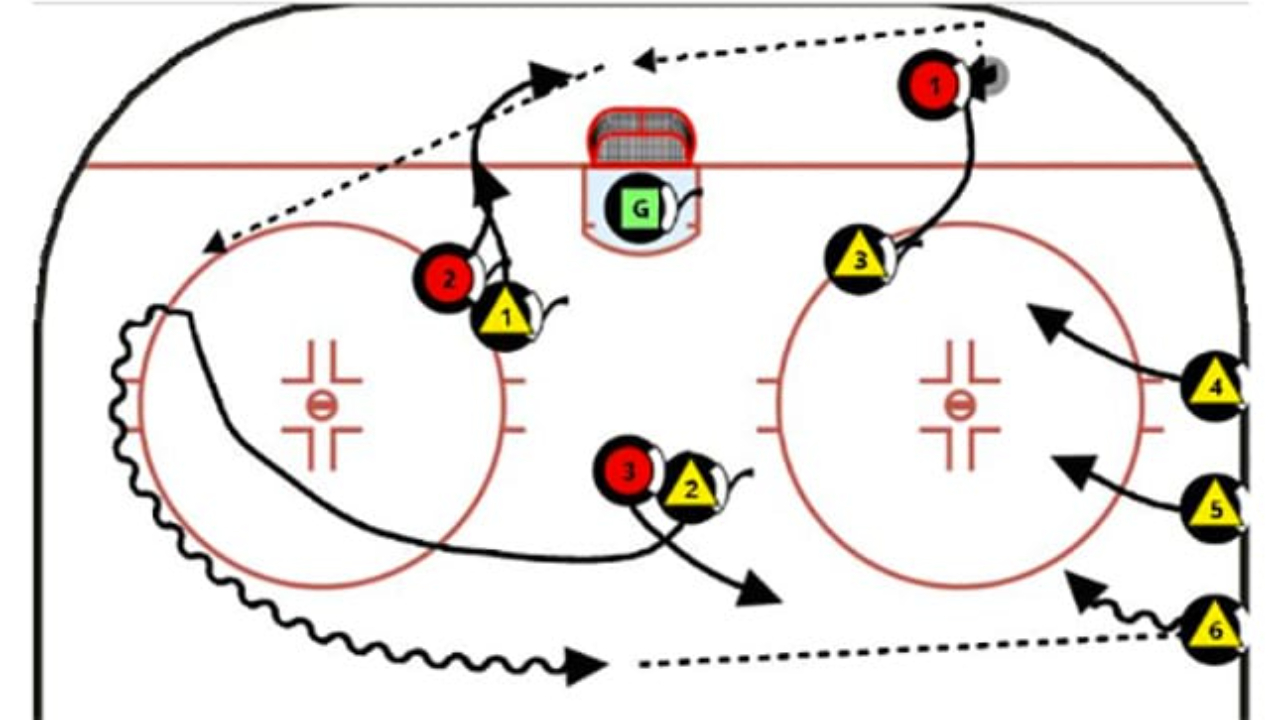
The progression continued with pass outlets outside the circle, allowing players to relieve pressure before attacking again. Then, Johansson moved to a 3-on-2 inside half the zone, a situation players encounter constantly in games.
Each drill was rooted in competition, puck movement, and decision-making. Whether it was offensive ambition or defensive recovery, the message was consistent: if you lose the puck in a game, you have to get it back.
Coaches as Environment Designers
Johansson closed with a challenge to coaches: create environments where players get more touches, more repetitions, and more game-like experiences. That could mean sharing ice with another team, practicing longer, or rethinking how drills are structured.
“Our job as coaches is to set up the environment where reps can occur.”
By coaching ambition, habits, and creativity, not rigid tactics, Johansson demonstrated how to truly develop players who can thrive in dynamic, unpredictable game situations.
Coaching Challenge: Next practice, replace one of your flow drills with a small-area game. Give your players freedom to move, attack, and defend dynamically. Then ask yourself: Did they get more meaningful reps? Did they dare to make plays?
Noteworthy timestamps:
- 0:00 Play to achieve
- 2:15 Norway Passing
- 6:15 Norway Compete Passing
- 9:45 What do we coach?
- 11:15 2 on 2 drill
- 15:00 The four roles of hockey
- 19:00 3 on 2 drill
- 22:20 Summary
Drill Spotlight
Here's a practice plan using Tobias's concepts and progressions, featuring the drills below.
1. Circle 2-on-1
- Players battle inside the circle with constant puck movement.
- Coach cue: Stick on puck, move your feet, stay engaged.
- Teaching point: Offence works on making plays in motion, defence builds recovery habits.
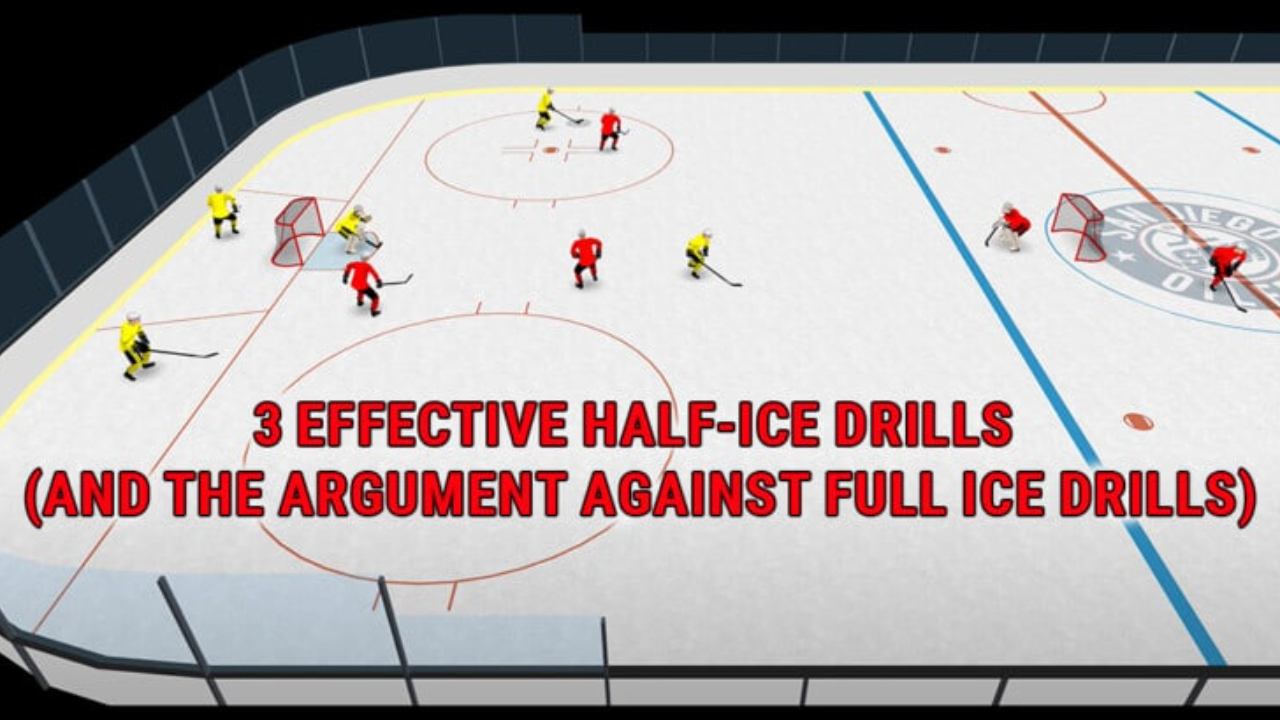
2. Half-Zone 3-on-2
- Game-like scenario starting in one half of the zone.
- Attackers push to create offence, defenders focus on regaining the puck.
- Teaching point: Reinforces dynamic transitions—lose the puck, get it back.