
One of the most common habits we teach our defensemen is simple: when the puck is dumped in, the weak-side defenseman immediately rotates to the weak side of the net, preparing to become the D-to-D outlet.
The problem?
Sometimes we start the breakout before we've actually won the puck.
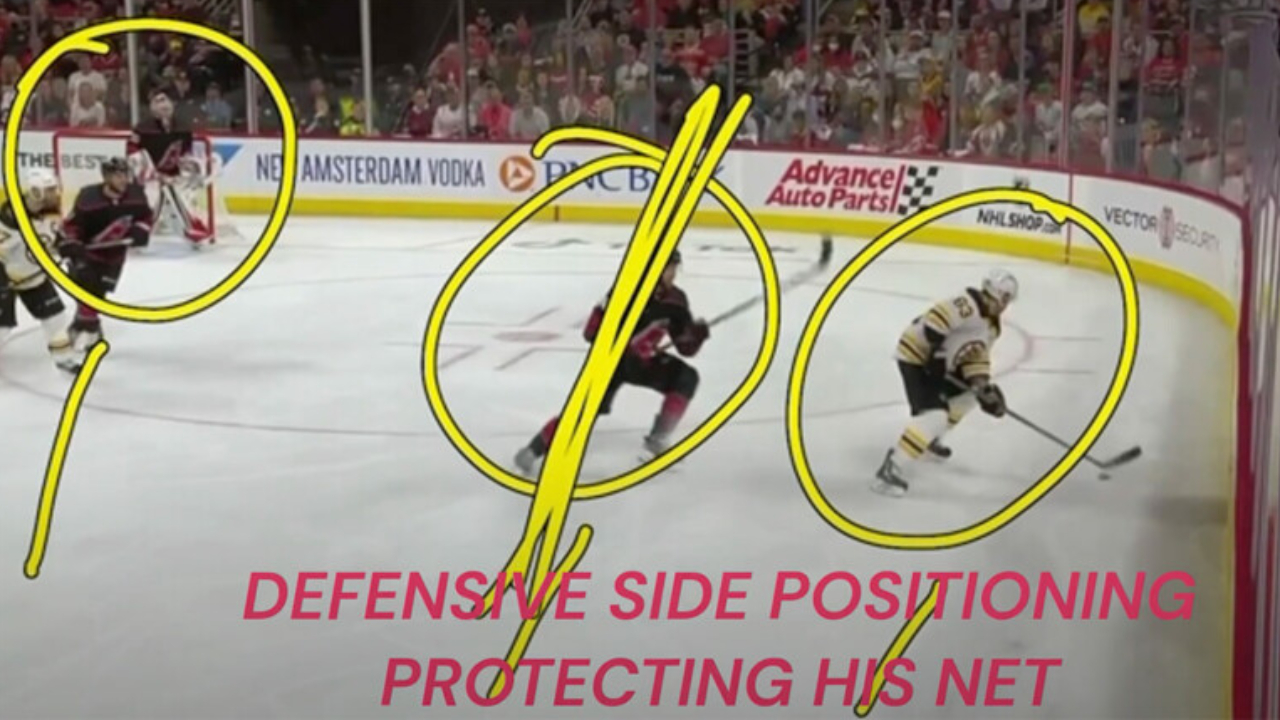
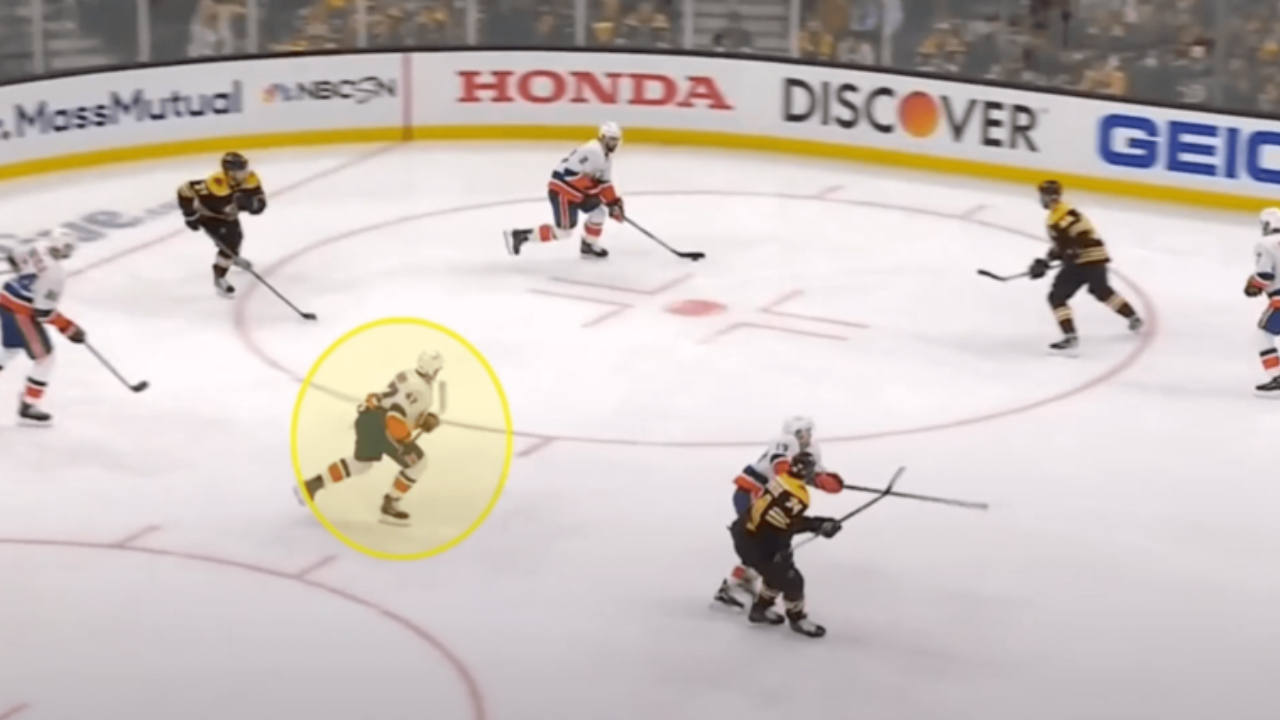
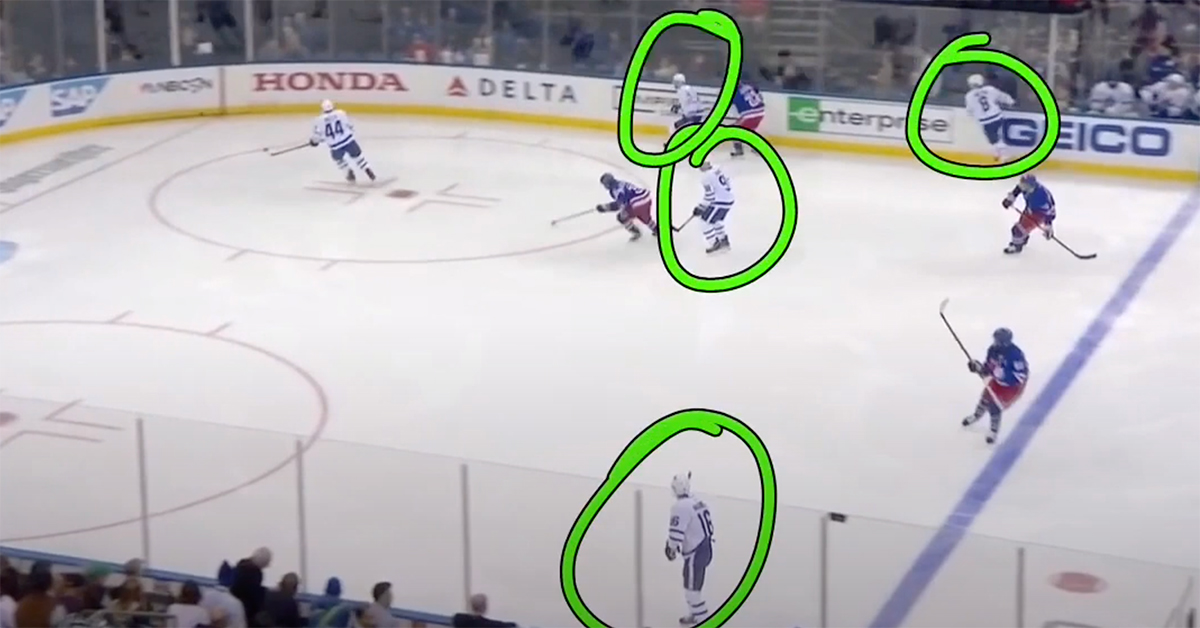
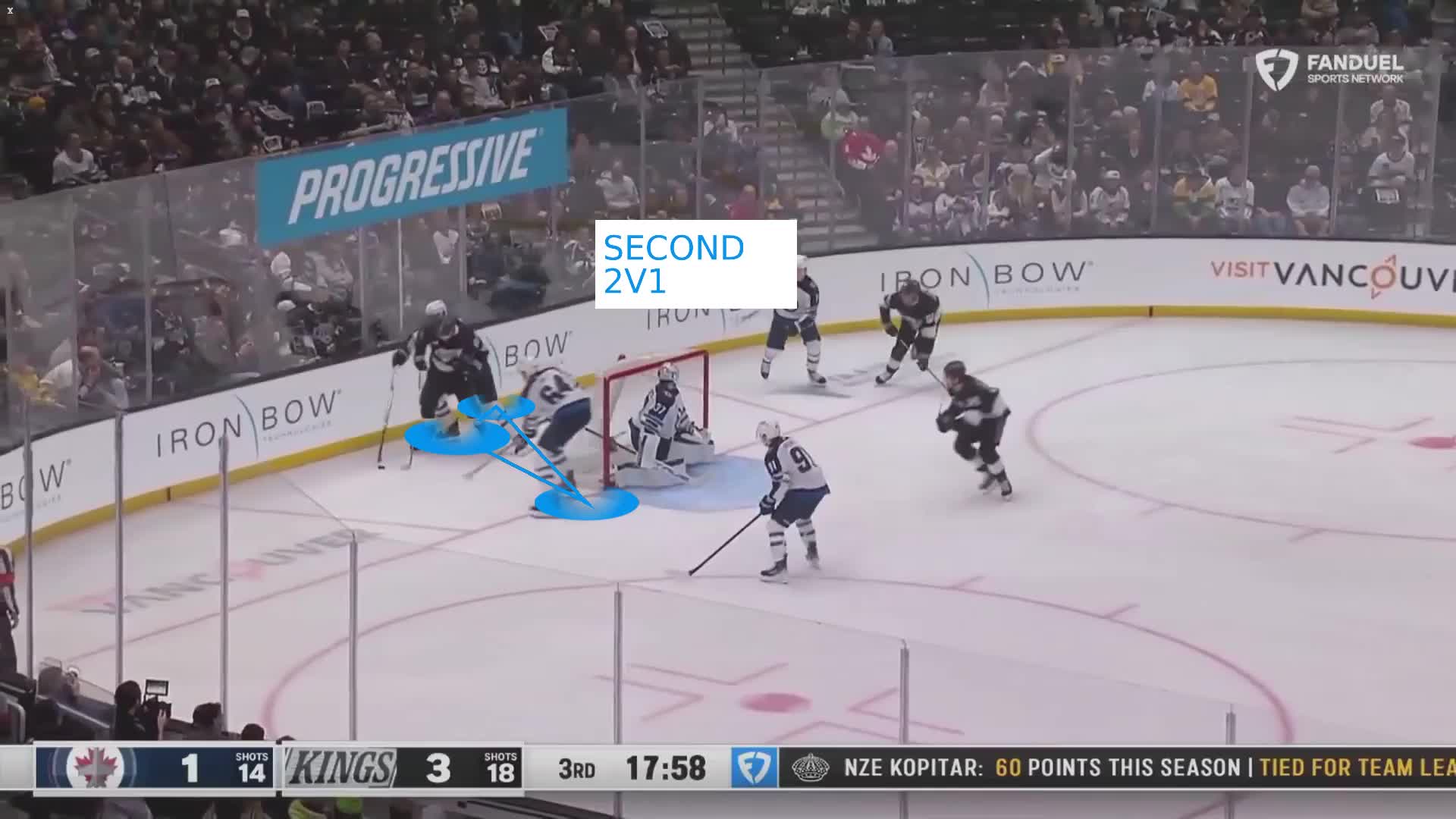
In this clip from the Stanley Cup Final, Carolina's strong-side defenseman races a Vegas forechecker to a dumped puck. Instead of trying to beat him with speed alone, he wins the battle by lifting the forechecker's stick and taking the body, allowing the puck to remain free for a supporting teammate.
It's a great defensive play—but the real coaching point happens away from the puck.
1. 50/50 Retrieval
Has possession been secured?
At the moment the puck is dumped in, this is still a true 50/50 race. Carolina hasn't earned possession yet, which means every player's first responsibility should be supporting the battle—not preparing the breakout.
Systems are important, but they should always be triggered by possession.
2. Great Defensive Play
The forechecker is eliminated... but the puck is still loose.
The strong-side defenseman does exactly what you want. He eliminates pressure by taking the body and lifting the forechecker's stick.
The battle is won.
The puck isn't.
That's an important distinction. Winning the confrontation doesn't automatically mean your team controls possession.
3. Automatic Rotation
Has the breakout started too early?
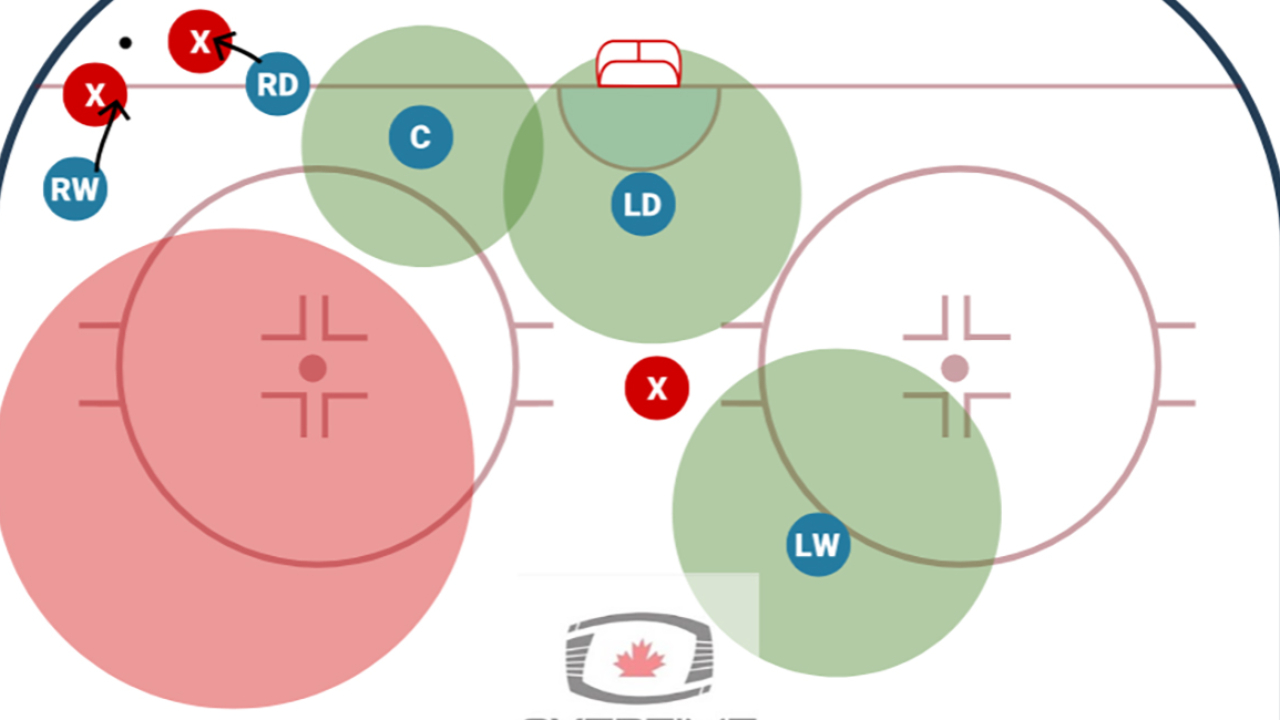
As the battle unfolds, the weak-side defenseman immediately rotates toward the weak-side corner, anticipating the D-to-D pass.
This is a common habit, but in this situation it's early.
If Vegas wins the next touch, Carolina has already removed valuable support from the battle and left the middle of the defensive zone less protected.
The breakout has started before possession has actually been secured.
4. Support First
Stay connected until possession is won.
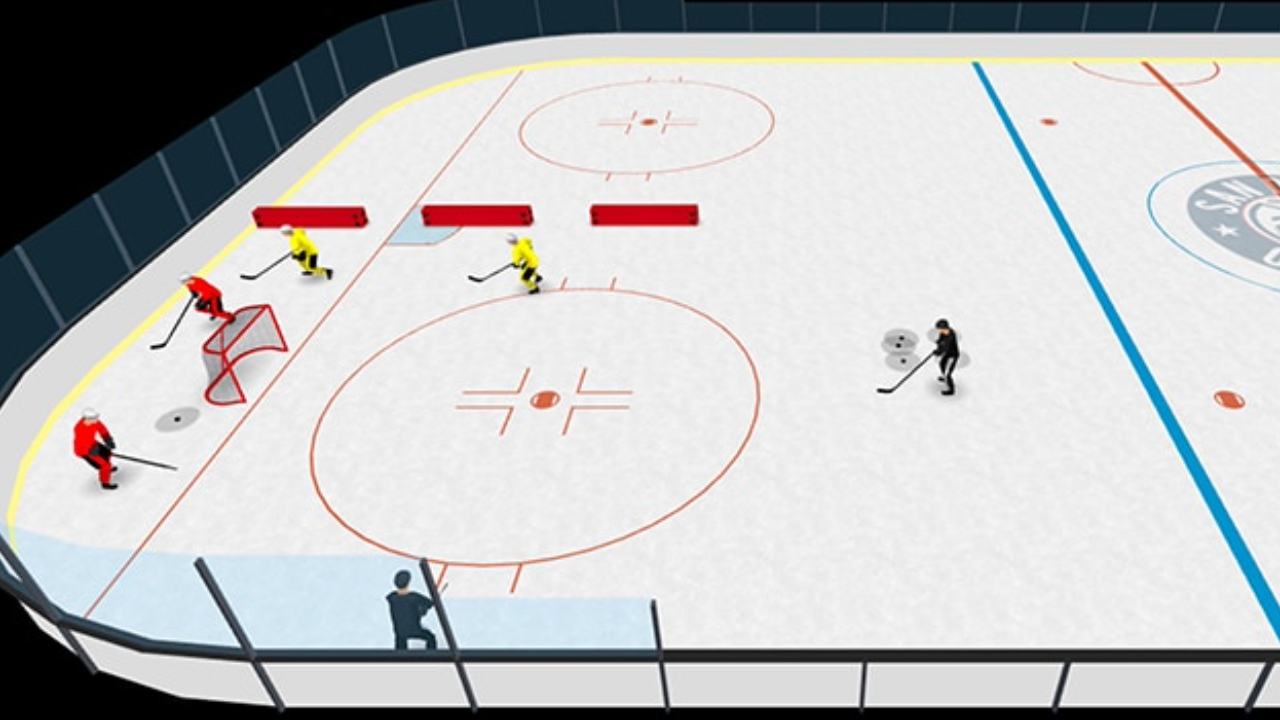
Instead of rotating immediately, I would argue the weak-side defenseman should delay at the strong-side post, remaining connected to the battle until Carolina clearly gains possession.
Once the center collects the loose puck and begins moving toward the weak side, the weak-side defenseman can now rotate behind the net with speed and timing.
Instead of arriving stationary in the weak-side corner, he becomes a moving outlet, creating a cleaner passing lane and a more efficient breakout.
The coaching point isn't about changing your breakout structure.
It's about changing the trigger.
Don't leave the battle because the system tells you to.
Leave the battle because your team has earned possession.
The best defensive teams don't just execute structure.
They execute it at the right time.