Switches don’t fail because players panic.
They fail because players don’t see the same moment.
In real time, hockey decisions aren’t made in isolation. They’re shared reads, agreements that happen without words. When two players interpret a situation differently, structure collapses even when both are trying to do the right thing.
That’s what makes switches one of the hardest defensive skills to teach.
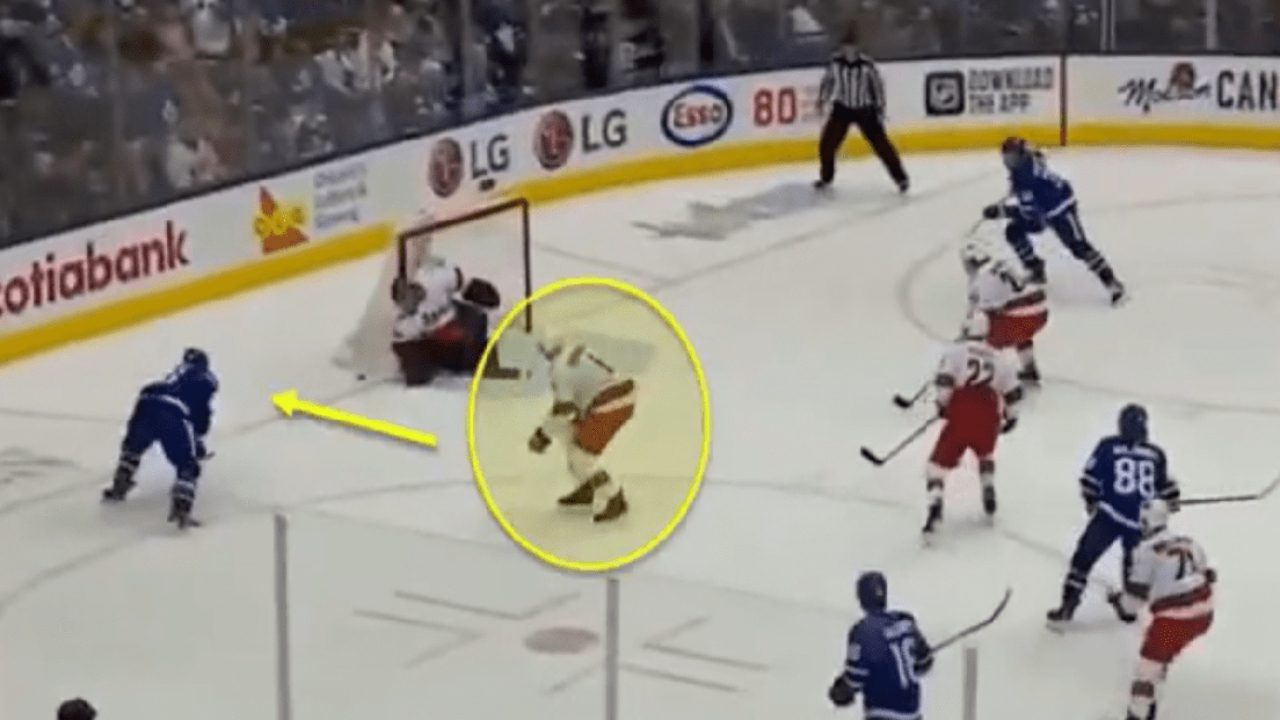
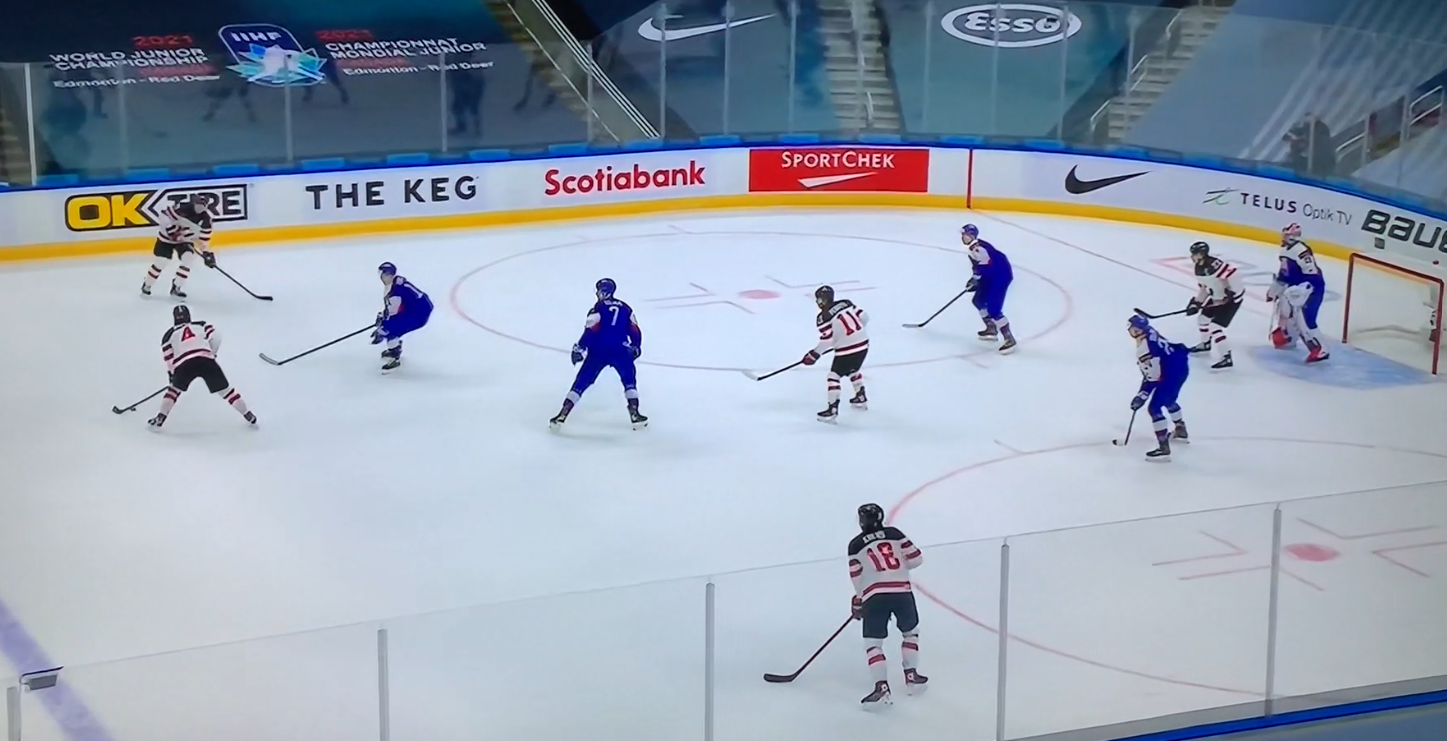
In this clip, the puck carrier skates laterally across the blue line, initiating movement that suggests a rotation. One player reads it as a switch trigger. He begins solving the play through motion. His partner reads the same moment and chooses structure, holding width, protecting space, maintaining shape.
Individually, both decisions are logical.
Together, they cancel each other out.
The result isn’t chaos. It’s hesitation. And hesitation is the real breakdown. By the time the players realize their intentions aren’t shared, the advantage is already gone. The puck is forced into a low-value option, pressure arrives late, and the play dies quietly. No glaring mistake. Just a missed opportunity born from misalignment.
This is why switches are not mechanical skills. They’re recognition skills.
Teams that switch well don’t simply communicate more. They agree earlier on what triggers rotation. They share a definition of danger. They understand when movement should override structure and when structure should anchor the play. Without that shared framework, players default to instinct and instinct under pressure is rarely coordinated.
Coaches often correct failed switches by emphasizing talk. “Communicate.” “Call it early.” Those cues matter, but they’re secondary. Language can’t fix a recognition gap. Players have to see the same trigger before words help.
The teaching focus should shift from how to switch to when a switch is real.
That distinction changes everything.
Great defensive teams aren’t faster or louder. They’re synchronized. They process threats through the same lens, so decisions align naturally. The switch exists for both players at the same moment or it doesn’t happen at all.
That’s the invisible layer of hockey: shared perception.