
In 2020, after leaving my position as a coach and analyst in the Toronto Maple Leafs organization, I set out to write a book which would help players, parents and fans understand the intricacies of the pro game.
Six years and 9,000 sales later, here are some things I learned from writing the latest entry in the Hockey Tactics series.
1. Structure is just the starting point
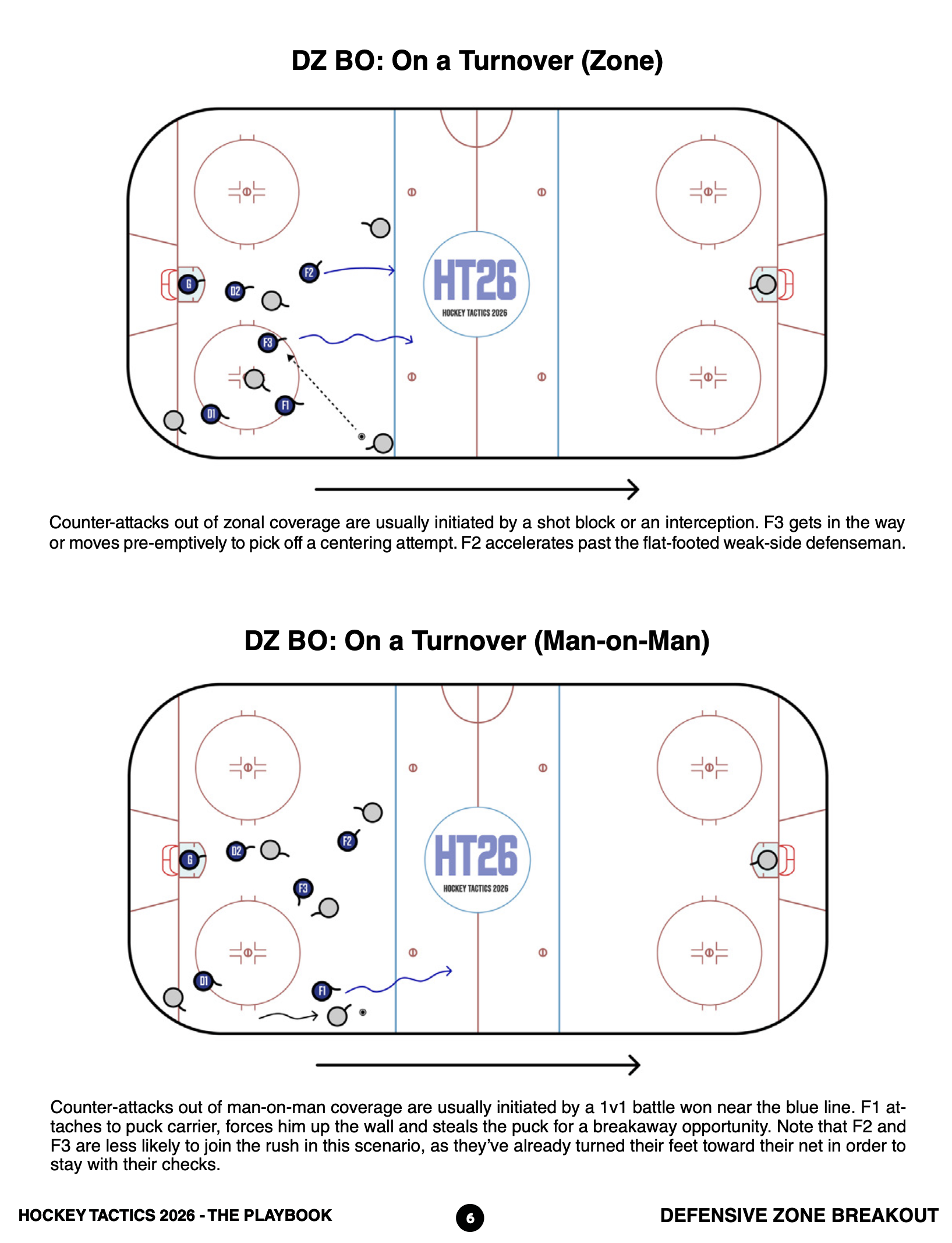
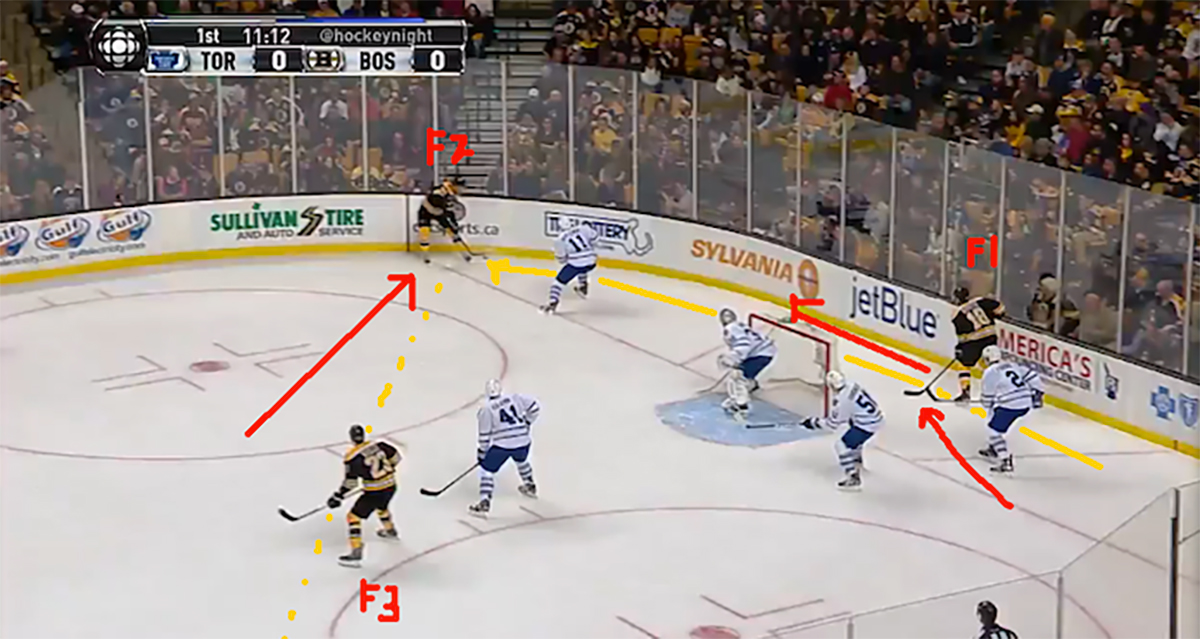
In the first section of HT2026, I used 44 pages to details every even strength and special team structure I’d come across in over a decade of working in high-level hockey.
Forty-four pages sounds like a lot, but it isn’t much compared to the myriad possibilities afforded by 12 players and a puck. Winning hockey is played between structures. Teams that move the puck accurately on offense and re-orient themselves quickly on defense will make the most of any given tactic.
2. Begin with the end in mind
In the midst of the COVID pandemic, I began working with a small group of Montreal-area players whose seasons were cancelled due to lockdown. A handful of parents happened across Hockey Tactics 2020 and were intrigued about applying NHL-level ideas to their peewee-aged kids. At that point, I hadn’t worked with minor hockey players in several years, but we all did what we could under the available conditions.
Out of the 10 or so regulars in our group, three went on to be drafted into the NHL. They’ll make their pro debuts after honing their games at the NCAA D1 level.
How did a writer with limited skills development experience (me) help these players reach their potential? My best guess is that my experience working with NHLer gave me a crystal-clear idea of what’s needed to compete at that level. I was able to share my vision of Point B looked like for each player in our group. All we then needed to do was to work backwards and find a Point A that made sense.
3. The best-coached teams in the NHL
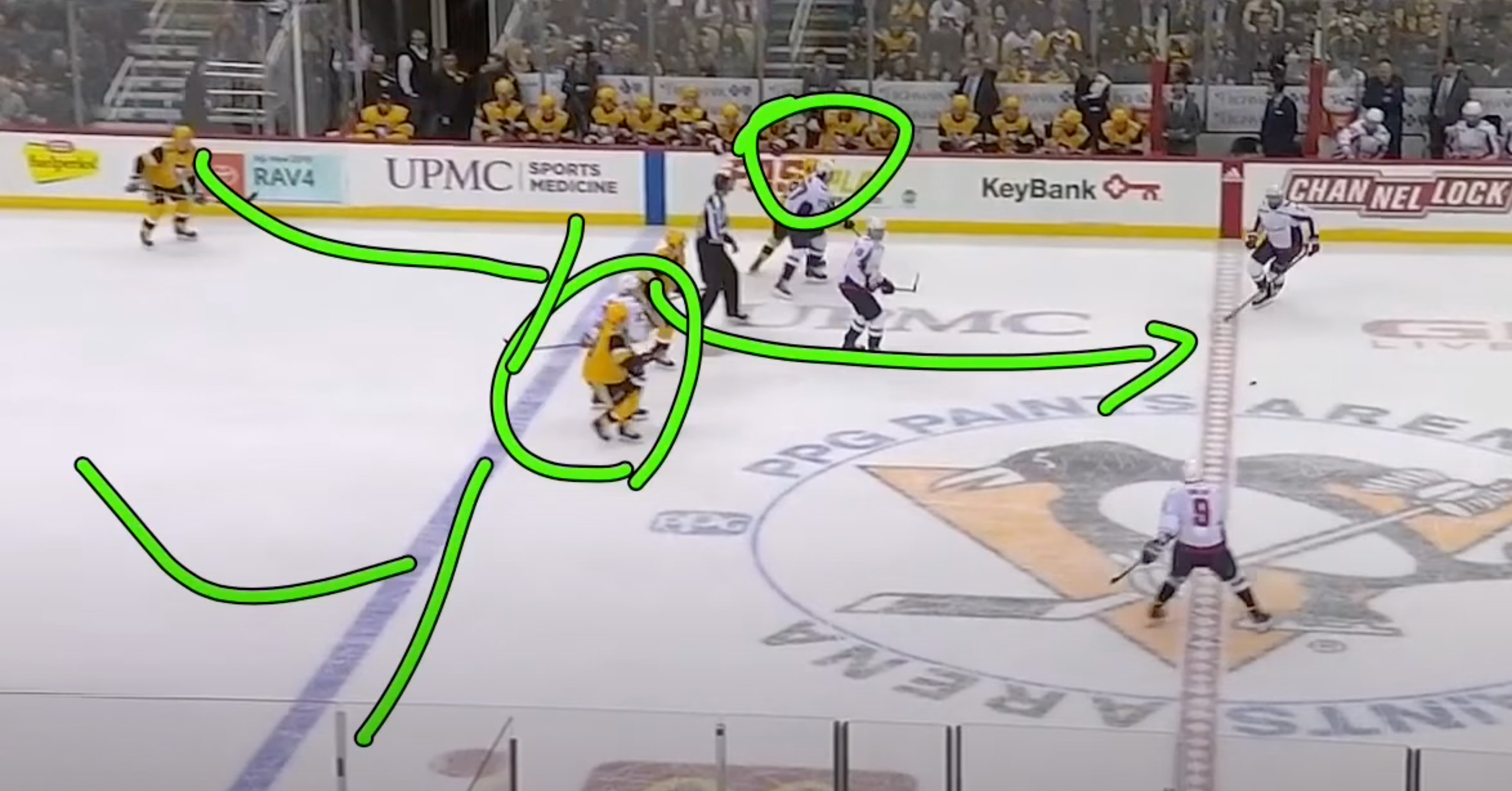
Since Hockey Tactics 2022, I’ve diagrammed the even strength and special teams tactics of every NHL team.
Going through that exhaustive exercise allowed me to see subtle shifts across the league: the rise and fall of the 1-1-3 neutral-zone forecheck, the widespread adoption of downhill movement in the OZ, a trend toward more aggressive in-zone defending, et cetera.
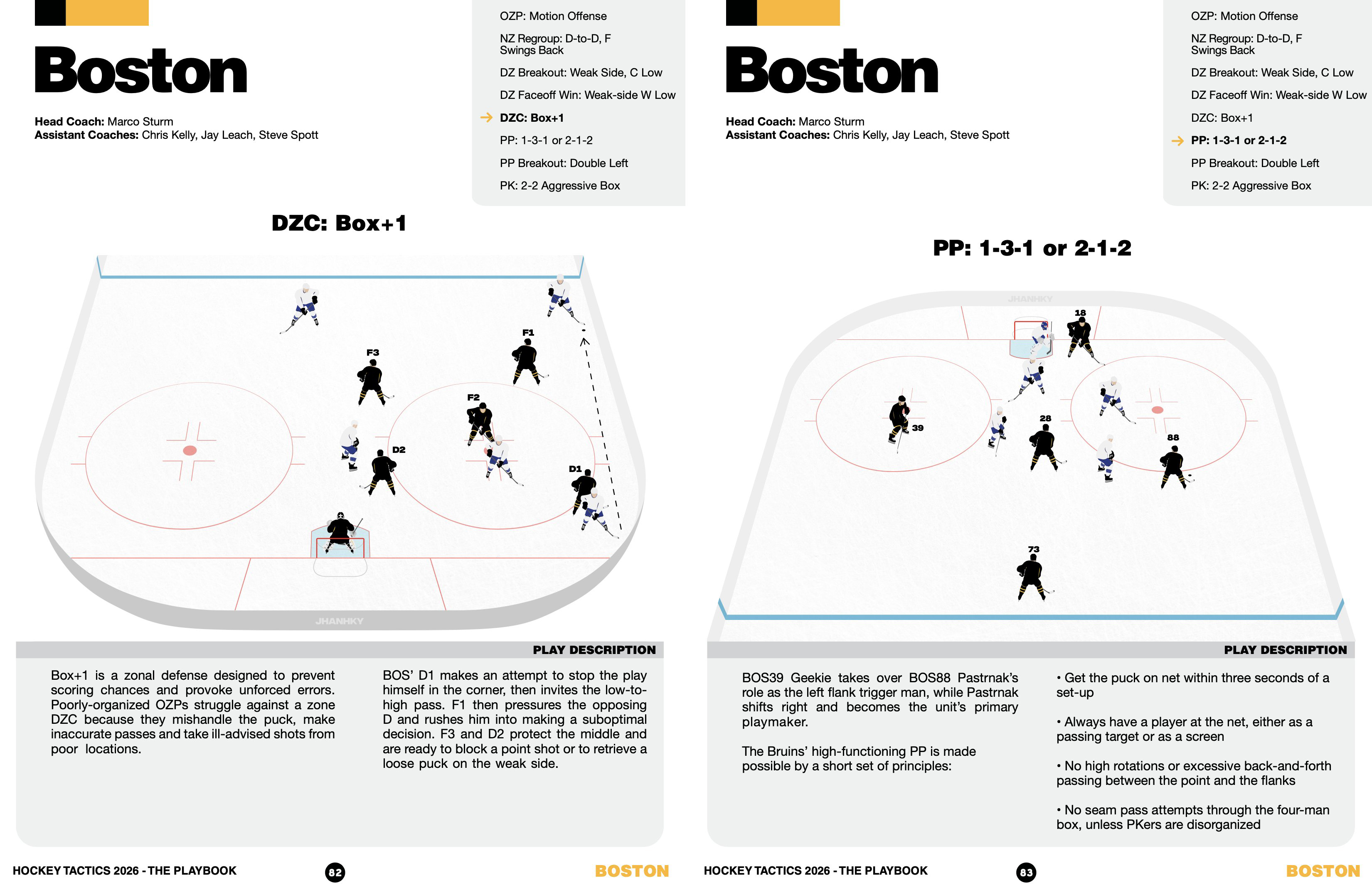
Perhaps surprisingly, it’s certain mid-table teams’ philosophies that I found most interesting. The Boston Bruins, under Head Coach Marco Sturm, have a puncher’s chance to upset a top Eastern Conference seed this postseason. The Washington Capitals, coached by Spencer Carbery, may well sneak into the playoffs even after trading veterans and orienting themselves toward the future.
The common links between BOS and WSH? Pragmatism (matching tactics to a limited roster), fluidity (transitioning seamlessly between phases of play) and consistency (finding ways to be predictable to teammates, yet unpredictable to opponents).
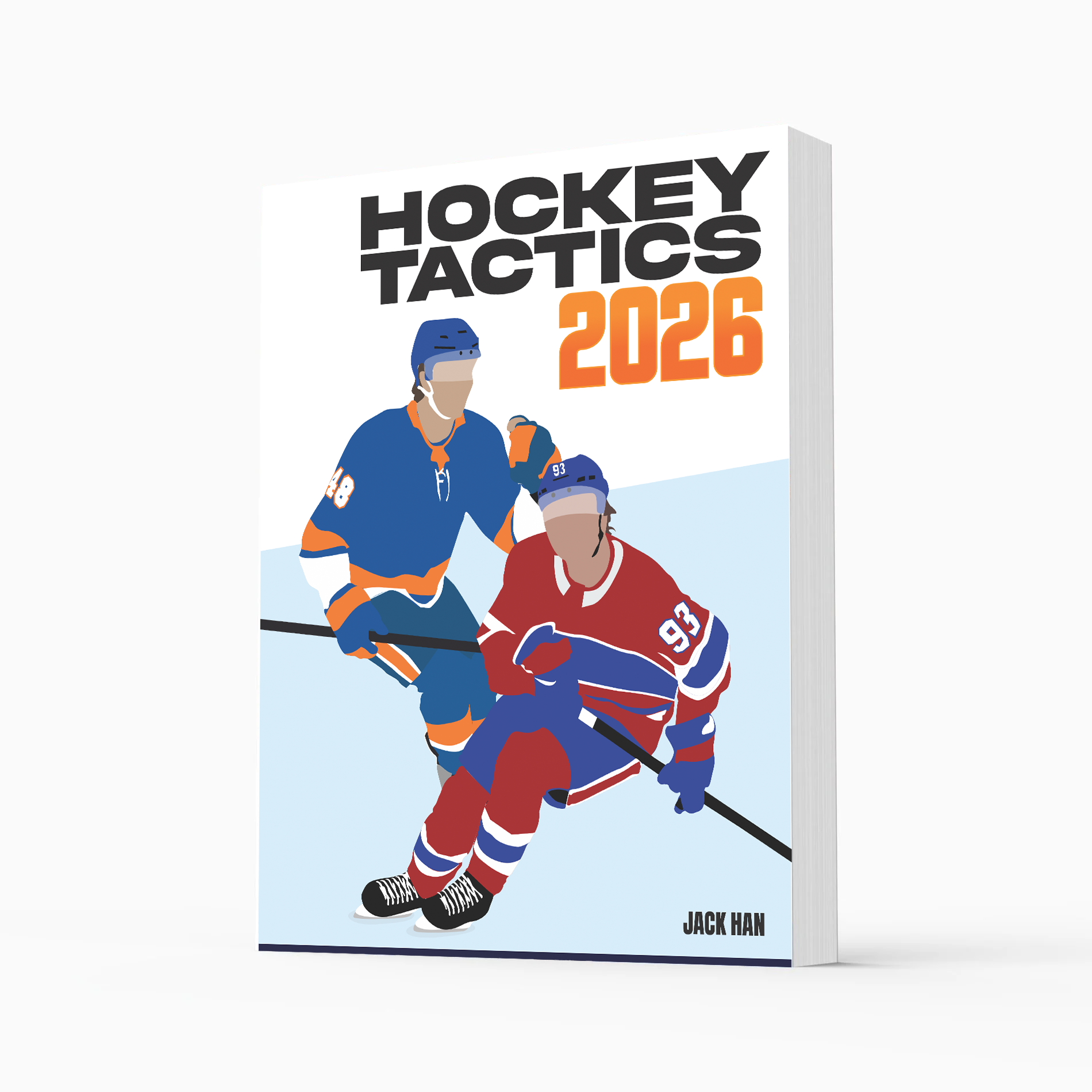
If you want to learn more about the three topics discussed above and more, check out the Hockey Tactics 2026 ebook, featuring 296 pages of pro-level information that you won’t find elsewhere.
Jack doesn’t just present information—he connects overlooked details in a way that sharpens how people understand the game. - Adam Nicholas (Montreal Canadiens Director of Hockey Development)