Using some key criteria a comparison of Canada, Sweden and USA's hockey development system is possible. Rather than using just performance, additional criteria (see below) were selected. There are many other factors but these may be some key metrics of success and are thought provoking when we consider achievement in international tournaments, player reperesentation in professional leagues and the relative skill sets of the elite players from these nations today.
High-Level Comparison
| Area | 🇨🇦 Canada | 🇺🇸 United States | 🇸🇪 Sweden |
|---|---|---|---|
| Primary Structure | Club-based, age-grouped | High School + Club hybrids | Club-based, integrated |
| Cost to Play | Very high (pay-to-play) | High (varies by region) | Low to moderate |
| Season Length | Long, hockey-centric | Split with other sports | Balanced, multi-sport |
| Selection Age | Early (U11–U13) | Later (U15–U18) | Late (post-puberty) |
| Coaching Focus | Systems & competition | Skill + athleticism | Skill, IQ, autonomy |
| Player Pathways | Minor hockey → Major Junior/Junior A | Youth → High school → USHL/NCAA | Youth club → J20 → Pro |
| Game Style Output | Competitive, structured | Fast, powerful, skilled | Skilled, creative, composed |
🇨🇦 Canadian Development Model
Core Philosophy
- Hockey is the primary sport
- Early competition and selection is the norm
- Strong emphasis on winning and play structure
Structure
- Attempt at Long Term Athelet Development Model (known as Lomg Term Player Development Model in hockey)
- Age-grouped minor hockey (U7–U18)
- Early tiering: AA/AAA as early as U11
- Clear elite pathways defined: Major Junior (CHL) or Junior A
Strengths
✅ Massive participation base - largest in the world
✅ Competitive mindset
✅ Strong team tactical and play systems understanding
✅ Excellent goaltending and defense development
Weaknesses
❌ Early exclusion of late bloomers (contray to LTPD)
❌ Over-coaching at young ages
❌ High burnout rates and attrition
❌ Cost barriers reduced accessibility desite highest indoor rink availability per capita in the world
Typical Player Outcome
- Strong positional play
- Competitively experienced
- Sometimes less creativity at "elite" youth levels
🇺🇸 American Development Model
Core Philosophy
- Athlete first, less hockey centric (accept some Northern States)
- Late(r) specialization, streaming and pathway variability
- Greater emphasis on physical development and skill
Structure
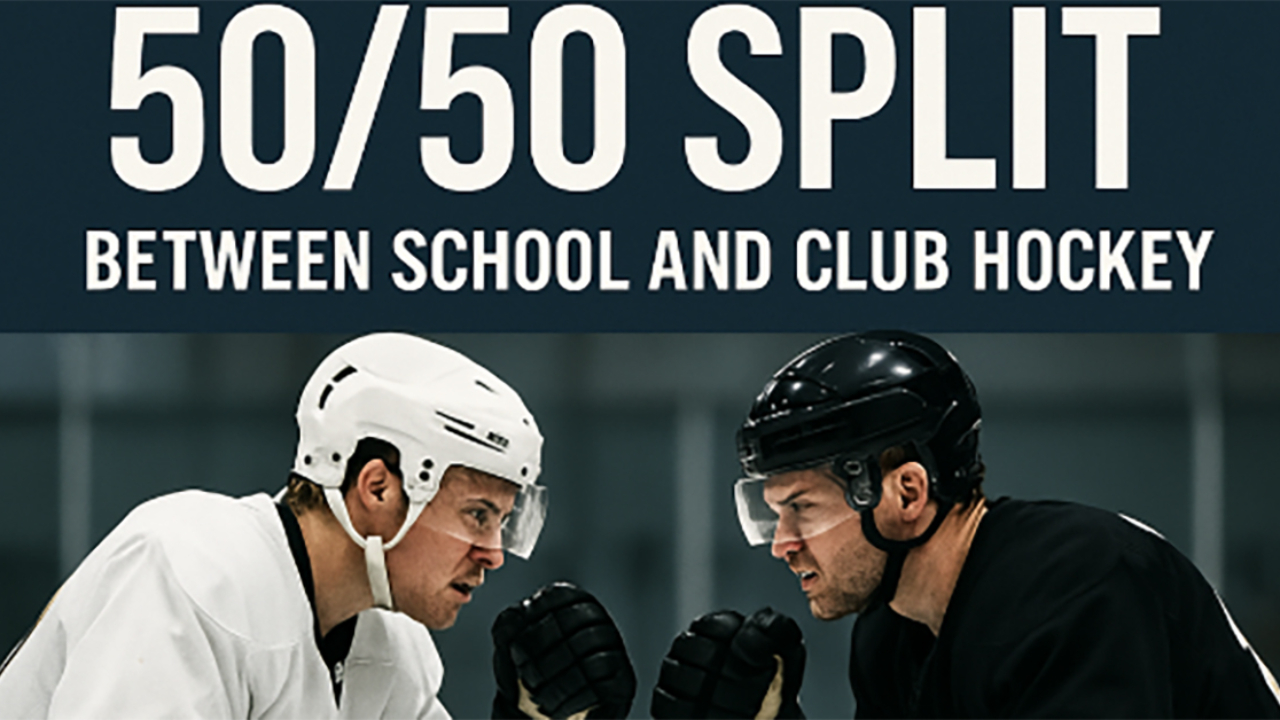
- Community youth clubs + high school hockey
- Tier I (AAA), travelling and/or Academy (in some regions)
- Elite path often runs through USHL → NCAA
Strengths
✅ Late developers stay in the system benefitting athletes and sport system outcomes
✅ Strong physical and athletic development plus ancillary athletic skills
✅ NCAA provides education + development runway
✅ Encourages multi-sport participation
Weaknesses
❌ Development quality varies widely by region
❌ Less daily training consistency than Europe
❌ Some reliance on showcases and "talent identification vs talent development" over long-term development in some regions
Typical Player Outcome
- Big, fast, skilled players
- Strong individual athletic abilities and capacities
- Sometimes less tactical sophistication early
🇸🇪 Swedish Development Model
Core Philosophy
- Player-centered development
- Long-term athlete development (LTAD) emphasis vs performance
- Enjoyment, creativity, learning and decision-making
Structure
- Community clubs tied directly to pro organizations, informed professionalism vs parental influence (seen in other nations)
- No national championships at young ages
- Late selection; most players stay/play together until mid-teens
Strengths
✅ Exceptional skill development
✅ Strong hockey IQ and composure
✅ Low dropout rates
✅ Clear alignment from youth to pro level
Weaknesses
❌ Less early exposure to “must-win” pressure
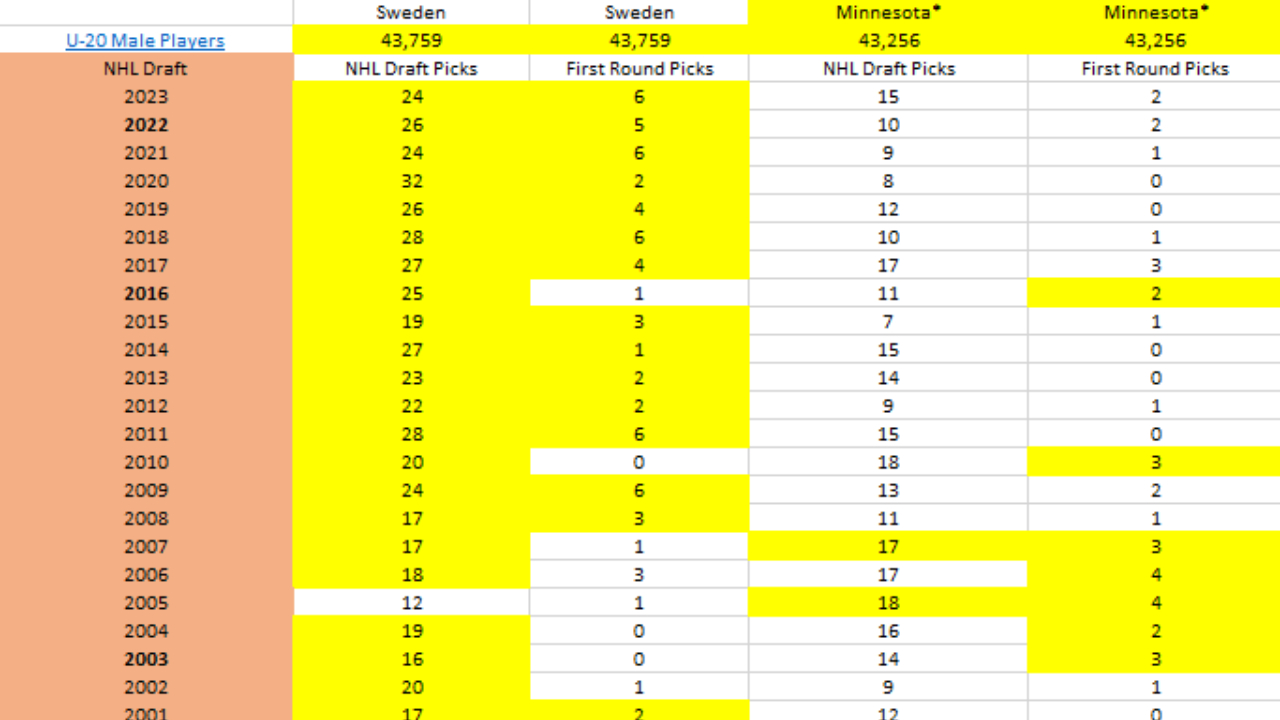
❌ Smaller player pool than Canada/USA
❌ Can be less physically dominant at younger ages
Typical Player Outcome
- Calm under pressure
- Highly skilled and intelligent
- Adaptable to elite and professional tactical systems quickly
Development Priorities Compared
| Priority | Canada | USA | Sweden |
|---|---|---|---|
| Winning early | ⭐⭐⭐⭐ | ⭐⭐ | ⭐ |
| Skill development | ⭐⭐⭐ | ⭐⭐⭐⭐ | ⭐⭐⭐⭐⭐ |
| Creativity | ⭐⭐ | ⭐⭐⭐ | ⭐⭐⭐⭐⭐ |
| Physical development | ⭐⭐⭐ | ⭐⭐⭐⭐ | ⭐⭐⭐ |
| Player retention | ⭐⭐ | ⭐⭐⭐ | ⭐⭐⭐⭐⭐ |
What the NHL Is Quietly Borrowing
- 🇨🇦 Canada → adopting more skill-first and small-area games
- 🇺🇸 USA → increasing club integration and coaching education
- 🇸🇪 Sweden → remains the gold standard for development efficiency
Bottom Line
- Canada produces competitors
- USA produces athletes
- Sweden produces hockey players
Regardless of the nation effective modern programs exist that blend all ideal development criteria. The basics are to keep hockey programs evidence based using known sport science principles and remaining player centred. Borrowing from the best use Swedish patience and skill focus the American athletic development and the Canadian play passion and competitiveness.