THE PSYCHOLOGICAL GAME : The Collective Mind (4:6)
By Coach Barry Jones IIHF Level 3 High Performance | USA Hockey Level 3 Performance | Head Coach Perth Inferno AWIHL
- Part 1: THE PSYCHOLOGICAL GAME : The Invisible Constraint
- Part 2: THE PSYCHOLOGICAL GAME : Noise Fear Pressure
- Part 3: THE PSYCHOLOGICAL GAME : Safety, Identity and Belonging
- Part 4: THE PSYCHOLOGICAL GAME : The Collective Mind
- Part 5: THE PSYCHOLOGICAL GAME: Anchors, Stability and Environment Design
- Part 6: THE PSYCHOLOGICAL GAME : Coaching in Real-Time Environments That Think Back
(4:6) Teams Do Not Break Mechanically; They Break Psychologically
Teams rarely collapse because of skill. They collapse because the collective psychology collapses first.
Quiet benches, disconnected shifts, emotional spikes, hesitation and players retreating into isolation are all signs of psychological fracture, not tactical failure.
When players stop perceiving the same cues, they stop making connected decisions. This is not a tactical issue. It is an ecological one.
Emotional Contagion
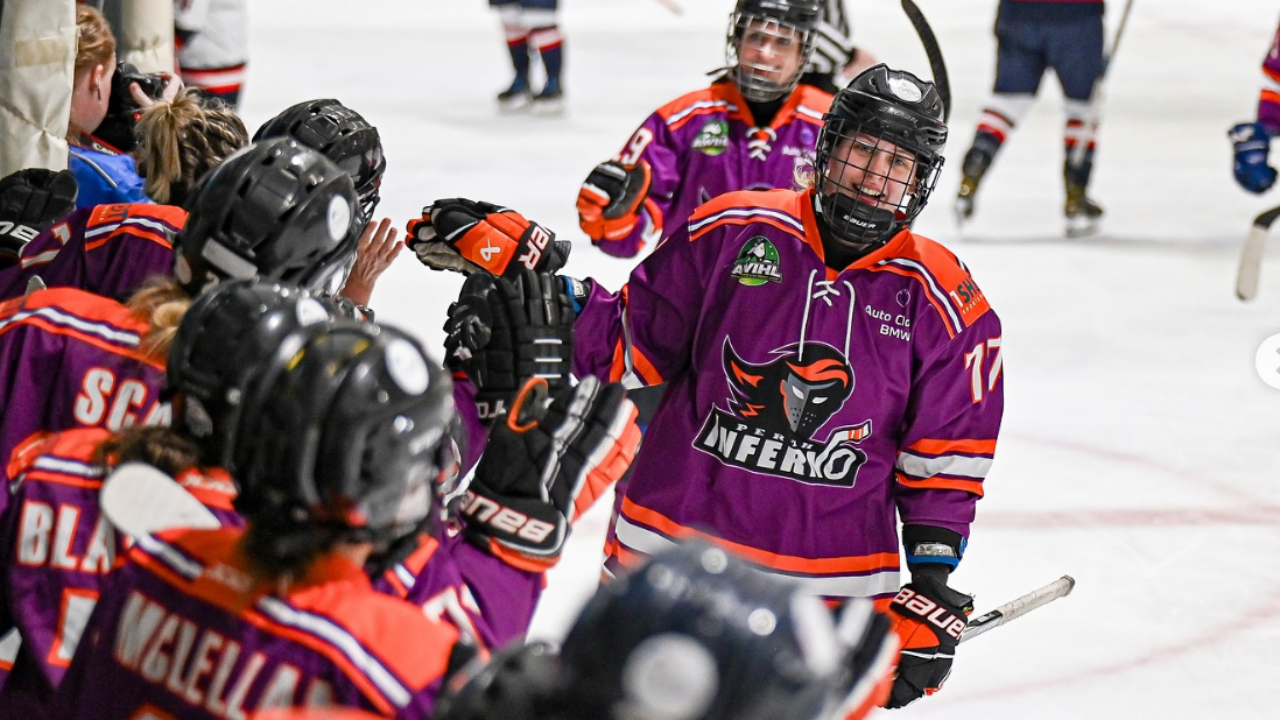
Emotions spread faster than tactics. Frustration, anxiety, doubt and confusion travel through a team instantly.
But so do confidence, clarity, urgency and trust.
The coach’s role is not to suppress emotion but to design the emotional direction of the group. We do not fight emotion with speeches. We fight emotion with clarity.
Alignment vs Agreement
Agreement is everyone nodding. Alignment is everyone acting in the same direction, even if they feel differently.
Winning teams do not need agreement. They need alignment.
Clarity creates alignment. Leadership protects alignment. Frameworks sustain alignment.
When Noise Spreads
Noise is the uncontrolled spread of uncertainty. It enters when communication is unclear, roles shift without explanation, expectations feel unpredictable or emotional states go unaddressed.
Noise destabilises safety, identity and belonging. When these fade, teams become reactive instead of responsive.
The Coach as Environmental Architect
A coach does not control emotion. A coach controls the environment that shapes emotion.
There were times this season when I mismanaged the environment, held onto messages too long, allowed frustration to grow or overloaded certain lines psychologically.
These were not mistakes. They were environmental signals. The environment was teaching the wrong lesson and needed to be redesigned.
Perception Is a Shared Resource
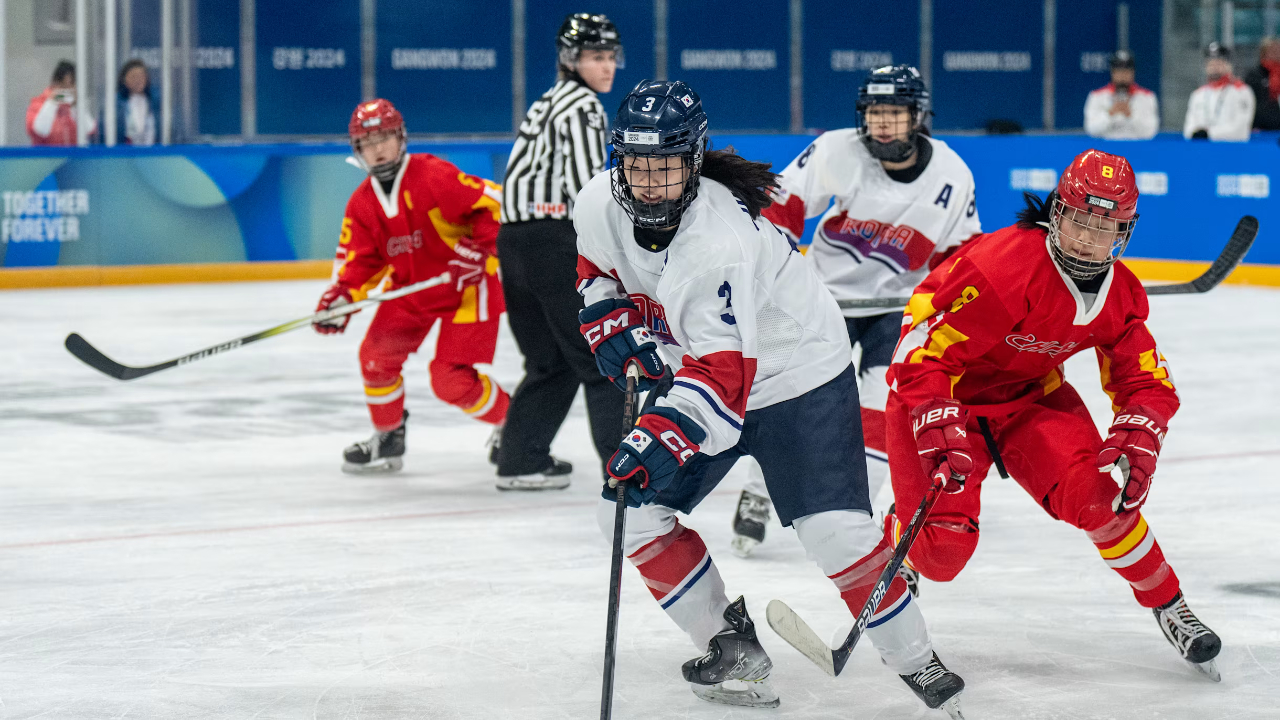
A team does not play as 18 individual perceptual systems. They play as one shared perceptual system.
Shared perception is built through scanning communication, shared language role clarity and emotional tone.
This is why identity frameworks like HEAT matter. They give players a shared perceptual map.
Psychological Reps for the Collective Mind
You cannot train the collective mind with drills. It requires decision-rich tasks, shared adversity co-designed solutions, chaotic situations with clarity anchors and emotional exposure inside safety.
Ecological environments train not just players but the team’s nervous system.
Why This Part Matters
The collective mind determines how a team thinks, feels and responds under pressure.
When it is aligned, perception widens, decisions accelerate, trust increases, and resilience becomes automatic.
Part 5 will explore psychological anchors, environmental design, reducing noise, early warning signs of fracture and how narrative shapes performance.
Author Bio: Barry Jones is an IIHF Level 3 High Performance Coach and USA Hockey Level 3 Performance Coach. He currently serves as Head Coach of the Perth Inferno (AWIHL) and leads the Blaze Development Program. His work blends ecological dynamics, nonlinear design, and athlete-centred leadership to build adaptive teams that thrive in uncertainty.