The Players Coaches Never Forget
We often talk about the impact a coach can have on a player. But after years of coaching, I’ve realised that sometimes the biggest impact works the other way around.
Over the years, I’ve heard plenty of players talk about the impact a coach has had on them.
Sometimes that’s on the ice developing their game, pushing them outside their comfort zone or giving them the confidence to take the next step.
Sometimes it has nothing to do with hockey.
It might simply be believing in someone when they’re struggling, being there when things aren’t going well, or creating an environment where they feel valued.
That’s part of coaching.
But there’s another side we don’t talk about nearly enough.
What happens when the player impacts the coach?
From First Steps to Professional Hockey
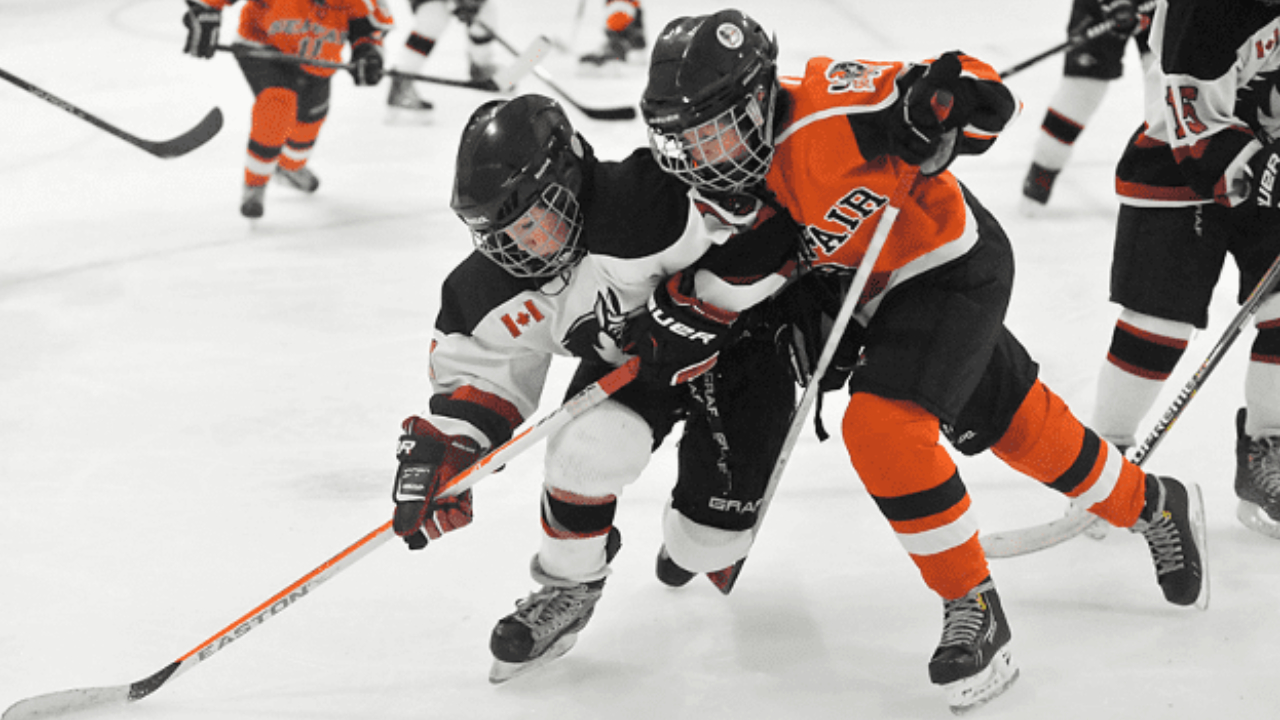
I've been incredibly fortunate throughout my coaching career. I've worked with hundreds of young players, including plenty who arrived barely able to stand on their skates. I've watched players progress through junior hockey, representative programmes and into the senior game.
I've also had the opportunity to work with players with experience across the NHL, AHL, ECHL, EIHL and NCAA. Those experiences have taught me a huge amount about hockey. But they've also taught me something much more important.
The level a player reaches doesn't determine the impact they can have on you as a coach.
Sometimes the player who affects you most isn't the professional. It isn't the player scoring the most goals, collecting trophies or getting selected for representative teams.
Sometimes it's simply a kid you've watched grow up.
A Small Hockey World
Ice hockey remains a minority sport in the UK. We don't have thousands of rinks or millions of children playing the game. Our hockey world is relatively small and, because of that, you tend to see the same faces around rinks year after year.
I think that makes the relationships within our sport quite unique. You can meet a player when they're five or six years old, perhaps taking their first steps on the ice, and still be crossing paths with them a decade later.
You watch them change teams. You see them progress through age groups. You witness the successes, disappointments, selections, injuries, confidence struggles and breakthrough moments.
You get to know families. Teammates become friends. Coaches cross paths again and again.
For many of us, the rink becomes a second home.
And when you're involved in somebody's journey for that length of time, sometimes the relationship naturally becomes about more than simply teaching someone how to play hockey.
You're watching part of their childhood unfold in front of you.
When It Works Both Ways
Every now and then, a player comes along whose journey you become particularly invested in.
You know how hard they've worked.
You know the setbacks they've experienced.
You see things in them that perhaps they don't see in themselves yet.
Their successes genuinely make you proud and their disappointments hurt a little more than perhaps they should.
You find yourself wanting them to succeed. Not because their success reflects on you as a coach, but because you genuinely care about what happens to them.
That's when coaching becomes about much more than hockey.
Hockey Is the Vehicle
The longer I've coached, the more I've realised that hockey is often just the vehicle. Yes, I want to develop better hockey players.
I want better skaters, smarter decision-makers and players who compete every time they step onto the ice.
But I also want to help develop confident young people who understand hard work, respect, resilience, accountability and what it means to be a good teammate.
And while we're trying to teach those things, something unexpected happens.
The players teach us too.
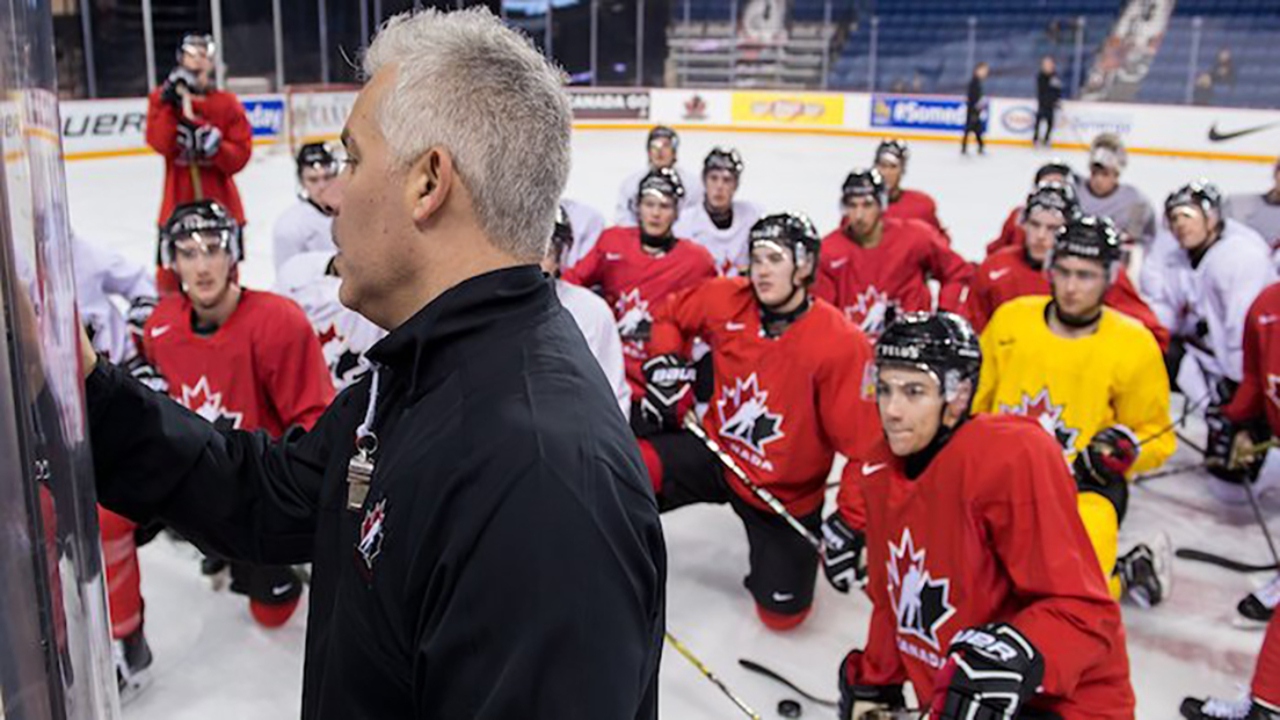
They challenge us. They frustrate us. They make us laugh. They make us question ourselves. And ultimately, they make us better coaches.
There have been times I've arrived at the rink after a difficult day thinking I'm there to give something to the players, only to leave realising they've given something back to me without ever knowing it.
You think you're supposed to be the one making the difference.
Sometimes they're making a difference to you.
The Players You Never Forget
Eventually, players move on. They join different teams, work with different coaches and follow their own path through hockey and life.
That's how it should be. Our job isn't to keep players.
Our job is to prepare them for whatever comes next.
But in a relatively small hockey community, moving on doesn't necessarily mean disappearing. You'll see a team sheet and immediately look for their name. You'll hear they've been selected for something and quietly feel proud. You'll bump into them at a rink years later.
You might see them achieve something and immediately remember the kid who first walked into one of your sessions. They probably don't realise you're still keeping an eye on their journey.
But you are.
What Players Leave Behind
I'd like to think that over the years I've made a positive difference to some of the players I've worked with. Maybe I've helped them become better hockey players. Maybe I've given them confidence. Maybe I've pushed them when they needed pushing.
Or maybe they'll simply remember that at one point in their journey, there was somebody who genuinely believed in them. But there's something coaches probably don't say enough.
You've given something back too.
From a child taking their first steps on the ice to a professional player who's played thousands of miles away, every player teaches you something. And then there are a handful who leave something with you that goes far beyond hockey.
They're the reason the early mornings, late nights, long drives, freezing rinks and countless hours spent thinking about hockey continue to feel worthwhile. Because coaching isn't really about the level somebody reaches. It's about people. It's about relationships. It's about being a small part of somebody else's journey. And occasionally, somebody comes along who becomes a small part of yours too.
Players often talk about the coaches they'll never forget.
The truth is, coaches have players they'll never forget too.
Sam Motton
Owner & Head Coach, Xtreme Edges Hockey