The Personalized Recovery Toolkit: Tailoring Neurochemical Recovery Strategies
Picture two athletes doing the same mega-intense drill on the same day. One walks away energized, the other sags, heads to ice, and struggles for days. Sound familiar? This isn’t bad luck. This reflects unique neurochemical responses to fatigue, stress, and recovery needs.
Let’s unlock the power of the four neurotransmitter profiles—dopamine, norepinephrine, serotonin, and GABA—and map out exactly what your athletes need to recover fully and perform consistently.
Dopamine Dominants crave stimulation and thrive on challenge but often push too hard, too fast. Their recovery hinges on structure and inhibitory balance: calming practices like magnesium threonate supplements and L-theanine can counter dopamine spikes. But caution—caffeine late in the day can fuel burnout for them like gasoline on a fire.
Norepinephrine-Dominant athletes live in high alert—always ready to react. Their nervous systems demand parasympathetic activation. They benefit intensely from GABA supplementation, magnesium glycinate, and low-dose melatonin, creating an oasis of calm after the storm of sport. They need to avoid extreme cold or heat post-game, as these exacerbate stress hormone spikes.
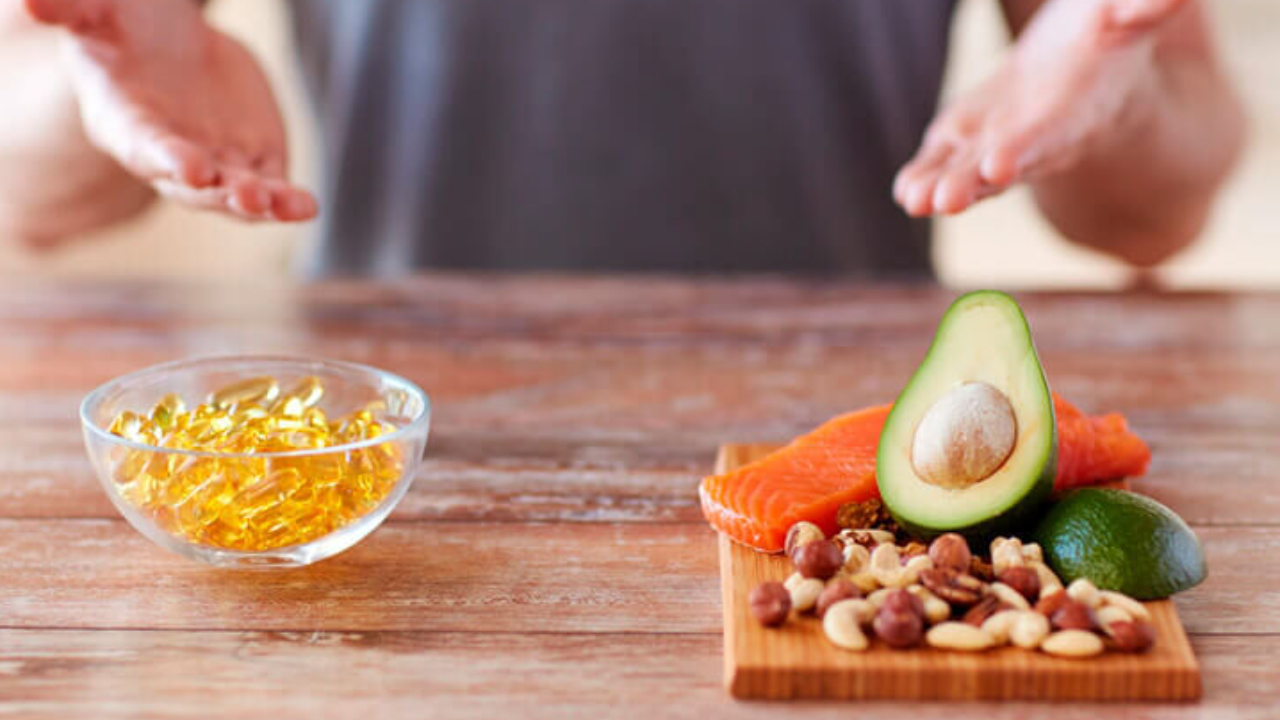
Serotonin Types are our routine lovers and mood anchors. Their recovery thrives on stability. Daily rituals, consistent sleep/wake times, and supplements like 5-HTP and omega-3 fatty acids support chemical harmony. Disturbing their rhythm risks mood dysregulation and energy crashes.
GABA Dominants are naturally calm but slow to engage and recover. Their recovery benefits from omega-3 fatty acids and B-vitamins, with cautious caffeine use to boost alertness. Passive over-rest may leave them sluggish, so active recovery is their friend—think gentle movement, not extended naps.
Beyond supplements, focus on the basics that cut across profiles:
- For sleep hygiene, dopamine types benefit from wind-down routines while serotonin types rely on consistent scheduling.
- Breathwork and movement practices actively calm norepinephrine types and activate GABA types.
- Thoughtful nutrition timing syncs meals with neurochemical rhythms to optimize energy and repair.
Here’s a quick, powerful exercise to promote parasympathetic recovery: inhale steadily for four seconds, then exhale slowly for eight. Repeat 10 times—it’s an easy reset for stressed nervous systems.
Also, try if possible to separate the cool down from the actual setting or game (if an early game) by at least 2h. It gives the sympathetic nervous system a chance to wind down and it will make your recovery session that much more impact.
Adopting neurochemical-aligned recovery isn’t just smart—it’s a game changer.
Recovery drives your in-season success more than most coaches realize. Treat it like your most critical “training session” to unlock sustained elite performance.
People. Purpose. Performance.