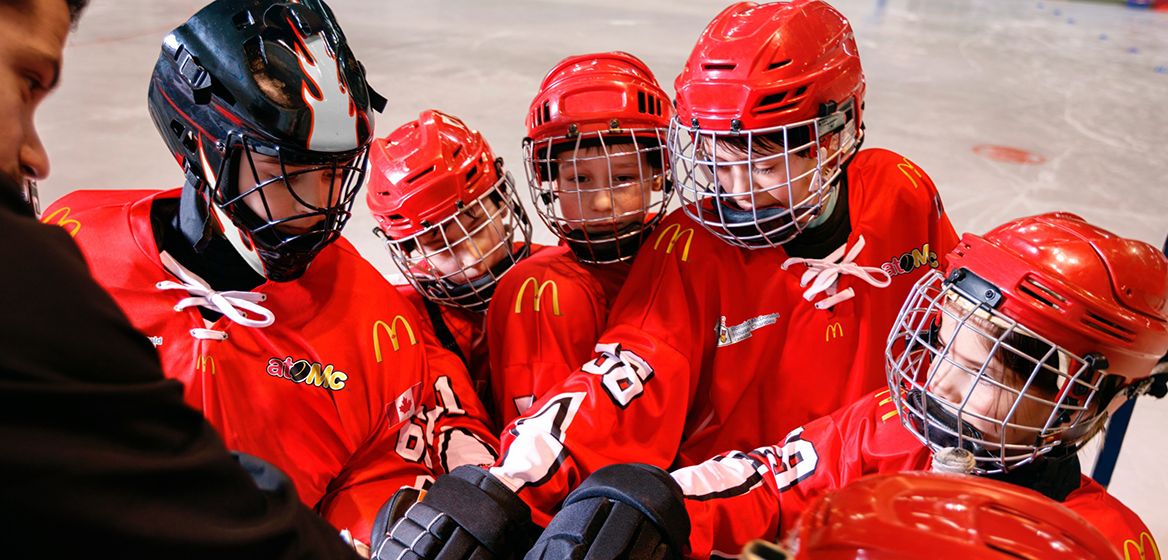
There is something we have gotten very wrong in youth hockey. We are spending too much time on skills, and not enough time actually playing the game.
Growing Up in Russia
When I was a kid in Russia, hockey was not something that happened inside a rink with a coach blowing a whistle. Hockey happened outside. On frozen ponds, on outdoor rinks, in the street. We played until we physically could not feel our toes anymore. Then we went inside, warmed up, and went back out.
Nobody was running us through a drill. Nobody was setting up cones. We were just playing. Making decisions, making mistakes, figuring things out on the fly — because there was a game happening and you had to keep up.
That environment — those hours of unstructured play — is where I actually learned to play hockey. Not in practice. Not in a skills session. In the game itself.
Wayne Gretzky, the greatest player who ever played, said it himself: "I grew up on backyard rinks and frozen ponds. That's where the magic starts." He didn't become The Great One in a structured skills session. He became The Great One because he played — endlessly, freely, and with a genuine love for the game.
Stick Time in Russia — The 3-on-3 Culture
When we did get ice time in Russia, something happened almost automatically that I have never seen replicated here in California during sticktime.
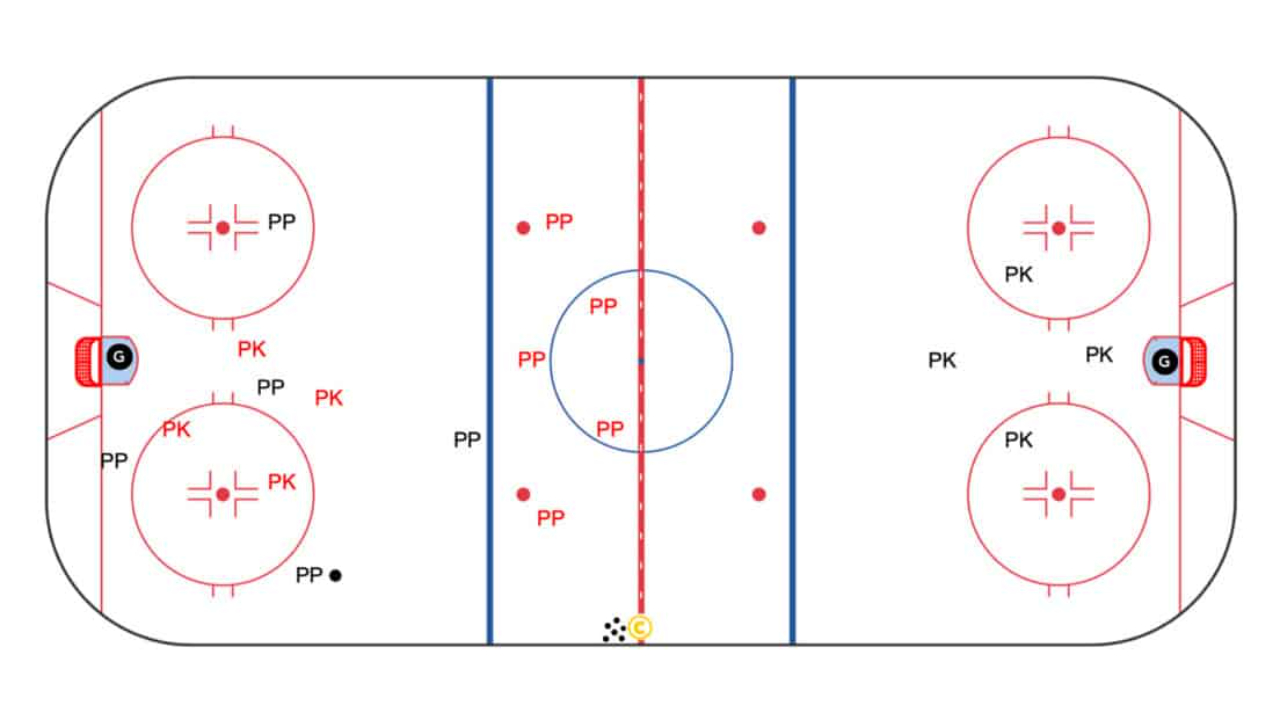
Someone would grab a puck, someone else would say "davai" — let's go — and that was enough. Everyone threw their sticks into a pile in the middle of the ice. One player would close his eyes, pick up the sticks one by one, and toss them to either side — left pile, right pile — until the teams were sorted. Within minutes, a third of the ice was a 3-on-3 game. No coaches organizing it. No drills. Just kids deciding to play.
And here is what made it special: it was never just one age group. You would have U12 kids playing alongside midgets and adults. Younger players mixed in with older, stronger, faster players. The little guys were getting their pockets picked, getting outmuscled, having to think two steps ahead just to survive. The older guys were developing patience, vision, and the ability to play in tight spaces against opponents who were crazy and desperate to get puck back.
That mix of levels is one of the most powerful development tools that exists in hockey — and it costs nothing. All it requires is a puck and a willingness to compete.
What I Found When I Came to California
When I moved to California, I went to my first stick time and I genuinely did not know what I was watching.
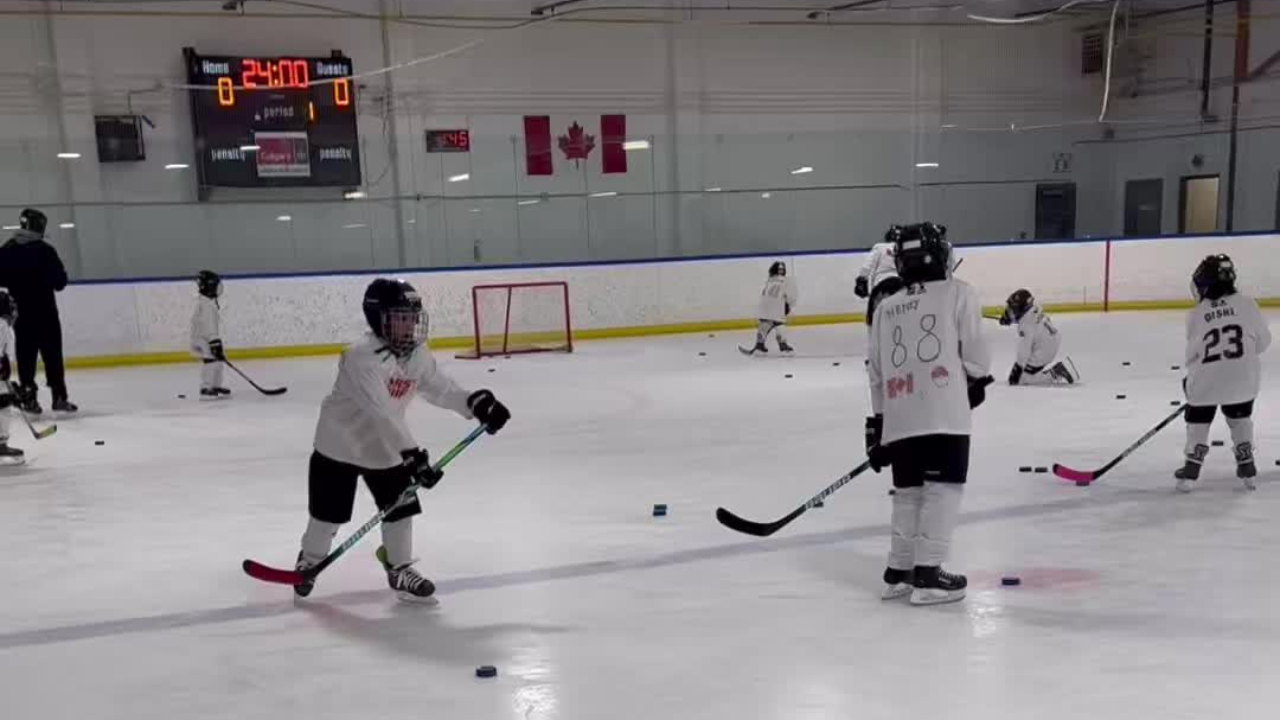
Everyone was just skating around. Players were grabbing pucks and shooting on nets — randomly, loosely, without any structure or purpose. Some were working on their edges alone. Some were passing to themselves off the boards. It was a free skate with sticks.
There was no game. There was no competition. No fun. There was no one to read, no one to react to, no pressure — nothing that resembles actual hockey.
I asked the guys if they wanted to split into teams and just play. They looked at me like I had said something strange.
It was one of the most surprising things I experienced after moving here. Not because these players were not moving — they were on the ice, they were touching pucks. But there was no game happening. No decisions to make. No opponent to react to. Just individuals skating in their own world, working on skills that only matter when there is someone trying to take the puck away from you.
What the Research Says
This is not just my opinion as someone who grew up playing in Russia. The science backs it up clearly.
Researchers define what I am describing as "deliberate play" — informal, game-based activity driven by enjoyment rather than structured instruction. Study after study has found that deliberate play is not just beneficial for young athletes — it is essential.
A comprehensive review published in the academic literature found that deliberate play promotes creativity and decision-making skills in team sports, and that athletes who reach the highest levels of sport benefit significantly from regular doses of it (Côté & Hancock, 2016). Read the overview →
One of the most striking findings comes from a study on elite youth soccer players: the only differentiating factor between players who became professionals and those who did not was the number of hours spent in free play between the ages of 6 and 12 — not structured practice, not organized competition, but play (Ford et al., 2009). Read more →
A study specifically on ice hockey found that expert players engaged in an average of six different sports between the ages of 6 and 12 — suggesting that diverse, playful athletic experiences, not early specialization, build elite players (Soberlak & Côté, 2003). Read more →
And when it comes to small-sided games — the 3-on-3 culture I grew up with — research published in peer-reviewed sports science journals confirms that reducing the number of players creates a positive environment that fosters decision-making, with more passes and skilled actions performed correctly (Timmerman et al., as reviewed in PMC). Read the full review →
There is also a safety dimension worth noting. Research by Jayanthi and colleagues found that athletes who exceed a 2:1 ratio of organized training to free play are significantly more likely to develop injuries. We are burning kids out — physically and mentally — by over-structuring their development. Read the study →
USA Hockey's own development philosophy — "play, love, and then excel" — is built on this exact principle: players must love the game before they can master it, and love comes from playing, not from drilling. Read more →
Why the Game Is the Best Coach
Here is the truth that every coach knows but not enough programs act on: the game teaches what drills cannot.
Drills can improve your edge work. They can make your shot more powerful. They can tighten up your passing mechanics. All of that has value.
But drills cannot teach you to read the game. They cannot teach you what it feels like to be pressured in your own zone with seconds to make a decision. You can develop certain elements of hockey sense off the ice — video analysis, studying puck movement patterns, working on your head scanning — but actual decision-making under pressure? That only improves in the game. There is no drill that replicates the speed and chaos of a real competitive situation.
When a player is in a 3-on-3 game, every single second is a decision. Where is the puck? Where are my teammates? Where is the space? What happens if I go here? That constant cognitive load — that constant problem-solving under pressure — is exactly what builds intelligent hockey players.
Research in ecological dynamics confirms this directly: skill acquisition tasks need to be based on performance in small-sided games rather than isolated drills in static practice contexts (Araújo & Davids, Exercise and Sport Sciences Reviews, 2013). Read the study →
Shooting pucks at an empty net does not do that.
Go Play Other Sports — Actually Play Them
And while we are on the subject of playing — I want to take it one step further.
It does not have to be hockey.
I am not telling you to sign up for another practice, another team, another structured program. I am telling you to go play. Pick up a basketball and run 3-on-3 at the park. Kick a soccer ball around with your friends and play a real game. Find a tennis court. Play street lacrosse. Whatever it is — just make sure there is a game happening, there are opponents, and there are decisions to make.
When you play a game of basketball, you are reading defenders, finding space, making split-second passes, reacting to movement. Different muscle groups, different movements, different angles — but the same brain doing the same cognitive work that hockey demands. You are developing your athletic intelligence without even realizing it.
This is fundamentally different from attending another sport's practice or training session. I am not saying join a travel soccer team. I am saying go outside and play a game with your friends. Unstructured, competitive, free.
I grew up doing this naturally. Every elite player I have known did the same. And the research backs it up completely.
A study by the Penn State College of Medicine polled professional, NCAA Division I, and Division III hockey players about their athletic upbringing and found that only 12% of those athletes specialized in hockey before age 12. The other 88% were out playing other sports — not necessarily in organized programs, just playing and competing in different environments. Read more via USA Hockey →
Research shows that athletes who only play one sport do not fully develop their agility, balance, and coordination — the three pillars of athleticism — and are 70 to 93 percent more likely to be injured than those who play multiple sports. Different games use different movements, different muscle groups, and different patterns. Your body and brain both need that variety. Read more →
Playing other sports also keeps you mentally fresh and hungry. A 2021 survey from The Aspen Institute found that youth athletes who played only one sport reported significantly higher rates of stress and burnout than those who played multiple sports. Burned out players quit. Players who love competing in all forms stay in the game longer and develop further.
So yes — play hockey. Play 3-on-3 at stick time. Play outside with your friends. And when you have free time away from the rink, go find a game of something else. Your hockey will be better for it.
What I Am Actually Saying
Let me be clear about something, because I want this to land the right way.
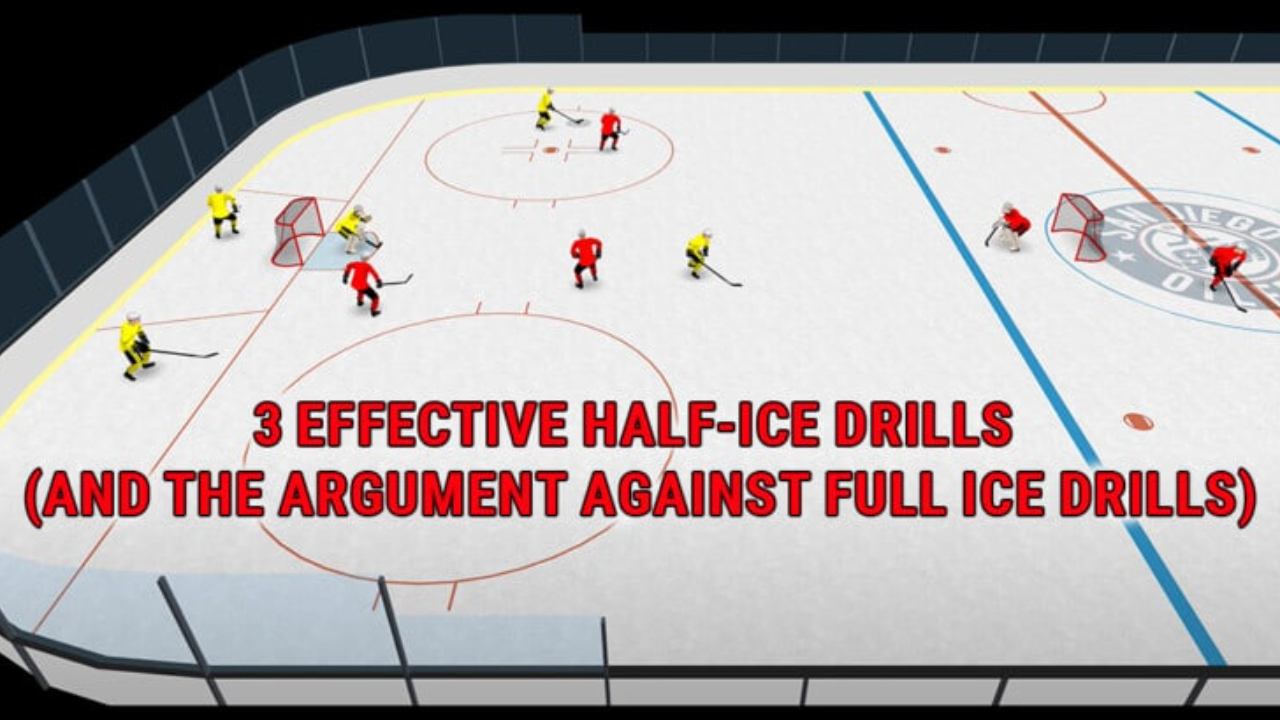
I am not against structured practice. Good coaches run good practices, and small-area games absolutely belong in that environment. When a coach designs a 3-on-3 battle drill or a small-sided game into a practice plan, that is great development. That is exactly the right kind of structure.
What I am talking about is your extra time. The time that is yours.
When you show up to stick time — that open ice session with no coach, no practice plan, no agenda — what do you do with it? Do you skate around loosely and shoot on an empty net? Or do you find a few other players, pick a small area of ice, and play?
When you are outside with your friends, with a ball or a puck and some space — do you work on skills in isolation? Or do you play?
That is the choice I am talking about. Not practice versus play. Your free time versus actual hockey.
The players I grew up with in Russia — the ones who developed fastest, who had the best feel for the game — were not necessarily the ones who had the most structured coaching. They were the ones who, when left alone with a puck, chose to compete. Every single time.
Your practices will develop your skills. Let the game develop your hockey sense.
The research agrees. The greatest players in history agree. And my frozen toes from those long Russian winters agree.
Use your extra time on the ice to play the game you love. Organize a 3-on-3 at stick time. Find some competition outside. Let the game teach you what no drill ever fully can.
References & Further Reading
- Côté, J., & Hancock, D.J. (2016). Evidence-based policies for youth sport programmes. International Journal of Sport Policy and Politics. Overview →
- Ford, P., et al. (2009). Free play and deliberate practice in elite youth soccer. Read →
- Soberlak, P., & Côté, J. (2003). The developmental activities of elite ice hockey players. Journal of Applied Sport Psychology. Read →
- Timmerman, E., et al. Small-sided games in hockey and decision-making. In: Small-Sided Games as a Methodological Resource for Team Sports Teaching. PMC. Read →
- Jayanthi, N., et al. Organized training vs. free play ratio and injury risk. In: Developmental activities of elite junior hockey players. PMC. Read →
- Araújo, D., & Davids, K. (2013). How small-sided and conditioned games enhance skill acquisition and decision making. Exercise and Sport Sciences Reviews. Read →
- Penn State College of Medicine study on multi-sport hockey players. Via USA Hockey. Read →
- NHL.com: Youth Hockey Players & The Importance of Multi-Sport Participation. Read →
- Elite Level Hockey: Early specialization and injury risk in youth hockey. Read →
- Aspen Institute: Single-sport burnout in youth athletes. Via Riley Dudar. Read →