A few years back I stopped coaching the players I thought I had, and started coaching the ones sitting in front of me. The two are rarely the same kid.
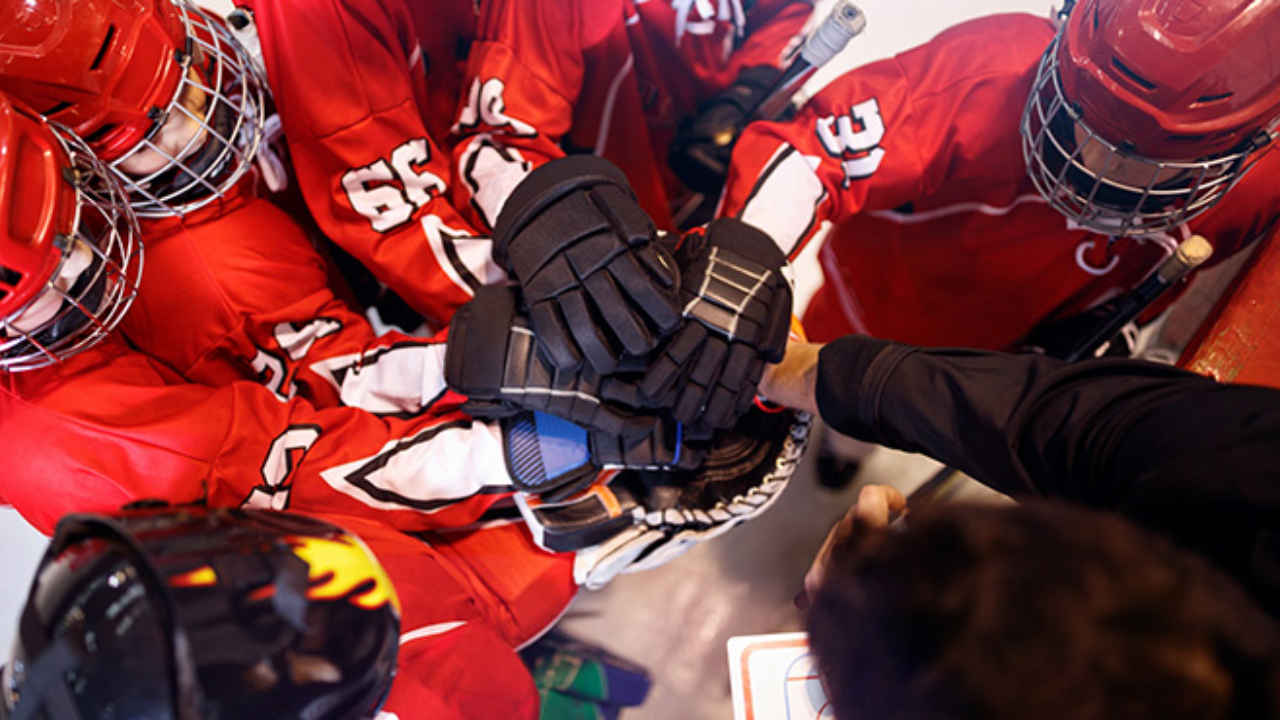
Before the season gets busy, before the practices stack up and the wins and losses start pulling on everyone's emotions, there's one thing I'd ask every coach to do. Ask the question: What do you want out of this season? Not what their parents want. Not what you think they should want. Not what the team needs from them. What they want.
That one conversation can change the way you coach a kid for the next eight months.
Every player skates for a different reason
Ask them, and you'll hear it.
One kid says, "I want to play college hockey." Good. Now you can push him a little differently. How badly do you want it. Are you shooting pucks in the driveway. Are you working on your reads away from the rink. You just learned what moves him, and every conversation you have with him after that lands harder because you know his why.
Another kid says, "This is probably my last year, I'm headed for medical school." That's good too. That player doesn't need to feel like he's less committed because the game isn't his final stop. He's got a real opportunity in front of him, and hockey is about to teach him things he'll carry into that career, his relationships, and the rest of his life. Your job was never only to build better hockey players. It's to build better people.
That's why I love setting goals with players. The goal doesn't have to be "make the NHL." It might be:
- Become a teammate the room can count on.
- Make faster, better decisions with the puck.
- Handle a mistake without it wrecking the next three shifts.
- Get ready for the next level.
- Or have the best final season of a hockey life.
Where goal-setting meets the Head
We talk about "The Four H's". Head, Heart, Hands, and High-level skating. Almost everyone coaches the last three. The Head is the one that gets left in the margins, and it's the one that decides who keeps advancing when the game speeds up.
Goal-setting is where you start coaching the Head. The exercise runs on one simple line.
ME → GOAL → PROCESS → POSSIBLE
The player names where he is, where he wants to go, the process to get there, and whether that goal is realistic in the time he's got. It comes from him, it means something to him, and it points at getting a little better every week. The same way we teach a player to Create Green, the right play for the situation, we teach him to set a green goal, real and reachable, instead of a red one he wrote down in September because it sounded good.
Teach them how to handle the fall
Here's the piece most goal talks skip. Teach them what to do when it goes sideways, because it will.
They'll have bad games. They'll blow an assignment. They'll get scratched. They'll lose confidence. They'll make the wrong read at the worst moment, and some of them will work like crazy and still not make the team they wanted. That's hockey. That's life.
The goal exercise teaches a growth mindset. A mistake or a setback isn't proof a kid can't get there. It's information, something to learn from and adjust to. The lesson says it in a few words the players remember.
Cannot Fail, Only Learn.
You've got a real chance with that. You can teach a player that success isn't only whether he hit the goal he wrote down in the fall. Success is also who he became chasing it.
What they'll actually remember
Years from now, your players won't remember every drill you ran or the score of most games. They won't remember many of your speeches. They'll remember the coach who believed in them before they believed in themselves, who challenged them because he knew how badly they wanted it, who understood the game wasn't their whole life, and who taught them that a mistake wasn't the end of the world. That's coaching...and it starts with knowing the why.
Try it with your team this week
I put together a simple two-page Creating a Goal worksheet you're welcome to run with your players. It walks them through ME → GOAL → PROCESS → POSSIBLE, what they need to improve, the process to get there, and what's realistic this season.
Download it, hand it out, start the conversation. You'll learn things about your room you didn't know, and those conversations tend to change how you coach the whole year.
That's the kind of thinking we build inside The Hockey IQ Program. Not just what a player should do on the ice, but why, and the reads that come with it. The worksheet is a taste of it. The program is the rest.
About The Hockey IQ Program
The Hockey IQ Program trains the Head, the fourth H almost nobody coaches. It's 59 lessons and we offer a Team program, which lasts about 30 weeks (~length of a season). It's built around one idea, Create Green, the right play for the situation.
Players learn the reads, the roles, and the thought process that decides who keeps advancing when the game speeds up.
Coaches get a Road Map that loads the thinking off the ice, so practice time stays for skating and skills and the whole room is speaking one language by November.
Parents get the words to help on the Car Ride Home instead of turning it into a second practice.
One plan, $49.99 a month per player, cancel anytime, and when 15 players from one team sign up, that team's coach gets a free license for a year.
See it at hockeyiqprogram.com.