These five environments will help us create and develop relationships throughout the season. This is valuable because it builds confidence in both the players and the coaches. Strong relationships lead to trust, and trust ultimately leads to better performance during the playoffs.
In short, these five environments can help you win because they improve players one day at a time. And who doesn't want to win? You? Didn't think so. The path to winning has already started, so let's make sure we're all headed in the same direction. This is where coaching happens, and this is what your role is in each environment.
This is a simple, factual, and real guide that you either follow completely or not at all. This isn't a list of tips. This is how we're going to operate.
1. Practice
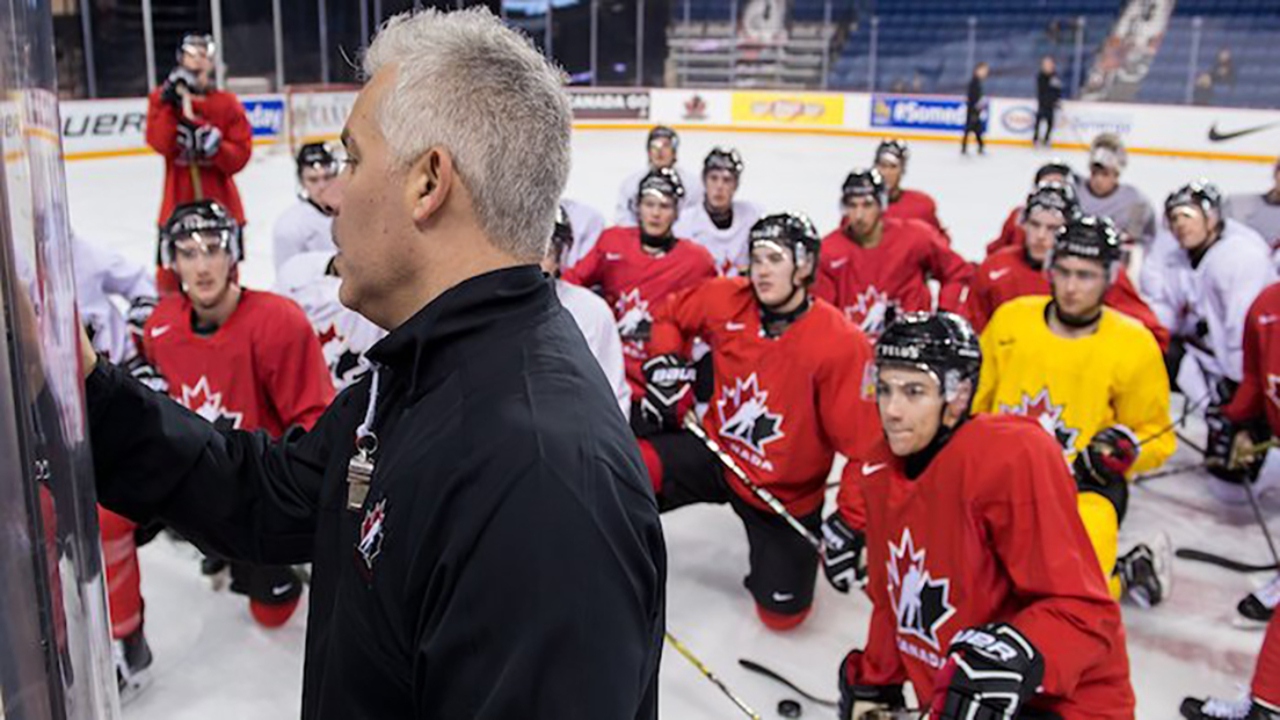
Lead (when you're running practice): First off, bring the juice. You are the inspiration, bring energy, preparation, and passion. Create a fresh practice plan every day that doesn't repeat anything from that week (or the week prior). Cover a minimum of 60 minutes, including at least six drills and a small area game. Always plan extra, but stick with a drill if it's going well or you come up with new progressions while it's happening. If the vibe is good and everyone is in the zone, stick with it. If the vibe is off or the drill isn't working, shut it down and banish it from your mind. Brainwash the players into systematic play with small area games, competitions, and rondos. Keep score. Add points for the skills you want to see, like one-timers or rebounds.
Support (assistant or equivalent): Our assistants don't need to be moving pucks for the next drill. They need to be present for the explanation and add input only when the head coach requests it. If you were watching the players instead of paying attention and you don't know what the drill is when the coach asks for input, guess what? You don't have any! And that's fine. Always be active. Don't lean on the boards. Talk to players in line, during drills, and on the bench. Give them feedback, positive or constructive. That's why you're here: for them, not for you. At least not in that moment. Eventually, those conversations will lead to bigger opportunities.
2. Gym
Support: Move around and talk to the players. You don't have to know exactly how every lift or movement works. In fact, it's powerful to ask them what they think they're doing well. Get them talking. Encourage them, offer feedback, or just hang out. Don't bring your phone into the gym. Tasks like laundry or phone calls can be started before the workout. Ensure the players understand that the workout is a key component of being an athlete and is no more or less important than practice or games.
3. School
Support: Academics are challenging because you're not physically in the building. We have to find a way to reinforce their importance. Being an elite athlete is a 24-hour job. How you do anything is how you do everything. The players do a lot of homework on the bus and in the hotel, so you can do the same. Open your laptop on the bus ride there and back and get some work done. Plan your next practice, get your review ready, or try to learn something new. That's why you're here: to learn and get better.
4. Video
Lead: In addition to being around the players in the gym and at practice, the most powerful way to make them better is through individual attention. All players want to be seen and heard, just like you did when you played. Ten minutes spent watching a player's shifts with them will have an enormous impact on their performance. Build their confidence, but make sure you're honest about the things they can improve. The satisfaction you'll receive when you show them something on video and then it shows up in a game is huge. This is also the foundation of almost any future job you might want. Most importantly, imagine the playoffs are here and you can look back knowing you've met with every player 10 times. How much better will the team be compared to a scenario where you've only met with a handful of players two or three times?
5. The Bench
Support: Your number one contribution will be the attention each player receives. It's tiring, but there are 20 players who will respond to feedback. Watching improvements happen in real time from shift to shift is one of the most gratifying feelings a coach can have, so chase that high. Keep the shifts short, get everyone involved early, and give the head coach your thoughts regularly or whenever they're needed.
Lead: This is everyone's reward for a week spent grinding away. Have fun with it! It's a game, and you've earned the chance to compete and enjoy yourself, win or lose. Hopefully a win, of course. That's why we play the game.
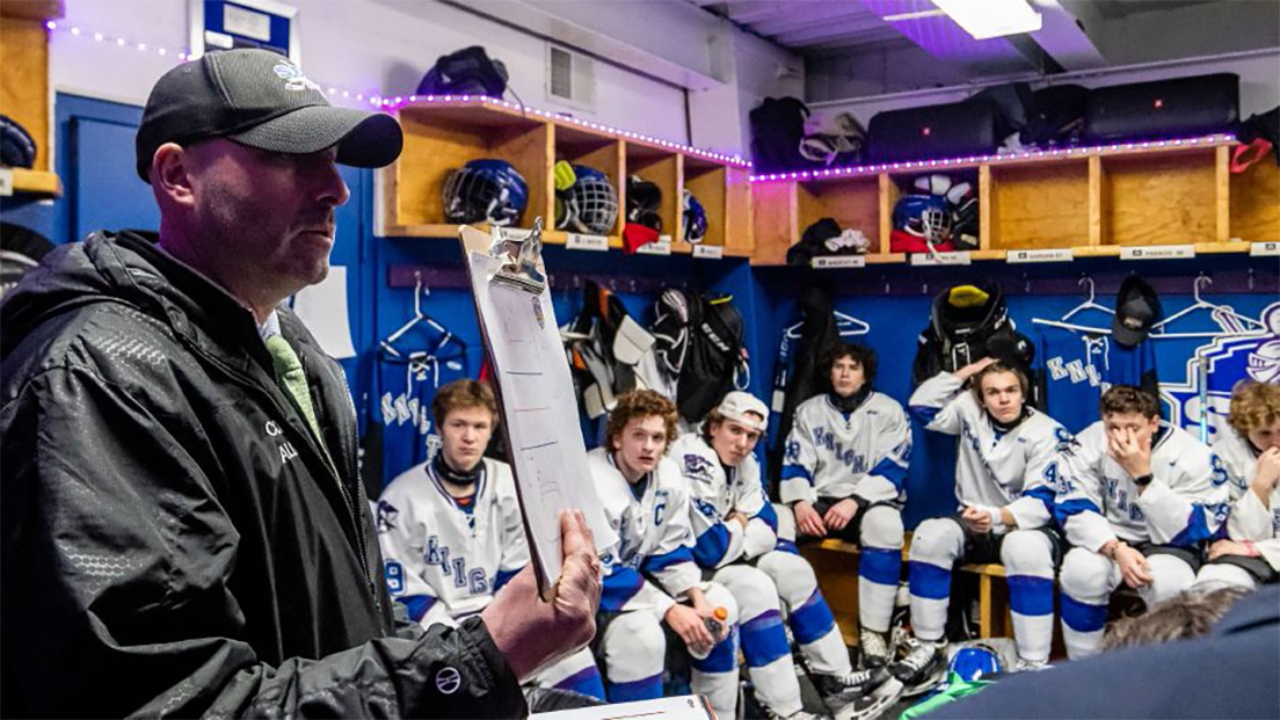
By the time the puck drops, the outcome is probably already largely decided, even in a chaotic game like ours. How was the week of practice? Do you know your opponent inside and out? Do the players know the game plan? Be thorough in your preparation and adapt in-game as necessary.
You are the emotional rudder of the team, and it's a big responsibility. If you act like the mountain is too steep, then it is. If you believe your team is up for the challenge, then it is. If you demonstrate resiliency and believe, because of all your hard work, that you'll win, then you will.
Or you won't.