
Day 1 of TCS Live 2026, taking place in Edmonton, Alberta, centered around one common theme: helping players make better decisions in an increasingly unpredictable game. Whether presenters focused on cognition, tactics, skill development, special teams or practice design, the message was consistent. Great coaching isn't about scripting every play. It's about creating environments that teach players how to read situations, solve problems and execute under pressure.
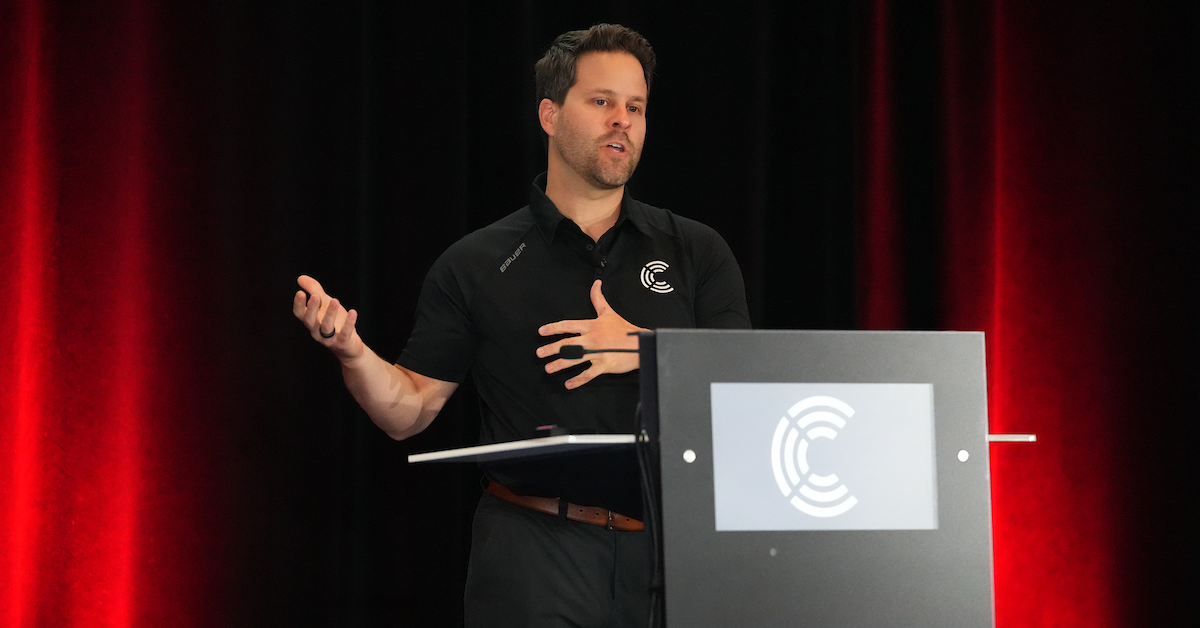
Matt Comand | Athlete Cognition and the Science of Better Decision-Making
Matt Comand opened the conference by introducing his SIDE framework: Search, Imprint, Decide and Execute. Rather than evaluating players solely on the outcome of a play, Comand encouraged coaches to understand the thinking that happens before execution. He explained how players develop hockey IQ by identifying the right cues, organizing information, evaluating multiple options and ultimately selecting the best solution. His presentation reinforced that smarter players are developed through intentional coaching conversations and practice design, not simply born with better instincts.
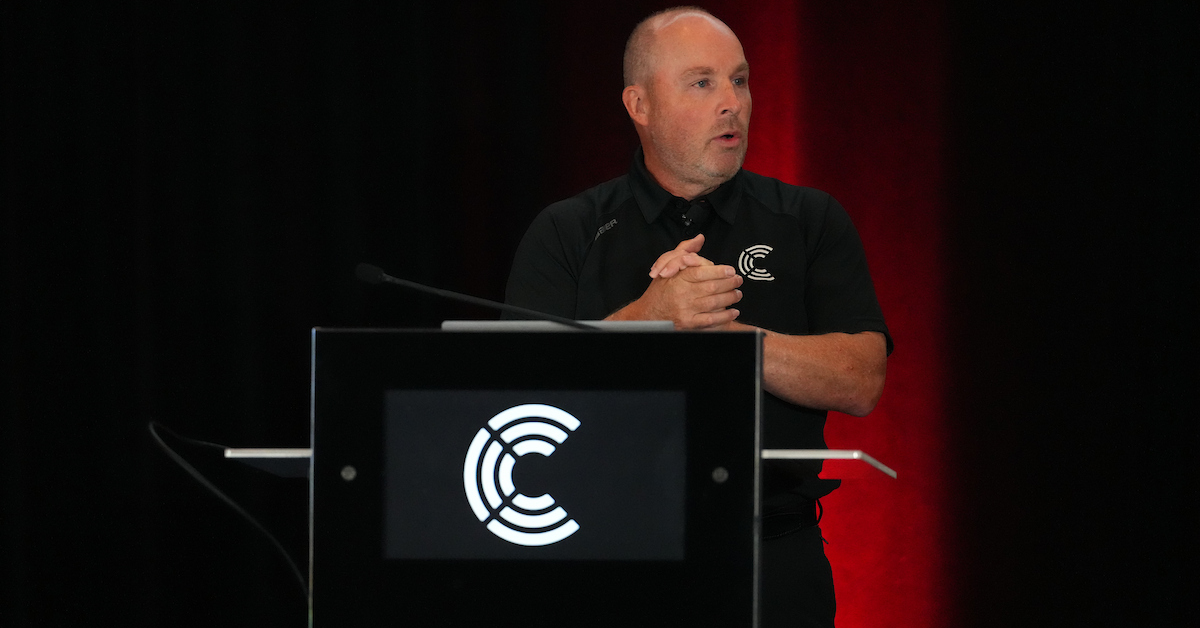
Steve Spott | Position-Specific Skills Behind Elite Power Plays
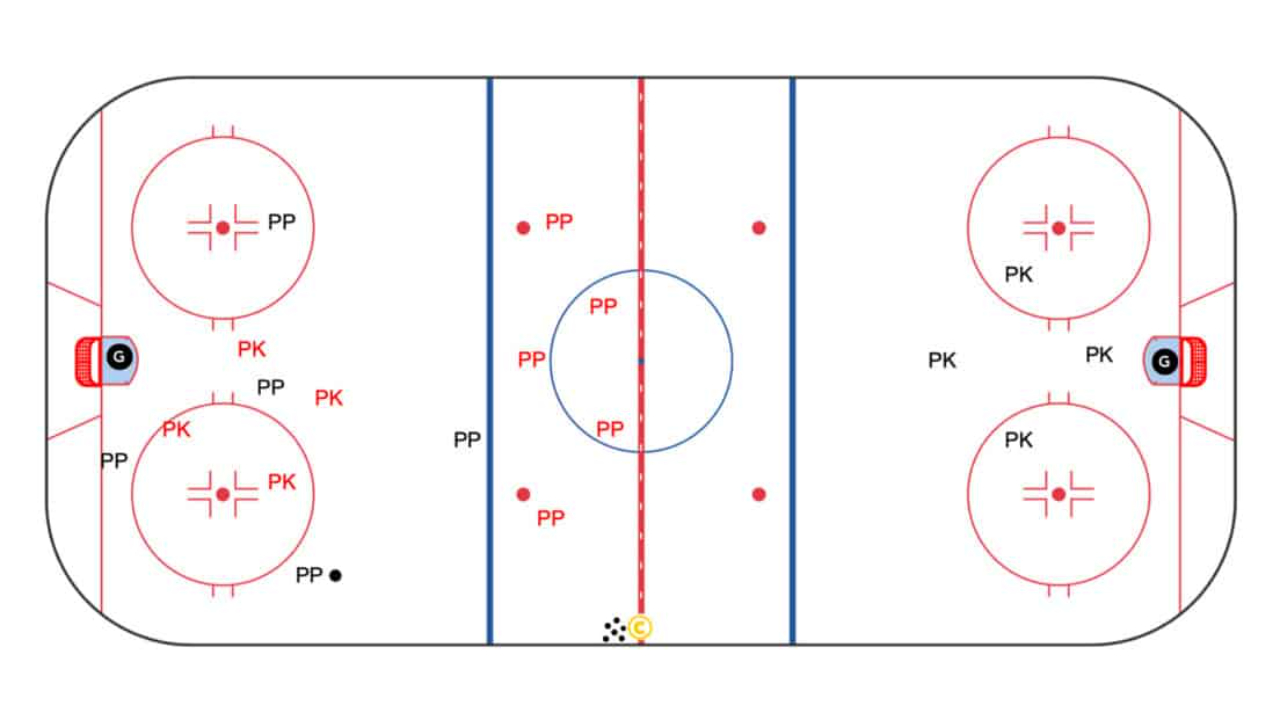
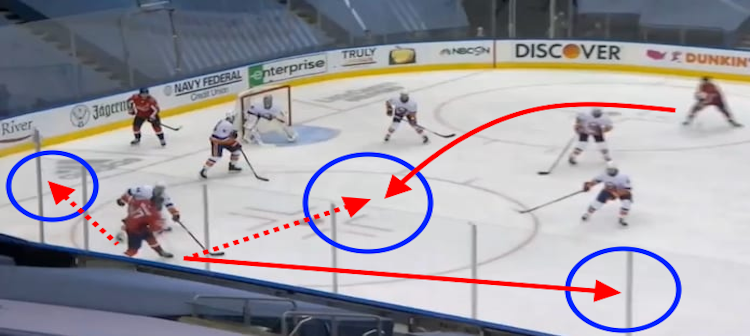
Boston Bruins Assistant Coach Steve Spott broke down how modern NHL power plays have evolved to attack increasingly aggressive penalty kills. He highlighted the specialized skills now required at every position, from mobile quarterbacks and deceptive flank players to intelligent bumper players and skilled net-front forwards. Rather than simply running power-play reps at the end of practice, Spott encouraged coaches to dedicate time to developing the unique skills required for each role.
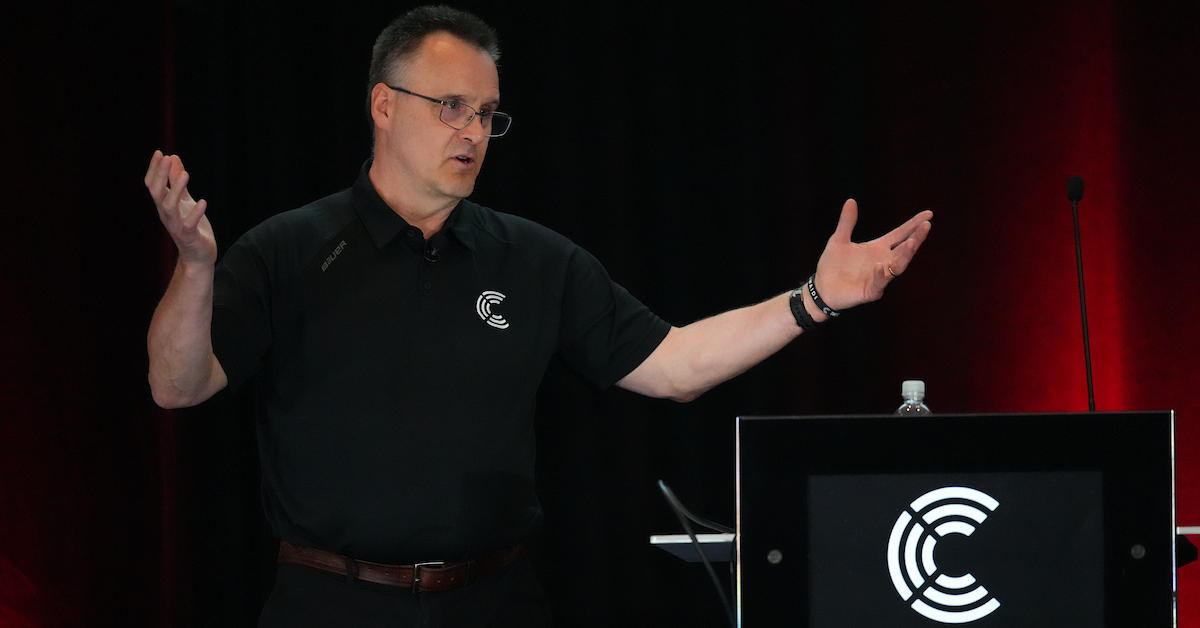
Gary Makar | The Attention Cue
Gary Makar introduced the WAIDAWAIDI Way™ (What Am I Doing And Why Am I Doing It?), a simple framework designed to improve focus, decision-making and accountability. Drawing from neuroscience and youth coaching research, Makar emphasized that coaches need to teach players where to direct their attention before outside distractions do it for them. His framework offered coaches a practical tool for creating greater presence, purpose and resilience without changing their entire coaching philosophy.
Andrew Lord | Developing the Complete Forward
Ontario Reign Head Coach Andrew Lord explained that complete forwards are built through habits, consistency and daily choices rather than talent alone. While tracking, stick detail, awareness and physicality all matter, players must first commit to doing those things consistently. Lord discussed building an engaged team culture through high energy, internal competition and honest conversations, reminding coaches that development is rooted in accountability and commitment.
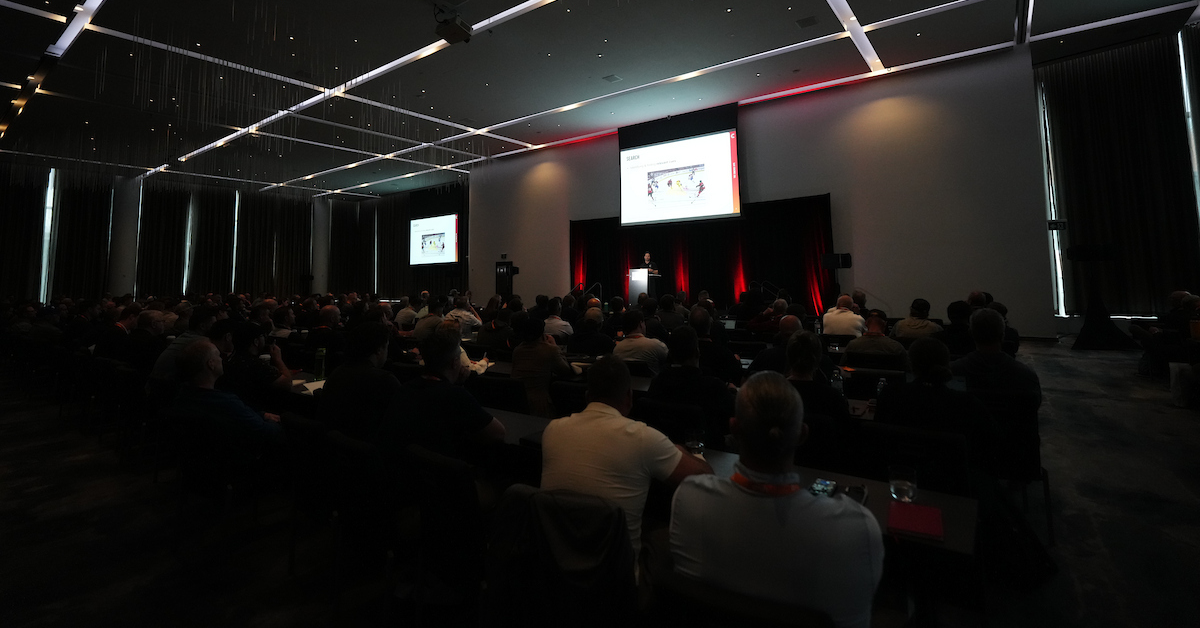
Nick Johnson | Calibrating the Confidence Dial
Mental performance coach Nick Johnson challenged coaches to think about confidence as a dial rather than an on-off switch. Confidence naturally rises and falls based on an athlete's environment and experiences. Johnson explained that building mental resilience isn't about eliminating negative thoughts but replacing them with stronger positive ones. He reminded coaches that mental toughness is a skill that can be developed and that creating supportive environments is essential to helping athletes thrive both on and off the ice.
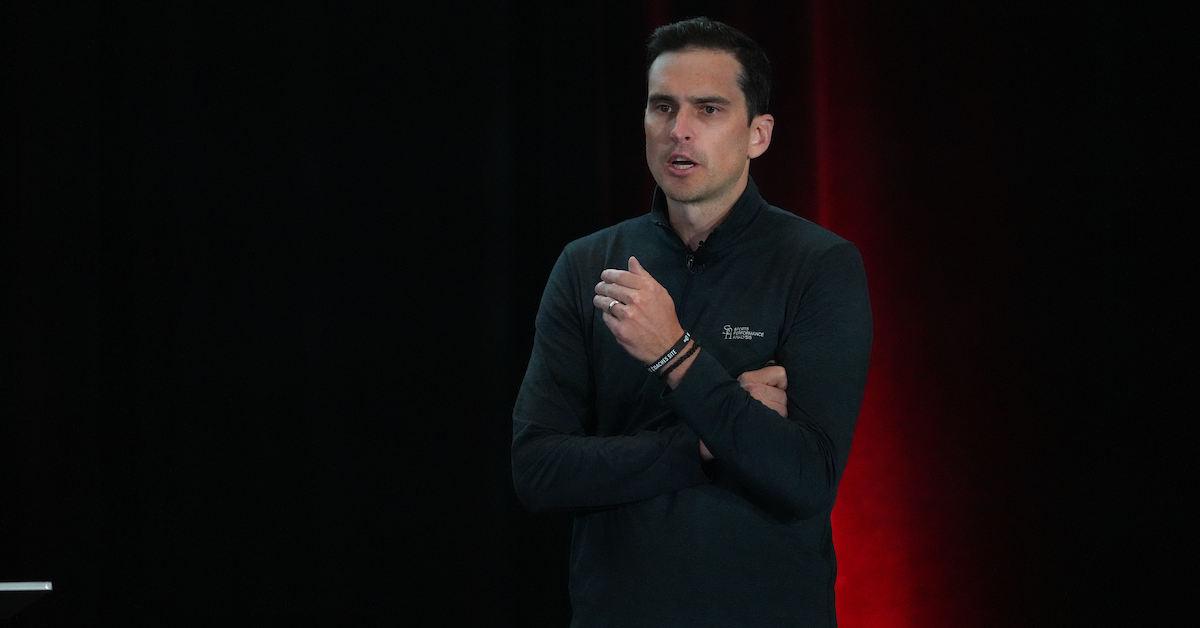
Dave Prestage & J.F. Best | The Tactical Efficiency Model
Dave Prestage and J.F. Best introduced their Tactical Efficiency Model, a performance analysis system that evaluates every five-on-five possession to determine which tactical decisions actually lead to goals. Their analysis of nearly 950 playoff goals revealed a surprising finding: teams scored more often off breakouts against dump-ins than they did after their own dump-ins. Their research challenged traditional coaching assumptions and highlighted the growing importance of transition play and disrupting breakouts.
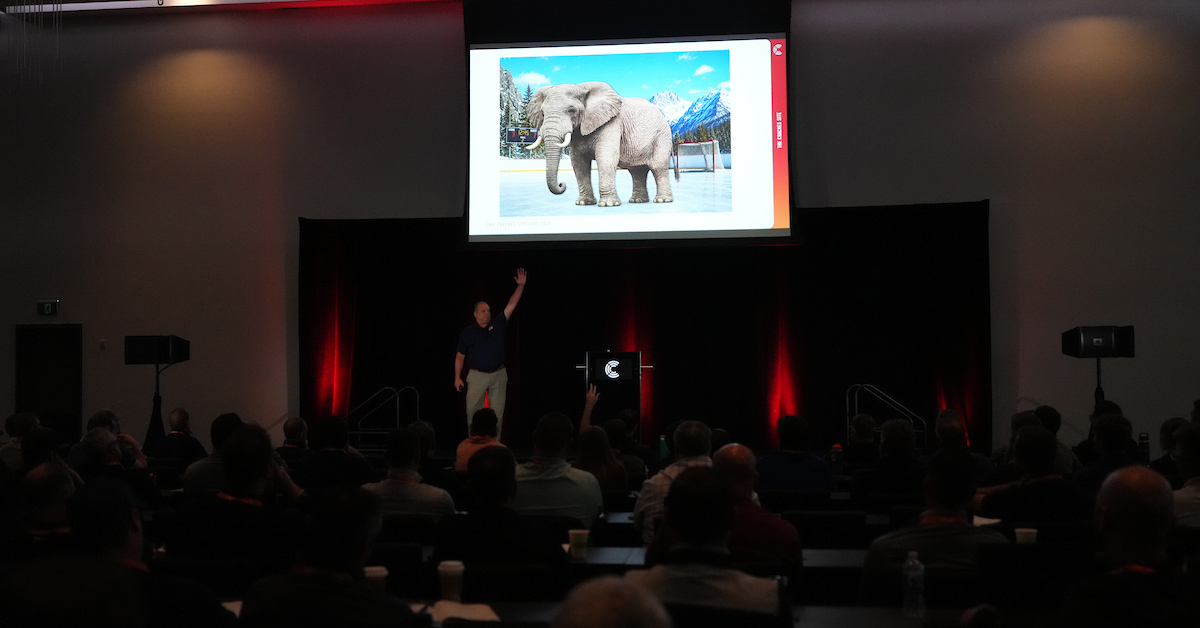
Bob Mancini | Coaching Players to Achieve
USA Hockey's Bob Mancini encouraged coaches to see themselves as conductors instead of directors. Rather than controlling every decision, coaches should create practice environments that allow players to solve problems on their own. He emphasized using game-like situations that mirror hockey's unpredictability, believing players learn best when they're challenged to think and adapt. His message reinforced that the environment a coach creates has a greater impact than the instructions they give.
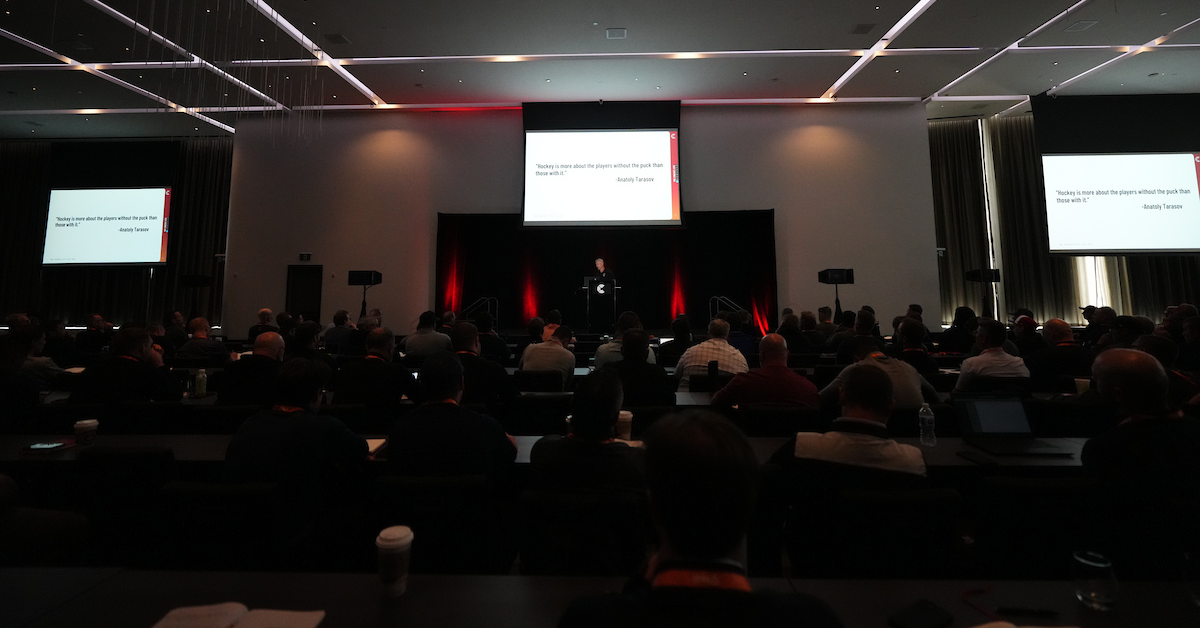
Cail McLean | Line Rush Principles for Creating and Attacking Space
Calgary Flames Assistant Coach Cail McLean focused on teaching offensive principles instead of scripted systems. He outlined four concepts: Expand North, Gain the Middle, Drive Support and Slot Line Options. Together, these principles help players manipulate space, support one another and create dangerous scoring opportunities while still allowing for creativity and adaptability within the flow of the game.
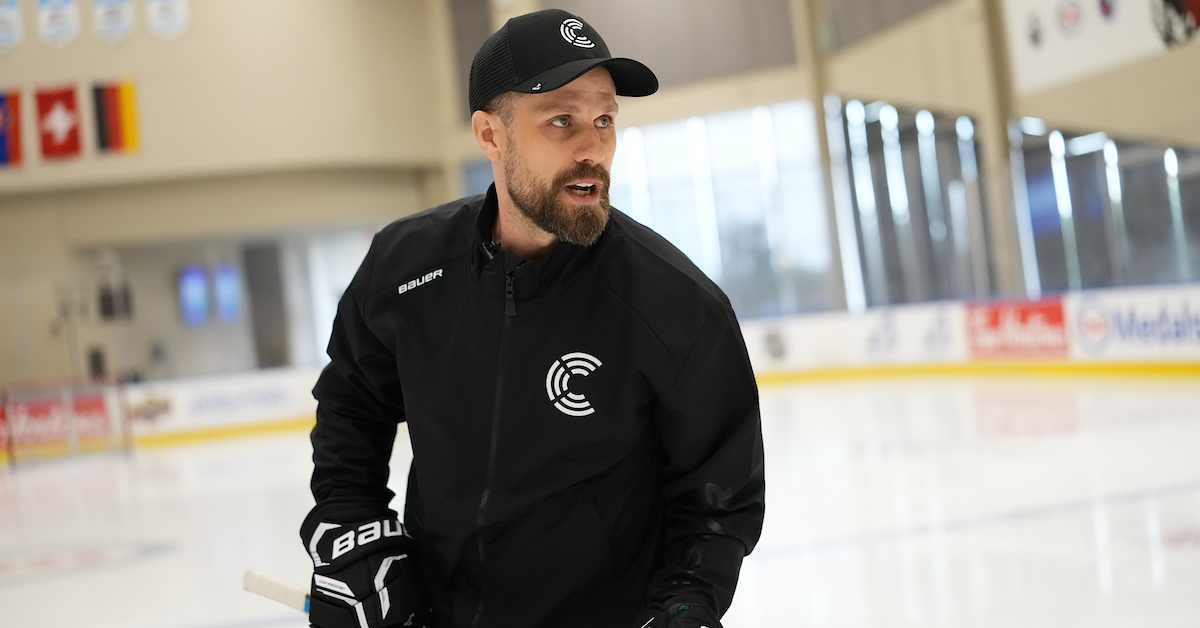
Jonathan Sigalet | Mastering Simple Movements for Elite Puck Skills
Jonathan Sigalet demonstrated how simple skating mechanics can dramatically improve puck possession and offensive effectiveness. Through progressive on-ice drills, he showed how efficient footwork, smooth turns and proper body positioning help players maintain possession while keeping their heads up to scan the ice. His presentation emphasized that mastering simple movements creates the foundation for elite puck skills.
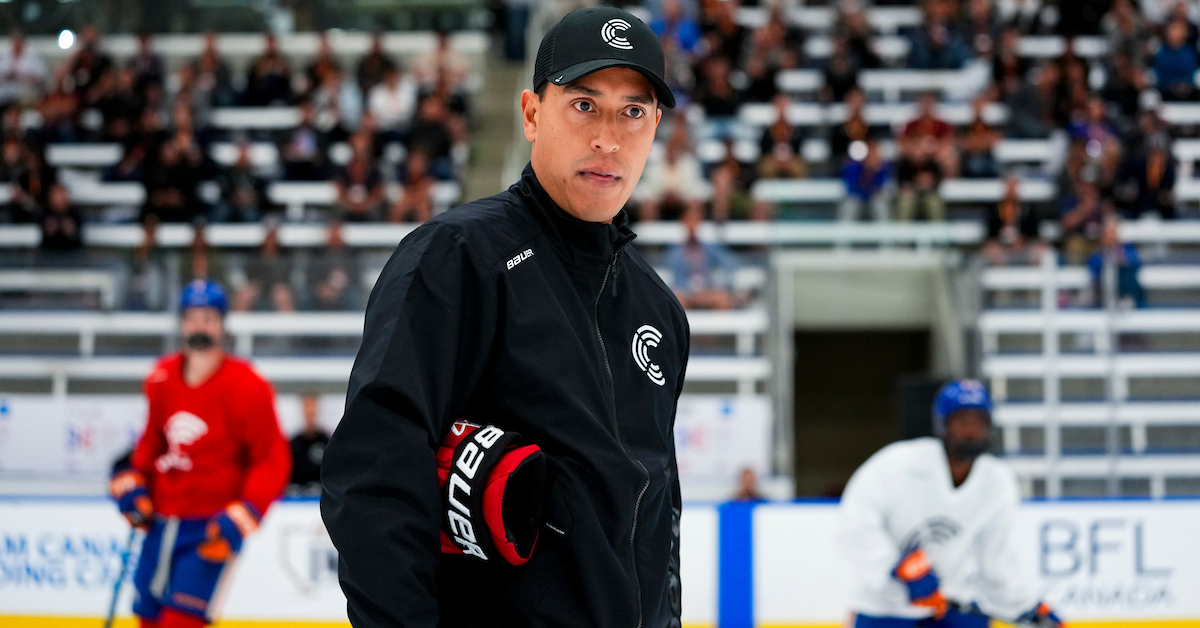
Daniel Bochner | Manufacturing Offence from High Ice
Carolina Hurricanes player development coach Daniel Bochner led an on-ice session focused on teaching players how to attack downhill from the high offensive zone. Using progressive drills that gradually introduced defenders and passing options, he emphasized scanning the ice, receiving passes while facing the net and making effective downhill reads. Coaches left with practical drills they could immediately implement to teach offensive movement and decision-making.
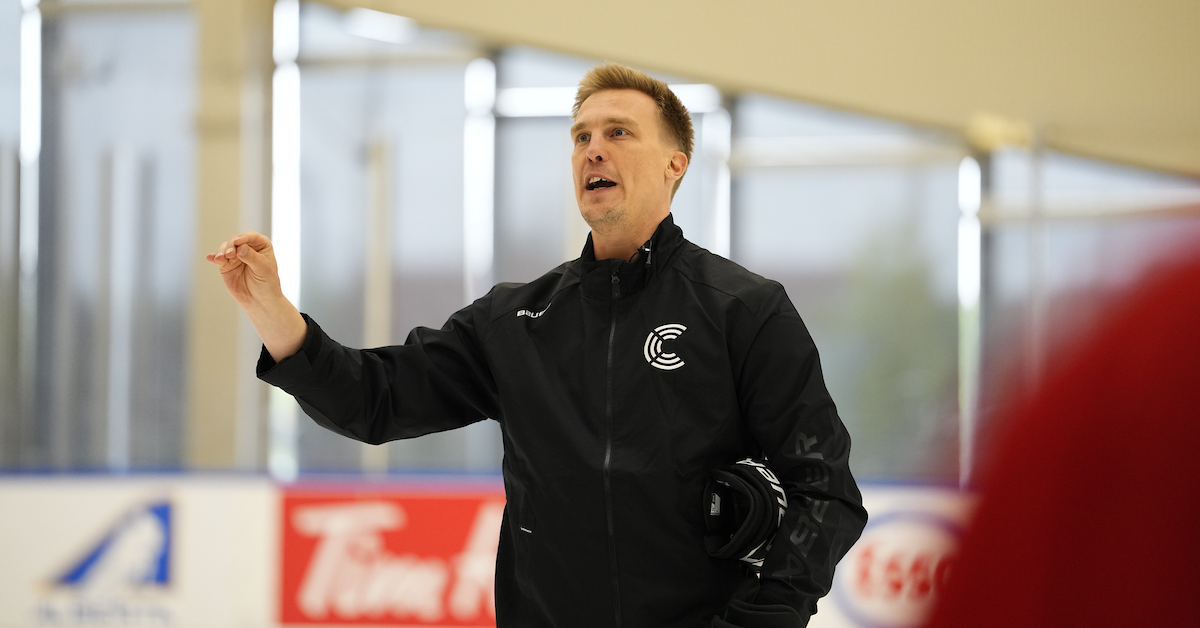
Iiro Mantyla | Developing Hockey IQ Through Practice Design
Iiro Mantyla reinforced one of the conference's biggest themes by demonstrating how practice design can accelerate hockey IQ. His drills forced players to constantly scan, process information and make decisions based on changing situations instead of predetermined instructions. Every repetition was different, teaching players to anticipate plays and solve problems independently, just as they would during a game.
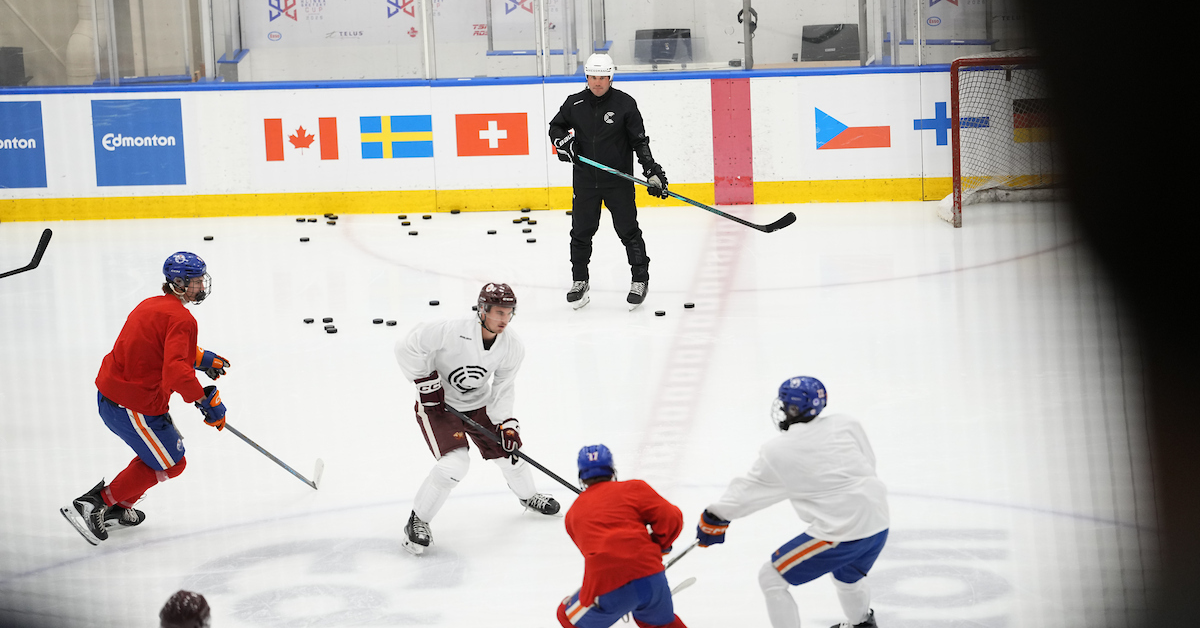
Tobias Johansson | From Protecting to Possessing
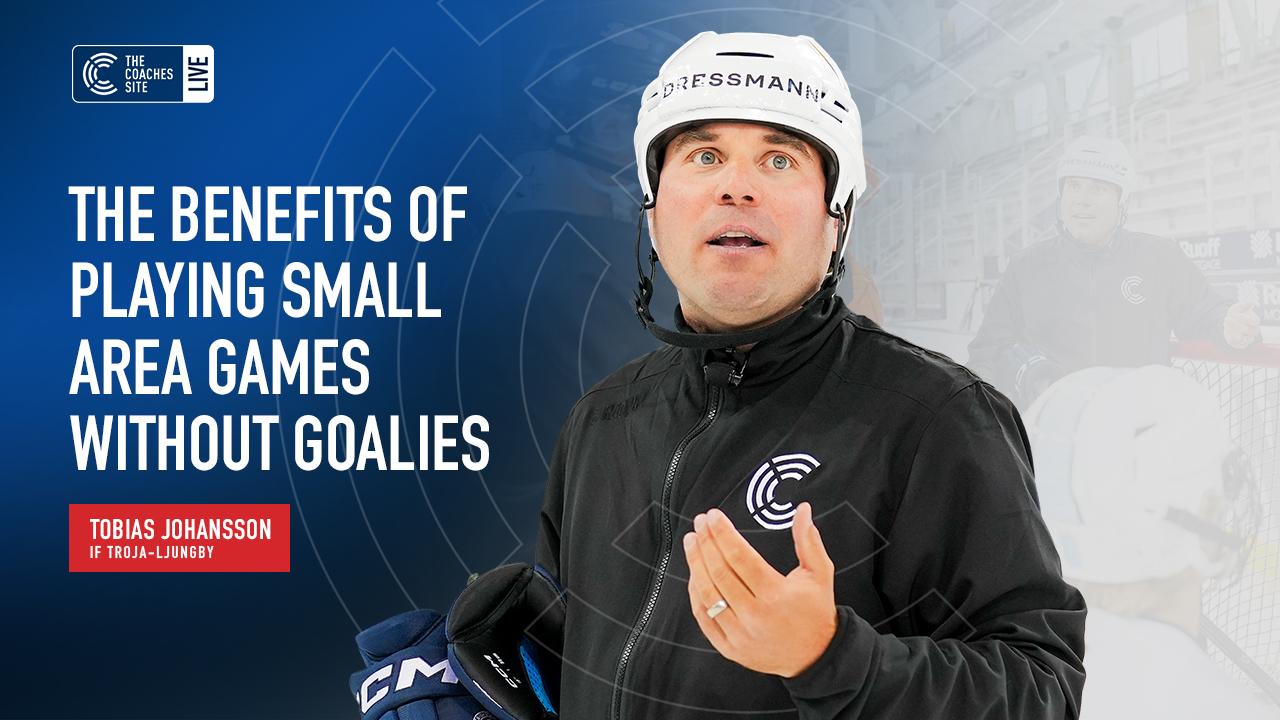
Tobias Johansson wrapped up Day 1 by encouraging coaches to shift their language from "protecting the puck" to "possessing the puck." He believes that subtle change creates a more offensive mindset and encourages creativity. Through competitive possession drills and small-area games, Johansson demonstrated how giving players more puck touches, more decisions and more opportunities to fail ultimately leads to greater confidence and offensive development.