Coaching in 2026 is a different world than it was in 2006. We won't dive into technological details in this text, we all know that game-clipping software is far more efficient today than it was in the era of VHS tapes. One of the greatest shifts lies in the athletes themselves: their behavior and how coaches must manage it.
As years pass and generations change, coaching styles must evolve with the tide.
Psychological safety is a concept that has been studied in workplace teams for many years. In sports teams, while attention to this element is more recent, it is no less vital.
What is Psychological Safety?
In the context of sports teams, psychological safety has recently been defined as "a feeling or climate in which the learner can feel valued and comfortable while expressing themselves and taking risks without fear of reprisal, embarrassment, judgment, or consequences for themselves or others, thereby fostering learning and innovation" (Turner and Harder, 2018, p. 49).
1. Prioritize Social Interactions Between Athletes
It is a myth to believe that a team has no cliques. Human nature dictates that we develop affinities with some people more easily than others. In CHL teams, for instance, a 16-year-old player and a 20-year-old player won't necessarily share the same hobbies—one is in high school while the other is in university. They share a passion for hockey, but often little else.
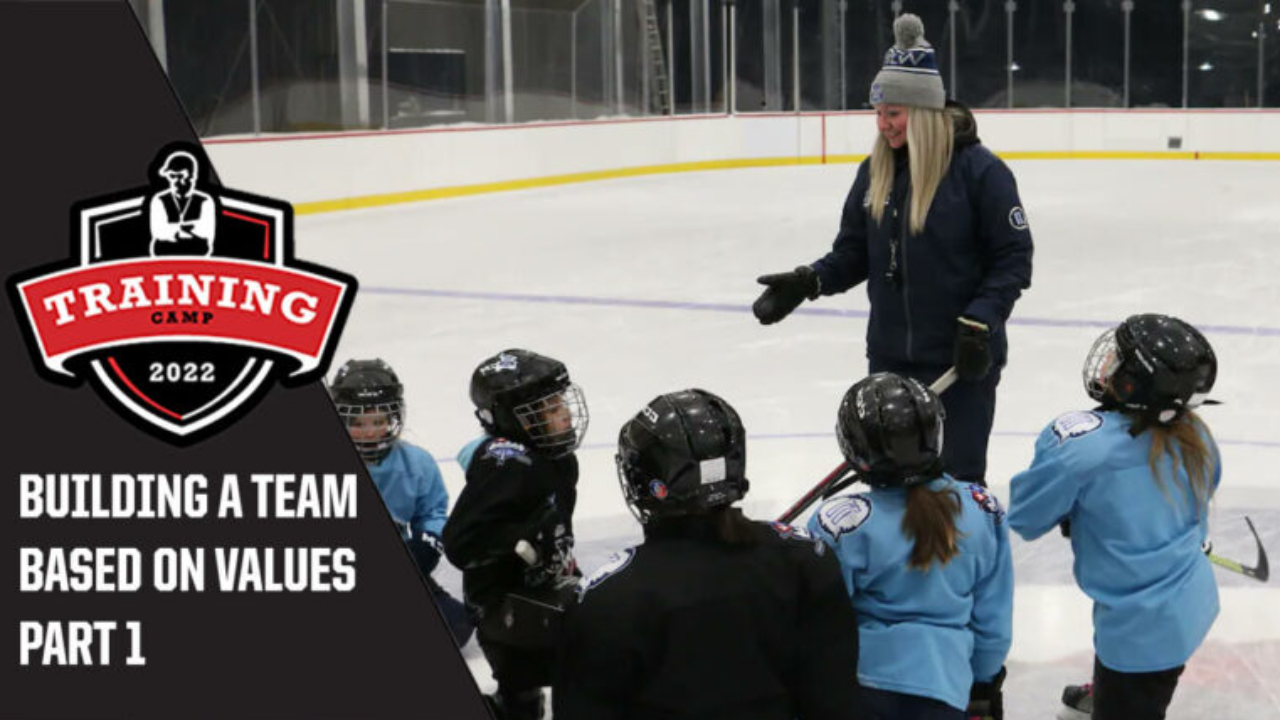
It is the coach's role to initiate interactions to bridge these gaps. As the group matures, the coach’s role can become more hands-off. However, through team-building activities and social outings, remember: nothing happens by magic.
Recommended Resource: Team Building Activities for Athletes: How to Master the Art of Building a Successful Team Culture Through Intentional Activities.
2. Establish a Mission, Vision, and Values for Your Program/Team
This is Management 101! However, doing this in partnership with your athletes allows you to challenge the status quo. It gives them a voice, provides themes for various early-season activities, and ensures everyone works toward a common goal. Can program values change annually? Absolutely. Players change, coaches change, and we all evolve together. The challenge is keeping these elements alive throughout the entire season.
Recommended Tool: Quality Coaching Toolkit - Coaching Performance, Life, and Sport
3. Implement and Enforce a Culture
Culture flows from the elements mentioned above. Defining your mission, vision, and values is essential, but setting rules and enforcing them is equally critical. Based on your values, these rules define the "sandbox" in which your players can operate.
Letting things slide or failing to take charge is a decision in itself. If you do not impose a culture on your team, a culture will be imposed upon you—and you likely won't care for the result.
Recommended Resource: The Culture System: A Proven Process for Creating an Extraordinary Team Culture.
4. Utilize Leadership Roles
Leadership is a complex theme. While your behavior as a role model is essential, I also invite you to read my piece, Leadership : A Shared Effort,to expand your knowledge and empower all the leaders on your team.
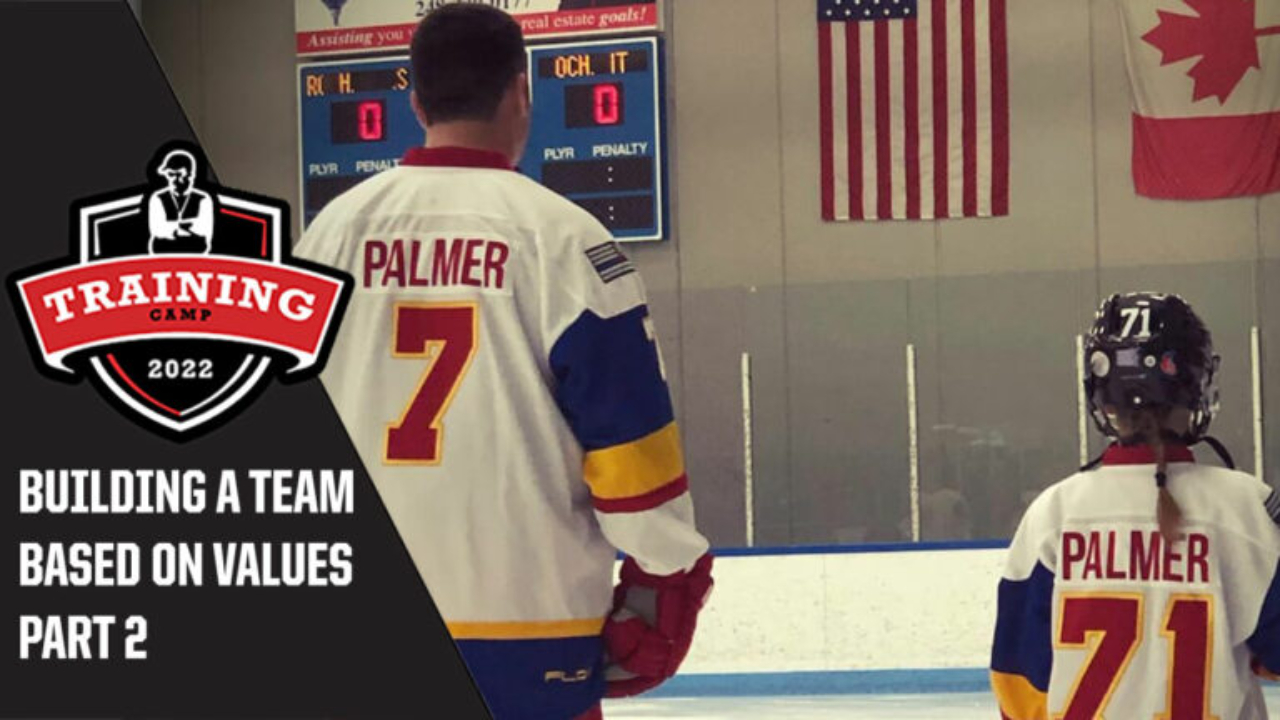
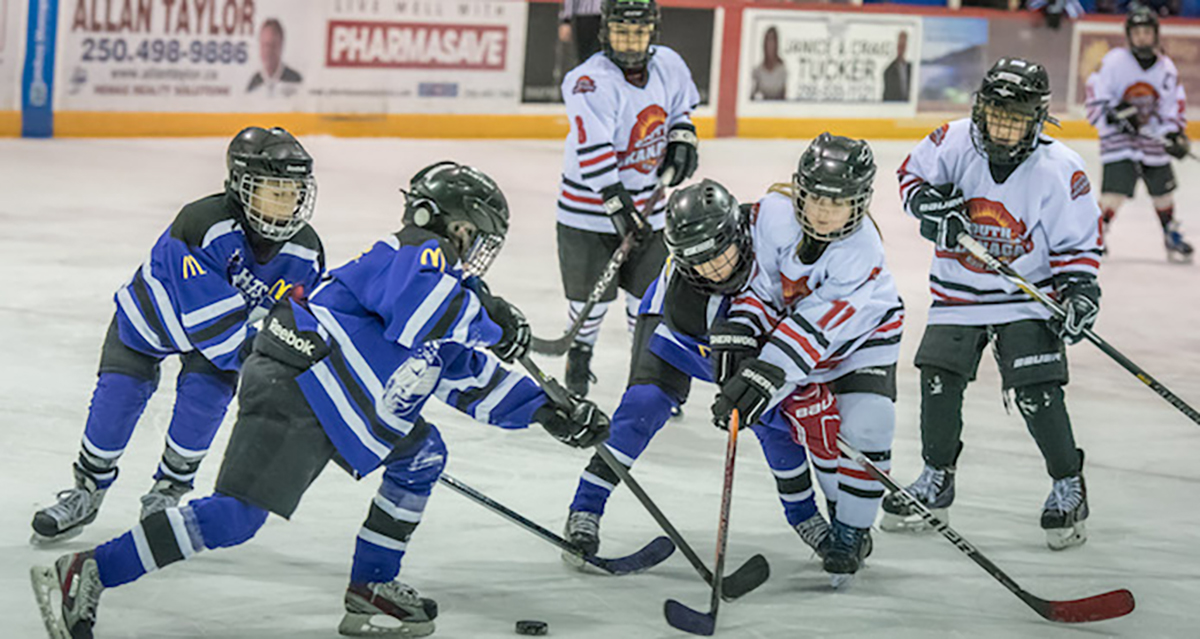
To the coaches who are starting to get to know me, do you know why I chose this image? 😉
This text is inspired by the work of Vella, S. A., Mayland, E., Schweickle, M. J., Sutcliffe, J. T., McEwan, D., & Swann, C. (2024). Psychological safety in sport: A systematic review and concept analysis. International Review of Sport and Exercise Psychology, 17(1), 516-539.