It was a rainy night in Ann Arbor during TCSlive last June, and I was sitting in my hotel room having the internal debate we’ve all had at coaching conferences.
Do I go out, feel awkward, mingle, and meet new people?
Or do I stay in my room, order takeout, and watch TV?
I didn’t travel all this way to sit in my room. So I said, F it, threw on a jacket, and headed toward the pub where the TCSlive social was happening.
On the walk over, in the rain, I literally ran into Mike Stewart
Yes. Mike freaking Stewart.
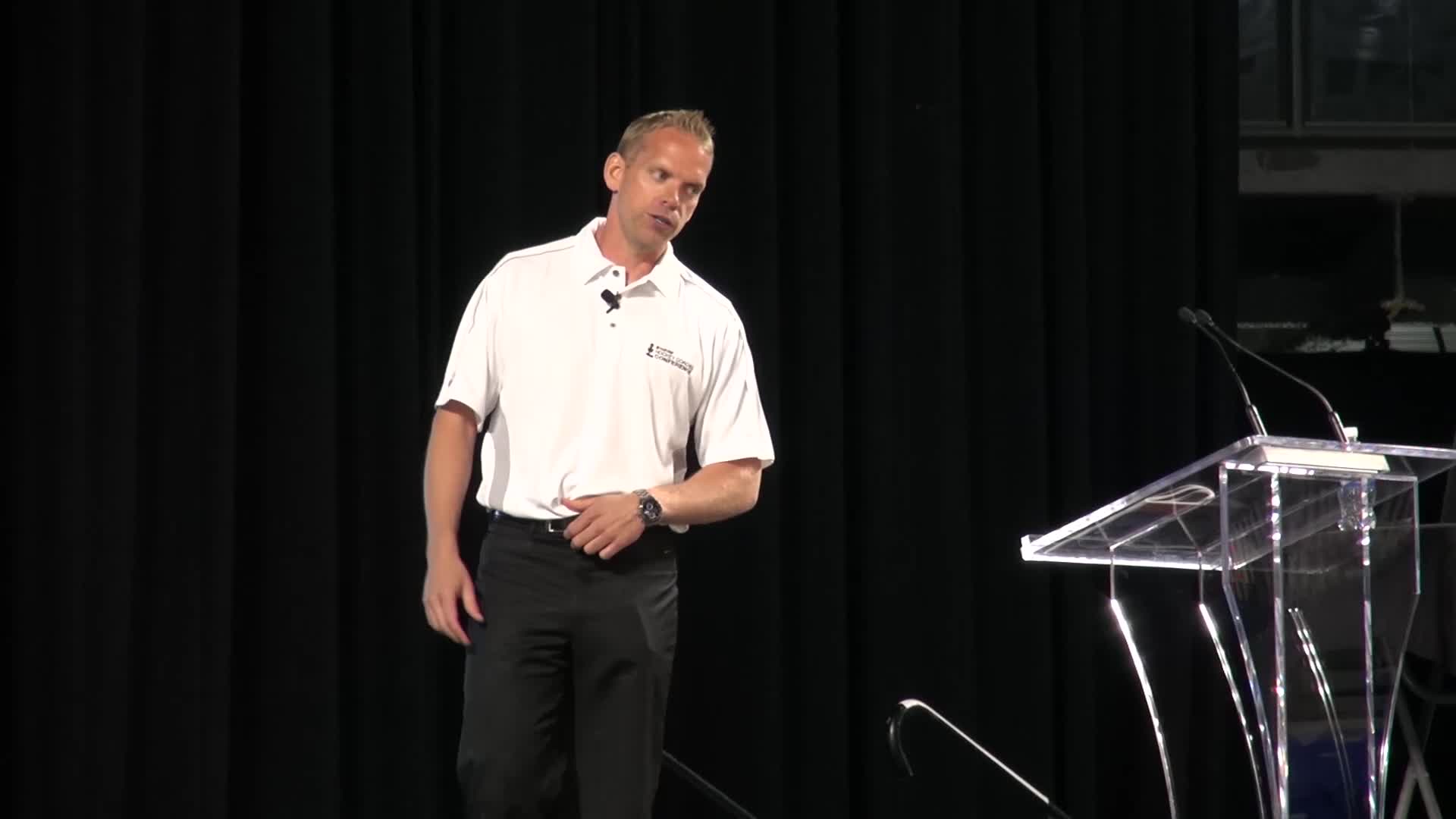
He had just finished his presentation earlier that day, battling technical issues with his computer while trying to explain how to create micro advantages. Right away I could tell he recognized me from the Ryan Blanck presentation, What Do You Stand For, where we had both realized we didn’t have the cards to play his game and locked eyes in silent agreement, "please don’t call us on stage." Anyone who’s been to TCSlive knows Ryan loves calling out spectators. Awkward doesn’t even begin to cover it. To the point when I see him come on stage, I want to get up and head for the bathrooms.
Mike and I ended up walking together to the pub where the evening event was being held for TCS, talking a little about hockey, but mostly about getting to know each other the entire way. Highlight moment for me, no question.
We sat down for supper, and Mike, coming from Germany, immediately started chirping me for drinking light beer. He ordered me a “real beer,” as he put it. That’s when his phone started ringing.
Before I knew it, he was inviting other coaches to join us. One of them? Dan Ceman. You’ve got to be kidding me.
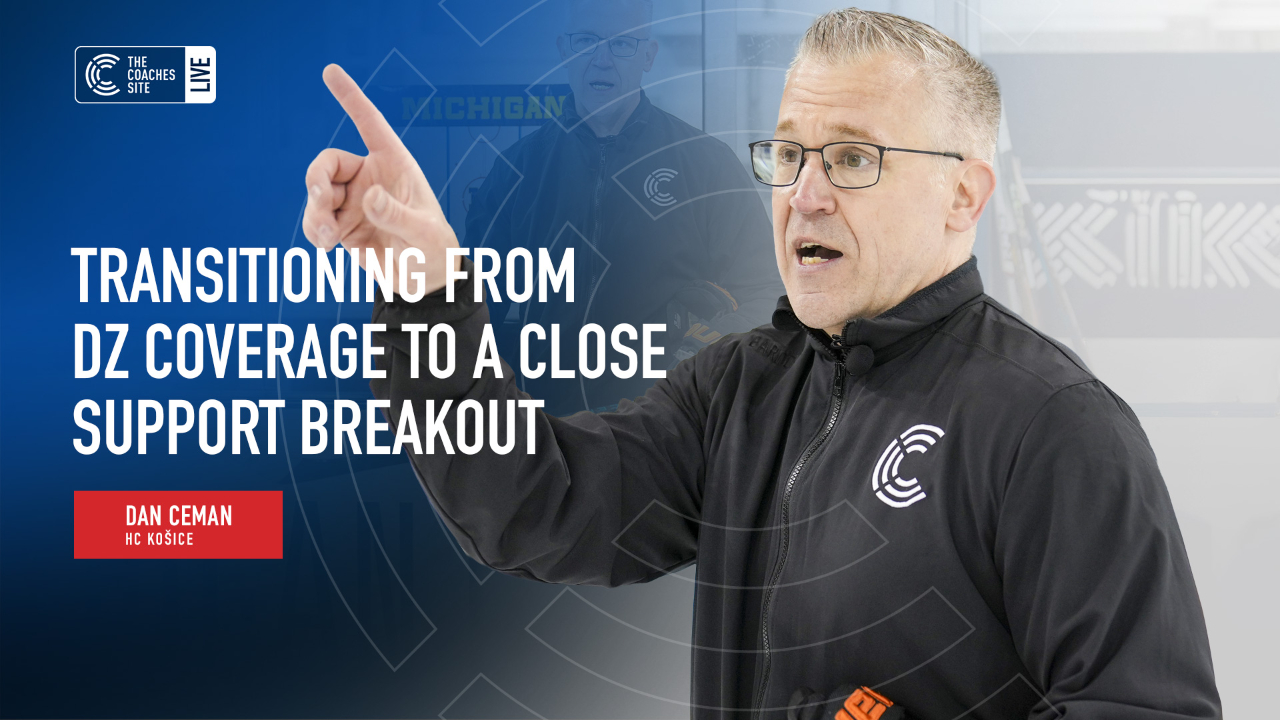
So there I am, a youth coach, sitting at a table with Mike Stewart, Dan Ceman, and another pro coach whose name I embarrassingly can’t remember. The drinks were flowing, minus Dan, who wanted to stay sharp for his on-ice session the next morning, Transitioning From Dzone Coverage To Close Breakout Support, naturally, the conversation turned into what coaches do best: arguing about how the game should be played.
Two debates stood out.
The first was the forecheck. One coach believed in playing fast. Pressure creates mistakes. He preferred a 2-1-2, attacking early and dictating pace. Another coach wanted to play smart. His choice was the 1-2-2, controlling the middle, eliminating options, and managing risk. Neither was better. Each reflected a different philosophy.
The second debate went deeper, defensive-zone coverage on the half wall.
The other team as the puck on the wall. Who goes?
Does the winger step in and finish the hit, knowing it opens a shooting lane to the point? Or does he hold his position near the faceoff dot, trusting the defenseman or center to apply pressure while protecting the middle?
Again, no agreement.
One coach valued immediate pressure. Another prioritized layered support. A third focused on timing and communication rather than strict assignments.
That night reminded me of something important: the problem isn’t that coaches disagree. It’s when players don’t understand why the answer changes.
Confusion isn’t a lack of effort. It’s a lack of shared understanding.
So who’s right?
All of them! Depending on what you value, what you teach, and what your players understand when the moment arrives.
The real question isn’t which system is best.
It’s whether your players know what you believe.