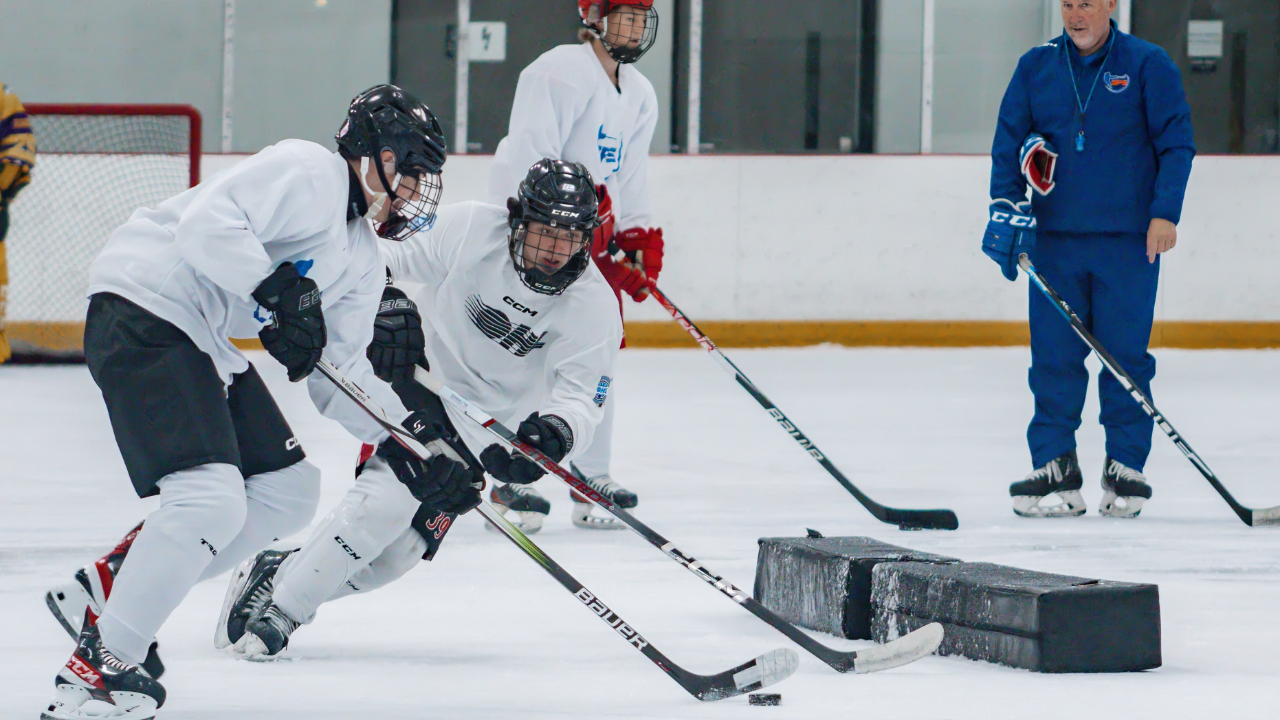
As we all know, practice time is valuable. At the high school and youth levels, you do not always have the luxury of pre practice ice, post practice ice, or any extra ice. What you get is what you get, so how you use it matters.
One simple thing that has made a big difference for us is naming our drills.
We have names for everything. Warm-ups, flow drills, small area games, and competition drills. It might seem small, but it keeps practice moving. The whiteboard greaser is a great tool, and we all use it, but it can also slow things down and disrupt the flow if you are constantly explaining.
I am not saying do not teach or try new things. This is more about cutting down on dead time so your practices stay efficient.
You hear it all the time in rinks.
"Alright, it is the 2 on 1 where this guy swings, the D gaps up, then we go here... etc".
Instead, we will say something like this.
"Forward D Split for six minutes. First three progressions. First whistle into Wakey Wakey. Second whistle into 5 Pass."
Just like that, you have laid out multiple drills, and your players already know what is coming.
Now they are thinking ahead. They are focused. You are not stopping practice to re-explain every detail.
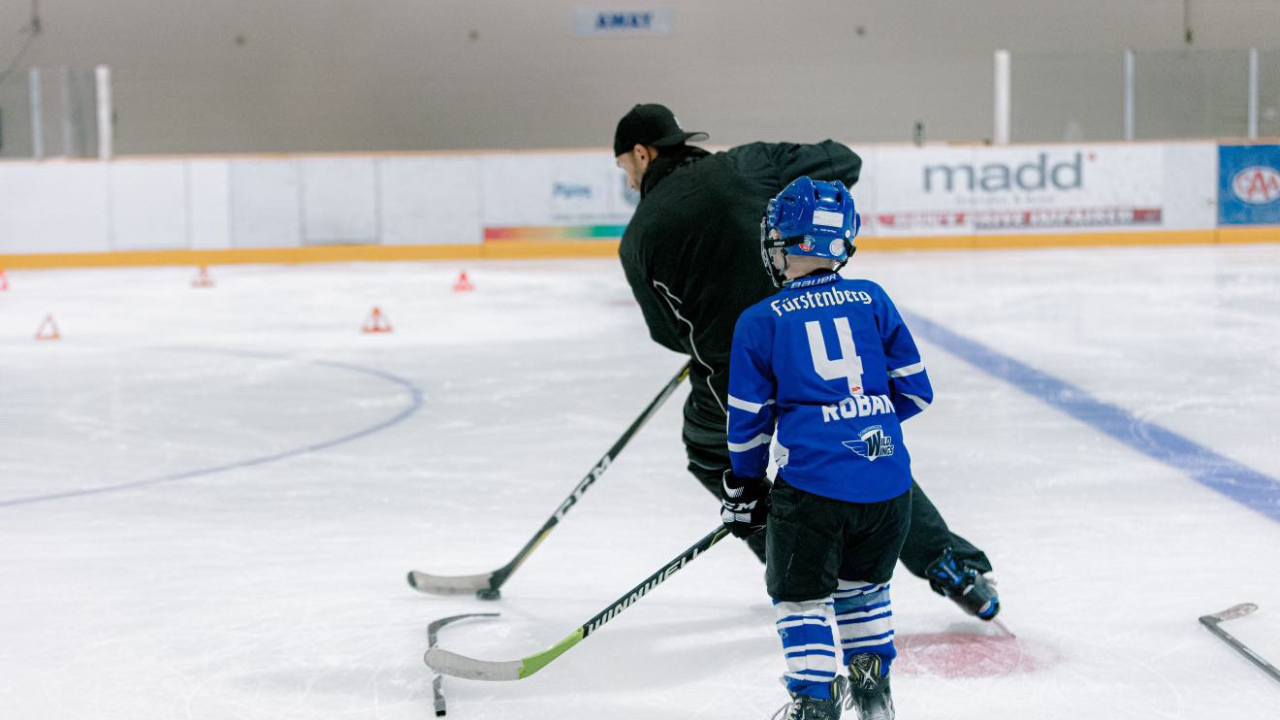
It also gives coaches a chance to be what we call a floater. You can move through the lines, check in with players, ask how school is going, and have quick conversations. Those small moments in line or along the boards often carry more weight than a formal sit-down.
There is also a bigger picture benefit. When drills are named and consistent across your program, younger players start to recognize them as they move up. It builds familiarity and confidence, and, honestly, a sense of pride.
They start to feel like they are part of something bigger. They know the drills the older players run.
That is culture. That is a connection across your association.
It helps your youth coaches, too. Everyone is speaking the same language, and that consistency goes a long way.
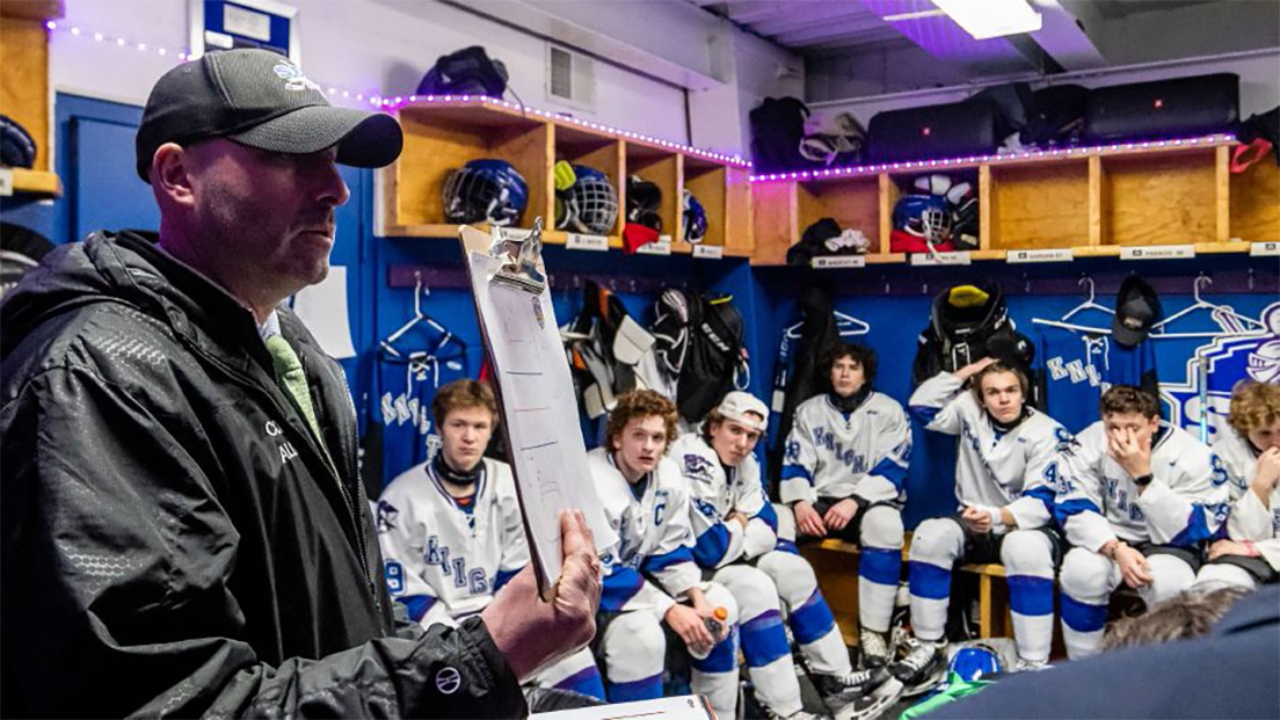
Another big win comes when you do step into the locker room or use the whiteboard. If your players already know the drills, you can spend more time on systems, details, and special teams. We have all planned 12 minutes for power play, and suddenly, 15 are gone. This helps you get that time back.
At the end of the day, this is about more than efficiency.
It is about flow, communication, and building something consistent from the bottom up.
Name your drills. It helps your players, it helps your coaches, and it makes your practices better.