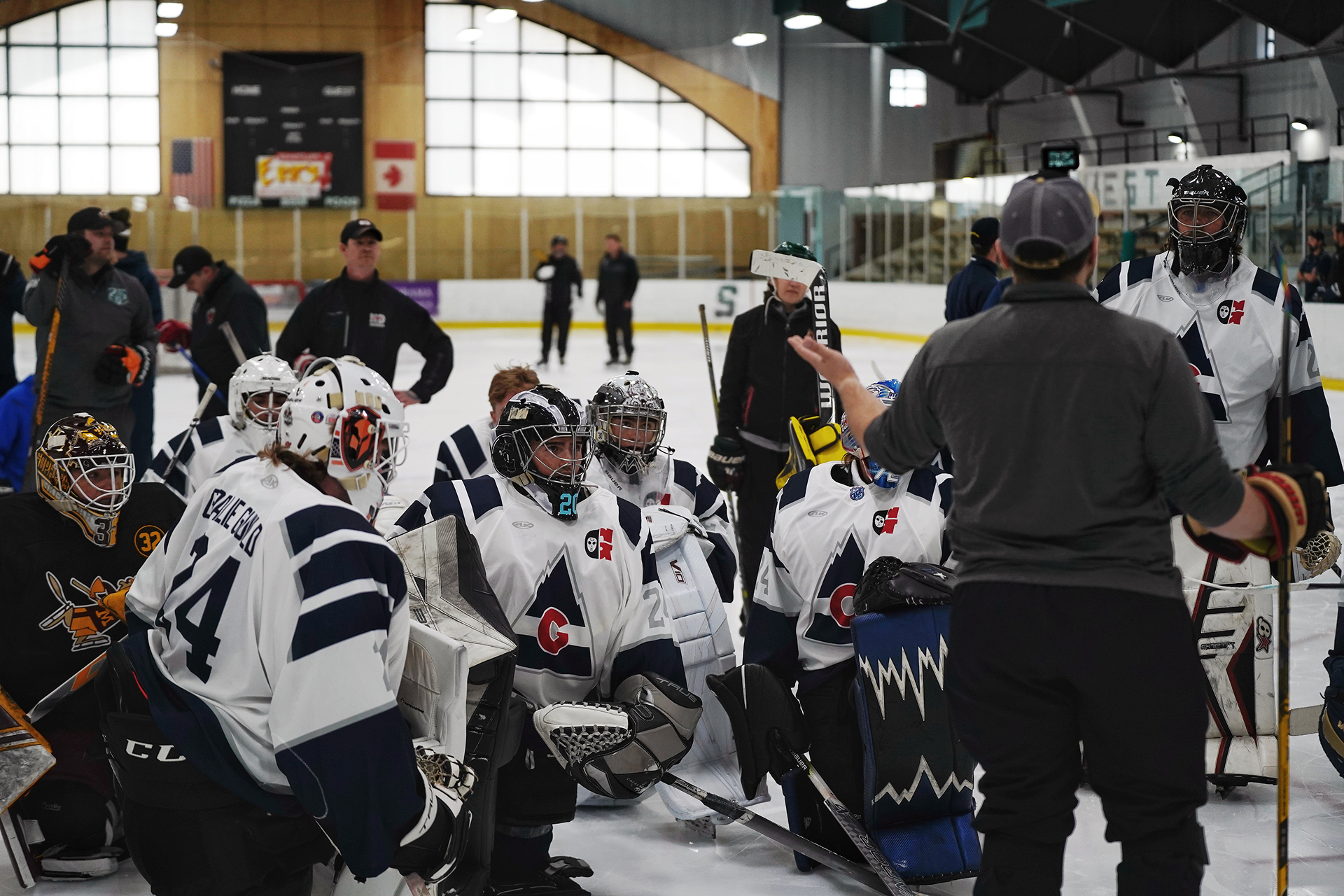
A few years ago, while meeting with a new goalie coach, I observed a powerful coaching technique. We were on the ice for the first time with two goalies who would perform a drill a few times before swapping out. I can’t remember what we were doing, but whatever the exercise was didn’t matter because neither goalie did it right on the first try. It was pretty clear after the first goalie made an attempt that the second goalie was about to experience the same failure, but the coach didn’t correct either one. As we stood there watching, he’d mention to me what was going on and the mistake being made, but each goalie was given a couple attempts to execute the drill.
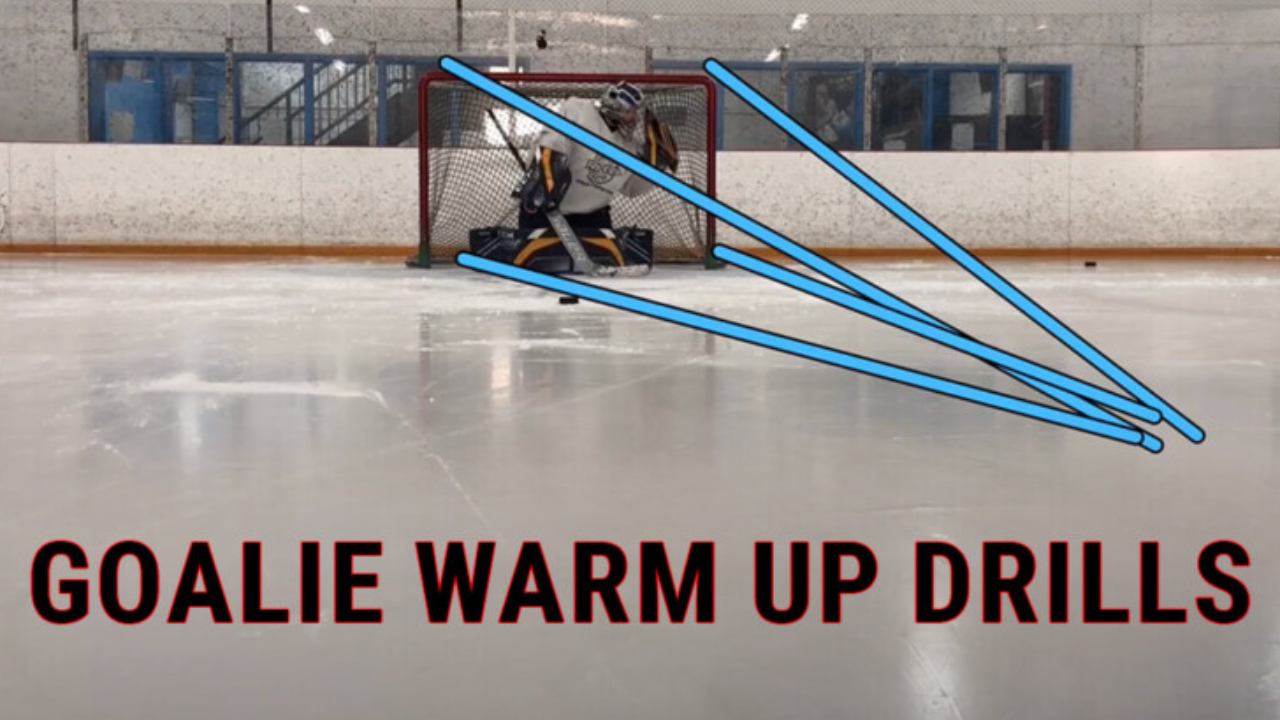
Let’s make up a drill to describe what was happening. Imagine a simple goalie drill. Let’s say we had the goalies moving side to side before facing a high shot short side. In this scenario, both goalies slid on their knees and their hands dropped, opening up space up top. After two or three attempts, the goalies figured it out and started leading with their hands. It was at this point that the goalie coach stopped the drill and congratulated the players for figuring it out before describing ways in which they could improve their technique even further.
Now, as the head coach, it also dawned on me that I was allowing the coach to work out the best way to improve the technique as well. I could have offered (very wrong) feedback, but it’s a lot more powerful when people learn through trial and error instead of immediately being told what they’re doing wrong.
The lesson is this: don't over-coach. Let them try to solve their problems first.
In Tim Turk’s on-ice presentation at last year’s TCS Live Conference in Ann Arbor, he made a point to the coaches in attendance that it was important for a drill to unfold naturally at the start without instant feedback. This makes our lives as coaches a bit easier as well. You don’t need the answers right away. Let the players sort it out themselves before stepping in to make corrections or, better yet, catch them doing something right.
One of the most powerful presentations I’ve seen at The Coaches Site is John O’Sullivan’s Transformational Coaching. It was so popular that we built a course around it. For O’Sullivan, the first step toward being an effective coach is connection. He calls it the foundation of trust. If we instantly start correcting a player, they might start building a mental wall. Young athletes want to succeed, so if we give them some freedom to try, make mistakes, and learn, it will be much more powerful once they’ve gained comfort and a bit of confidence.
The second pillar of Transformational Coaching is communication. This is where we can start offering feedback, corrections, and improvements once the foundation of connection is established.
For me, my goalie coach’s method of guidance, then observation, and finally feedback, is an immensely powerful tool for building infinitely coachable players, which is O’Sullivan’s third pillar: character.
Transformational Coaching is a staple of my approach, and I encourage you to check it out!