
As coaches, we spend hours perfecting systems, drilling power plays, and conditioning our athletes for the third period. But what if I told you there’s an "extra player" on the ice—one working specifically for the other team—and your players are bringing it right into the locker room?
Research shows that the smartphones in your players' hands are actively sabotaging their Hockey IQ, vision, and physical power. Here is why digital habits off the ice are translating to losses on the ice.
This is my best attempt to summarize all the training (including amazing TCS live presenations and workshops), research, and conversations that I have been exposed to create some actionable insights that we can share with our players as coaches and mentors. Super hard task, but we at least have to try. Please let me know what you think.
I am also including some slides I created that include all the sources for these findings and recomendations plus a handout/poster that coaches can give their players or put in the locker room.
1. The Invisible "Brain Drain"
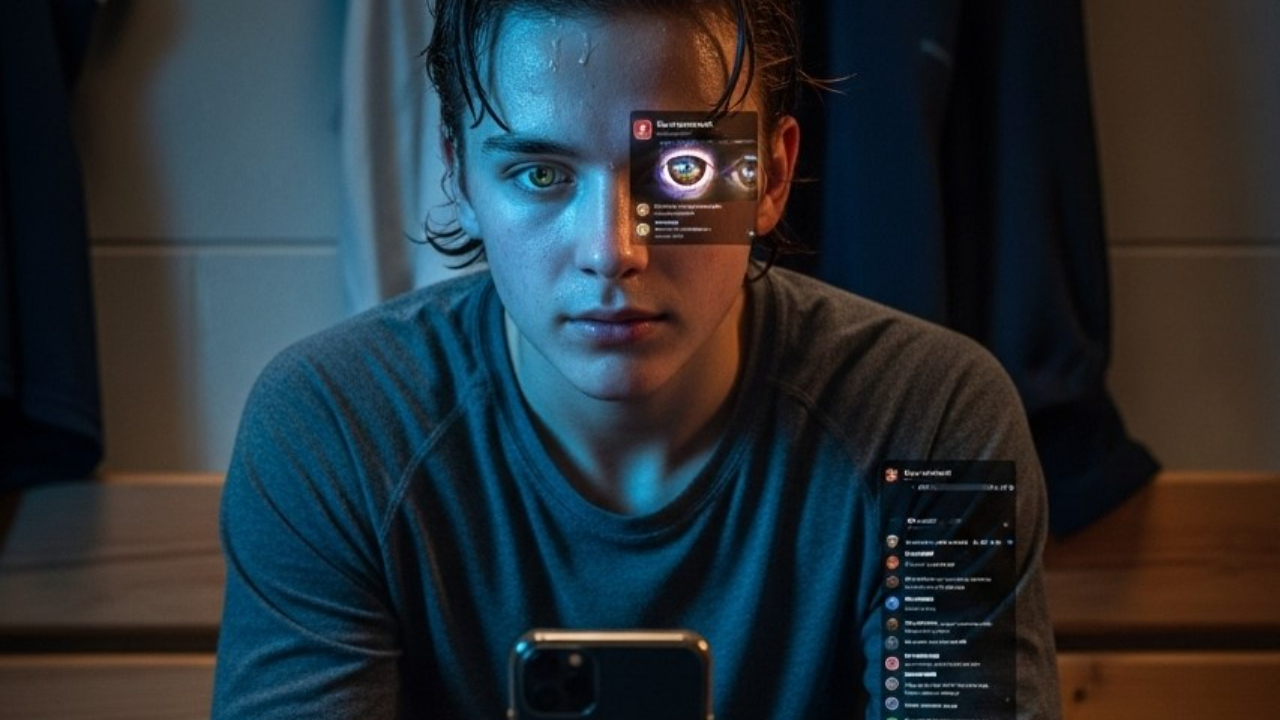
Science confirms that just 30 to 40 minutes of social media scrolling before a game induces significant mental fatigue. This isn't just a distraction; it’s a "Brain Drain" that treats every notification and scroll as a tiny decision, depleting the mental fuel tank before the puck even drops.
The Impact: Players experience slower passing decisions, miss open teammates, and struggle to read developing plays
The Fatigue Factor: Athletes who use phones before training feel the workout is harder than it actually is, leading to premature burnout in the 3rd period.
2. "Tunnel Vision" vs. Rink Awareness
Elite players see all 200 feet of the ice, but staring at a 5-inch screen for hours literally trains the eyes to focus on a narrow field. This is known as Visual Field Constriction.
The Risk: This "Phone Vision" kills peripheral awareness. A player with constricted vision won't see a blind-side hit coming or notice a winger wide open on the far post.
The Fix: Implement the 20-20-20 Reset. Every 20 minutes on a phone, players should look 20 feet away for 20 seconds and blink 20 times to "unlock" their vision.
3. The "Phone Slump" and Skating Mechanics
Posturing matters. The "Tech Neck" (head down, shoulders rounded) isn't just a bad habit—it’s a performance killer.
Restricted Power: This posture tightens the chest and weakens the core and back muscles.
Injury Risk: A rounded back makes a skating stride less explosive and puts players at a higher risk for shoulder and hip injuries.
The Power Position: Coaches should emphasize an "Athletic Posture" with an open chest, strong core, and powerful breathing.
4. Sabotaging Recovery
Sleep is a legal performance enhancer, but blue light from screens blocks melatonin, the hormone responsible for deep sleep.
Empty Fuel Tanks: Without deep sleep, the body cannot effectively refill muscle glycogen. This results in "heavy-legged" players who fade when the game is on the line.
The Digital Sunset: Pro players prioritize 8–10 hours of sleep. Encourage a "Digital Sunset" where all screens are turned off 60 minutes before bed.
The Coach’s Challenge: The "Glove Box Rule"
To reclaim your team’s competitive advantage, I challenge you to implement the "No Phones in the Locker Room" rule for one week.
| Bad Habit | The Upgrade | Your Reward |
| Pre-game Scrolling | Pre-game Visualization | Faster Decision Making |
| Phone Slump | Eye-Level Use | More Power in Your Stride |
| Late Night TikTok | 9 Hours of Sleep | 3rd Period Energy |
| Staring at Screen | 20-20-20 Rule | Better Peripheral Vision |
By making small sacrifices off the ice, your players will see massive gains on it. Let's get their heads out of their phones and back into the game.