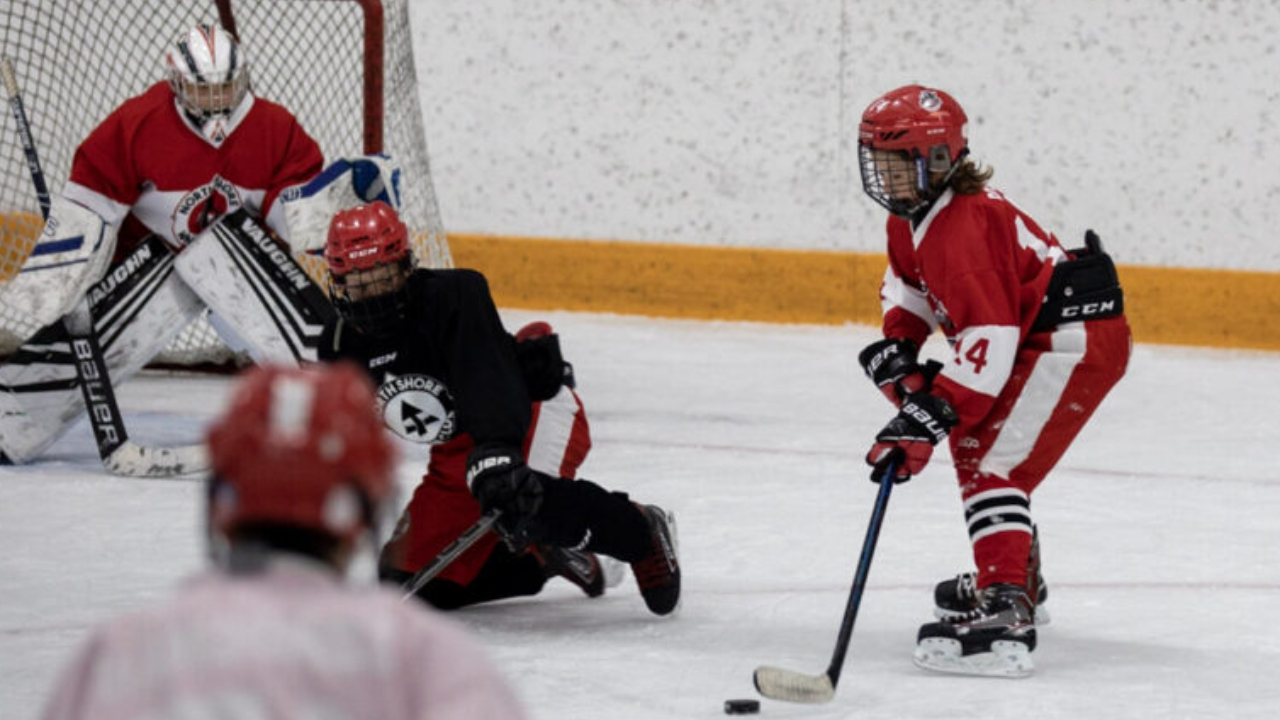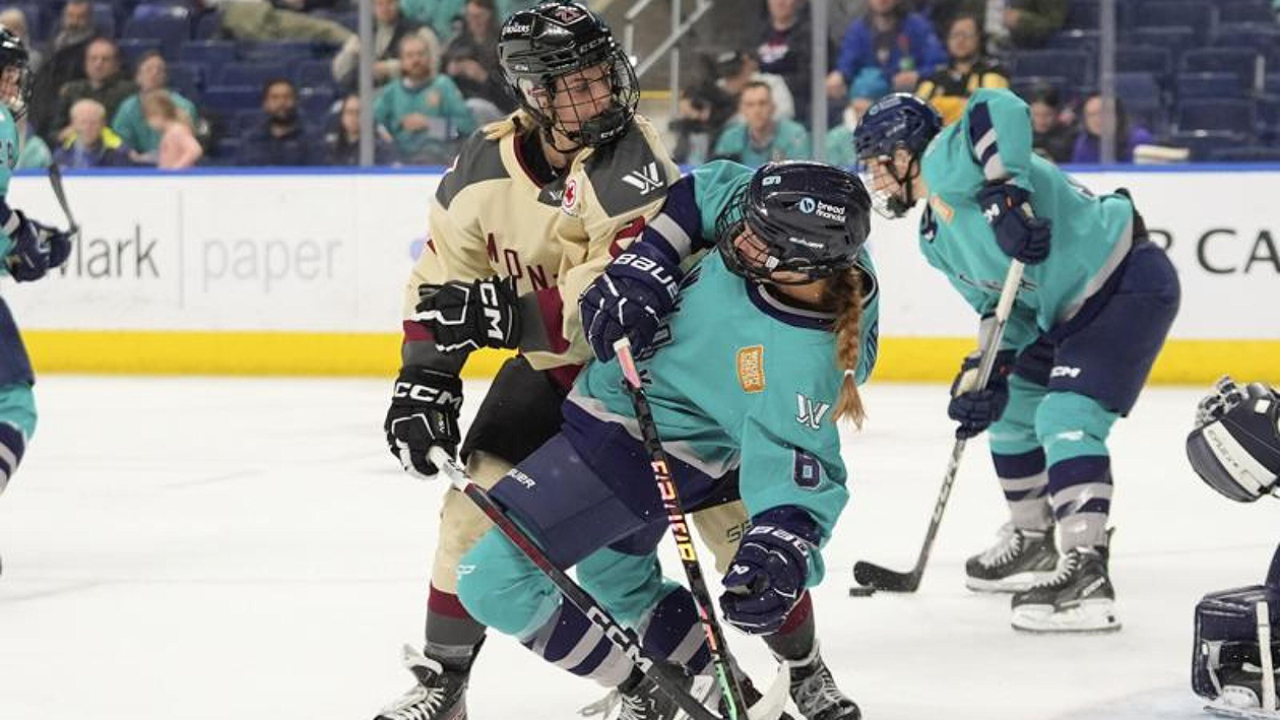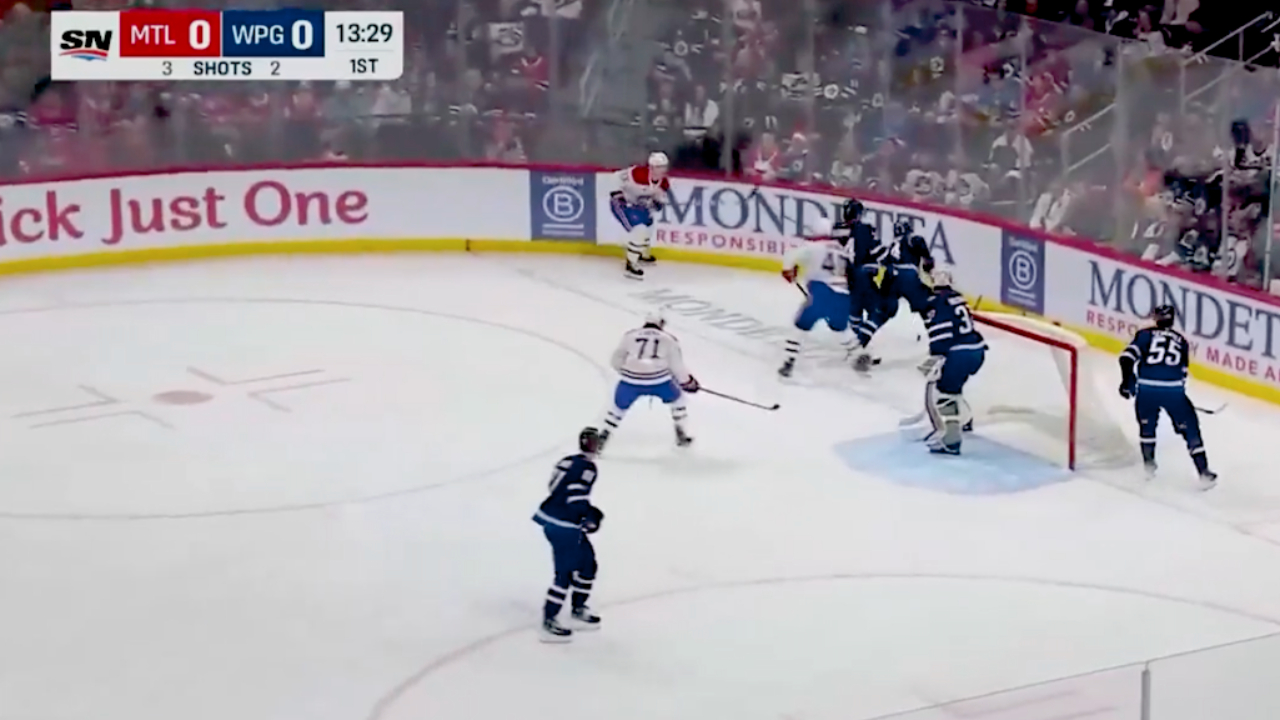
One habit that shows up constantly in youth hockey is the winger who hunts the big hit in the defensive zone. It feels aggressive and competitive, but in most cases, it solves the wrong problem and creates a bigger one.
Two things typically happen:
- The winger removes themself from structure.
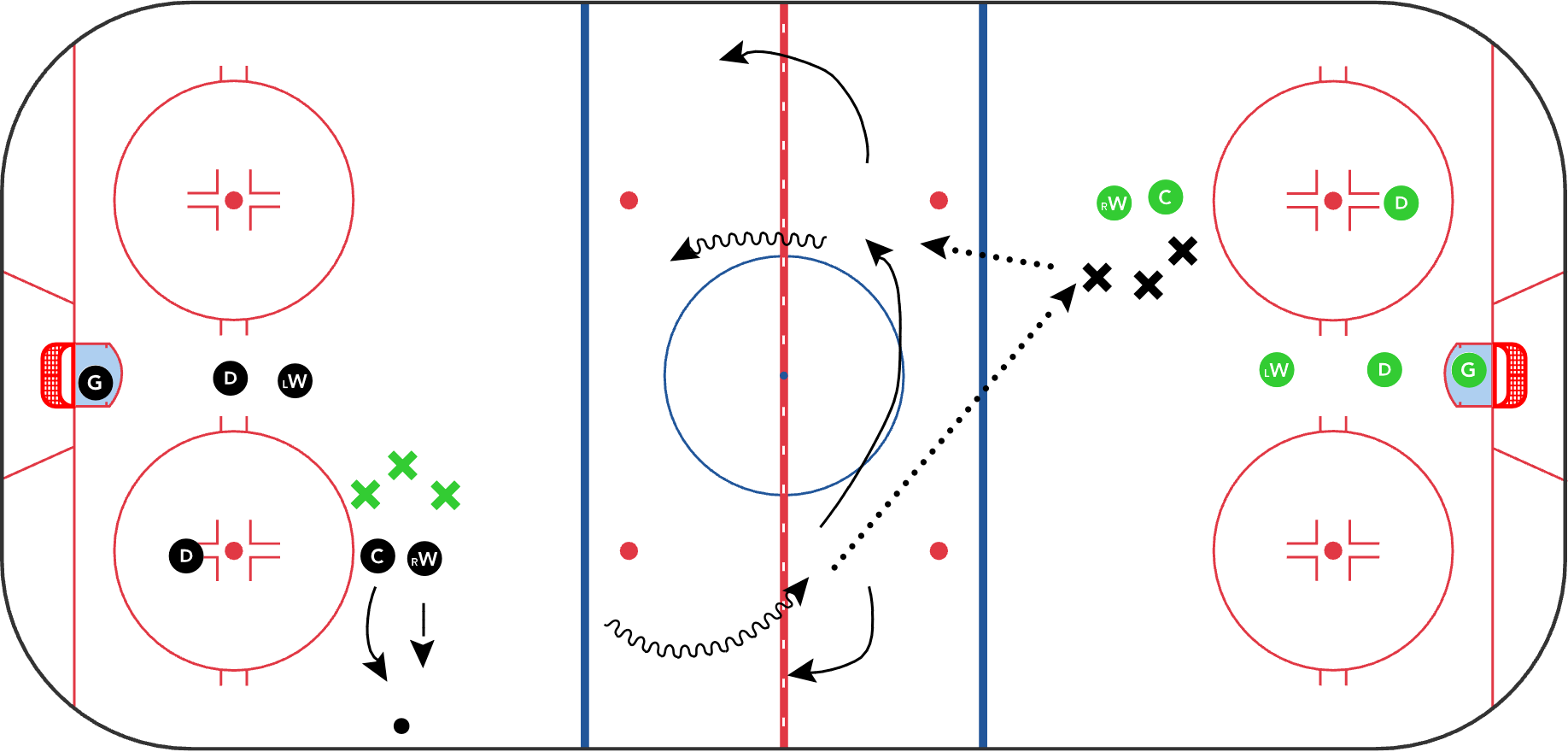
They leave the wall, make contact, and both players drift behind the play. For a second or two, it becomes a 5-on-4. The other team suddenly owns time, space, and options — all because we tried to “finish the check.” - The lane to the middle opens up.
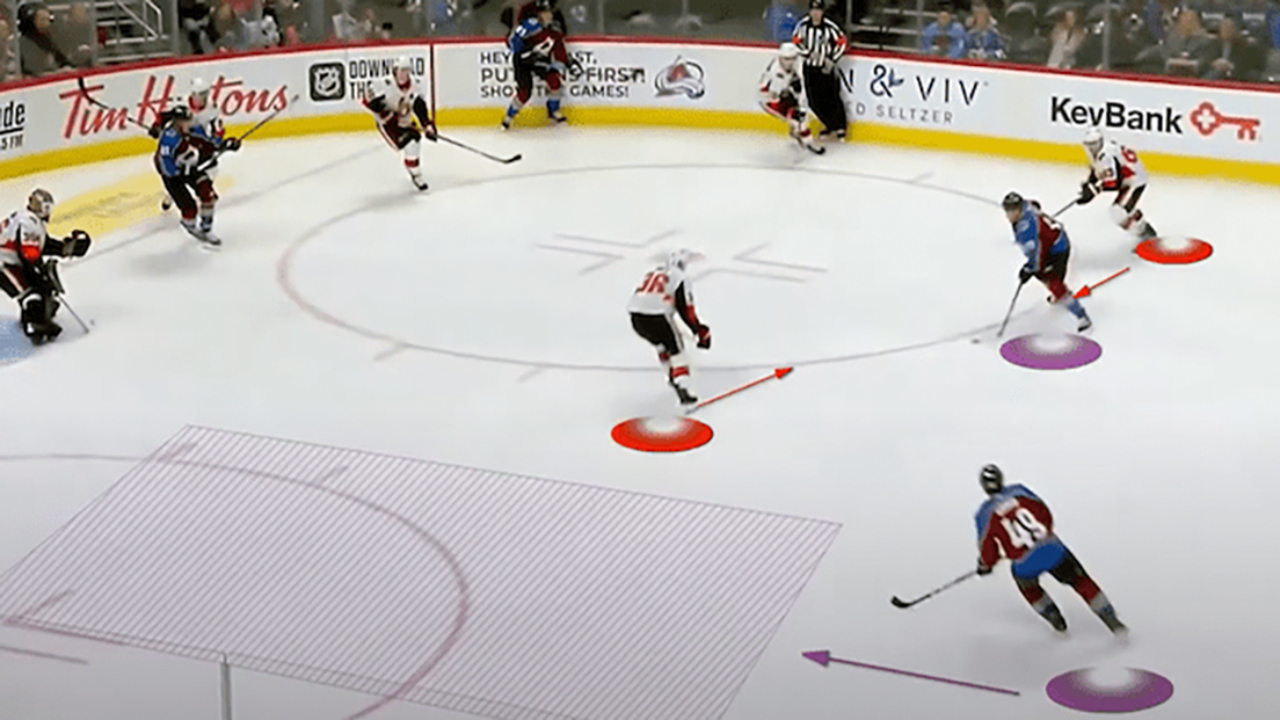
Better puck-moving defensemen don’t get hit clean. They shoulder-check, cut back, or roll under the pressure. Now they’re attacking downhill into the slot. A low-danger possession just turned into a shot or a passing threat because we chased contact instead of denying space.
At higher levels, wingers defend with a different priority order:
- Stick: to remove the clean first touch.
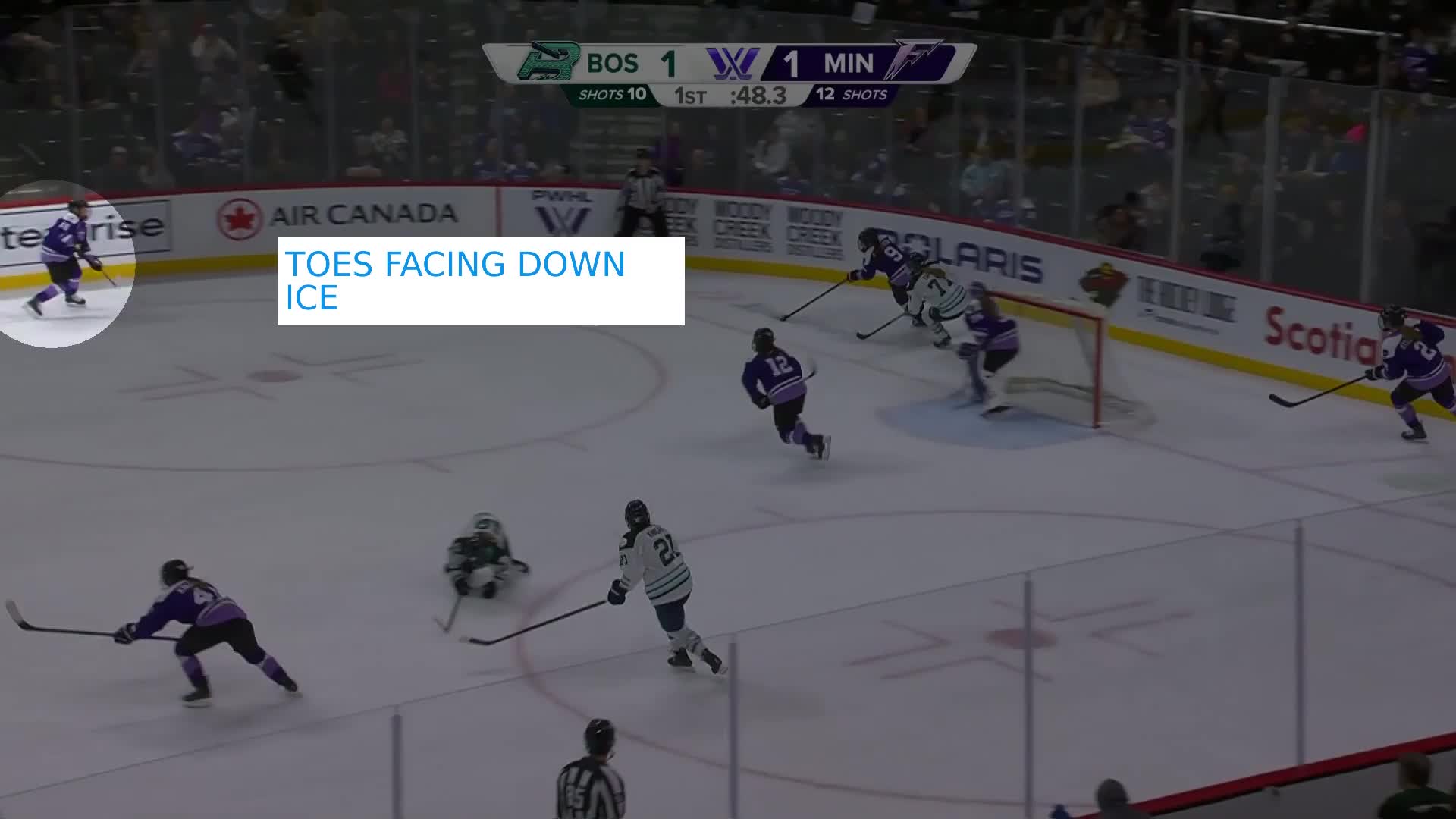
- Feet: to match the escape lane.
- Body: only if it keeps the play predictable.
The point isn’t to eliminate contact, it’s to earn it.
Modern hockey is won by stealing time and space. Hits don’t always do that. Space denial and lane control almost always do.
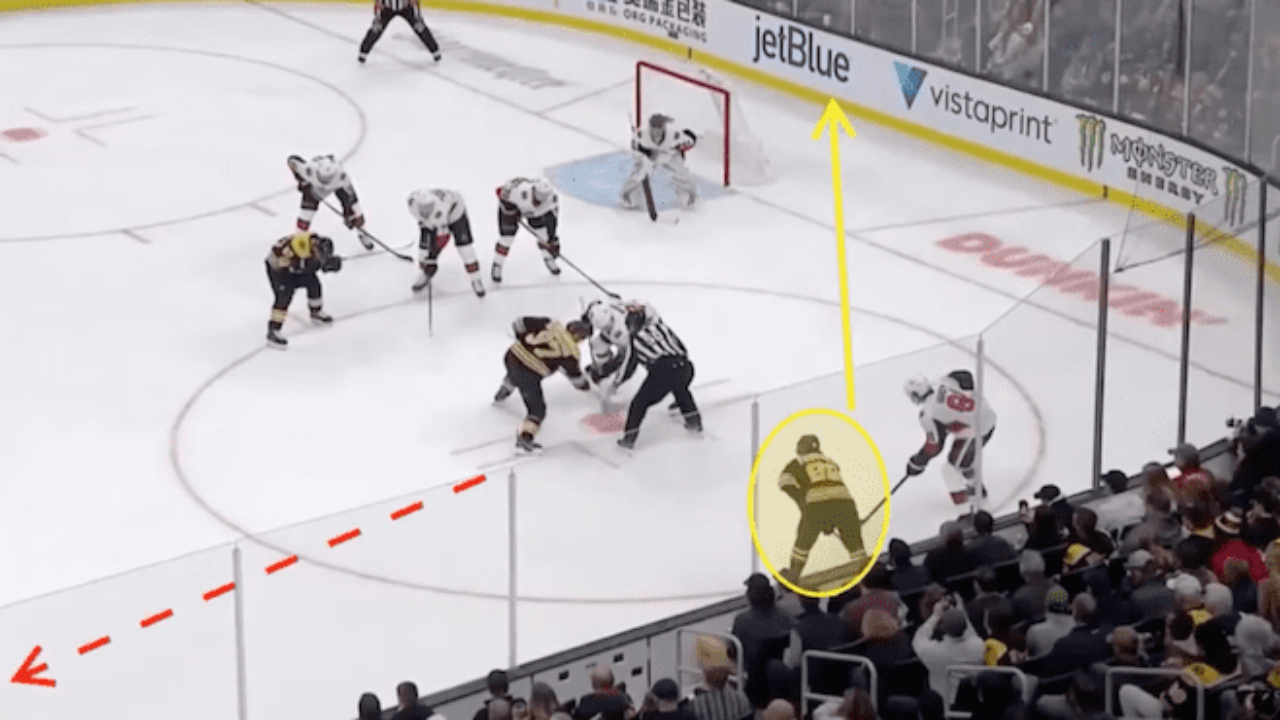
This is also where video changes behaviour. Pro clips show wingers who finish only when it reinforces structure and guide exits toward low-percentage ice when it doesn’t. Tools like HUDL Instat make it easy to build that connection for players: “Here’s the situation, here’s the read, here’s the outcome.”
If we want smarter wingers, we need to reward reads more than collisions. Youth players don’t need more hits, they need more decisions. That’s where hockey IQ actually develops.