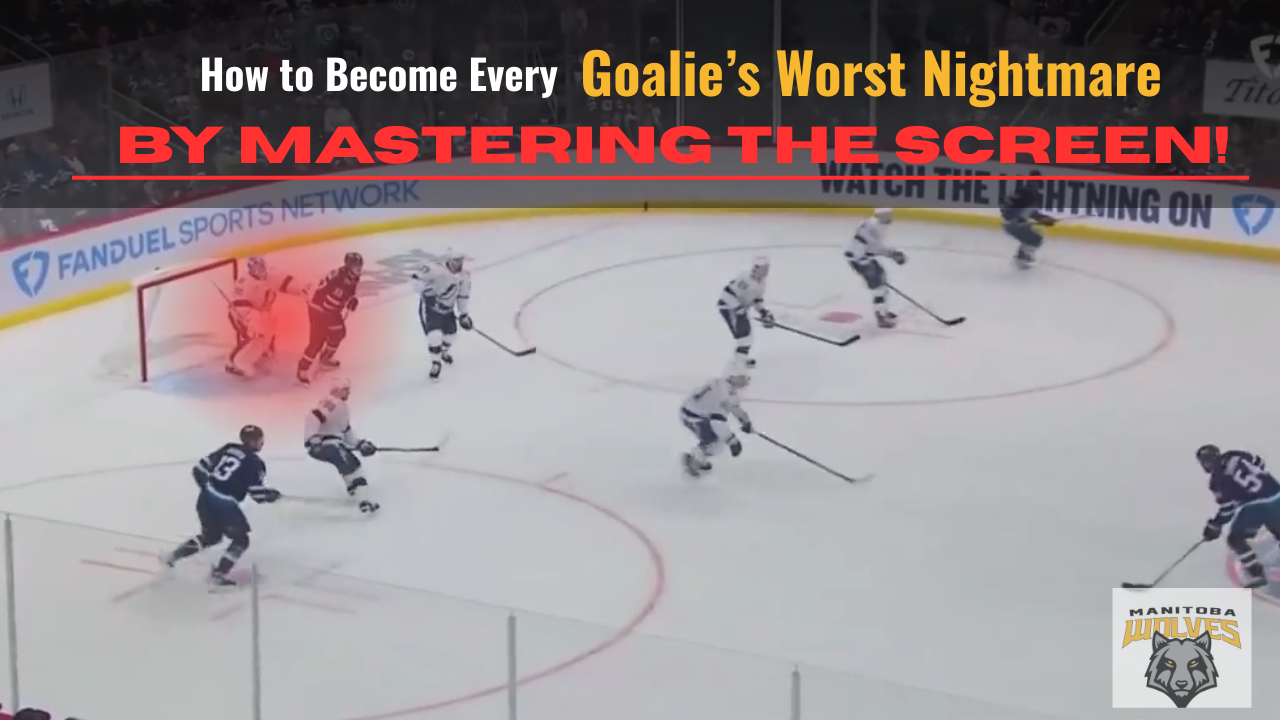
his clip highlights the complexity of goalie interference and the importance of understanding both puck control and body positioning in high-traffic areas.
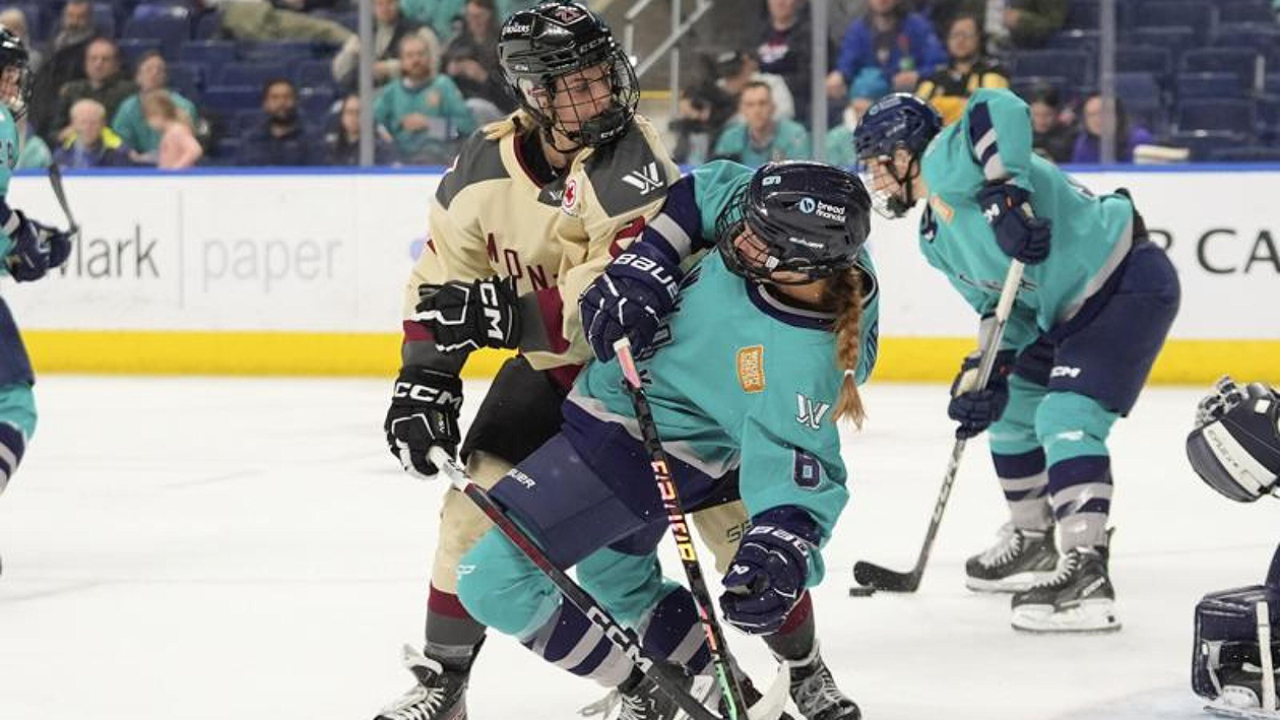
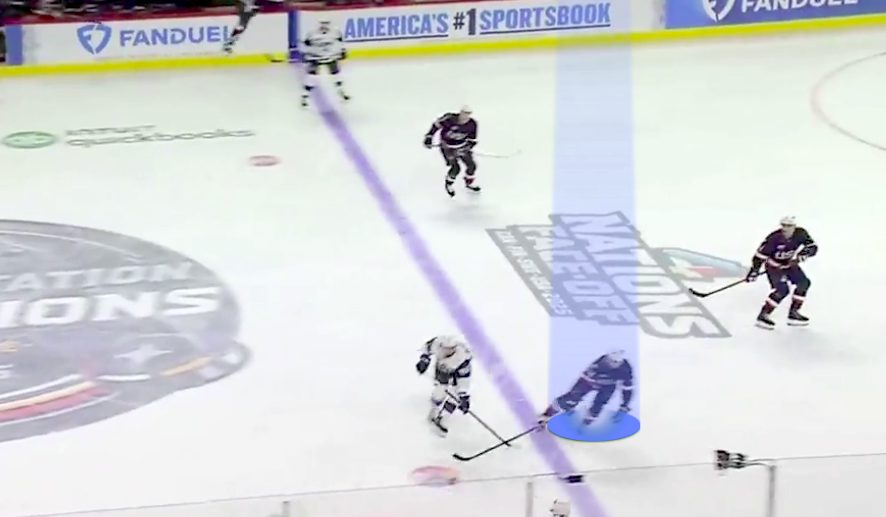
From the offensive perspective, the Montreal forward executes a skilled move to attack the net. However, immediately after the move, he loses full possession of the puck. This forces him to break his posture, compromising his balance and body control as he drives the crease. By the time he regains control, he is no longer in a stable skating posture, which contributes to the contact with the goaltender.
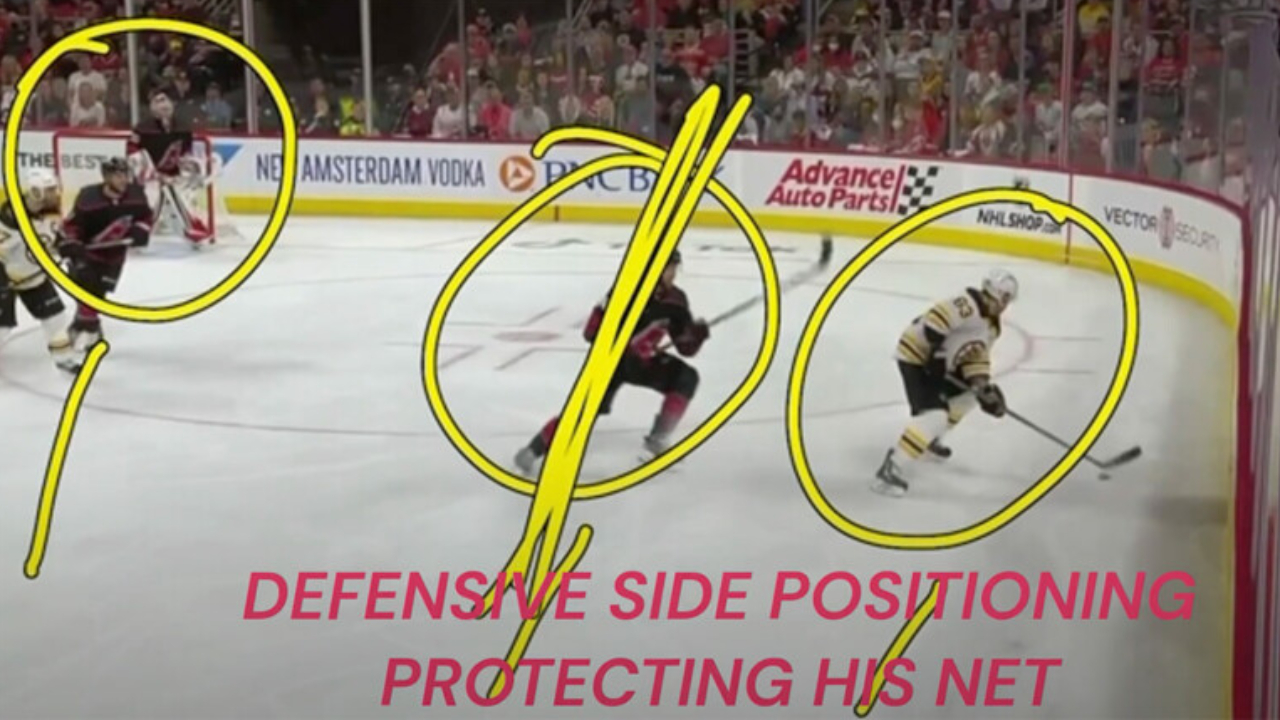
From the defensive side, the Tampa player establishes inside stick positioning and engages the forward’s hands. This stick contact disrupts puck control and plays a direct role in forcing the attacker off balance. As a result, the ensuing contact with the goaltender can be interpreted as caused rather than initiated.
For coaches, this sequence reinforces two key teaching points: first, the importance of maintaining puck control through net drives, and second, the impact of defensive stick positioning in influencing outcomes around the crease. Ultimately, this play serves as a strong example of how small details can determine whether a situation is ruled incidental contact or goalie interference.