August 30th, 2025 was the day I was retiring from coaching. Ten years in youth hockey, head coaching stints at the high school varsity and 18U AAA levels — and the call into junior hockey had never come. I had stopped waiting on it. I was done.
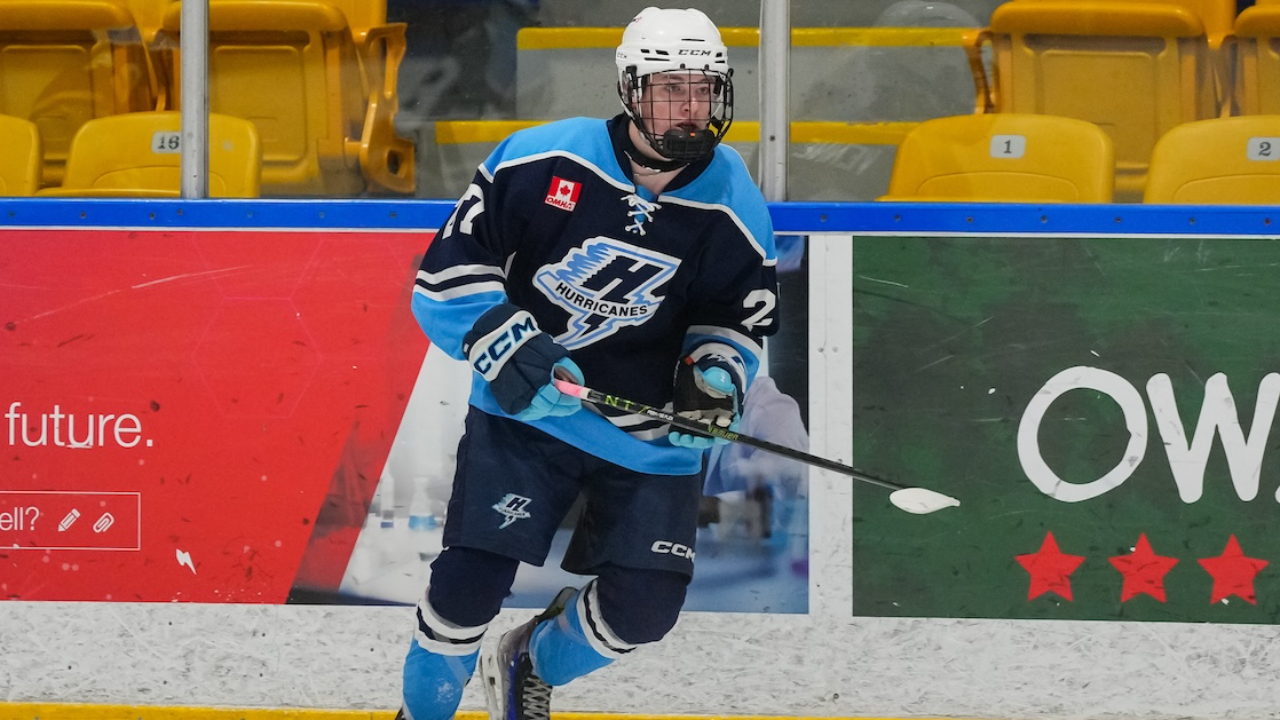
Then on August 5th, Hershey called. A former opposing coach who I met through a friend of mine had put my name in. Ten days of conversations followed, and on August 15th I was hired as an associate coach for their USPHL Premier team.
That lasted about five minutes. The organization had hired two coaches to run their Elite team, and neither of them reported. The team had no one. So instead of being an assistant on Premier, I became the head coach of a team I was never actually hired for — twenty-five days after I'd planned to walk away from this sport for good.
The Elite team had put up 17 points the season before, with almost the same roster I was inheriting. No discipline, no real direction, and a group that had quietly accepted, somewhere along the way, that losing was just what this team did. It was my first year ever coaching at the junior level. My first year as a junior head coach, period.
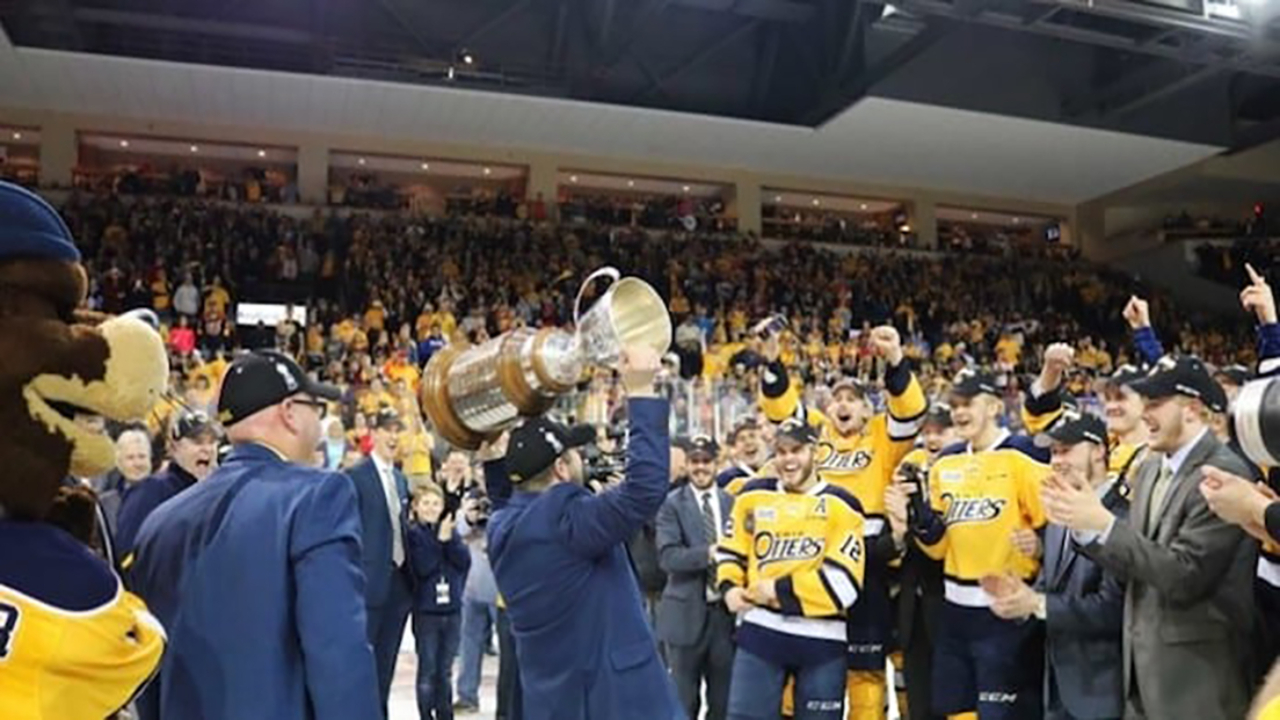
We finished with 51 points, went 22-14, played for a division title — the furthest the club had ever advanced in its history — and came within 20 minutes of a national berth.
Here's what happened in between.
What I Inherited
I didn't walk in with a plan designed for this specific group. There wasn't time for that. What I had was a roster, a 17-point season in the rearview mirror, and the knowledge that I'd nearly retired three weeks earlier. The talent wasn't the core problem — belief was. A season like that leaves a mark on a locker room. Before I touched a single system, my first job was convincing these guys that last year didn't have to define this one.
What I Changed First
Culture came before anything tactical, and the most important early move was making consequences real. Not threatened — real. The clearest example was timeliness. Practice was 10:00 AM. At 10:01, the entire team ran a 30-minute military-style workout for those who were late. No exceptions — with one caveat. If a player called or texted me ahead of time with genuine notice, not five minutes before, that counted as accountability and the team got the pass. By midseason, guys were calling each other in the final minutes before practice asking whether anyone had contacted me yet. It became a running joke — but it worked. They were policing each other before I ever had to step in.
I was direct with them from the start: I drive 90 minutes each way to get to this rink every day. I didn't sign up to lose. That wasn't a motivational speech — it was just the truth, and I think they responded to it because they could tell the difference.
Most correction happened one-on-one or in small groups, not in front of the whole team. I've been around coaches who think coaching hard means getting personal — questioning a player's intelligence, making comments about his body. That's not hard coaching, it's just cruel, and it doesn't make anyone better. I kept feedback proportional and private unless the situation genuinely called for something more.
On the ice, defending the rush and our breakout structure were the non-negotiables everything else got built around. And in every decision I made, I gave them the why. I never wanted a player standing in the locker room wondering what I was thinking. I made the call, and I explained it. Every time.
What Surprised Me
The talent gap within the roster was wider than I anticipated. The spread between our best players and our weakest spots was more significant than anything than what I thought junior hockey was, and it required constant lineup decisions I hadn't needed to make before.
What surprised me more was how genuinely hungry these players were to learn. They didn't just want to be told what to do — they wanted to understand it, debate it, engage with it. Once I started running practice more like a conversation than a lecture, the growth started showing up on the ice.
Roster instability was a constant challenge I underestimated going in. Early in the season we'd sometimes have eight or ten skaters at practice. I'd walk into showcase weekends without being entirely sure who was on my roster, because new players kept coming into the organization and landing on my bench. You learn to adapt quickly or the season gets away from you.
And honestly — twenty-five days removed from walking away from this sport — I didn't expect to rediscover how much I love it. That part caught me off guard.
What I'd Tell a First-Year Junior Head Coach
Make it our team from day one. Not your team, not their team. It sounds small but players notice the language immediately, and it changes how they take ownership of what happens on the ice.
Get to know who they are outside the rink. Check in regularly. When something significant happens in a player's life, make sure he feels seen. At the same time, know where the line is — a coach who gets too personal too often loses the authority to make the hard call when it matters. Pick your spots.
These players are hungry to be coached, so meet that with genuine investment in teaching. If something isn't working, resist the urge to scrap it immediately — tweak it first and give it a real chance to develop.
Learn to absorb everything the season throws at you — call-ups, injuries, roster moves, lineups that change week to week. None of it waits for you to feel ready. And when a hard conversation needs to happen, have it directly and with honest facts. Players respect that, even when it's difficult to hear.
The Moment That Made It All Worth It
That division title series — three games, genuinely competitive, making adjustments on the bench in real time and watching the preparation show up when it mattered most — they were special moments. The energy in that building, the back-and-forth of a series that actually meant something, the fact that our club had never been there before. Those moments don't come around often.
Twenty-five days before I planned on being done with coaching for good, Hershey called. Seventeen points to fifty-one later, I'm reminded of exactly why I started doing this in the first place. I've got the best job in the world.