
Pinching isn't simply an instruction for a defenseman to move down the wall. The decision should come from recognizing the information developing in front of them. In this sequence, Vegas' defenseman gets multiple cues that give him permission to activate.
The Decision; Pinch or Retreat?
As the puck moves toward the wall, the Vegas defenseman has a choice: hold the blue line and retreat if Dallas gains possession, or attack down the wall and extend the offensive-zone possession.
The decision shouldn't be made yet. First, he needs information.
Trigger #1; No Clean Possession
Dallas hasn't secured the puck. The battle remains contested, meaning there isn't an immediate threat of a controlled breakout.
That becomes the first trigger that allows the defenseman to stay aggressive.
Trigger #2; Breakout Before Possession
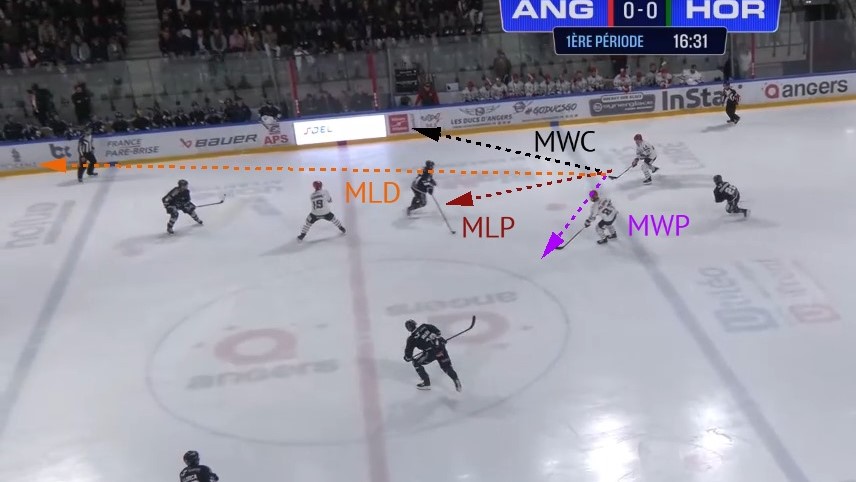
The Dallas winger has already released high in the zone, appearing ready to transition to offense before possession has been established.
By releasing early, he creates separation from the puck battle and leaves space for the Vegas defenseman to attack.
Trigger #3; Toe Caps Down Ice
The Dallas winger's toe caps are pointed down ice, putting him in a position to receive the puck and transition quickly into the breakout, all while protecting the puck.
The problem is that Dallas hasn't secured possession yet.
With his body already positioned for the breakout, his back is turned to the Vegas defenseman coming down the wall. That gives the defenseman an opportunity to recognize the cue, close quickly and attack the loose puck before the winger can react.
The positioning itself isn't the mistake, it's the timing of it.
The Support ; What's Behind the Pinch?
A pinch isn't only about what happens in front of the defenseman. He also needs to recognize the support behind his decision.
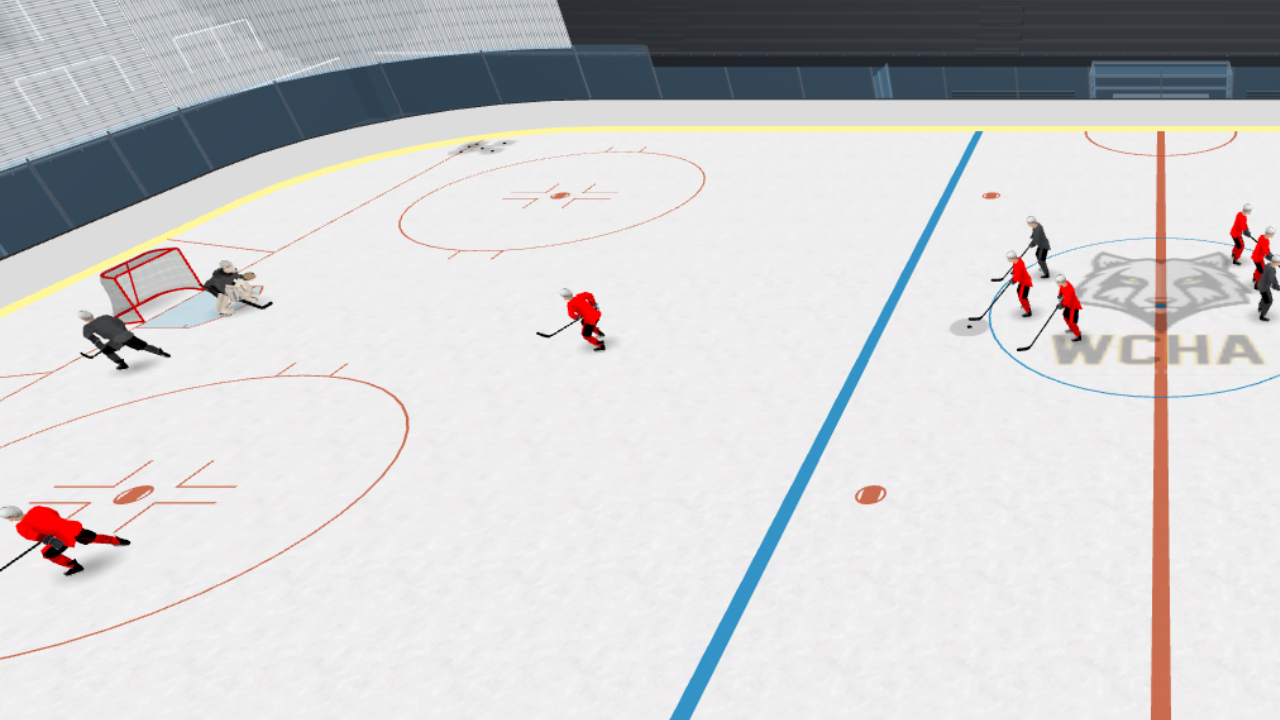
Vegas maintains numbers below the puck, providing layers of support if the pinch doesn't immediately result in possession.
The Result; Possession Extended
The pinch works, but the play doesn't end there. The defenseman recovers back above the puck, becomes an offensive option again and eventually receives the puck for a shooting opportunity.
The coaching point is simple:
Don't teach your defensemen to pinch. Teach them to recognize the triggers that give them permission to pinch.