
Walk into almost any coach's preseason planning meeting and you'll hear the same conversation:
"What should we do for team building?"
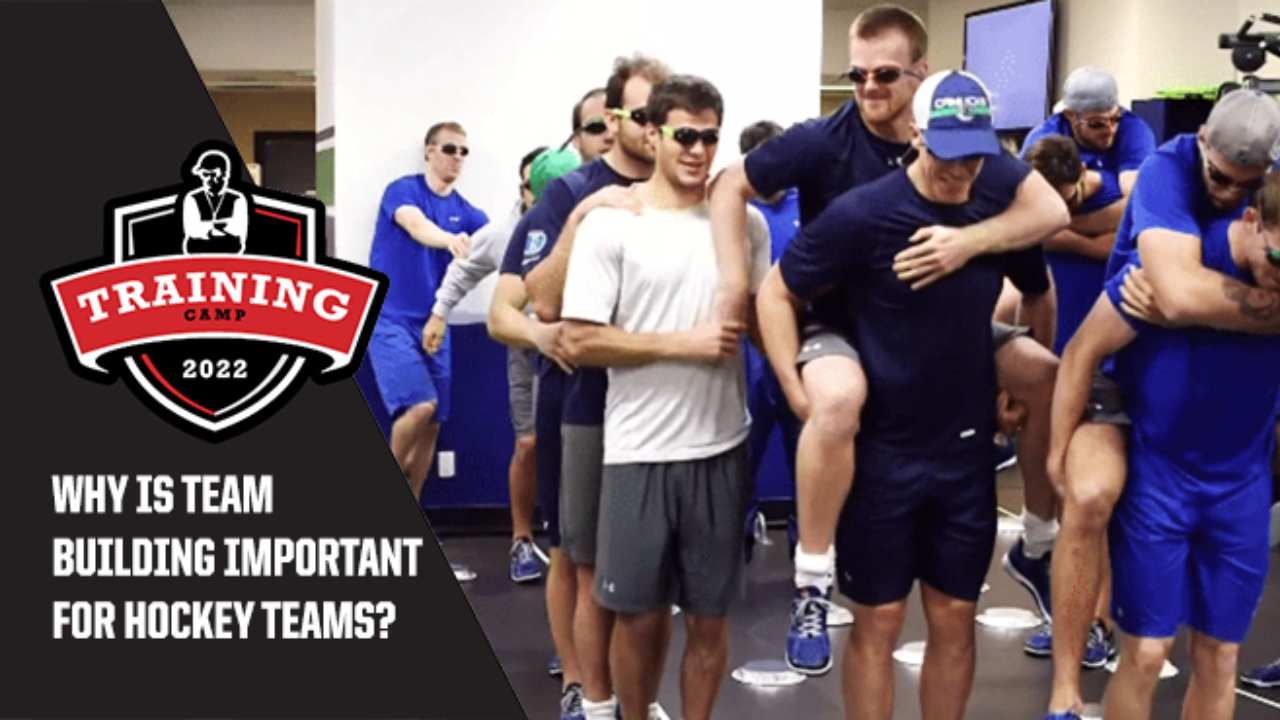
Maybe it's bowling. Escape rooms. Mini golf. A barbecue. Paintball.
Those activities aren't bad. In fact, they're often a lot of fun. But here's the mistake many coaches make:
Team-building activities don't build teams. Trust does.
The activity is simply the environment.
Trust is the outcome.
I've coached teams with almost no budget for elaborate team-building events that developed incredible chemistry. I've also seen teams spend an entire weekend together only to struggle with accountability, communication, and commitment once the season started.
Because relationships aren't built by spending time together.
They're built by experiencing something together.
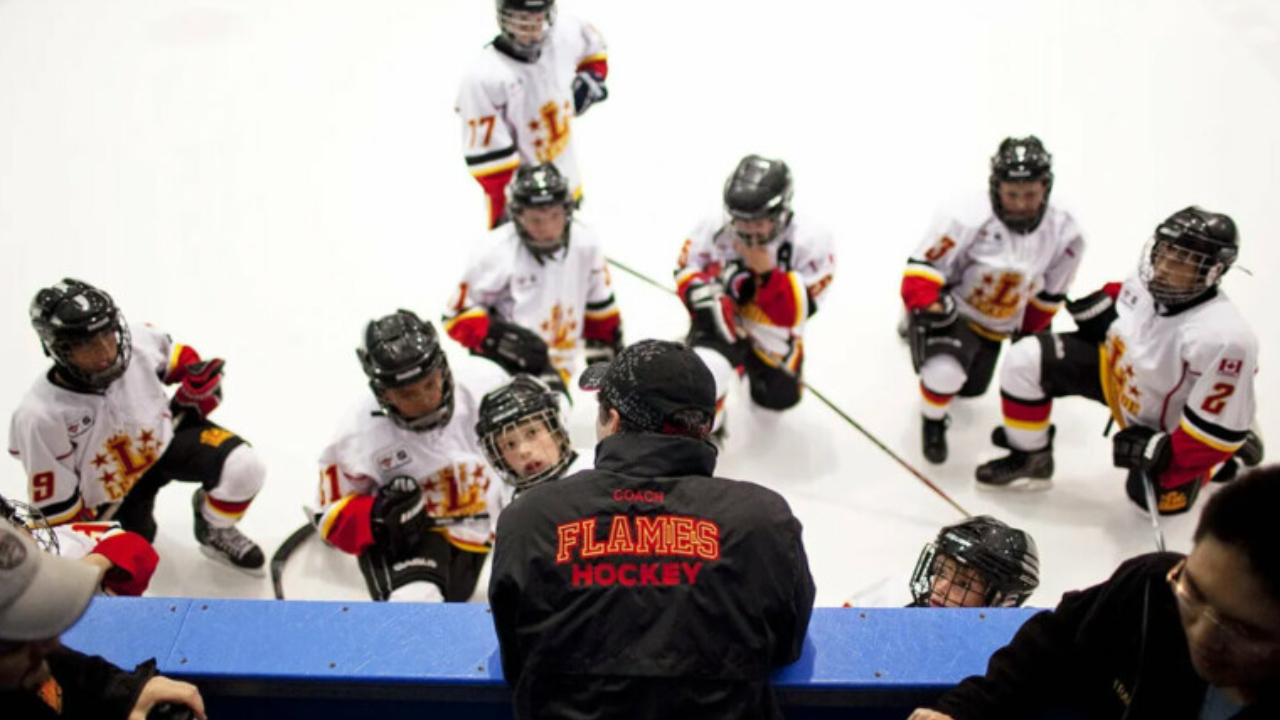
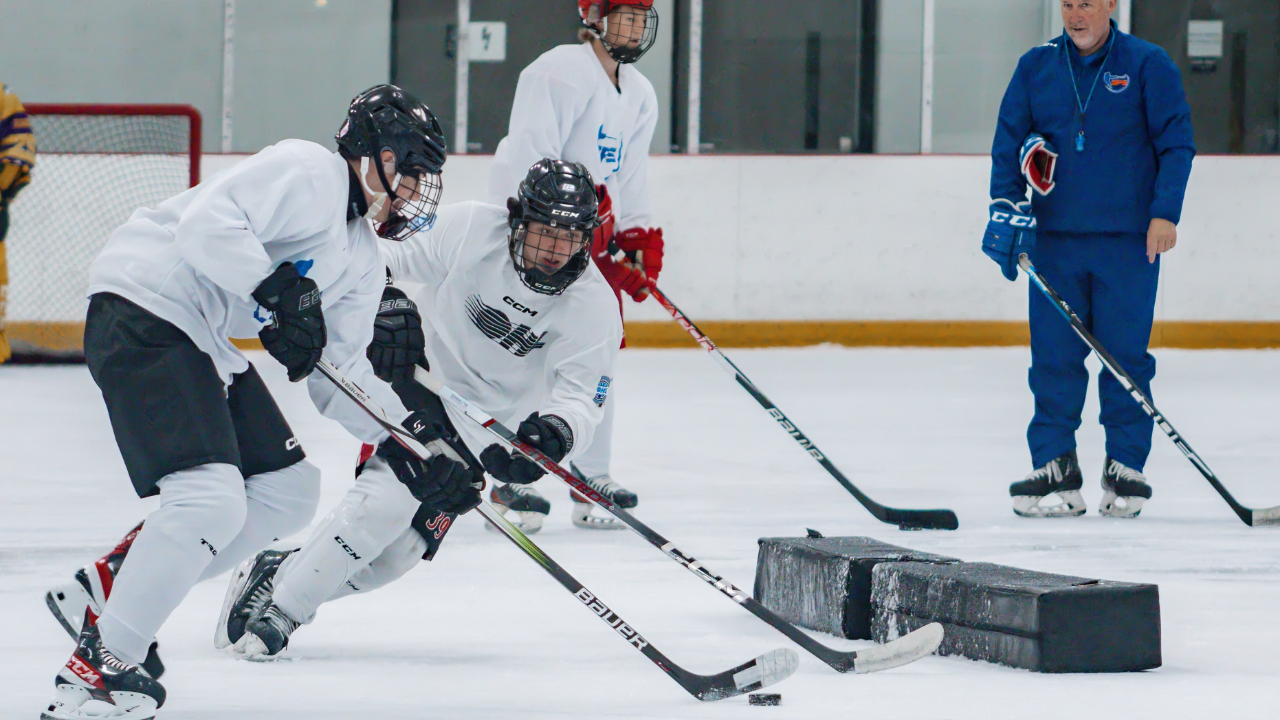
That experience doesn't have to happen at an escape room. It can happen in your dressing room, your practices, your bus rides, or your everyday interactions as a coach.
When players are challenged, supported, encouraged, and occasionally vulnerable with one another, trust begins to grow. Once trust exists, communication becomes easier. Accountability becomes accepted instead of avoided. Players become willing to make mistakes because they know their teammates will support them rather than judge them.
That's when a group starts becoming a team.
As coaches, we often spend weeks designing activities while giving very little thought to designing opportunities for trust to develop.
Who are your players relying on?
Who are they solving problems with?
Who are they communicating with outside their normal friend group?
Who gets uncomfortable enough to need someone else's help?
Those are the moments that matter.
One of my favorite preseason activities doesn't involve competition at all. Players are paired together, one wears a blindfold while the other verbally guides them through a series of obstacles. It isn't about winning. It's about placing responsibility in someone else's hands. For a few minutes, players experience what trust actually feels like.
It's a simple exercise, but the conversation afterward is where the real development happens.
Because trust isn't created during the activity.
It's created when players reflect on why they needed one another.
As coaches, our responsibility isn't to organize better team-building events.
It's to intentionally create environments where trust has an opportunity to grow.
Because teams aren't built through activities.
They're built through relationships.
And relationships are built on trust.