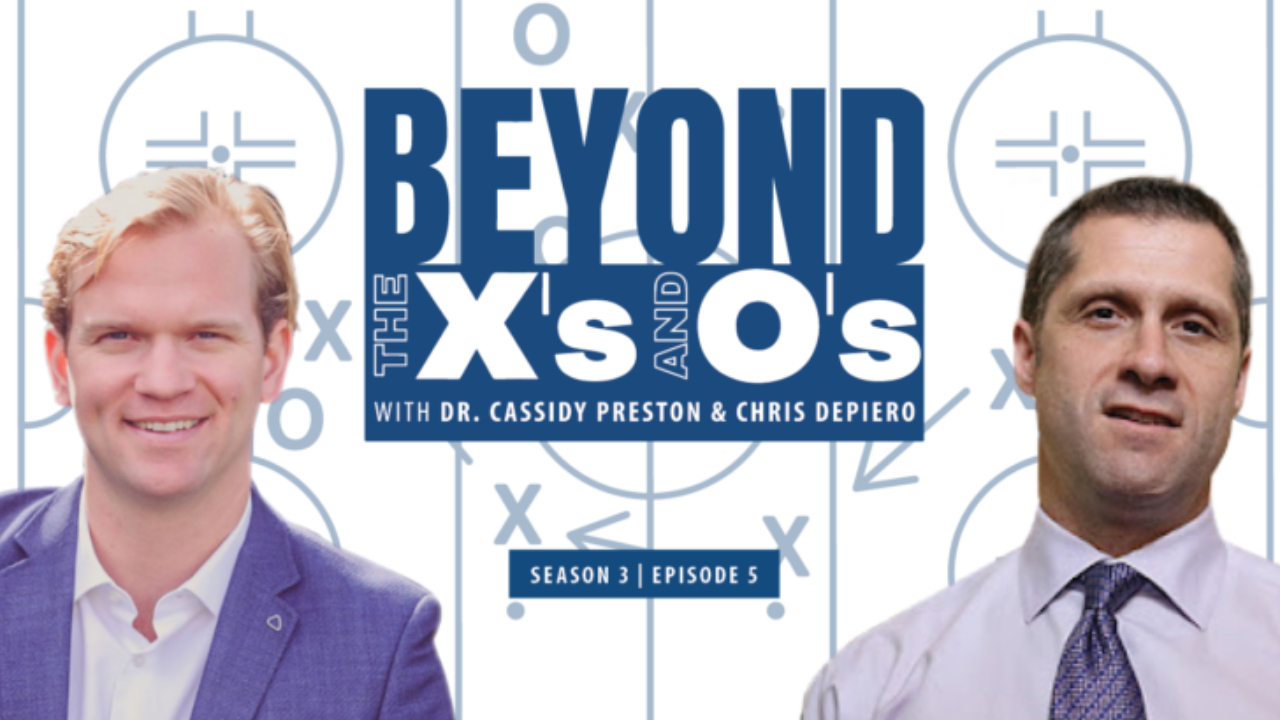
This week, I had the privilege of joining Larissa Mills on The Mental Game Academy Podcast— and while our conversation centered around player ownership and self-accountability, we also dove into a topic that doesn’t get talked about nearly enough:
Coach development.
Just like players, coaches have a responsibility to take ownership of their growth. The game is evolving, the demands on athletes are changing, and the expectations at every level are higher than ever. If we want better outcomes for our players, we must start with better development for our coaches.
Here are a few key points we discussed:
🏒 Coaches must take ownership of their development. Great coaches aren’t created by accident. They study, they seek feedback, they reflect, they attend clinics, they learn from others — and they never assume they’ve “arrived.”
🏒 Organizations must take ownership of coaching development. Too many programs expect growth from athletes while offering little structure or support for the people leading them. If we want consistent player development across an organization, then coach development can't be optional — it has to be built into the culture.
🏒 Coaches need mentors. One of the biggest gaps in youth sports is the lack of mentorship for coaches who are trying to grow. New coaches need guidance. Experienced coaches need challenge. All coaches need accountability. Organizations must do a better job connecting their staff to mentors who can elevate their teaching, communication, and leadership - on and off the ice.
🏒 Organizations must hold coaches to high standards in player development. If we expect players to take accountability, coaches must model it. Clear expectations, ongoing evaluation, and honest conversations should be the norm — not the exception.
This part of the conversation with Larissa Mills was powerful because improving the sport starts long before players hit the ice — it starts with the people guiding them. I’m excited for this episode to drop and even more excited for the conversations it will spark. We can’t develop the next generation of athletes without developing the next generation of coaches.