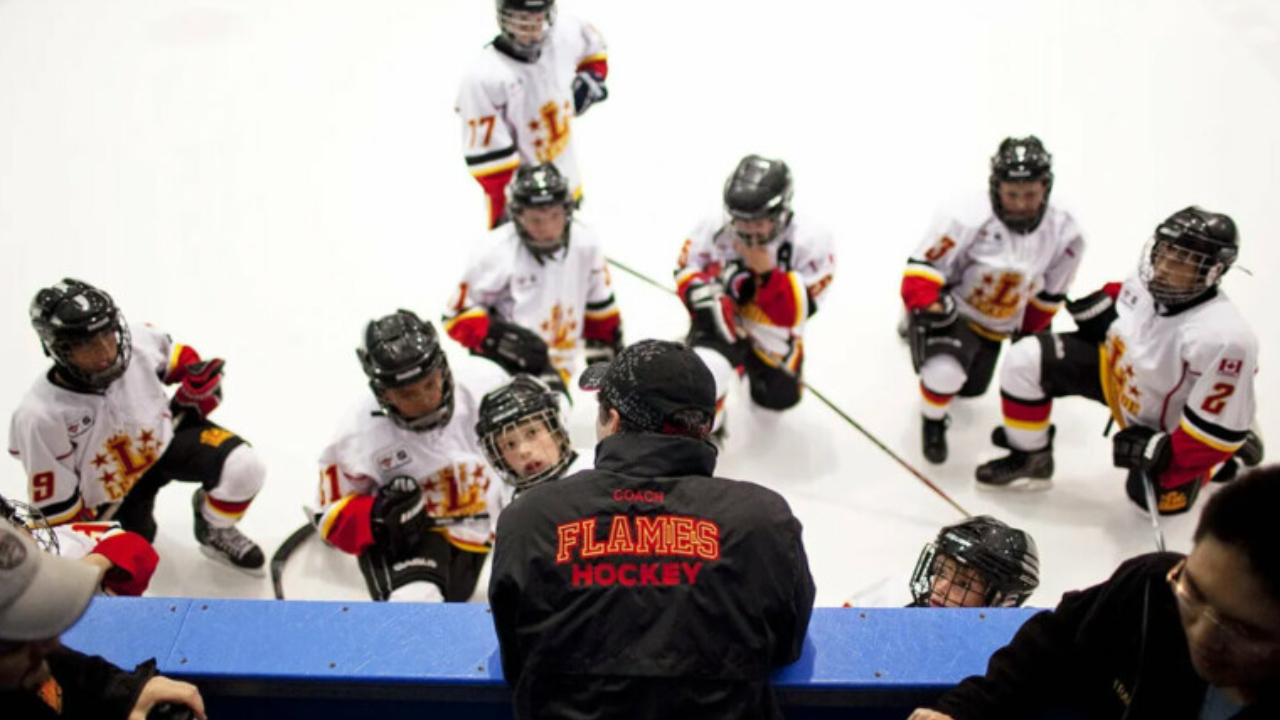
In the sports world, and in hockey in particular, there is an almost mythical tendency to glorify "gut feeling." How many times have we heard that a good coach is defined by how they read the game on instinct, making decisions by simply trusting their senses? Intuition and experience are extraordinary resources, of course, but when your "gut" becomes the sole steering wheel for technical and human management, you enter dangerous territory. It is a space driven by moody, emotional decisions, where the players almost always pay the highest price. And when we talk about goalies, this superficial approach becomes a ticking time bomb.
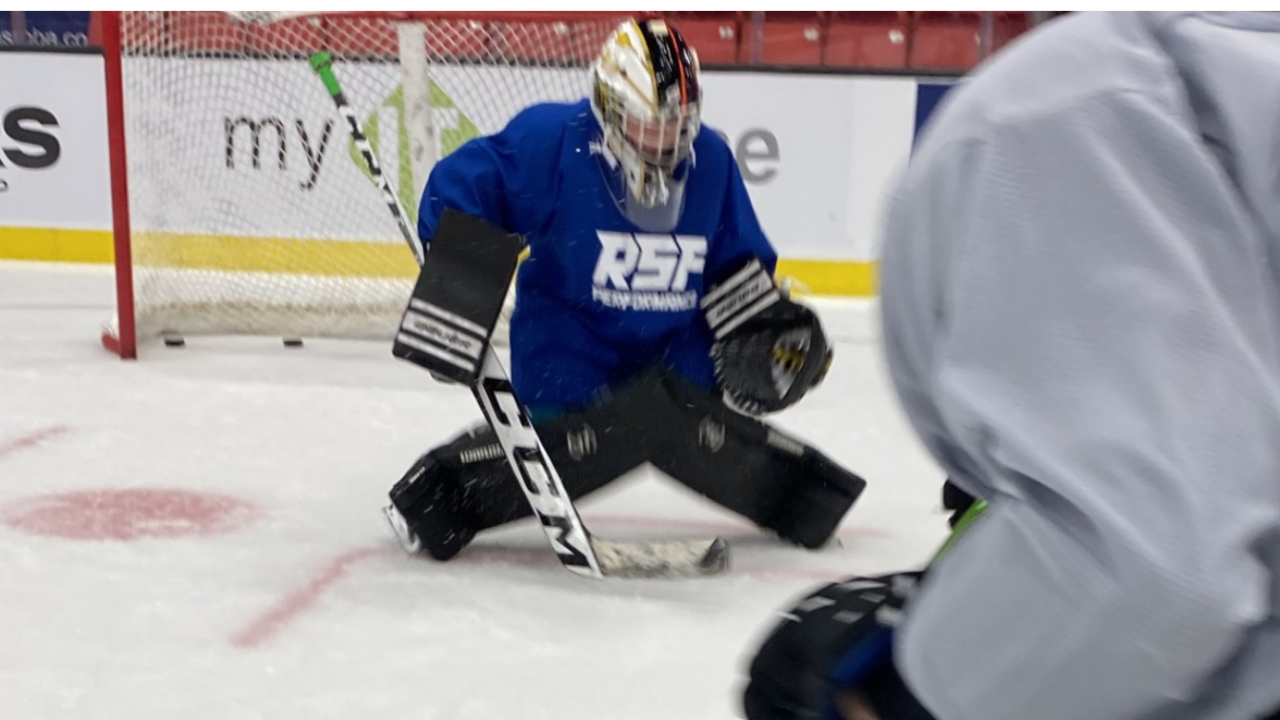
A goaltender lives in a microcosm of their own. It is a role made of millimeters, angles, and fractions of a second, but above all, it carries a workload and mental pressure that no skater ever experiences. The often-bitter reality is that many coaches don't just lack specific technical expertise—which is already rare enough—but they lack the foundational understanding of what a goalie actually does and what they truly need physically and mentally just to function.
Coaches tend to look at the goalie only during team practices, completely ignoring the rest of their planet. A goalie doesn't just do the sixty minutes with the team. They often have extra specific ice sessions, targeted off-ice workouts, and reactivity, mobility, and flexibility training. Yet, how many coaches actually account for this total workload when planning or judging a performance? There is a deep-rooted tendency to minimize the importance of complementary, specialized activities, like a yoga or deep-stretching session. What an untrained eye sees as "just stretching" is actually the core of injury prevention, posture management in the crease, and mental recovery for a goalie. Dismissing these activities as superfluous or secondary shows profound management blindness.
What happens, then, when a coach relies only on their gut impressions without calculating this bigger picture and without looking at the data? They fall victim to their own emotional filters and end up coaching blind. If a goalie lets in three goals in a game, the coach’s gut might suggest they are "distracted" or "scared," without considering for a second that the player might simply be exhausted, burnt out by a completely botched workload management between team and extra sessions. Or, conversely, they ignore the biomechanical details: a flawed positioning in the RVH, a slow recovery on a T-push, or a sloppy transition that leaves them out of position—things that only an objective analysis of video and data can reveal.
Telling a player "your head wasn't in the game today" based purely on a visual impression, while ignoring their actual physical workload and failing to back up the criticism with facts, is lazy coaching. And the players notice it immediately. When corrections, or worse, punishments and changes in the depth chart, are handed down so erratically, the coaching loses all credibility in their eyes. It turns into an unfair lottery.
Added to this lack of analysis is the wall of emotional distance. Treating players like machines, without building a real relationship and without caring about what they are going through on and off the ice, creates an irreparable rift. The goalie is alone back there. They manage the loneliness of a goal conceded and the heavy weight of responsibility. Without a two-way, transparent, and empathetic channel of communication, the player will feel isolated, and every piece of criticism will be perceived as a personal attack.
This exact breakdown is where you lose the players' trust—a coach's most valuable currency. When a coach takes a punitive or corrective step based on a momentary whim, the player instantly senses the injustice because they know how hard they’ve worked, how many extra sessions they have in their legs, and what they actually experienced on the ice. If there is no solid human relationship to talk about it openly, the athlete shuts down and stops buying into the technical guidance. A goalie who doesn't trust their coach is a goalie who steps onto the ice afraid to make a mistake; they become rigid, losing the fluidity and mental peace that are the true prerequisites for making a game-changing save.
Modern coaching can no longer afford to ignore this complexity. It is not about turning into cold mathematicians, but about finding a synthesis. Data and video are there to give us the objectivity of what happens on the ice. The human relationship and a real understanding of the athlete's routine—everything they do off-ice, in yoga, and in extra sessions—tell us why it is happening. The coach's instinct should only be the final step: the ability to bridge these worlds to make the right decision, respecting the player's hard work and protecting that bond of trust which is the only thing keeping a team together.