With games starting in the next month or so, it reminds me that game coaching is different than practice coaching.
One thing I’ve really worked on is avoiding “joystick coaching.”
The game is too fast. If I’m yelling directions at a player, there’s a good chance the decision has already been made before they hear me.
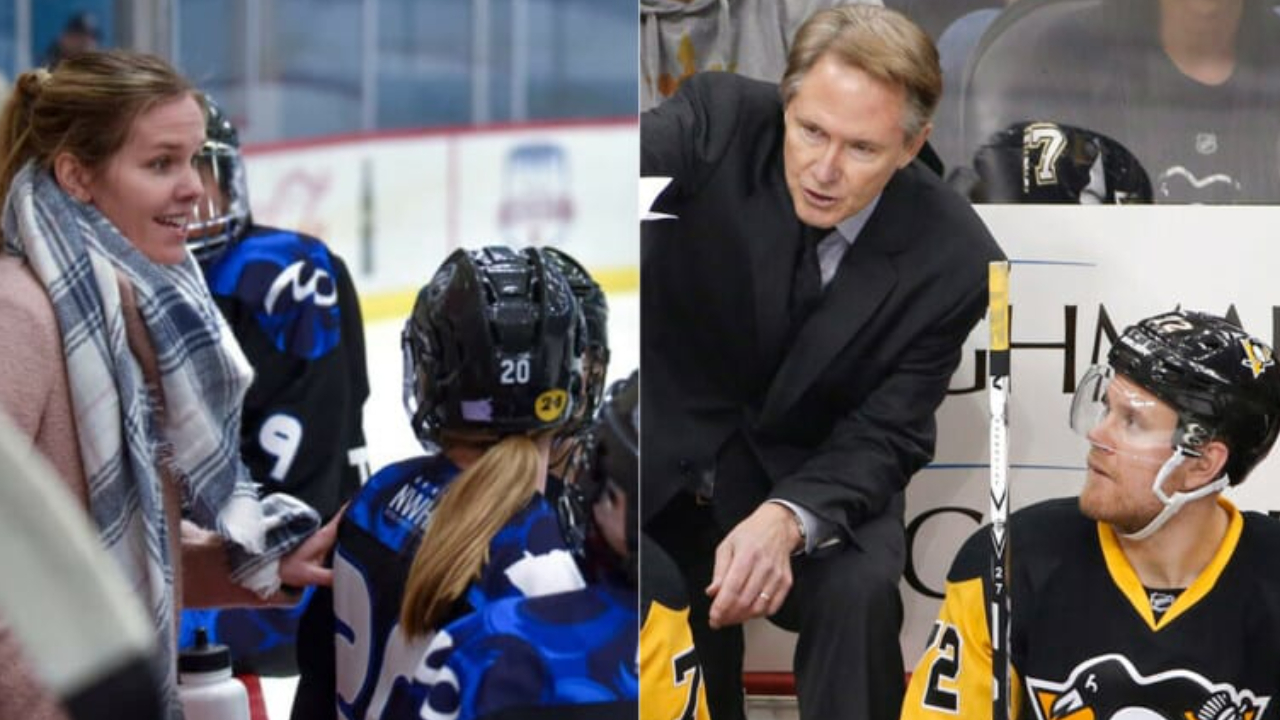
In games — coach on the bench. Observe on the ice.
Practice is where we teach. Games are where we see if they can apply it.
When I do communicate, I try to keep it short:
“Time.”
“Scan.”
“Feet.”
“Back.”
“Eyes on chest.”
I also try not to use names unless I need to. When a player hears their name, their natural reaction is to look toward you. I want their eyes on the game, not on me.
A big part of game coaching is managing the players, not the game.
Who’s next?
Who’s ready?
Who needs a reset?
Who needs to get their head back in it?
It’s a lot like parenting.
You spend years teaching, practicing and preparing. Then you have to let them go make their own decisions.
That’s what we’re trying to do with players.
Prepare them well enough that when the game gets fast, they can think, react and make decisions on their own.
That’s coaching.