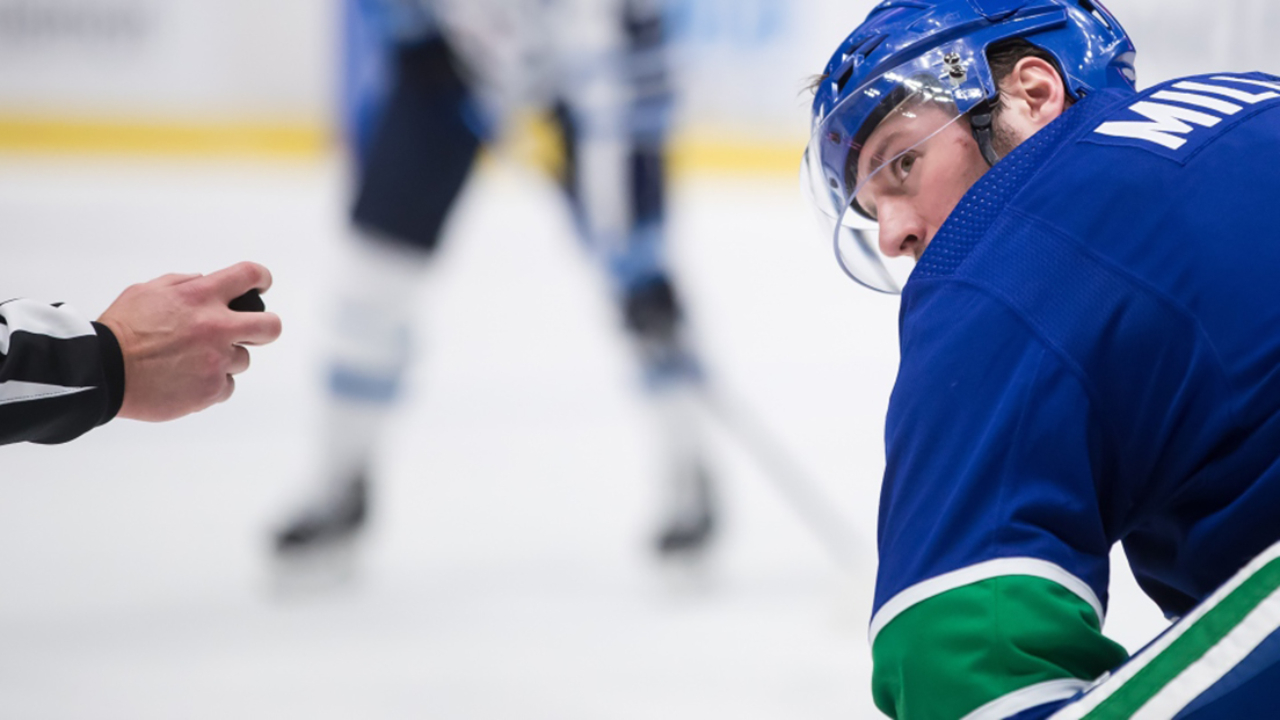

In youth hockey, we talk about faceoffs. We run a couple of plays. We blow the whistle, drop a puck, and hope our centers eventually “figure it out.”
But here’s the truth
Faceoffs aren’t practiced, taught, or emphasized nearly enough.
And it shows.
Most young players don’t understand why a faceoff matters… let alone what their job is after the puck drops. They’ve seen coaches draw up special “plays,” but they don’t grasp the importance, the routes, the structure, or the responsibility that comes with a faceoff win or a faceoff loss.
Meanwhile, at the highest level of hockey, the difference between lifting the Stanley Cup and heading to the locker room can come down to two seconds of focus at the dot.
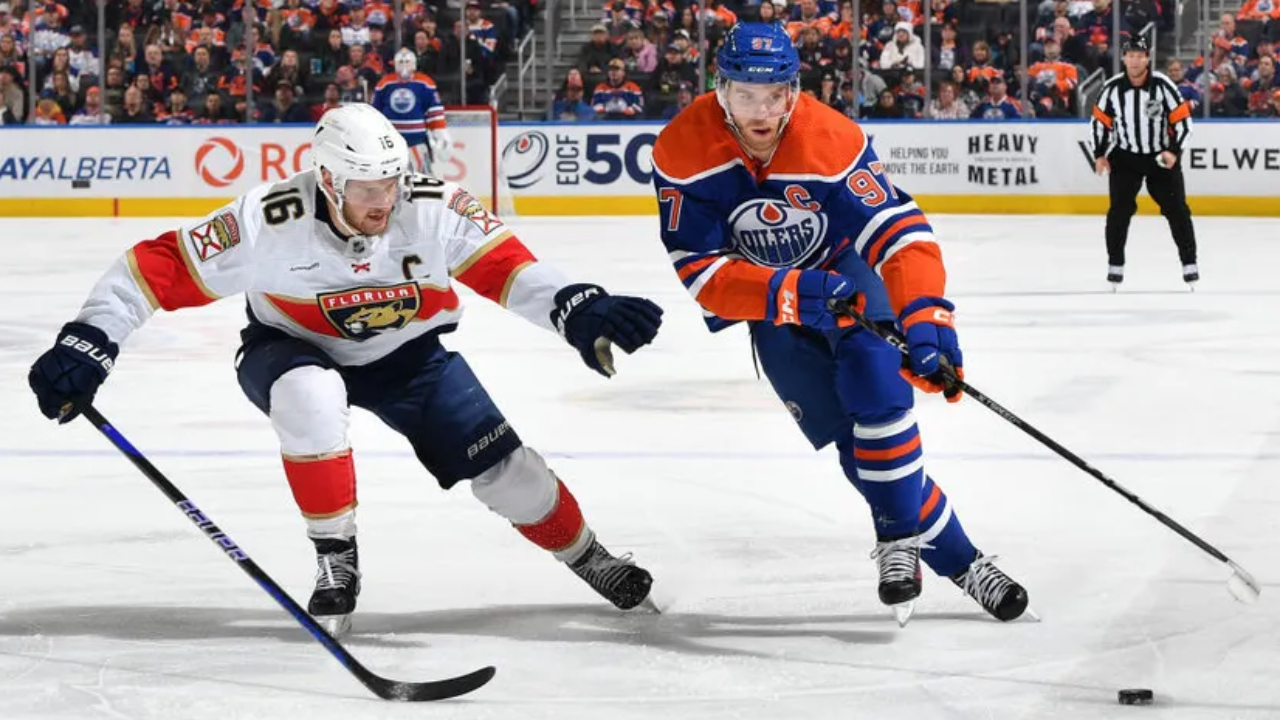
Just Look at Game 3 of the 2025 Stanley Cup Final
If you watched the 2025 Stanley Cup Final, you would have noticed the team that won the cup won the most faceoffs.
The Florida Panthers weren’t just winning faceoffs.
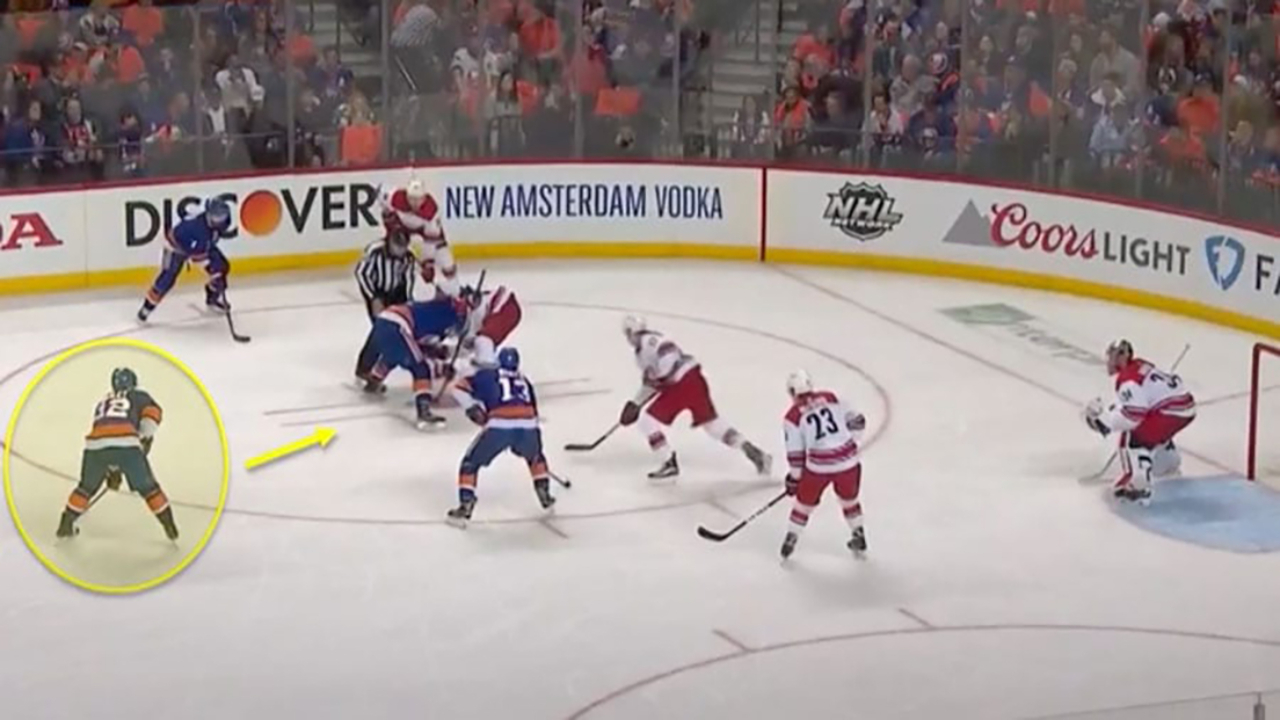
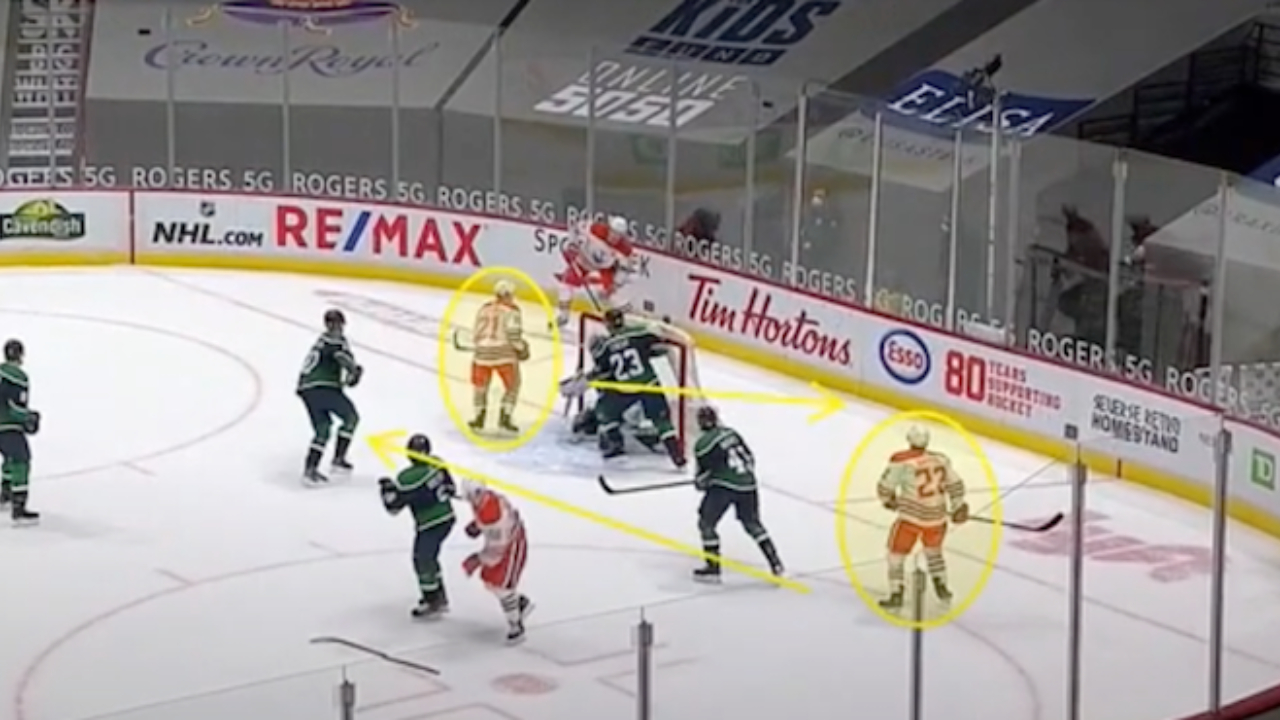
They were weaponizing them.Twice in a row, the Panthers executed clean, deliberate, well-supported faceoff wins that immediately flipped the ice. Both of those plays pushed the puck deep into the Oilers’ zone… and that sequence directly led to the opening goal of the game.
And in a series that tight, that early momentum mattered.
A lot!
Those two faceoff wins didn’t just create a scoring chance.
They set the tone for the entire night and ultimately became one of the reasons Florida raised the Stanley Cup.
So Why Don’t We Teach This Better in Youth Hockey?
Too often, youth coaches try to run “NHL faceoff plays” without first teaching:
- What the center is actually trying to accomplish
- How wingers should support a win or a loss
- Where the puck is supposed to go on different dots
- What good body positioning looks like
- Why speed, anticipation, and trust matter more than any chalkboard play
The result?
Players look confused, lose structure right away, and every possession starts with chaos instead of purpose.
Faceoffs aren’t just a fancy set play.
They’re a battle, a possession opportunity, and a team responsibility.
What Youth Players Need to Learn Instead
If you coach youth hockey, the goal isn’t to run a bunch of scripted plays. The goal is to build habits and understanding:
- What’s the objective of the draw? (possession, pressure, or immediate defense)
- Where is the puck supposed to go?
- What’s each player’s first stride, first stick angle, first job?
- How do we react when we win?
- How do we react when we lose? (the thing almost no one teaches!)
The Panthers succeeded because every player, not just the center, knew the plan, knew the routes, and executed with purpose.
That’s what wins games.
That’s what builds hockey IQ.
And that’s what youth players need much earlier.
Faceoffs Shouldn’t Be an Afterthought
Faceoffs change momentum.
They dictate possession.
They create offense and prevent chaos.
If the NHL is treating them like a difference maker and Game 3 showed exactly why—then youth hockey needs to stop treating them like just another whistle.
It’s time to focus on faceoffs.
Not just practice them.
Teach them. Explain them. Build habits around them.
Because a simple two second moment can transform an entire game.
And if the Panthers just taught us anything, it can win you a championship.