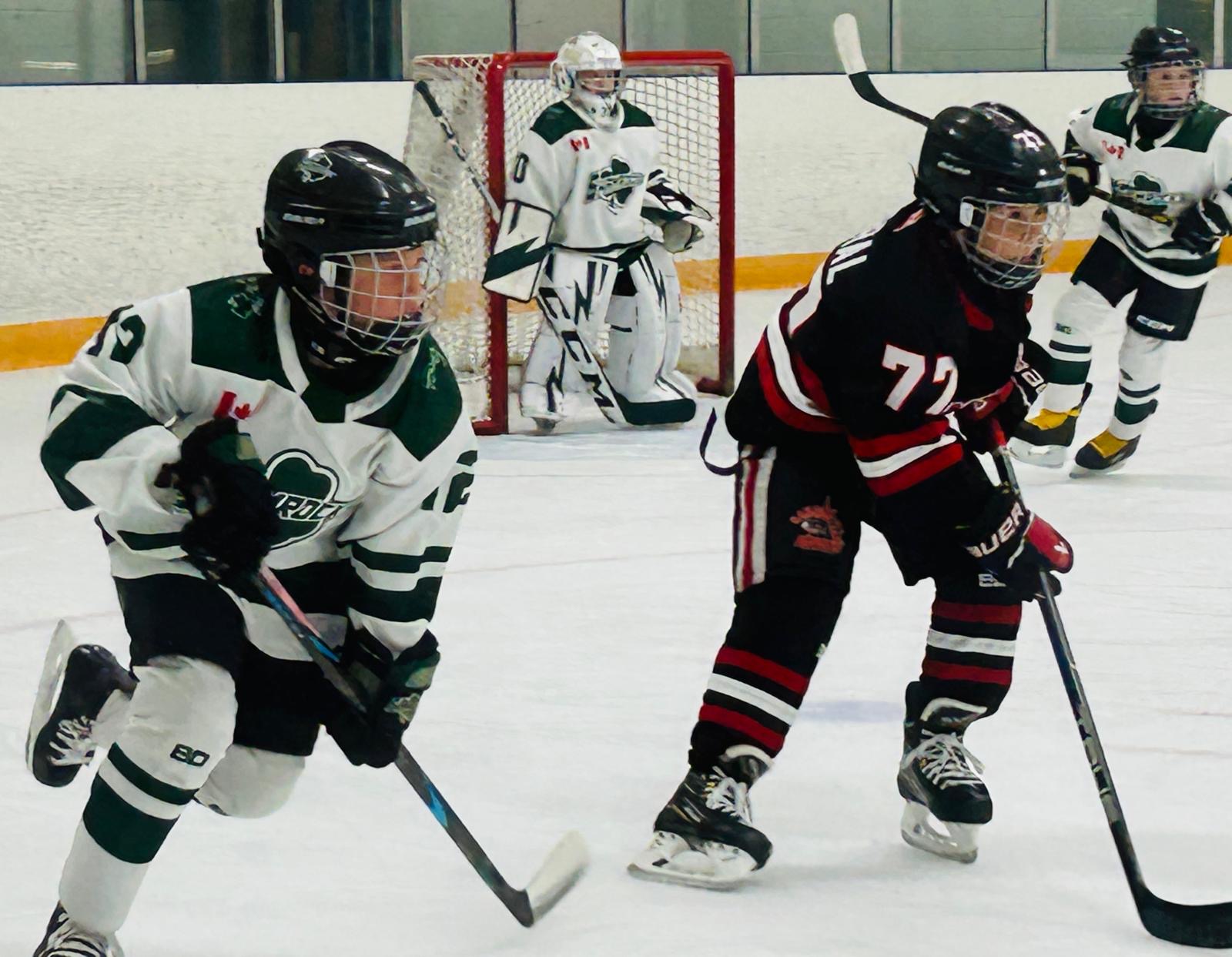

I was out watching the U15 AAA OHL Cup games a few weeks ago and saw a kid make a mistake in the third period. A turnover in the neutral zone. Nothing catastrophic — just a read that didn't work out.
The coach pulled him. Sat him for the rest of the period. Didn't say a word.
After the game I learned that, in the dressing room, the coach told the team they need to "make better decisions under pressure." Good message. Right instinct. Wrong delivery.
Because what that player actually learned wasn't decision-making. He learned that mistakes cost you ice time. So next shift? He'll play smaller. He'll make the safe pass. He'll do whatever it takes to not get pulled again.
That's not development. That's survival. And most coaches can't tell the difference.
Here's the uncomfortable truth: coaching to win and coaching to develop are not the same thing — and most coaches, even great ones, are running a winning agenda while believing they're running a development one.
Coaching to win prioritizes the outcome. The scoreboard. The standings. The tournament bracket. It's not evil — winning matters. But when winning becomes the primary lens, it distorts everything.
Player decisions get evaluated on whether they worked, not on whether they were the right process. Risk gets punished. Mistakes become identity. The players who "get it right" get rewarded. The ones who are still figuring it out get managed.
Coaching to develop prioritizes the player. Their confidence. Their growth edge. Their ability to handle pressure, make decisions, bounce back, and keep going when it gets hard. Development coaches understand that the mistake in period three is data, not a crime. They respond differently — not with silence and a bench, but with a question: What did you see? What would you do different?
The gap between these two approaches isn't talent. It's not even philosophy. It's awareness.
Most coaches genuinely believe they're doing both. But their behavior in the hardest moments tells the real story. When the game is on the line, when the season is slipping, when the parent is watching from the stands — what gets prioritized? The player's growth, or the result?
And parents — you're not off the hook here either. The car ride home is your version of that dressing room. Are you debriefing the performance, or are you processing your own anxiety? Are you asking about effort and learning, or are you replaying every shift that didn't go the way you hoped? Same tension. Different seat.
So here's a simple gut-check. After your next practice or game, ask yourself three questions:
1. Did I respond to the mistake, or the player?
Responding to the mistake is evaluative — good read, bad read, worked, didn't work. Responding to the player is developmental — what was their mindset, what did they learn, what do they need next?
2. Did fear of losing drive any of my decisions today?
Honest answer only. Fear-based coaching produces fear-based athletes. If you're coaching scared, they're playing scared.
3. Would I be okay if my best player made that same mistake in game seven?
If the answer changes based on the stakes, you're coaching outcomes. Development coaches hold the same standard — process over result — regardless of what's on the line.
The best coaches I've worked with and played for aren't the ones who have the most wins. They're the ones who can look a kid in the eye after a hard game and still make him feel like he's worth investing in.
That's the job.
Winning is a byproduct of development done right. Chase the byproduct first, and you'll lose both.
Know which one you're actually coaching — and then have the guts to change it.
Victory Starts in the Mind
Rob Pallante
Mental Performance Coach
Founder of Mindset Body Bank