Across the top of the table in Natural Stat Trick there are a variety of analytics to choose from. Scoring chances for and against, expected goals, shots, corsi, fenwick, high danger chances for and against, and the Colorado Avalanche are at the top or near it in most categories. Their record matches the analytics.
The Buffalo Sabres only appear in the top five in one category, and that's shooting percentage. And they're only two points up on those same Avalanche in that one.
So how are they winning games? Why are the Sabres poised to end the longest playoff draught in North American pro sports after a late February / early March run of seven straight wins?
Let's see what the eye test says.
 Buffalo has scored 26 even strength goals in their last 10 games (and 10 on the powerplay), and you can see on the map where the majority of those goals come from. This is why coaches carve pucks on net into the walls of their dressing room.
But how are they getting the puck there? Telling your players to get more shots isn't coaching, it's hoping. Prior to watching these clips, I'm pretty confident even the shots from distance, say from a player like Rasmus Dahlin, still involve traffic at the net. Let's see.
Patterns emerge after watching the clips as they occurred over the last ten games. Of course the goals from a random professional hockey team aren't going to unfold perfectly according to how you teach these concepts in practice, but it's because of how you teach said concepts that the goals even become possible.
This is what the list looks like when you lay it out in order, from last to first.
Buffalo Sabres 5on5 Goals last 10 Games
- Rush (2on1 out of coverage)
- OZP: 4 in the zone (traffic)
- Rush (breakaway from DZ coverage)
- OZP: 4 in the zone (net drive)
- OZP: 4 in the zone (creativity)
- OZP: Net drive (play off the puck)
- OZP: 4 in the zone, point shot with traffic
- OZP: 4 in the zone: net drive, traffic, creativity
- Net drive (faceoff play)
- Net drive (broken faceoff play, pucks on net)
- Rush (kickout from NZ coverage)
- Rush (net drive from NZ coverage)
- Rush (kickout, net drive, from tracking / breakout)
- OZP: Point shot with traffic
- OZP: 4 in the zone (creativity)
- FC, good F3
- Rush, (tracking, point shot with traffic)
- Rush (tracking / breakout, 2on1)
- FC: Good F3, 2on1
- Rush (Breakout, pucks on net)
- OZP: 4 in the zone
- Rush (shoot it)
- Rush: (net drive
- Rush (net drive)
- Rush (breakout from DZ coverage to 2on1 (sorta))
- Rush (tracking / breakout to 2on1)
That's a little confusing to teach. Let's move the goals around into buckets, and then we've got some simple concepts to run in practice.
- Rush (13 goals)
- OZP (O-Zone Play, 9 goals)
- Faceoffs
- Forecheck
So at 5on5 the Sabres are scoring primarily off the rush and their o-zone play. This is a bit of a surprise, most good teams don't rely on the rush as much as their forecheck and o-zone play. But as we noted above, the Sabres aren't leading the league in a lot of advanced metrics. But what they're good at, they're really good at.
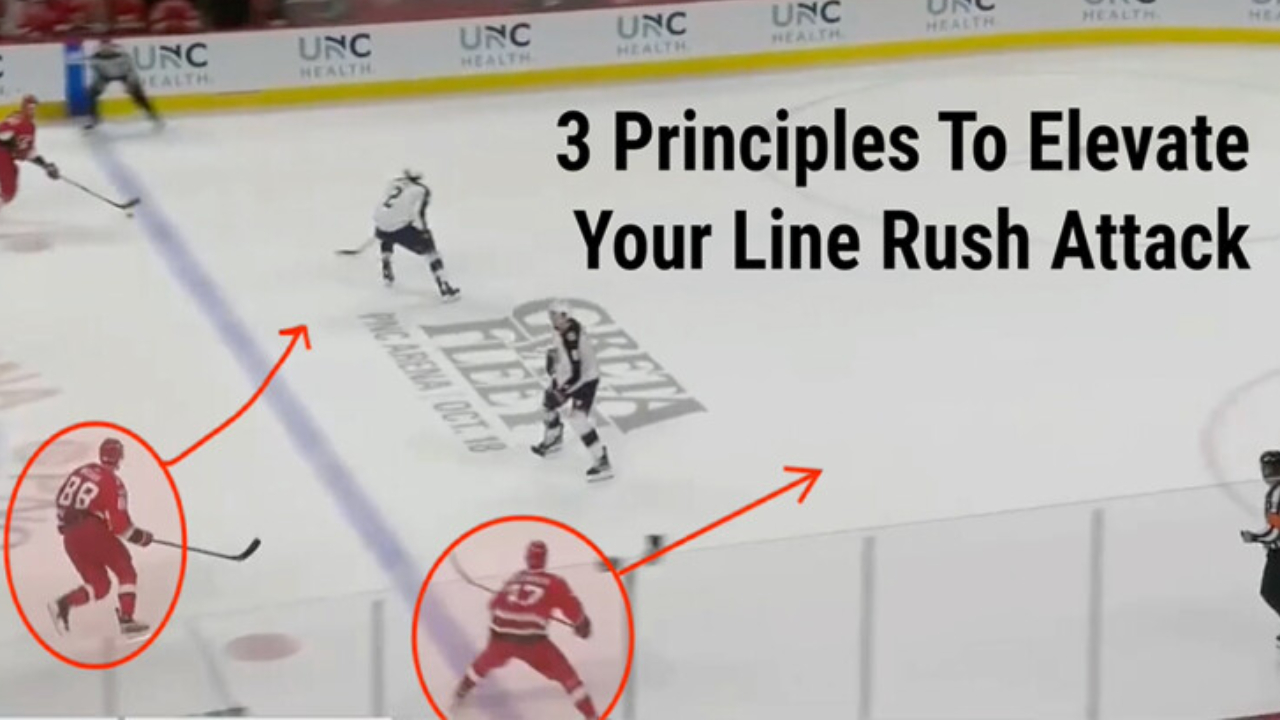
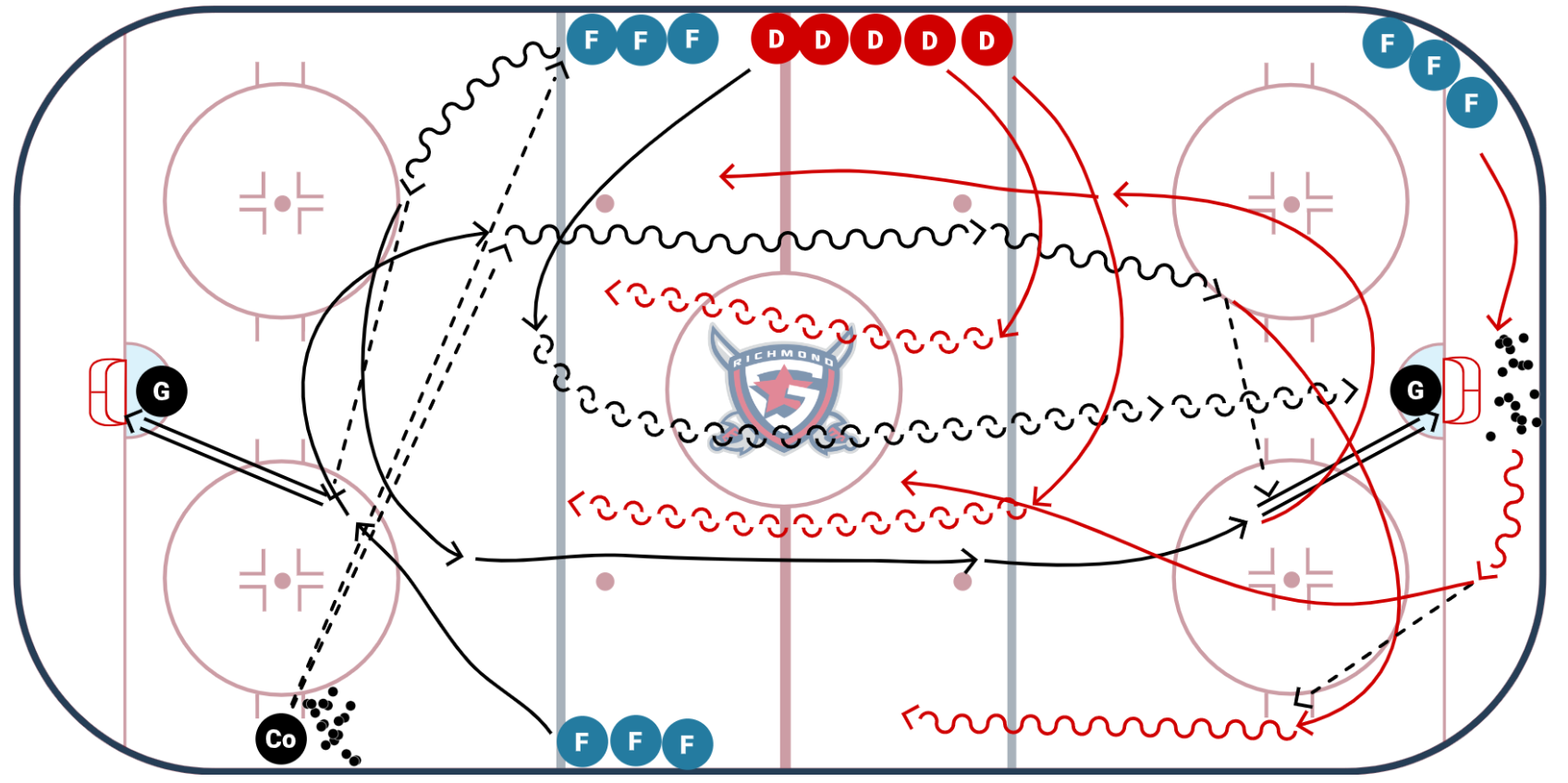
Scoring off the Rush: Offence from Defence
The key to note here is that all of these rush goals start with defensive coverage, either in the defensive zone or neutral zone. So when you're begging your team to get more shots on net, you need to include the genesis of those shots. Start further back in your end of the ice and build drills that reward defence with offence.
OZP: 4 in the Zone
Here's where the creativity kicks in. It's an exciting way to play, but when you' ve got a defenceman at the top of his game in Rasmus Dahlin and a young D-corps surrounding him and following his lead, it's a recipe for success. Lindy Ruff has been around a long time but clearly he and new General Manager Jarmo Kekäläinen have adapted to a modern way to play in the offensive zone.
- Get off the blue line, 4 in the zone
- Work to get open, off puck play is key
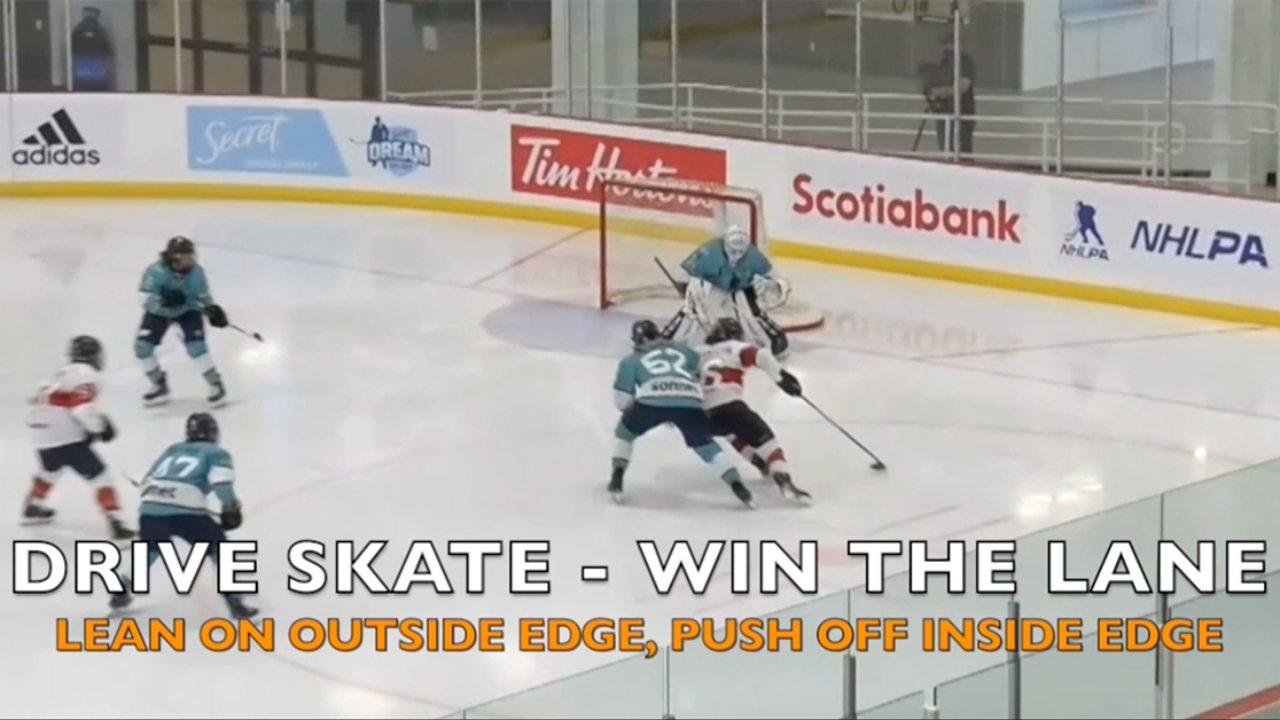
- Drive the net, the puck ends up there eventually
- Work on your 2on1's and kickouts on zone entries
Clearly a lot is going right for the Sabres these days, but they're creating their own fortune. They have a team-wide high shooting percentage, but that only happens when you put your players in good spots often enough to bury their chances.
Take these concepts and teach them to your own team and see what happens.