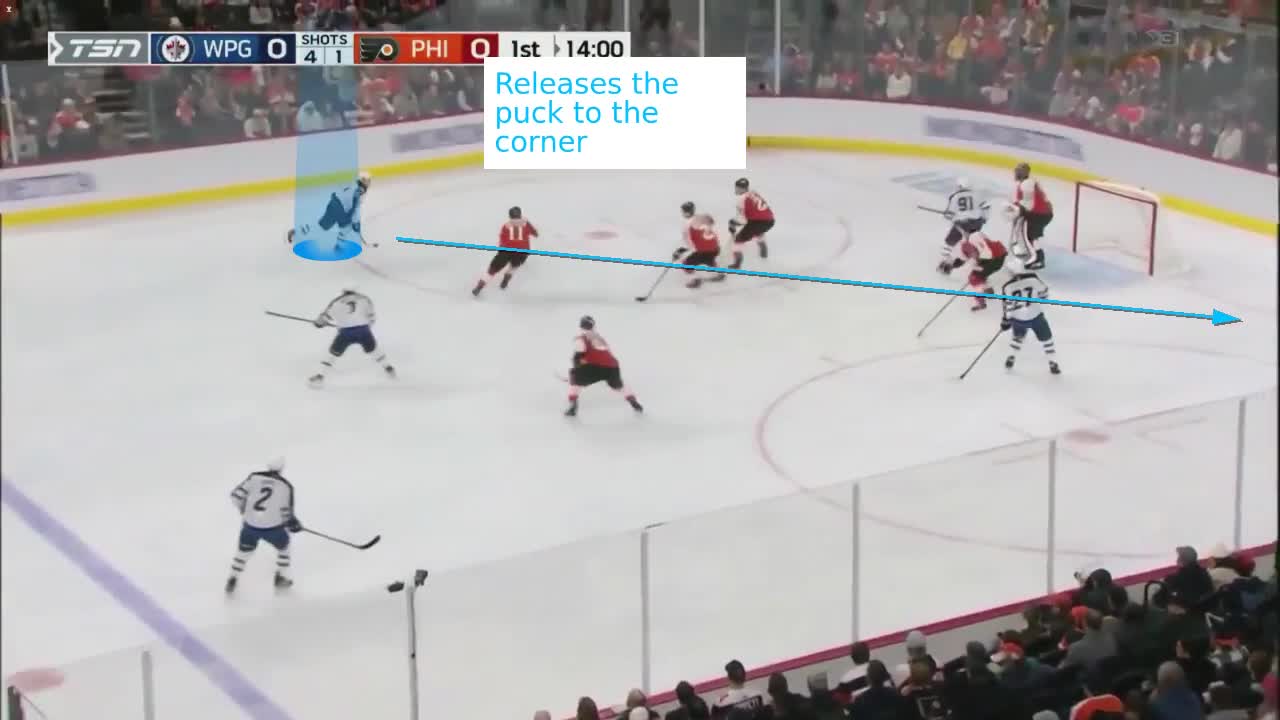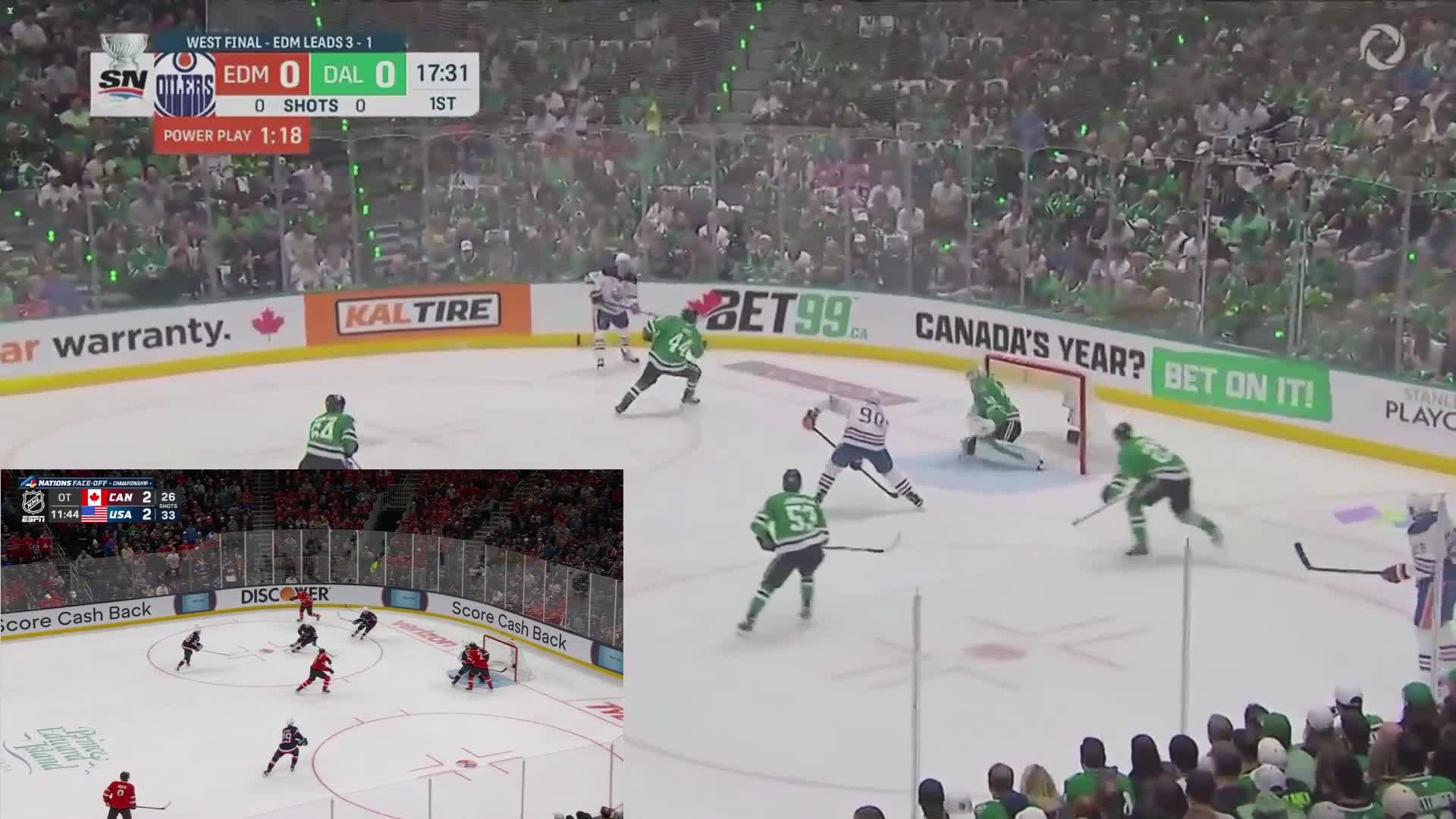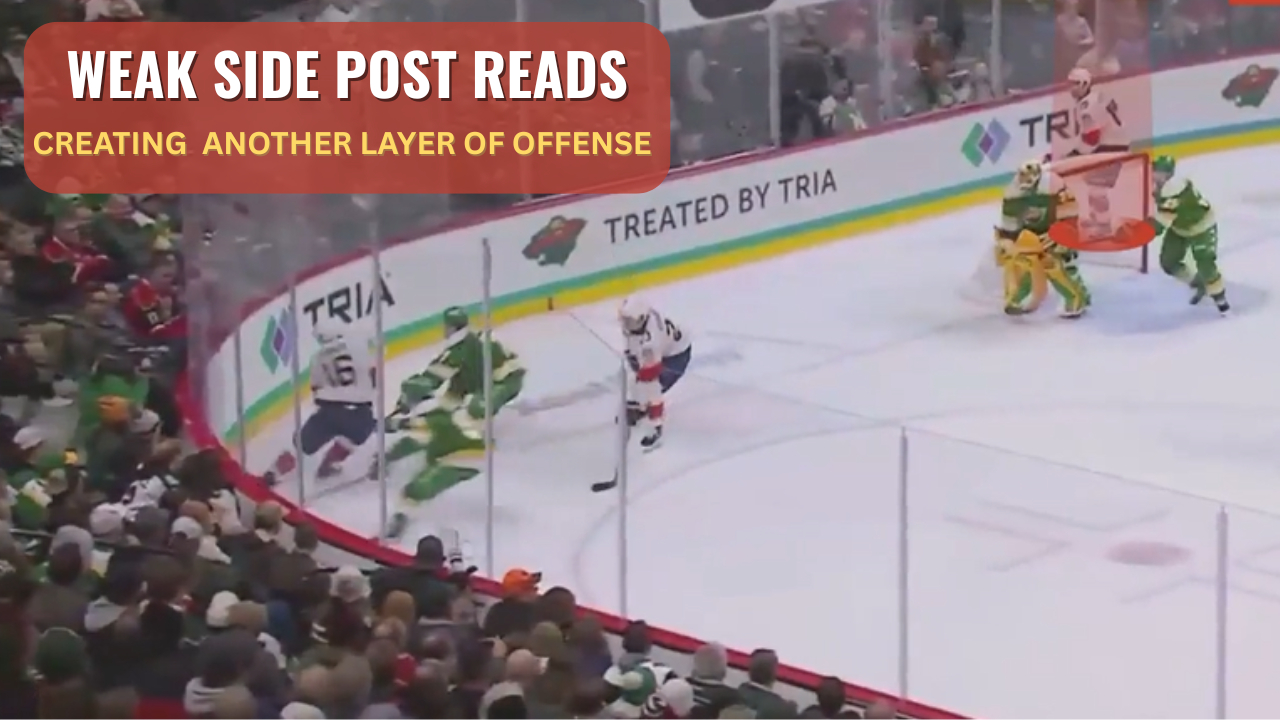
The other night, watching Vancouver vs. Winnipeg, a small detail stood out.
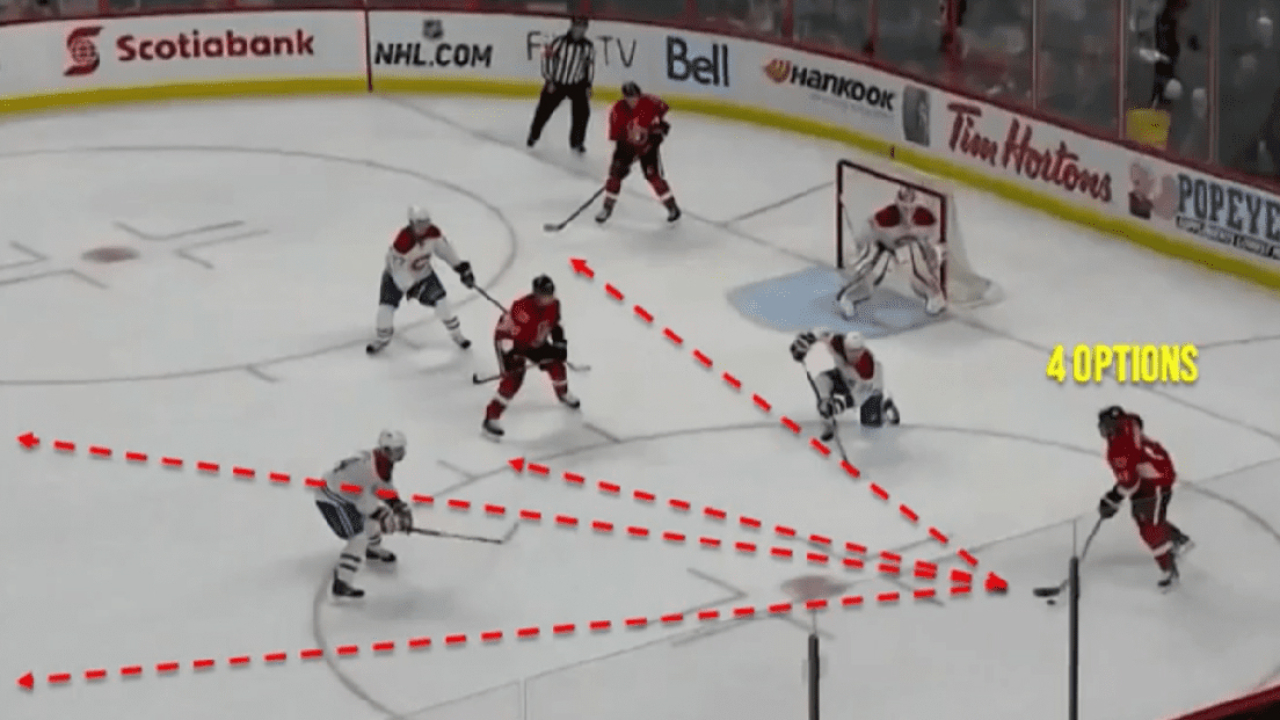
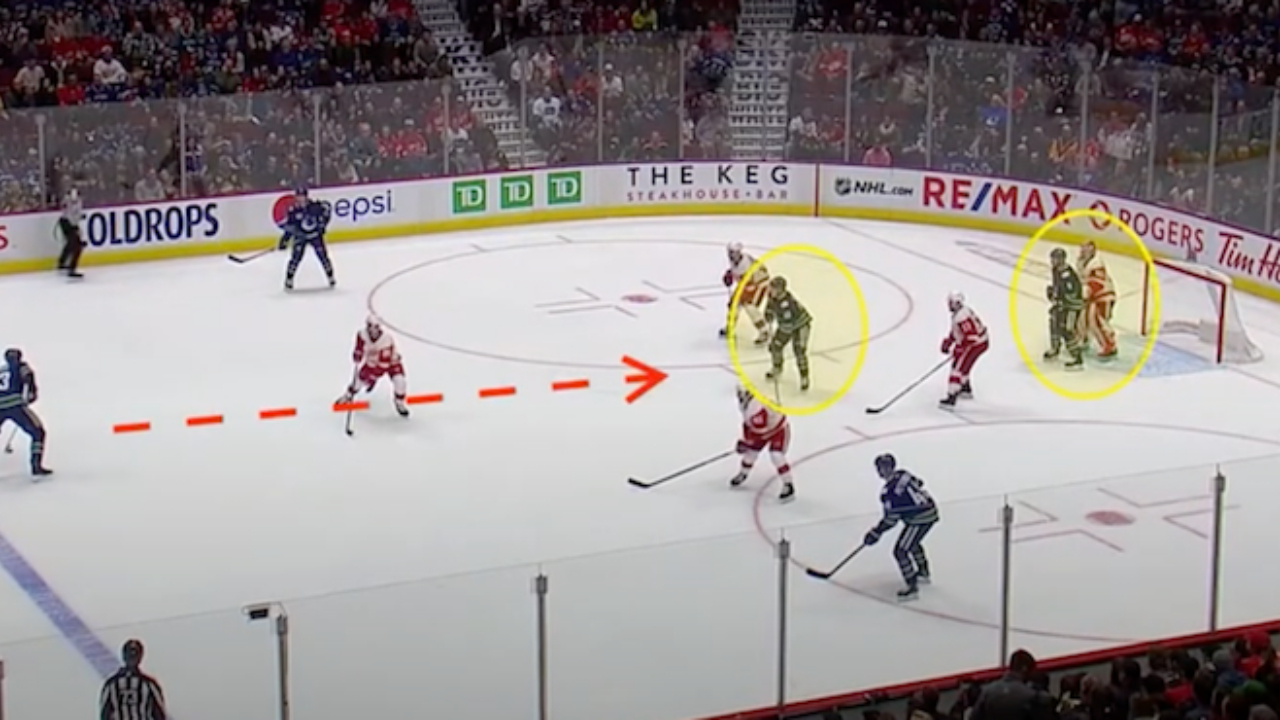
Winnipeg runs a low cycle with the intention of hitting the weak-side post option — a common, rehearsed release. It’s a play many teams build into their offensive-zone structure.
But Vancouver anticipates it.
The Canucks defender reads the timing, leaves his check early, and cuts off the weak-side seam before the puck arrives. Turnover. Immediate transition.
The issue wasn’t execution.
It was predictability.
Cycles are designed to move defenders, create confusion, and open space. But when the route and release become automatic, defenders begin to pre-rotate. Instead of reacting, they’re jumping patterns.
Modern defenses aren’t just containing — they’re studying tendencies.
If your cycle always leads to the same outlet, it becomes a trigger for the opponent.
The teaching point:
Rehearsed offense must still look unpredictable.
If defenders know where the puck is going before it gets there, the play is already broken.
Structure creates options.
But variation creates threat.